
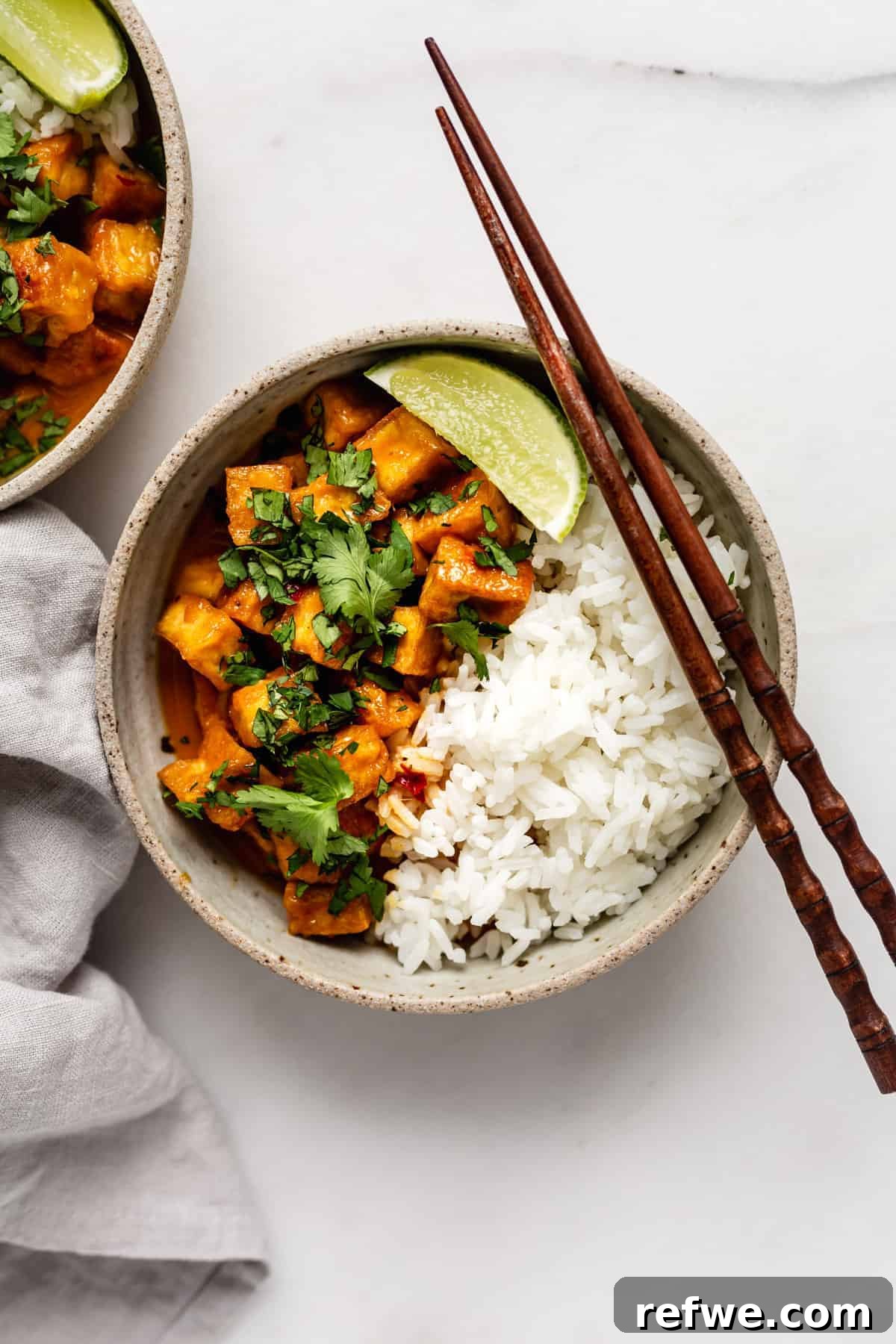
Embark on a culinary journey to Thailand from your own kitchen with this incredibly flavorful Thai Coconut Curry Tofu. Crafted with authentic Thai red curry paste and rich, creamy coconut milk, this delightful tofu dish promises a gourmet experience that remarkably comes together in **just 30 minutes**! Whether you’re seeking a quick weeknight dinner or a vibrant plant-based meal, this recipe is your answer. Serve it alongside fluffy jasmine rice, delicate rice noodles, or a medley of your favorite fresh vegetables for a complete and satisfying meal.
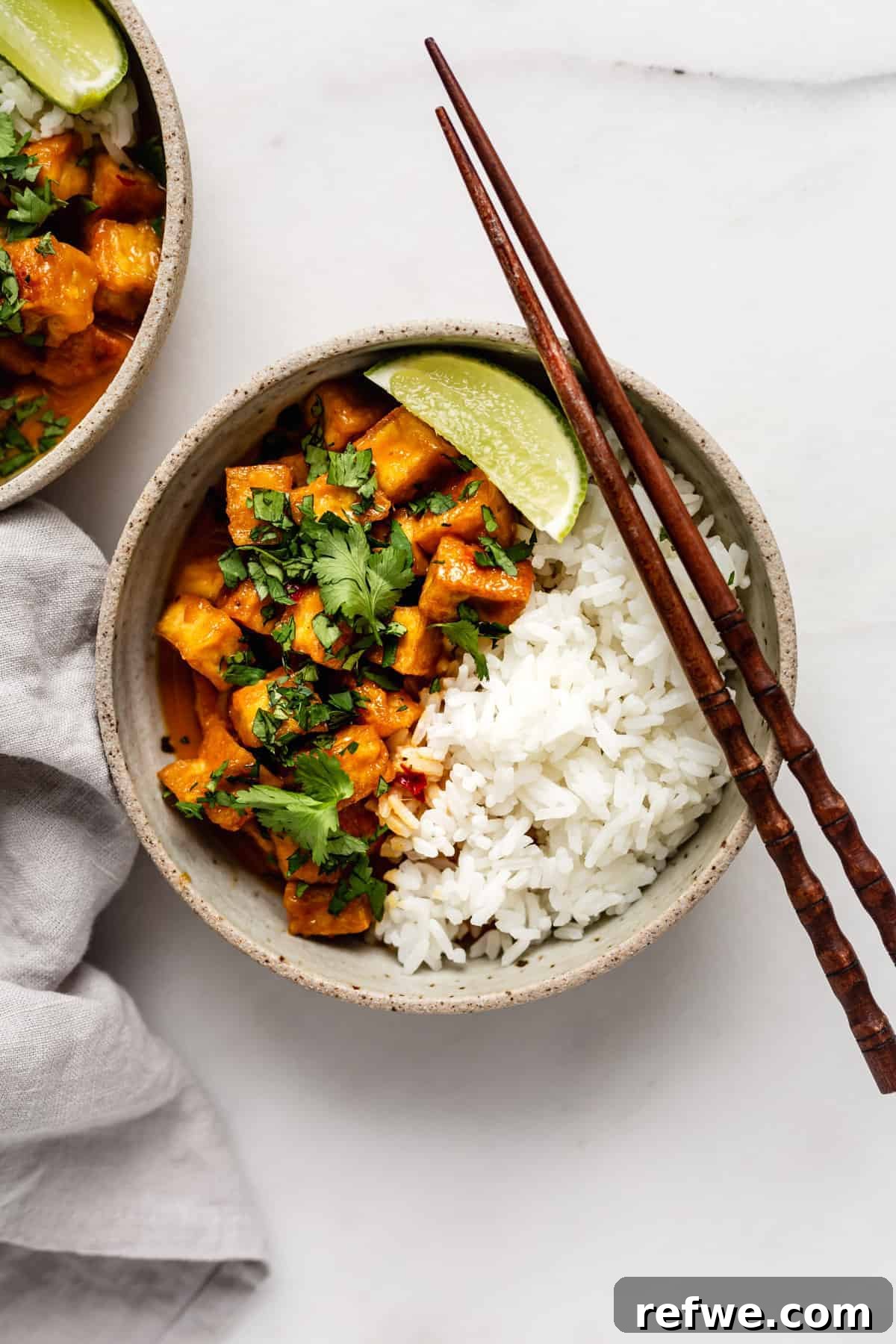
Effortlessly Delicious Vegan Coconut Curry: Your New Favorite Weeknight Meal
Thai cuisine holds a special place in my heart, a vibrant tapestry of sweet, sour, salty, and spicy notes that dance on the palate. It’s a passion reflected in many recipes shared on this blog, from my beloved Vegan Pad Thai to the comforting warmth of Thai Butternut Squash Soup. Today, we’re adding another gem to that collection: a simple yet profoundly flavorful 30-minute Thai Coconut Curry Tofu that is entirely vegetarian, vegan, and gluten-free friendly. You’ll be genuinely amazed at how effortlessly this dish comes to life. All you need are a few essential ingredients, a reliable pan, and a mere half-hour of your time to create a restaurant-quality meal at home.
This recipe is a thoughtful adaptation of traditional Thai red curry, re-imagined with wholesome, plant-based ingredients to ensure it aligns perfectly with a vegan and vegetarian lifestyle without compromising on the authentic, bold flavors Thailand is famous for. It’s a testament to how simple ingredients can transform into something truly extraordinary.
Why This Thai Tofu Curry Will Become Your Go-To Recipe
- Superior to Takeout. Say goodbye to ordering expensive Thai tofu curry for takeout! This homemade version not only tastes just as incredible as your favorite restaurant dish but often surpasses it in freshness and quality. You’ll also save money and have complete control over the ingredients, ensuring a healthier and more personalized meal every time.
- Ready in 30 Minutes Flat. In today’s fast-paced world, quick and easy meal solutions are invaluable. This recipe is designed for maximum efficiency, allowing you to whip up a gourmet Thai-inspired dinner in just 30 minutes. It’s the perfect solution for busy weeknights when you crave something satisfying and flavorful without spending hours in the kitchen.
- Infinitely Customizable. One of the greatest joys of cooking is the ability to adapt a recipe to your preferences. This Thai Coconut Curry Tofu is incredibly versatile. Feel free to incorporate any vegetables you adore, adjust the spice level to your liking, or even experiment with different types of plant-based proteins. It’s a flexible recipe that encourages creativity.
Choosing the Perfect Tofu for Your Curry: Texture Matters
The type of tofu you select can significantly impact the final texture of your curry, offering a range of experiences from firm and crispy to silky smooth. Understanding the differences will help you choose the best option for your desired result. Here’s a breakdown of the common tofu types and what they bring to your dish:
- Extra-Firm Tofu: This is the densest variety, containing the least amount of water. When pressed and pan-fried, extra-firm tofu develops a wonderfully firm exterior and a slightly chewy, satisfying texture, making it ideal for achieving a crispy bite that holds up well in the rich curry sauce.
- Firm Tofu: Similar to extra-firm but with slightly more moisture, firm tofu still browns beautifully and can achieve a pleasing crispness when pan-fried. It offers a texture very close to extra-firm, making it a reliable choice for those who enjoy a bit of chew.
- Medium Tofu: Falling between firm and soft, medium tofu has a more delicate consistency. It won’t become crispy when cooked but is excellent if you prefer a softer, more pillowy texture in your curry. It absorbs flavors readily and can be added directly to the sauce without pre-frying if desired.
- Soft Tofu (Silken Tofu): Known for its silky, custard-like texture, soft tofu is incredibly tender and melts in your mouth. It won’t crisp up and requires delicate handling to prevent it from breaking apart. If you love a velvety texture that blends seamlessly with the sauce, soft tofu is an exquisite choice for this curry.
For this particular recipe, I personally recommend using extra-firm tofu. Its ability to achieve a delightful crispy texture when pan-fried adds a fantastic contrast to the creamy curry sauce, enhancing the overall dining experience. However, the beauty of this dish is its adaptability, so feel free to choose any type of tofu that aligns with your textural preferences.
Essential Ingredients for Your Red Curry Tofu Masterpiece
Crafting this flavorful Thai Coconut Curry Tofu requires a thoughtful selection of ingredients, each playing a crucial role in building the dish’s complex and harmonious flavor profile. Here’s what you’ll need:
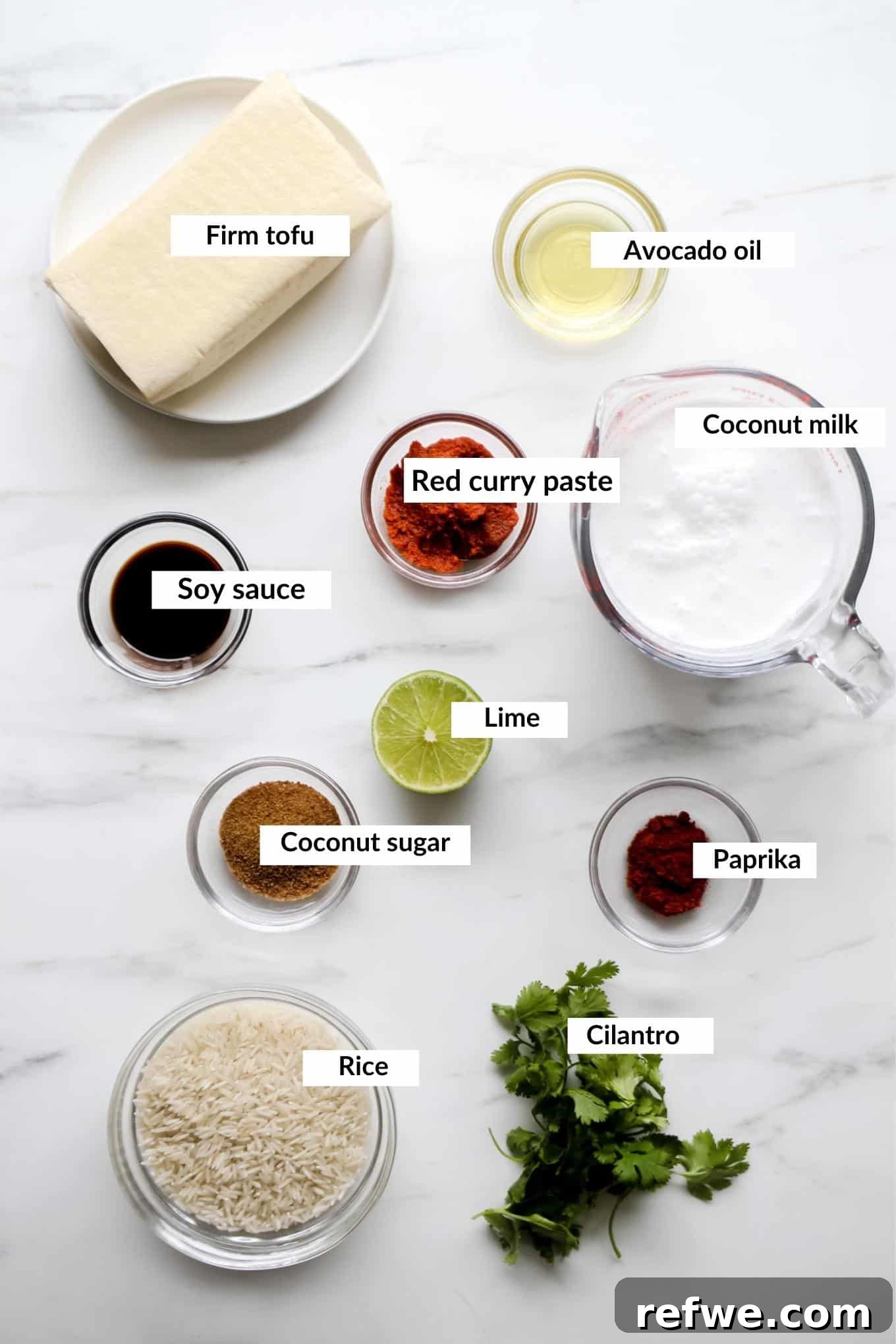
- Extra-Firm Tofu: As the star of our dish, extra-firm tofu provides a satisfying, hearty base. Its sturdy texture is perfect for absorbing the rich curry flavors and crisping up beautifully. If you prefer a more tender, melt-in-your-mouth experience, soft or medium tofu can be a wonderful alternative.
- Avocado Oil: A high-temperature cooking oil like avocado oil is essential for pan-frying the tofu to a golden crisp. Other excellent choices include grapeseed oil or refined coconut oil, which can withstand the heat without imparting unwanted flavors.
- Canned Coconut Milk: This is the cornerstone of our creamy curry sauce. For the richest, most luxurious texture and flavor, I highly recommend using full-fat coconut milk. If you’re looking for a lighter option, light coconut milk can be used, though it will result in a less creamy sauce. Ensure you use canned coconut milk, not the refrigerated beverage variety.
- Thai Red Curry Paste: The heart and soul of this curry! This intensely aromatic paste delivers a punch of authentic Thai flavor. It’s crucial for vegetarians and vegans to carefully check the label, as many brands traditionally contain shrimp paste. Look for brands explicitly labeled “vegan” or “vegetarian” to ensure it’s plant-based. Any extra paste can be used to whip up my Dumpling Bake recipe!
- Soy Sauce: In place of traditional fish sauce, soy sauce provides a savory, umami depth that perfectly complements the curry. If you require a gluten-free option, tamari is an excellent substitute, offering the same rich flavor without the gluten.
- Coconut Sugar: A staple sweetener in Thai cuisine, coconut sugar helps to balance the heat of the curry paste and the acidity of the lime, adding a subtle sweetness that rounds out the flavors beautifully. Maple syrup or agave nectar can be used as alternatives if coconut sugar is unavailable.
- Fresh Lime Juice: A squeeze of fresh lime juice is indispensable, cutting through the richness of the coconut milk and brightening the entire dish with its vibrant, zesty acidity. It’s the finishing touch that ties all the flavors together.
- Paprika (Optional): If you desire a more vivid, deep red color for your curry, a touch of paprika can be added. It primarily contributes to the visual appeal and offers a very mild, earthy note if used sparingly.
Crafting Your Coconut Curry Tofu: A Step-by-Step Guide
Creating this flavorful Thai Coconut Curry Tofu is a straightforward process, broken down into a few simple steps. Follow along to achieve a perfectly cooked, aromatic dish:
Step 1: Prepare the Tofu
Begin by carefully pressing as much liquid as possible out of your extra-firm tofu. This crucial step helps the tofu absorb flavors more effectively and achieve a crispier texture when cooked. Once pressed, cut the tofu block into uniform cubes, roughly 1-inch in size, preparing them for the pan.
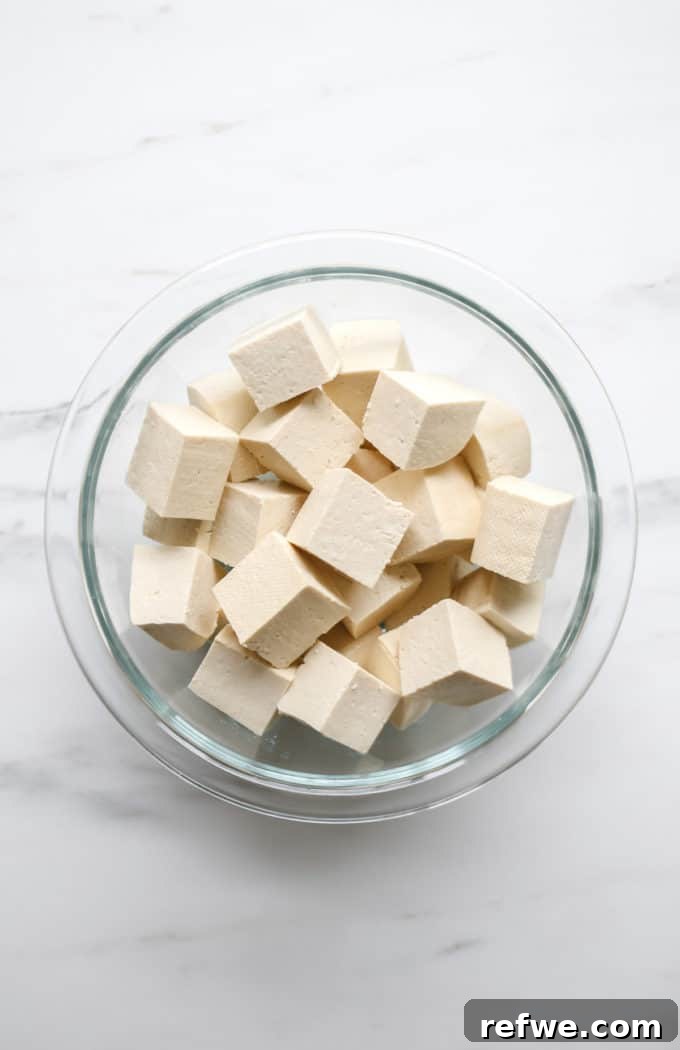
Step 2: Achieve Crispy Tofu
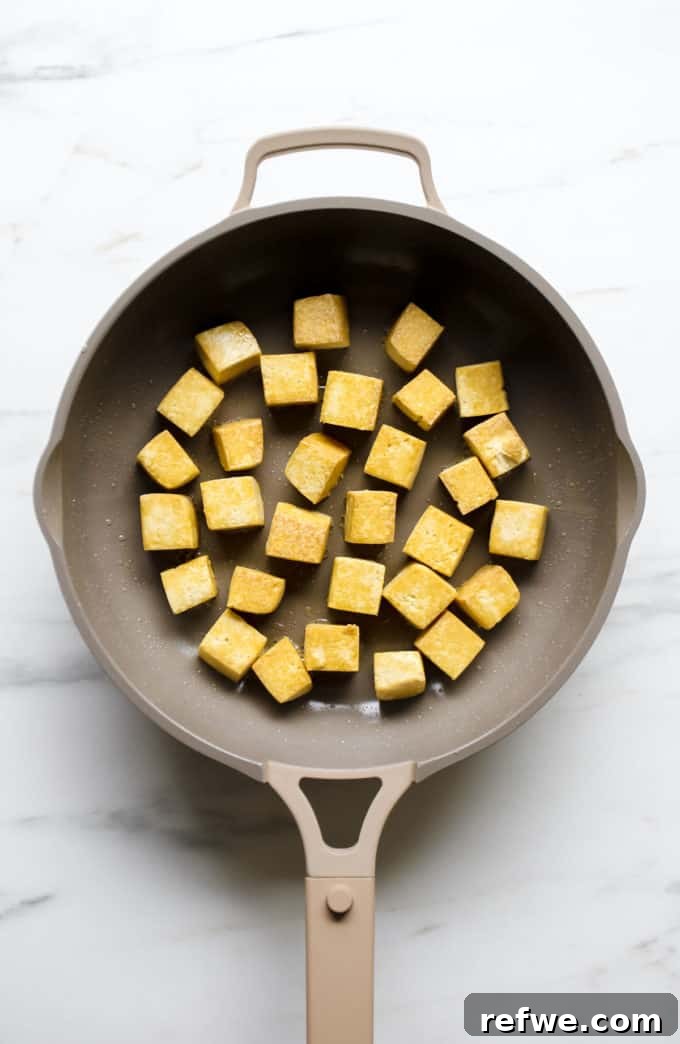
Heat the avocado oil (or your chosen high-temperature cooking oil) in a large non-stick pan over medium-high heat. Once shimmering, add the cubed tofu in a single layer, being careful not to overcrowd the pan. Cook for 3-4 minutes on each side, allowing each surface to turn a beautiful golden brown and develop a delightful crispiness. This pan-frying technique adds an incredible texture to the finished curry.
Step 3: Build the Aromatic Curry Sauce
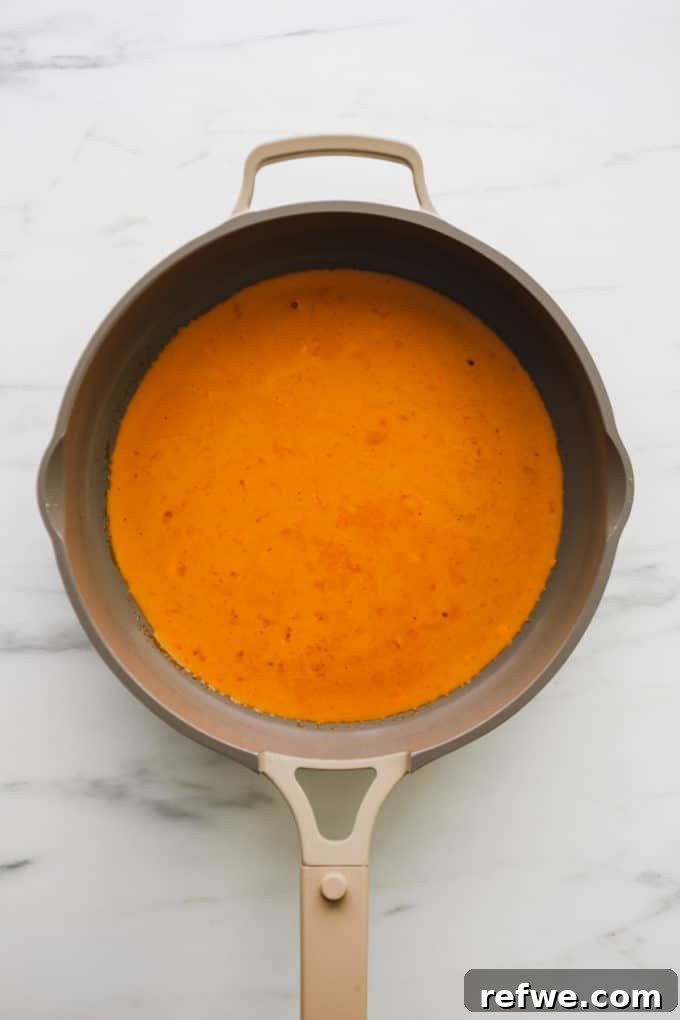
In a separate saucepan, set to medium-high heat, add the Thai red curry paste. Let it toast gently for about 30 seconds, allowing its fragrant oils to release and deepen its flavor – this is known as “blooming” the paste. Then, pour in the creamy coconut milk and stir thoroughly to combine. Bring the mixture to a gentle boil, stirring occasionally, until the sauce begins to thicken slightly, usually within 3-4 minutes. Reduce the heat to low, then incorporate the soy sauce, coconut sugar, fresh lime juice, and paprika (if using), mixing everything until well combined and smooth. Taste the sauce and adjust the seasoning as needed, adding more sugar for sweetness, lime for acidity, or curry paste for extra heat.
Step 4: Combine and Coat
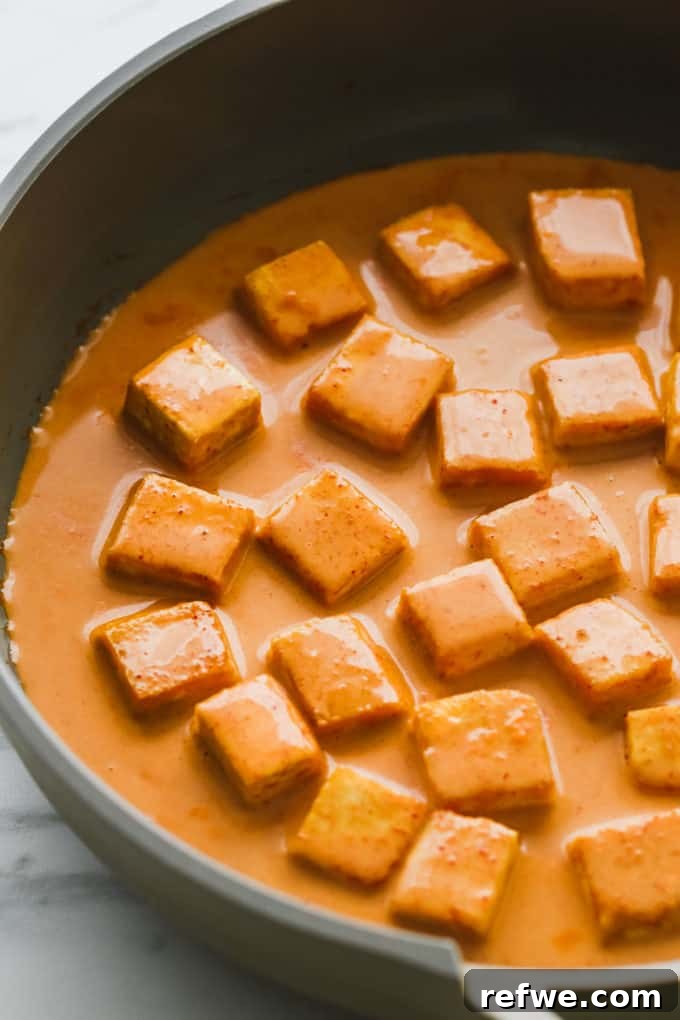
Gently add the beautifully browned tofu cubes to the simmering curry sauce. Stir everything together carefully, ensuring each piece of tofu is thoroughly coated in the luscious, aromatic sauce. Allow the tofu to simmer in the sauce for just a minute or two to absorb the flavors, but avoid overcooking, especially if you desire to maintain its crispiness.
Step 5: Serve and Savor
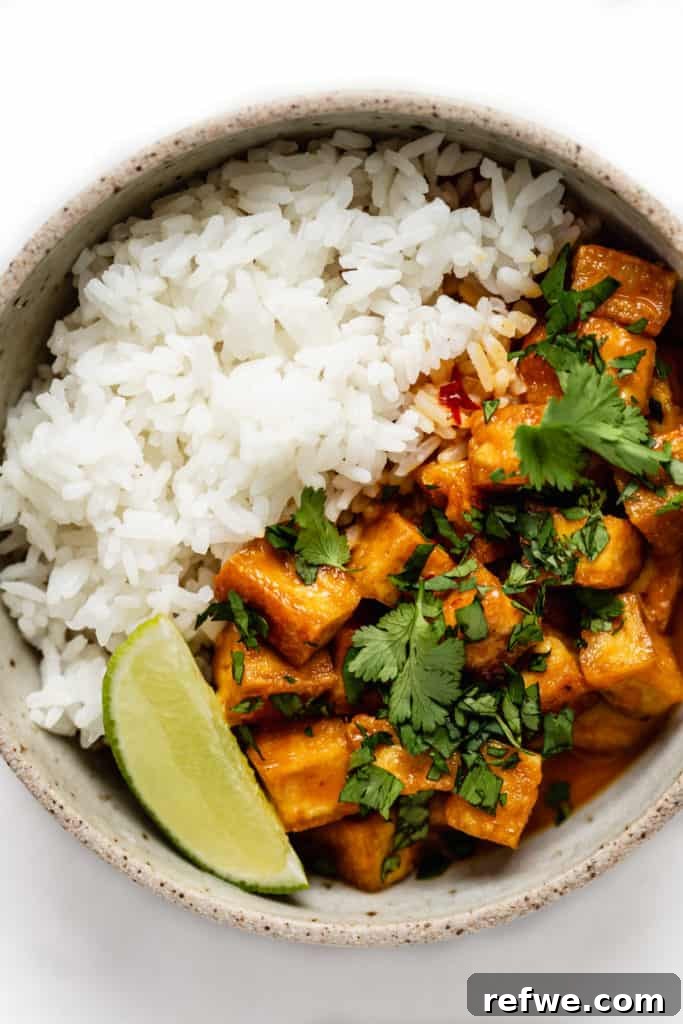
Your Thai Coconut Curry Tofu is best enjoyed immediately for optimal flavor and texture. Serve it warm on its own, or as traditionally done, with a generous portion of fluffy jasmine rice or sticky rice for an authentic Thai experience. A sprinkle of fresh cilantro adds a final touch of freshness and vibrant color. For an extra flourish, consider a wedge of lime on the side for an added burst of citrus. Enjoy this comforting and invigorating plant-based meal!
Enhance Your Curry with a Rainbow of Vegetables
One of the many joys of cooking Thai curry is its incredible adaptability, especially when it comes to incorporating fresh vegetables. Adding more greens and vibrant produce not only boosts the nutritional value of your meal but also introduces diverse textures and flavors. Here are some of my favorite vegetables that beautifully complement this Thai Coconut Curry Tofu, encouraging you to experiment and make the dish truly your own:
- Eggplant: Softens beautifully in the curry, absorbing flavors.
- Cauliflower: Adds a hearty texture and soaks up the sauce.
- Broccoli: Offers a slight crunch and vibrant green color.
- Chinese Broccoli (Gai Lan): A more bitter, leafy green that provides a delightful contrast.
- Snap Peas: For a sweet and crisp bite.
- Green Beans: Tender-crisp and earthy.
- Potato: Adds substance and creaminess as it cooks down.
- Bell Peppers (Red, Yellow, Orange): Introduces sweetness and a beautiful pop of color.
- Carrots: Sliced or julienned, they add a touch of sweetness and subtle crunch.
- Mushrooms (Cremini, Shiitake): Offers an earthy, umami depth.
- Kale or Spinach: Wilted greens that add a healthy boost and mild flavor.
- Bamboo Shoots: Provides a classic Asian texture and subtle sweetness.
- Bok Choy: Delicately crisp stems and tender leaves.
Remember to consider the cooking time of each vegetable. Harder vegetables like carrots, potatoes, and cauliflower should be added earlier to ensure they soften, while quicker-cooking greens like spinach or snap peas can be stirred in towards the end.
Storing and Freezing Leftovers: Enjoy Your Curry Later
This Thai Coconut Curry Tofu is so delicious, you might not have any leftovers! But if you do, it stores remarkably well, making it an excellent meal prep option. Here’s how to properly store and freeze your curry to preserve its flavor and freshness:
Fridge Storage: For short-term storage, transfer any leftover curry to an airtight container. It will keep beautifully in the **refrigerator** for up to **3 days**. To reheat, simply warm it gently in the microwave or in a pan on the stove over medium-low heat until thoroughly heated through. You might want to add a splash of water or coconut milk if the sauce has thickened too much.
Freezer Storage: To enjoy your curry at a later date, allow it to cool completely to room temperature first. Then, transfer it to a freezer-safe airtight container or heavy-duty freezer bags. The curry can be **frozen** for up to **2 months**. When you’re ready to enjoy it again, simply let it thaw overnight in the refrigerator, or on the countertop for a few hours if you’re in a hurry. Reheat it using the same methods as refrigerated leftovers: in the microwave or on the stovetop, adding a little liquid if needed to restore its original consistency.
Expert Tips for Mastering Your Thai Coconut Curry Tofu
Elevate your Thai Coconut Curry Tofu from good to absolutely outstanding with these expert tips, designed to help you achieve perfect results every time:
- Utilize a Quality Non-Stick Pan for Tofu: When cooking your tofu, a good non-stick pan is your best friend. It prevents sticking and ensures even browning. Patience is key here; resist the urge to flip the tofu pieces too quickly. Allow each side to cook undisturbed until it achieves a rich golden-brown crispness before turning. Premature flipping can lead to uneven browning and torn tofu.
- Prioritize Serving for Crispy Tofu: The tofu’s delightful crispiness will naturally diminish the longer it sits in the warm curry sauce. If you cherish that satisfying crispy texture, aim to serve and enjoy your curry immediately after adding the tofu to the sauce. If you prefer a softer texture, then a longer simmer is fine.
- Pre-Cook Vegetables for Optimal Texture: If you’re incorporating additional vegetables into your curry, I highly recommend briefly sautéing them in a separate pan with a touch of oil for 2-3 minutes. This par-cooking step ensures they become slightly tender-crisp before being added to the curry sauce with the tofu. This prevents them from becoming overly soft or soggy and maintains their vibrant color and texture.
- Achieve Your Preferred Sauce Consistency: Traditional Thai coconut curries often feature a looser, more liquid sauce, which is fantastic for soaking into rice. However, if you prefer a thicker, richer sauce, simply boil the curry sauce on medium-high heat, stirring constantly. The sauce will gradually reduce and thicken to your desired consistency. Once thickened, proceed with adding the tofu and any pre-cooked vegetables.
Frequently Asked Questions About Vegan Coconut Curry
While coconut milk is a foundational ingredient, imparting a creamy richness, the overall flavor profile of coconut curry is incredibly complex and well-balanced. The robust spices from the curry paste, the savory notes from soy sauce, and the bright acidity of lime largely dominate, resulting in a very mild coconut flavor. It’s more about the texture and depth the coconut milk provides than an overt coconut taste. However, if you have a strong aversion to even subtle coconut notes, this curry might not be your ideal choice, though many who are generally not fond of coconut enjoy it.
Most coconut curries as we recognize them, especially those featuring a thin, fragrant sauce with a vibrant color, are predominantly Thai. Thai cuisine frequently utilizes coconut milk as a base for its curries, creating rich and aromatic dishes. In contrast, traditional Indian curries often rely on dairy products like ghee (clarified butter) or cream for richness, or water/broth with a blend of dry-roasted spices, resulting in a distinct flavor and texture profile.
It’s not strictly “necessary” to cook tofu before adding it to curry, especially if you’re using softer varieties or prefer a very tender texture. However, for firm or extra-firm tofu, pan-frying it beforehand significantly enhances the dish. Pre-cooking caramelizes the exterior, creates a desirable crispy texture, and allows the tofu to hold its shape better in the sauce, resulting in a much more enjoyable eating experience. If using soft tofu, you can typically add it directly to the simmering curry as it’s too delicate to fry.
No, I strongly advise against substituting curry powder for curry paste in this recipe. Curry paste and curry powder are fundamentally different ingredients, each with unique compositions and flavor profiles. Curry paste is a concentrated blend of fresh, wet ingredients like chilies, lemongrass, galangal, and other aromatics, resulting in a vibrant and pungent flavor with moisture. Curry powder, on the other hand, is made from dried, ground spices and tends to have a milder, earthier flavor. Using curry powder instead of paste would drastically alter the authentic Thai taste and texture of the final dish, creating a completely different culinary experience.
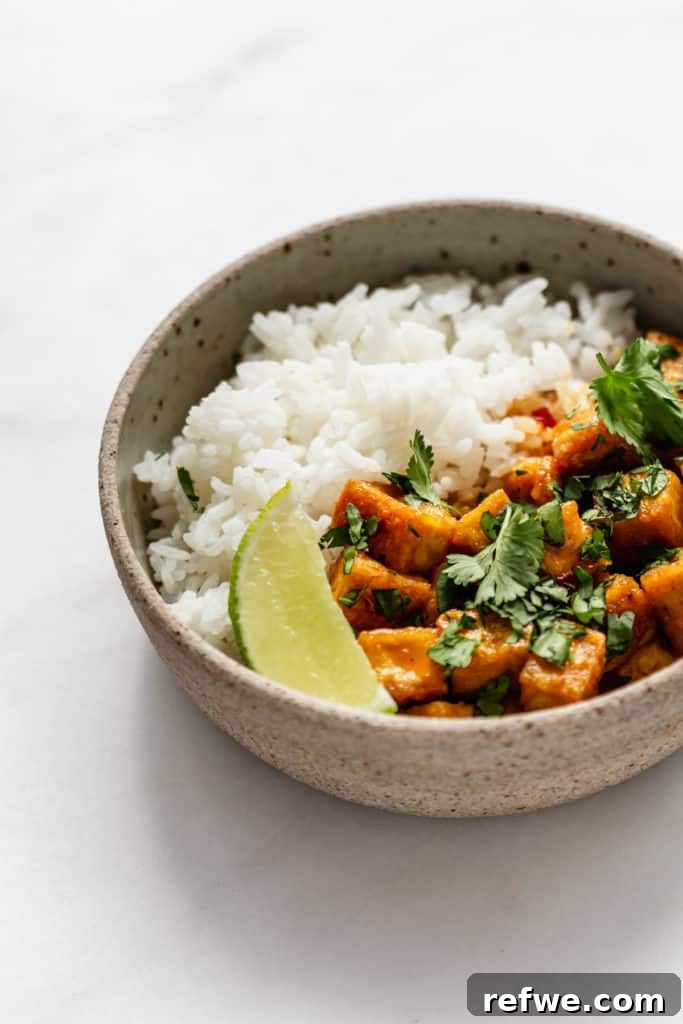
If you’ve had the pleasure of trying this Thai Coconut Curry Tofu or any other recipe from the blog, I’d love to hear your thoughts! Please share your experience by leaving a comment and rating below. Your feedback helps me create more delicious content. And for an ongoing stream of healthy and mouth-watering recipes, be sure to follow along on Pinterest, Instagram, and Facebook!
Print Recipe
Thai Coconut Curry Tofu
- Author: Jessica Hoffman
Prep Time: 15 minutes
Cook Time: 15 minutes
Total Time: 30 minutes
Yield: 4 servings
Category: Main
Method: Cook
Cuisine: Thai
Diet: Vegan
Description
This vibrant and flavorful Thai Coconut Curry Tofu comes together in just 30 minutes, brimming with authentic Thai flavors. It’s a quick, easy, and satisfying vegan meal perfect for any day of the week!
Ingredients
- 1 pack extra-firm tofu, drained and cut into cubes
- 2–3 tbsp avocado oil (or any other high cooking temperature oil)
- 2 tbsp Thai red curry paste (ensure vegan)
- 14oz can full-fat coconut milk
- 1 tbsp soy sauce (use tamari for gluten-free)
- 1 tbsp coconut sugar (can substitute maple syrup or agave for vegan)
- Juice of 1/2 a fresh lime
- 1 tsp paprika (optional, for color)
- Jasmine rice or sticky rice, fresh cilantro, for serving.
Instructions
- Heat the avocado oil in a large non-stick pan on medium-high heat until shimmering.
- Add the pressed and cubed tofu to the pan in a single layer. Cook for 3-4 minutes on each side, allowing it to turn golden brown and crispy. Remove from pan and set aside.
- In a separate saucepan, heat on medium-high heat. Add the Thai red curry paste and toast for 30 seconds to release its aroma. Then, pour in the coconut milk and stir well to combine.
- Bring the coconut milk mixture to a gentle boil, stirring constantly for 3-4 minutes, allowing the sauce to thicken slightly.
- Reduce the heat to low. Stir in the soy sauce, coconut sugar, fresh lime juice, and paprika (if using), mixing everything until smooth. Taste and adjust seasonings to your preference.
- Gently add the cooked tofu to the pan with the curry sauce and mix together until the tofu is evenly coated.
- Serve the Thai Coconut Curry Tofu immediately with jasmine rice or sticky rice, garnished with fresh cilantro for the best taste.
Notes
Store any leftover curry in an airtight container in the fridge for up to 3 days. For longer storage, it can be frozen for up to 2 months.
Feel free to customize this curry by adding your favorite vegetables like bell peppers, broccoli, or snap peas. For best results, lightly sauté tougher vegetables before adding them to the curry sauce.
Nutrition
- Serving Size: 1/4 of recipe
- Calories: 250
- Sugar: 3g
- Sodium: 500mg
- Fat: 25g
- Carbohydrates: 7g
- Fiber: 1g
- Protein: 5g