
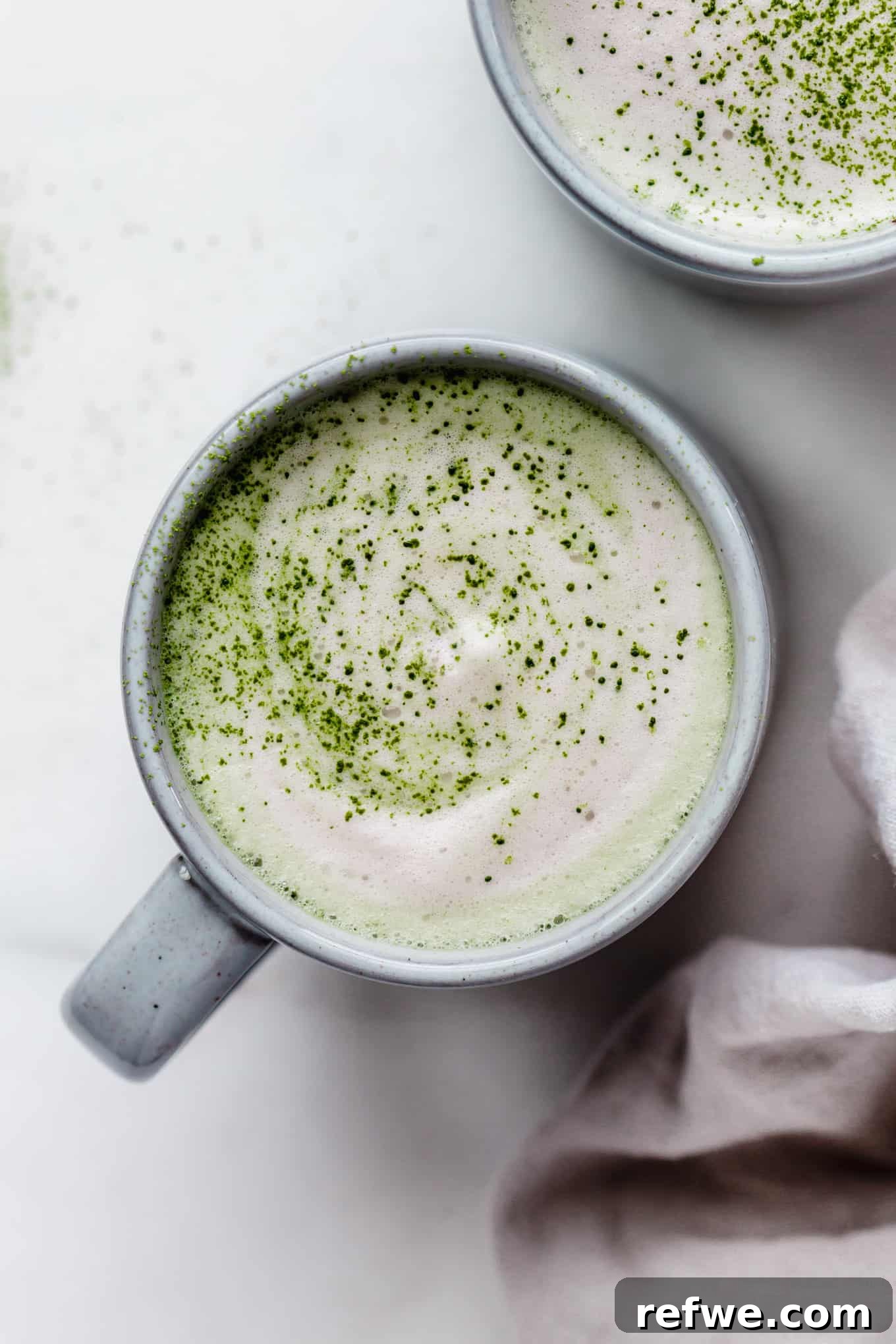
Craving a vibrant, energizing beverage that goes beyond your daily coffee? This incredibly simple homemade matcha latte recipe is your answer, whisking you away to a state of calm focus in just 5 minutes. It’s the perfect, antioxidant-packed, and dairy-free alternative to your morning cup, offering sustained energy without the jitters. Get ready to transform your daily ritual with this healthy and delicious green tea masterpiece.
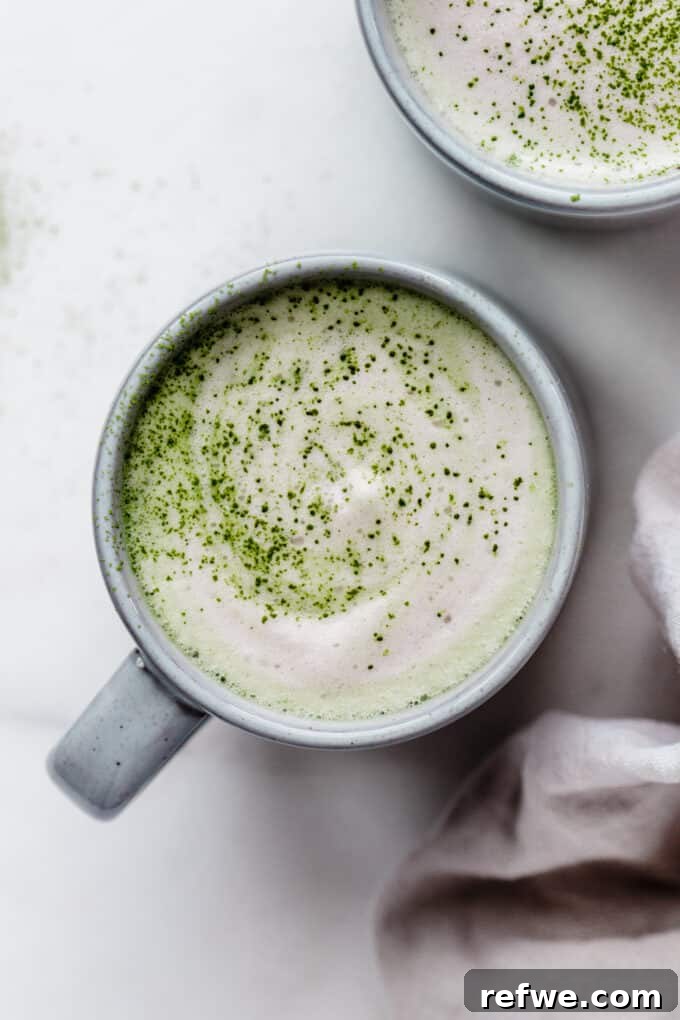
What is Matcha Green Tea? Unveiling the Emerald Elixir
Matcha green tea is not just any green tea; it’s a centuries-old Japanese tradition steeped in wellness and meditative practices. Unlike conventional green teas, which are steeped from whole leaves and then discarded, matcha is a fine powder made from specially grown and processed tea leaves. This unique method means you consume the entire tea leaf, unlocking a concentrated dose of its remarkable nutrients and benefits.
The journey of matcha begins weeks before harvest, when tea plants are shaded from direct sunlight. This crucial step boosts chlorophyll production, enhancing the tea’s vibrant green color and increasing its amino acid content, particularly L-Theanine. After harvest, the leaves are steamed, dried, and then stone-ground into the vivid powder we know as matcha. Sourced primarily from regions like Uji and Nishio in Japan, authentic matcha offers a superior taste and a powerful nutritional profile, brimming with antioxidants like EGCG. While it does contain more caffeine than typical green tea, the presence of L-Theanine creates a unique “calm alertness” – a focused energy without the anxious edge often associated with coffee.
This exquisite green tea powder, sometimes simply referred to as green tea powder, is becoming increasingly accessible. You can find high-quality matcha at many online retailers, including Amazon, or at your local health food store. Always check the origin to ensure you’re getting genuine Japanese matcha.
Why You’ll Fall in Love with This Homemade Green Tea Latte
Beyond its stunning color and unique flavor, there are countless reasons why this homemade matcha latte will become your new favorite beverage:
- Effortlessly Easy & Quick to Prepare. Say goodbye to complicated barista techniques! This homemade matcha green tea latte is incredibly simple to make, requiring minimal effort and taking just 5 minutes from start to sip. It’s perfect for busy mornings or a quick afternoon pick-me-up.
- A Savvy & Budget-Friendly Choice. We all know the rising cost of a daily latte at popular coffee shops like Starbucks. By making your own matcha latte at home, you’ll save a significant amount of money over time. It’s not just cheaper; it also allows you to control the ingredients for a healthier, more personalized drink.
- The Ideal Coffee Alternative for Sustained Energy. If you’re seeking to reduce your coffee intake or simply desire a different kind of energy boost, matcha is an excellent choice. It provides a clean, sustained energy lift without the common jitters, crash, or acidity often associated with coffee. Thanks to L-Theanine, matcha promotes a state of relaxed alertness, improving focus and concentration throughout your day.
- Packed with Powerful Antioxidants. As you’re consuming the entire tea leaf, matcha delivers a remarkable concentration of antioxidants, particularly catechins like EGCG. These powerful compounds help combat free radicals, support cellular health, and contribute to overall well-being.
- Naturally Dairy-Free & Customizable. This recipe is naturally dairy-free, making it suitable for those with dietary restrictions or preferences. Plus, it’s incredibly versatile, allowing you to customize the sweetness, milk type, and even add your favorite flavorings.
Ceremonial vs. Culinary Matcha: Choosing the Right Grade for Your Latte
When you start exploring the world of matcha, you’ll inevitably encounter terms like “ceremonial grade” and “culinary grade.” Understanding the distinction between these two main varieties is key to achieving the best possible taste and experience, especially for your latte.
- Ceremonial Matcha: This is the pinnacle of matcha quality, specifically cultivated and processed for traditional tea ceremonies and daily consumption as a beverage. Made from the youngest, most tender tea leaves from the first flush (the first harvest of the year), ceremonial grade matcha boasts an exceptionally smooth, sweet, and umami-rich flavor profile. It has a remarkably fine texture that dissolves beautifully, creating a creamy mouthfeel. A key indicator of its superior quality is its vibrant, almost emerald-green color. This grade is typically reserved for drinking straight as tea or in lattes, where its delicate nuances can truly shine.
- Culinary Matcha: As the name suggests, culinary grade matcha is designed for use in cooking, baking, and blending. It’s often made from more mature tea leaves or from later harvests, resulting in a slightly less vibrant color, a coarser texture, and a more robust, sometimes slightly bitter, flavor. While still a healthy and flavorful ingredient, its stronger taste and lower price point make it ideal for recipes where its flavor is meant to complement or be balanced by other ingredients. Think about delicious matcha energy balls, matcha muffins, or matcha-flavored desserts.
For crafting the perfect matcha latte, I wholeheartedly recommend using ceremonial-grade matcha. Its smooth flavor and creamy texture will elevate your latte experience. However, if culinary-grade is what you have on hand, don’t hesitate to use it! It will still produce a delicious and wholesome latte, perhaps with a slightly bolder, earthier taste.
Essential Ingredients for Your Homemade Matcha Latte
Creating an exquisite matcha latte at home requires just a few simple, high-quality ingredients. Here’s a breakdown of what you’ll need to brew your perfect cup:
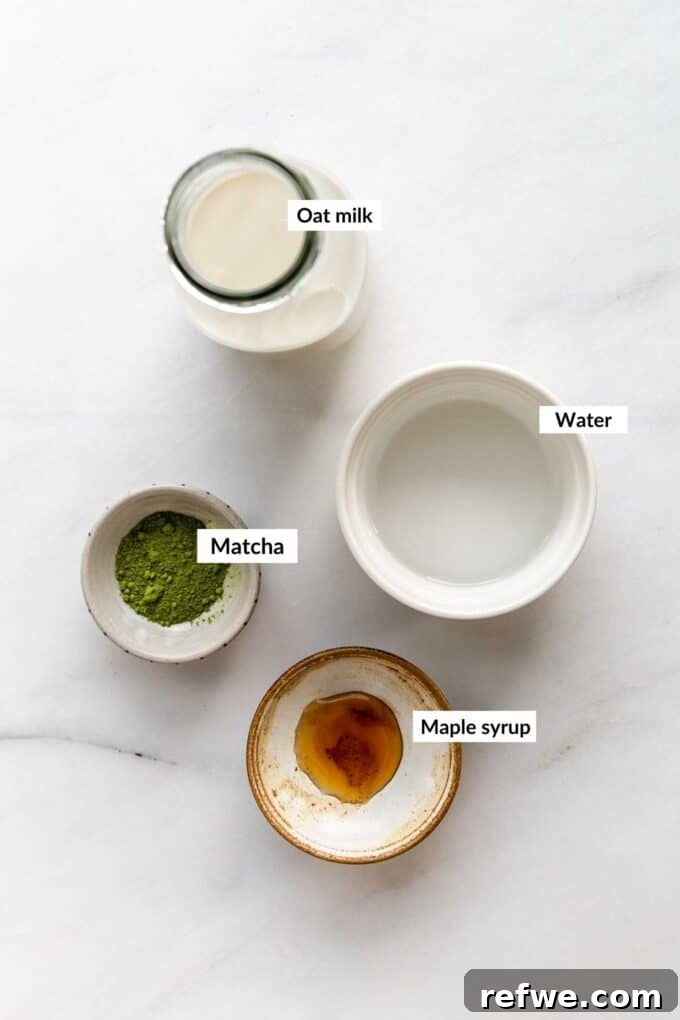
- Matcha Powder: As discussed, ceremonial-grade matcha is highly recommended for its superior taste, smoother texture, and vibrant color, ensuring the best possible latte experience. Its delicate flavor truly shines when consumed as a beverage.
- Hot Water: Clean, filtered water is essential. The ideal temperature for matcha is crucial – around 175°F (80°C). Water that’s too hot can burn the delicate matcha, resulting in a bitter taste, while water that’s too cool won’t allow it to dissolve properly.
- Maple Syrup (or your preferred sweetener): This adds a touch of natural sweetness, balancing matcha’s earthy notes. You can adjust the amount to your liking or omit it entirely if you prefer an unsweetened latte. Other great alternatives include honey, agave nectar, date syrup, or a sugar substitute like stevia or erythritol.
- Oat Milk (or your favorite plant-based milk): Oat milk is a fantastic choice for lattes due to its naturally creamy texture and ability to froth beautifully, mimicking traditional dairy milk. However, feel free to use any milk you prefer – almond milk, soy milk, coconut milk, or even dairy milk all work wonderfully. Look for “barista blend” varieties for optimal frothing.
- Vanilla Extract (Optional, but highly recommended): A dash of pure vanilla extract adds a comforting warmth and subtle depth of flavor that complements the matcha beautifully. While completely optional, it truly elevates the latte experience.
How to Make the Perfect Matcha Latte: A Step-by-Step Guide
Crafting a delicious matcha latte at home is a straightforward process. Follow these simple steps to enjoy your perfect cup in minutes:
Step 1: Prepare Your Matcha Base
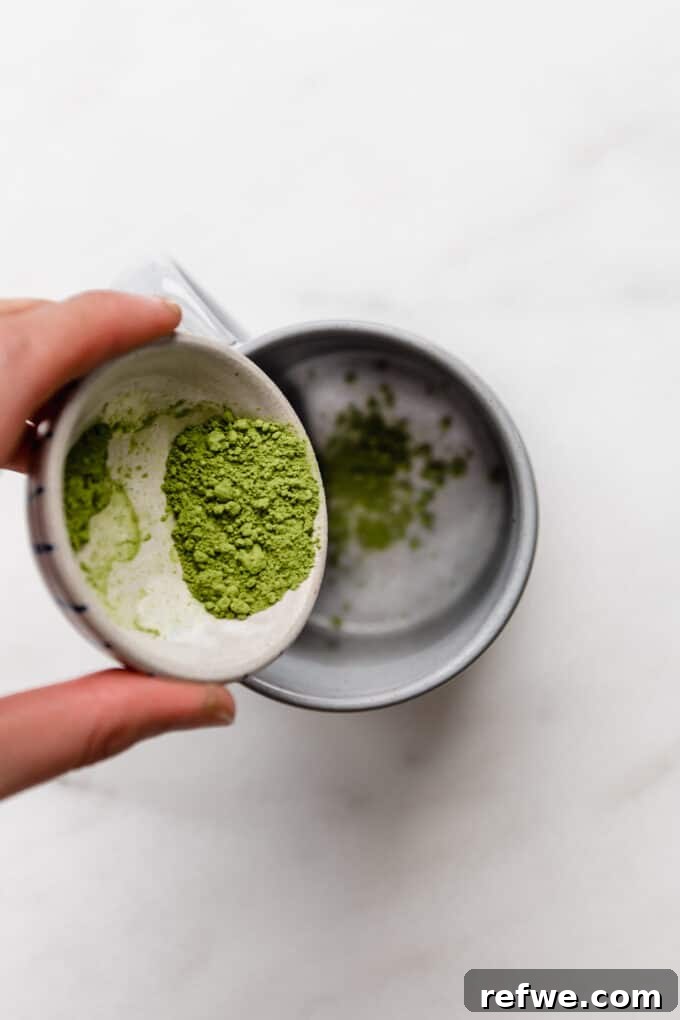
Begin by adding one teaspoon of high-quality matcha powder directly into your mug. For an extra smooth and clump-free consistency, you can sift the matcha powder through a fine-mesh strainer first. This helps to break up any tiny clumps and ensures a smoother whisking process.
Step 2: Whisk the Matcha and Sweeten
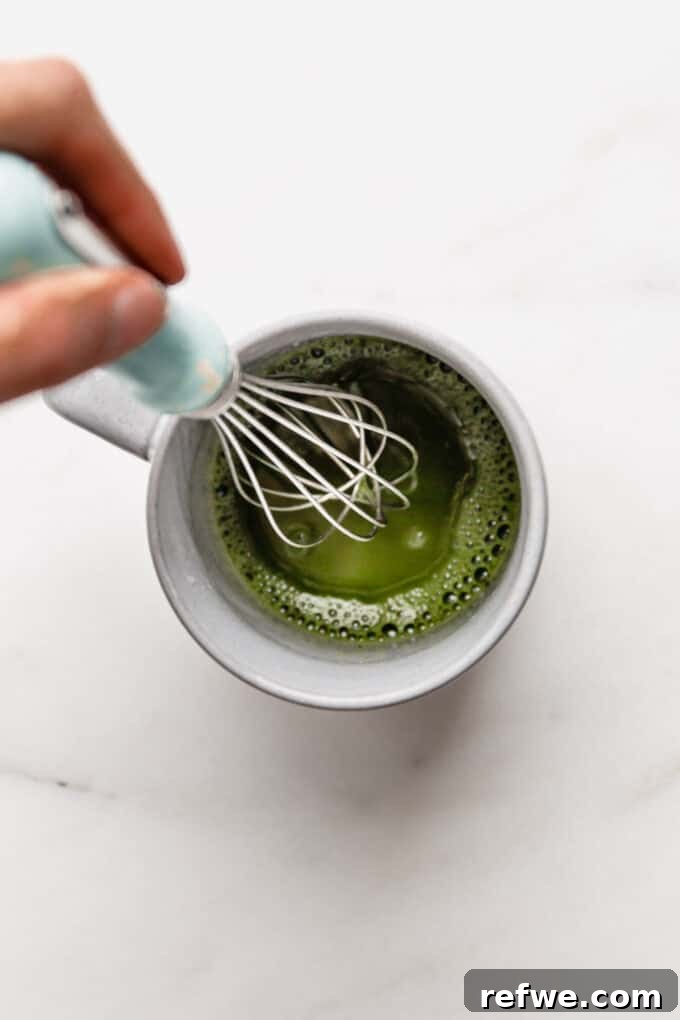
Heat about 1/2 cup of water to approximately 175-180°F (80-82°C) – just below boiling. Add this hot water to your mug with the matcha powder. Using a small whisk (a traditional bamboo whisk, or “chasen,” is ideal, but a small regular whisk or even an electric frother works well), whisk the matcha powder and water together vigorously. Aim for a quick “M” or “W” motion to break up any lumps and create a smooth, slightly frothy liquid. Continue whisking until the matcha is fully dissolved and a thin layer of tiny bubbles forms on the surface.
Once whisked, stir in the maple syrup (or your chosen sweetener) and vanilla extract (if using) until fully combined. Taste and adjust sweetness as needed.
Tip: A bamboo whisk (chasen) creates the best froth and blends matcha most effectively, but a small kitchen whisk or an electric handheld frother are excellent alternatives for homemade convenience.
Step 3: Froth and Combine with Milk
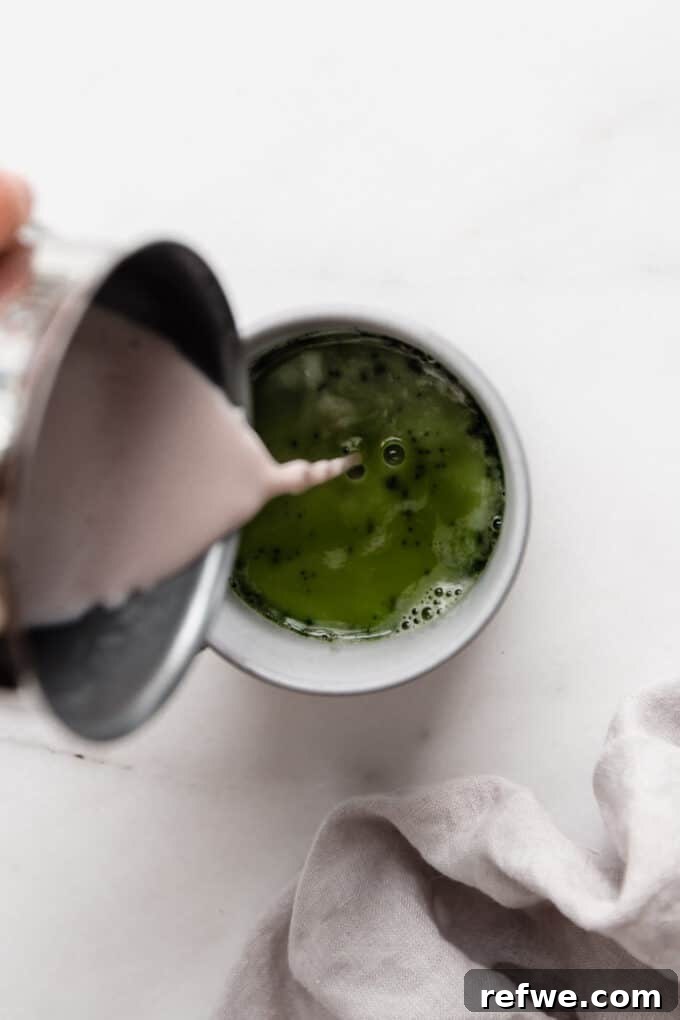
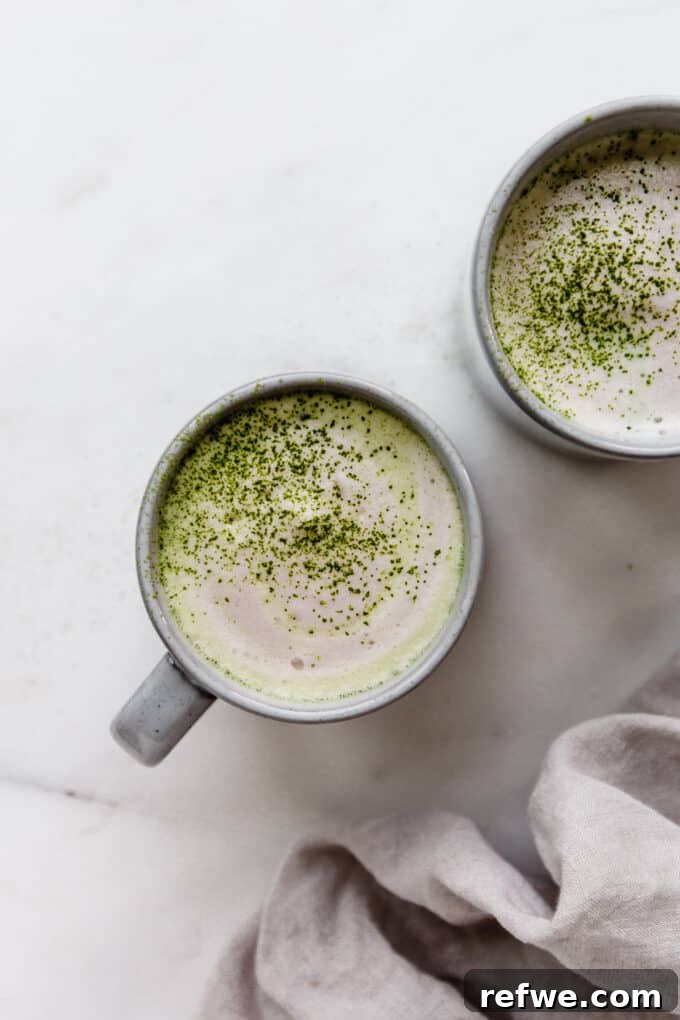
Now, prepare your milk. If you’re frothing the oat milk, add 1/2 cup of milk to a dedicated milk frother and heat/froth until it reaches your desired creamy consistency and temperature. If you don’t have a frother, simply heat the milk in a small pot on the stove over medium heat until it’s hot but not boiling, then whisk vigorously by hand to create some foam. Once your milk is ready, gently pour the frothed oat milk into the mug with your prepared matcha base. Stir lightly to combine the layers, and enjoy your perfectly crafted homemade matcha latte immediately!
Tip: I highly recommend this milk frother for both frothing and heating your plant-based milk to perfection.
Delicious Matcha Latte Recipe Variations to Explore
One of the best things about making your own matcha latte is the freedom to customize it to your personal taste and mood. Here are a few popular variations to try:
- Iced Matcha Latte: A Refreshing Twist: On warmer days, or if you simply prefer your lattes chilled, an iced matcha latte is incredibly refreshing. Whisk together the matcha powder, hot water, maple syrup, and vanilla as usual (the hot water helps the matcha dissolve fully). Then, pour this concentrated matcha mixture into a large glass filled with plenty of ice. Instead of heating the oat milk, simply pour cold milk directly into the glass over the ice. Stir, and enjoy a cool, invigorating treat.
- Flavored Matcha Latte: Elevate Your Taste Buds: If you enjoy specialty lattes from coffee shops, you can easily replicate them at home. Add a pump of your favorite syrup to the matcha latte – popular choices include vanilla bean, hazelnut, caramel, lavender, or even a hint of peppermint for a seasonal touch. Experiment with different extracts as well, such as almond or rosewater, for a unique twist.
- Matcha Smoothie: A Power-Packed Meal: Turn your latte into a nourishing smoothie. Blend the prepared matcha concentrate with your chosen milk, a frozen banana for creaminess, a handful of spinach (you won’t taste it!), and a scoop of protein powder for a filling and energizing breakfast or snack.
- Matcha Shot: Quick Energy Boost: For a potent and quick burst of energy, prepare a concentrated matcha shot. Use 1 teaspoon of matcha powder with only 2-3 ounces of hot water, whisking vigorously. Enjoy it straight or add a tiny splash of sweetener.
Matcha Latte Expert Tips for a Perfect Brew
Achieving a truly exceptional homemade matcha latte is easy when you keep a few expert tips in mind:
- Verify the Origin: Choose Japanese Matcha. For genuine quality and authentic flavor, always ensure your matcha powder is produced in Japan. Japanese matcha is renowned for its superior cultivation and processing methods. Check the product label to confirm its origin; this is a clear indicator of authenticity and quality.
- Look for Vibrant Green Color. A tell-tale sign of high-quality ceremonial grade matcha is its brilliant, vivid green hue. This rich color comes from the shade-growing process, which maximizes chlorophyll content. If your matcha powder appears dull, pale, or yellowish-green, it may be a lower grade or an older batch, which can result in a less flavorful and more bitter latte.
- Adjust Matcha Powder to Your Taste. Everyone has a different preference for matcha intensity. While 1 teaspoon is a standard starting point, feel free to experiment. You might prefer a milder flavor with 1/2 teaspoon or a bolder, more potent latte with up to 2 teaspoons of matcha powder per serving.
- Opt for “Barista Blend” Plant-Based Milk. If you’re using oat milk or another type of plant-based milk and desire a rich, frothy texture, look for varieties labeled “barista blend” or “for baristas.” These formulations are specifically designed to froth and create stable foam, unlike some regular plant-based milks that may not froth effectively.
- The Importance of Water Temperature. As mentioned in the recipe, using water that is too hot (boiling) can “burn” the delicate matcha, extracting bitterness. Water that is too cold won’t allow the powder to dissolve properly. Aim for 175-180°F (80-82°C) for the best flavor extraction and smooth consistency.
- Sift Your Matcha for Smoothness. For the silkiest latte possible, always sift your matcha powder through a fine-mesh strainer before adding water. This simple step prevents clumps and ensures a perfectly smooth, velvety texture.
- Store Matcha Properly. Matcha is sensitive to light, heat, and air. To preserve its vibrant color, fresh flavor, and nutritional potency, store your matcha in an airtight container in a cool, dark place, ideally in the refrigerator, once opened.
Frequently Asked Questions About Matcha Lattes
Both matcha and coffee offer unique health benefits, and the choice often comes down to personal preference and how you react to each. However, matcha is generally considered a healthier option by many, especially if you’re looking for a beverage with a gentler caffeine release and lower acidity. Matcha contains L-Theanine, an amino acid that promotes a state of calm alertness, mitigating the typical coffee jitters and crashes. It’s also packed with powerful antioxidants, far more than standard coffee, contributing to cellular health and overall well-being. For those sensitive to coffee’s acidity or seeking a more sustained energy without the rapid peak and trough, matcha is an excellent alternative.
The caffeine content in a matcha latte can vary depending on the amount and quality of matcha powder used. Generally, one teaspoon (approximately 2 grams) of matcha powder contains about 60-70 mg of caffeine. In comparison, a standard 8-ounce cup of brewed coffee typically contains around 95-100 mg of caffeine. So, a matcha latte usually has slightly less caffeine than a cup of coffee, but the L-Theanine in matcha alters how your body processes that caffeine, leading to a smoother, longer-lasting energy boost without the sharp peak and subsequent crash.
Matcha is a powerhouse of health benefits! Since you consume the entire tea leaf, you get a concentrated dose of antioxidants, particularly catechins like EGCG, which fight cell damage. It boosts metabolism and fat burning, enhances brain function, improves memory and attention (thanks to L-Theanine), and can help protect the liver. Matcha also detoxifies the body due to its high chlorophyll content and can even boost immunity.
Yes, many people safely enjoy matcha daily! In fact, incorporating it into your daily routine can allow you to experience its cumulative health benefits. Just like with any caffeinated beverage, moderation is key. If you’re sensitive to caffeine, start with a smaller serving or consume it earlier in the day to avoid disrupting sleep. Listen to your body and adjust as needed.
High-quality ceremonial grade matcha has a unique and complex flavor profile that is distinct from regular green tea. It is characterized by a fresh, grassy, slightly sweet, and creamy taste with prominent umami notes. It should be smooth and lack bitterness. Lower quality matcha or culinary grade might have a more astringent or bitter taste. The presence of L-Theanine contributes to its characteristic umami and mellow, soothing finish.
More Cozy Drinks to Savor and Enjoy
If you’ve enjoyed the comforting embrace of this homemade matcha latte, you might love exploring other warm and inviting beverages that nourish the body and soul. Here are a few more delightful recipes to add to your collection:
- Turmeric Latte: A vibrant, anti-inflammatory “golden milk” perfect for winding down.
- Vegan Pumpkin Spice Latte: Capture the essence of autumn with this dairy-free classic.
- Chai Tea Latte: A spiced, aromatic brew that’s both invigorating and soothing.
- Hibiscus Rose Latte: A beautifully floral and refreshing latte, offering a unique flavor experience.
If you tried this Homemade Matcha Latte Recipe or any other recipe on the blog, I’d love to hear from you! Please let me know how you liked it by leaving a comment and rating below. Be sure to follow along on Pinterest, Instagram, and Facebook for even more delicious and healthy inspiration!
Print Recipe
5-Minute Homemade Matcha Latte
- Author: Jessica Hoffman
- Prep Time: 5 minutes
- Cook Time: 0 minutes
- Total Time: 5 minutes
- Yield: 1 serving
- Category: Drink
- Method: Boil
- Cuisine: Japanese
- Diet: Vegan, Dairy-Free
Description
A simple, invigorating, and creamy homemade matcha latte that’s ready to enjoy in just 5 minutes. Perfect as a healthy coffee alternative!
Ingredients
Units
- 1 tsp ceremonial grade matcha powder (sifted for best results)
- 1/2 cup hot water (ideally 175-180°F or 80-82°C)
- 1 tsp maple syrup (or other sweetener, to taste)
- 1/4 tsp vanilla extract (optional, for added depth)
- 1/2 cup oat milk* (or your preferred plant-based milk; “barista blend” for best frothing)
Instructions
- Add the sifted matcha powder to a mug. Pour in the hot water (175-180°F), then add the maple syrup and vanilla extract (if using). Whisk vigorously with a bamboo whisk or small frother until the matcha is fully dissolved and a light froth forms on top.
- If you wish to froth your milk, heat the oat milk in a milk frother until warm and frothy. Alternatively, heat the milk in a small pot on the stove over medium heat until hot, then whisk by hand to create some foam.
- Carefully pour the frothed (or simply heated) oat milk into the mug with the matcha mixture. Stir gently to combine the layers. Serve immediately and enjoy your delicious homemade matcha latte!
Notes
*For best frothing results with plant-based milk, always choose a brand that specifically states “barista blend” or “barista edition.” These milks are formulated to create a richer, more stable foam, similar to dairy milk. Not all regular plant-based milks will froth effectively.
Nutrition
- Serving Size: 1 latte
- Calories: 88
- Sugar: 12g
- Fat: 1g
- Carbohydrates: 15g
- Fiber: 2g
- Protein: 3g