
The Ultimate Beginner’s Guide to Meal Planning: Transform Your Eating Habits & Save Time
As the holiday season fades and we settle into the new year, many of us find ourselves reflecting on our health and lifestyle goals. Eating healthier, establishing a consistent routine, and finding more efficient ways to manage our time in the kitchen often top the list. While grand New Year’s resolutions can sometimes feel overwhelming, focusing on practical, sustainable habits like meal planning can make a significant difference.
One of the most effective strategies for achieving these aspirations is meal preparation. By dedicating a bit of time upfront, you can dramatically reduce daily cooking stress, make healthier food choices more accessible, and reclaim precious hours throughout your week. If you’re new to the world of meal prepping, this comprehensive guide is designed to equip you with essential tips and strategies to make the process not just manageable, but truly enjoyable and incredibly effective.
Meal planning is far more than just deciding what you’ll eat; it’s a powerful tool for streamlining your life. It helps prevent last-minute, unhealthy takeout orders, significantly cuts down on food waste, and can even lead to substantial savings on your grocery bill. Whether you choose to utilize advanced meal planning programs that personalize your weekly menus and grocery lists or prefer a more hands-on approach, the foundational principles remain the same. This article will share our top 7 actionable tips for beginners, empowering you to embark on your meal planning journey today and experience its transformative benefits firsthand.
7 Essential Meal Planning Tips for Beginners: Your Roadmap to Success
1. Sit Down and Strategically Plan Your Meals for the Week
The cornerstone of successful meal planning is a well-thought-out weekly menu. This step involves more than just jotting down random ideas; it’s about creating a structured approach to your eating. Begin by considering your upcoming schedule: do you have late nights at work, social engagements, or busy evenings when quick meals will be essential? Factor in everyone’s preferences and any dietary requirements within your household. While some people prefer to plan every single meal from breakfast to dinner, a simpler approach for beginners is to focus primarily on dinner recipes. For breakfast and lunch, you can often simplify by rotating a few favorite, easy-to-prepare options, or even eating the same thing for a few consecutive days. This provides structure without overwhelming you, ensuring you always have a delicious, healthy meal to look forward to.
Tools for this step can range from a simple pen and paper to digital apps and printable templates. What matters most is finding a method that works for your lifestyle and that you can consistently stick to. A well-planned menu prevents decision fatigue and impulse eating, setting you up for a week of balanced nutrition and culinary satisfaction.
2. Choose a Dedicated Meal Prep Day and Stick To It
Once your meal plan is set, the next crucial step is allocating time for actual preparation. Consistency is key here. Think of your meal prep day as an important appointment you wouldn’t miss. For many, Sunday proves to be the ideal day, offering a block of time after the weekend and before the start of a busy work week. However, choose any day that genuinely fits your personal schedule. It might be a Saturday morning, a Monday evening, or even splitting your prep across two shorter sessions if that’s more feasible.
Block out a couple of hours in your calendar specifically for meal prepping. This dedicated time ensures that tasks like chopping, cooking grains, or preparing sauces aren’t rushed or skipped. Creating a positive environment—perhaps putting on some music or a podcast—can transform this task into an enjoyable ritual. By establishing and adhering to a regular prep day, you build a sustainable habit that will significantly contribute to your long-term health and time-saving goals.
3. Create Your Grocery List and Shop Smart
With your meal plan firmly in place, it’s time to translate your culinary vision into a precise shopping expedition. A detailed grocery list is indispensable for efficient shopping, helping you avoid unnecessary purchases and ensuring you have every ingredient needed for the week’s recipes. Go through each recipe on your meal plan, itemizing every single ingredient, from produce and proteins to spices and condiments.
Before heading out, take a quick inventory of your pantry, fridge, and freezer. Cross off any items you already have on hand to prevent duplicates and reduce waste. When you’re ready to shop, stick rigorously to your list. This discipline not only saves money by curbing impulse buys but also saves time by making your trip to the store more focused. Consider options like grocery delivery or click-and-collect services if saving time is a top priority for you. A well-organized grocery list is your secret weapon against last-minute store runs and forgotten ingredients.
4. Focus on Prepping Ingredients, Not Necessarily Entire Meals
A common misconception about meal prepping is that you must prepare every single meal from start to finish for the entire week. While some enjoy this approach, many find more benefit in simply prepping ingredients. The goal here is to reduce cooking time during busy weeknights while still enjoying fresh, delicious meals. Instead of cooking full dishes, focus on preparing the components that take the most time or effort.
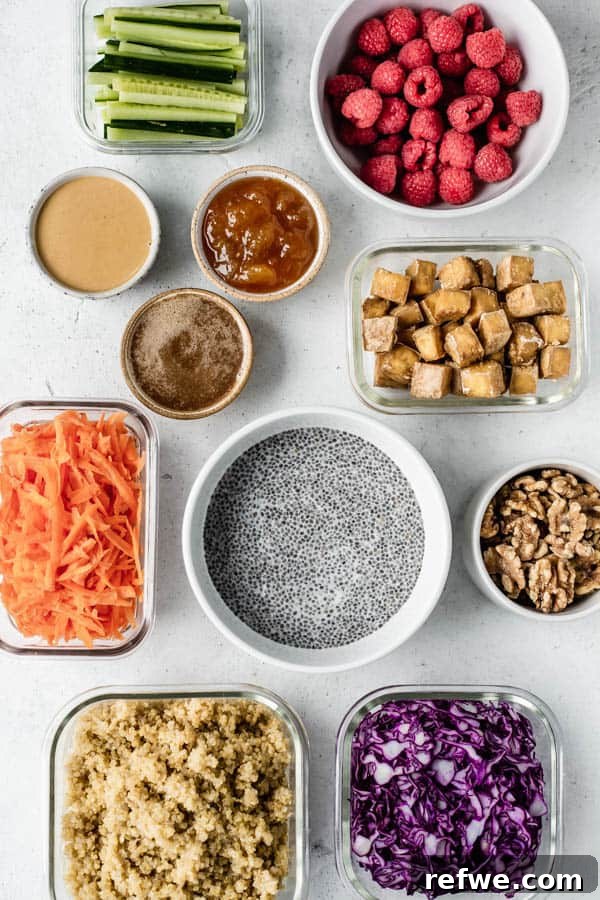
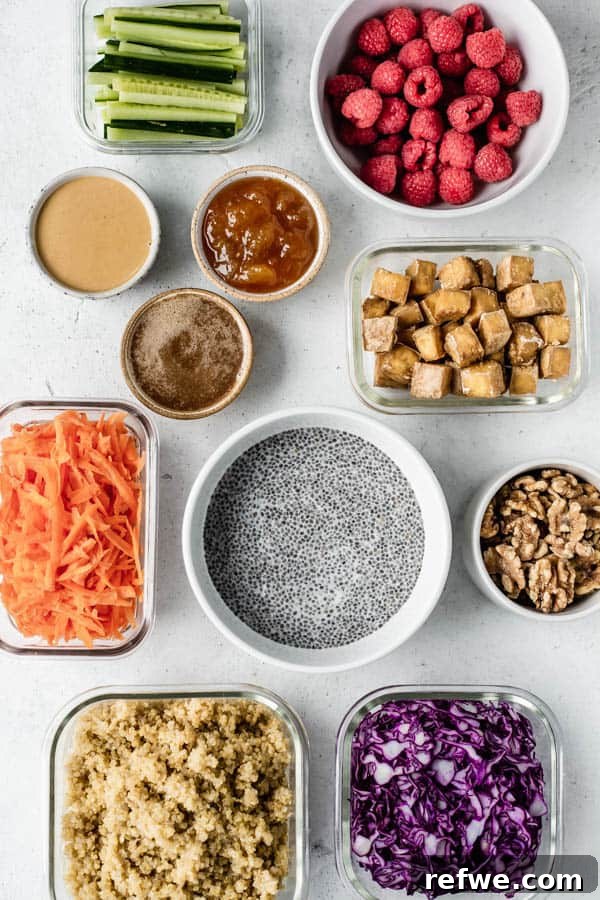
For example, if several recipes call for rice, cook a large batch on your prep day. Planning salads for lunch? Wash and chop all your vegetables and lettuce in advance, storing them in airtight containers. Roast a tray of versatile vegetables like bell peppers, onions, or broccoli that can be added to stir-fries, omelets, or as a side. Preparing ingredients like chopped onions, minced garlic, washed greens, or even pre-cooked proteins (like baked chicken or lentils) can shave significant minutes off your daily cooking routine, making healthy eating feel effortless.
5. Embrace the Power of Batch Cooking
Batch cooking is a game-changer for efficiency in the kitchen. This technique involves cooking larger quantities of certain foods that can be used in multiple meals throughout the week or frozen for later use. It’s about maximizing your cooking time and resources. For instance, if you’re baking tofu for one meal, throw a few extra trays into the oven. The same applies to roasting vegetables—fill up your oven with various veggies like sweet potatoes, broccoli, and carrots. They cook simultaneously, saving you energy, oven preheating time, and cleanup.
Consider making a large pot of quinoa, brown rice, or a hearty lentil soup that can serve as a base or component for several different dishes. Proteins like shredded chicken, cooked beans, or roasted chickpeas are also excellent candidates for batch cooking. This approach not only saves you immense time during the week but also ensures you always have healthy, readily available components to quickly assemble nutritious meals.
6. Opt for Versatile and Multi-Purpose Ingredients
To further simplify your meal planning and reduce food waste, consciously choose ingredients that can be incorporated into a variety of dishes. This strategy maximizes the utility of your groceries and adds flexibility to your weekly menu. For example, a large batch of cooked quinoa can be the base for a vibrant salad on Monday, a hearty stir-fry on Wednesday, or a nutritious Buddha bowl on Friday.
Similarly, roasted sweet potatoes can be a delicious side dish, a filling for tacos, blended into a creamy soup, or added to breakfast bowls. Ingredients like eggs, canned beans, spinach, and bell peppers are also incredibly versatile. By focusing on multi-purpose items, you minimize the number of different ingredients you need to buy and prepare, keeping your kitchen organized, your costs down, and your meals diverse without added complexity. This smart approach ensures every ingredient you purchase serves multiple culinary purposes.
7. Review and Refine Your Meal Planning Strategy Weekly
Meal planning is not a one-size-fits-all solution, nor is it a static process. The final, and arguably most crucial, tip is to regularly review and revise your approach. At the end of each week, take a few moments to reflect on how your meal plan went. What meals were big hits? Which ones fell flat? Did you run out of time on your prep day? Were there ingredients you didn’t use?
This weekly assessment allows you to learn from your experiences and make necessary adjustments. Perhaps you planned too many elaborate meals for a busy week, or maybe you found that having the same breakfast every day became monotonous. Use these insights to tweak your strategy for the following week. This iterative process ensures that your meal planning system continually evolves to perfectly fit your changing schedule, preferences, and lifestyle. Remember, the goal is to create a sustainable and enjoyable system that works uniquely for you.
Some of My Favourite Meal Prep-Friendly Recipes:
To get you started on your meal planning journey, here are some delicious and nutritious recipes that are perfect for preparing in advance:
- Hearty Vegan Stuffed Pepper Soup
- Wholesome Puffed Quinoa & Peanut Butter Bars
- Flavorful West African Peanut Stew (Vegan & Gluten-Free)
- The Best Healthy Homemade Hummus
- Delicious Banana Cream Pie Chia Pudding
Start Your Meal Planning Journey Today!
Meal planning is a powerful habit that offers a multitude of benefits, from fostering healthier eating habits and saving money to significantly reducing daily stress and reclaiming valuable time. It’s about being proactive rather than reactive with your food choices, giving you more control over your diet and your schedule.
Don’t feel pressured to implement every tip perfectly from day one. Start small, perhaps by planning just your dinners, or dedicating a short hour to prepping a few key ingredients. Gradually incorporate more tips as you become more comfortable. The key is to find a routine that you can stick with and that genuinely enhances your life. With these beginner-friendly tips, you’re well-equipped to embark on a successful and fulfilling meal planning adventure. Happy prepping!