
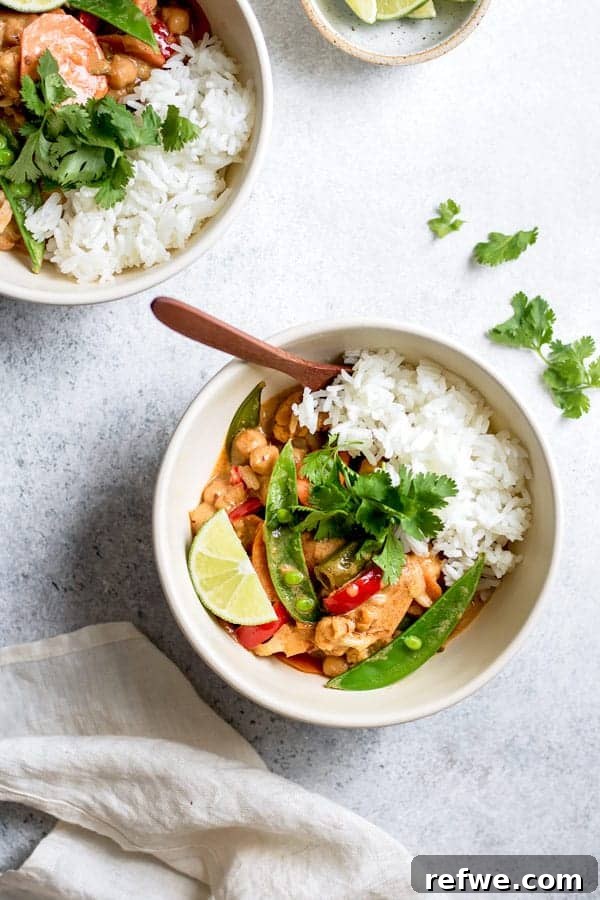
Quick & Easy Vegetarian Thai Red Curry: A Flavorful and Healthy Meal
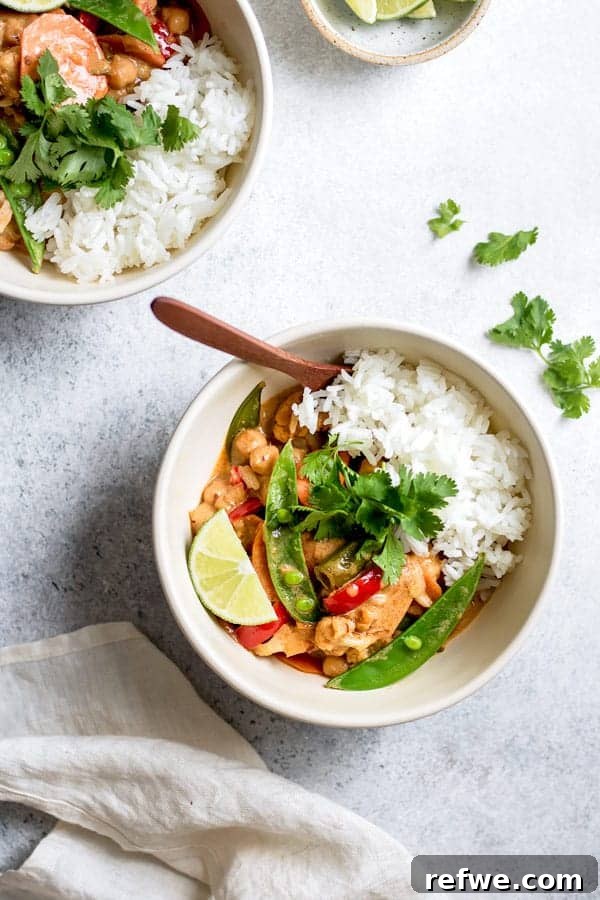
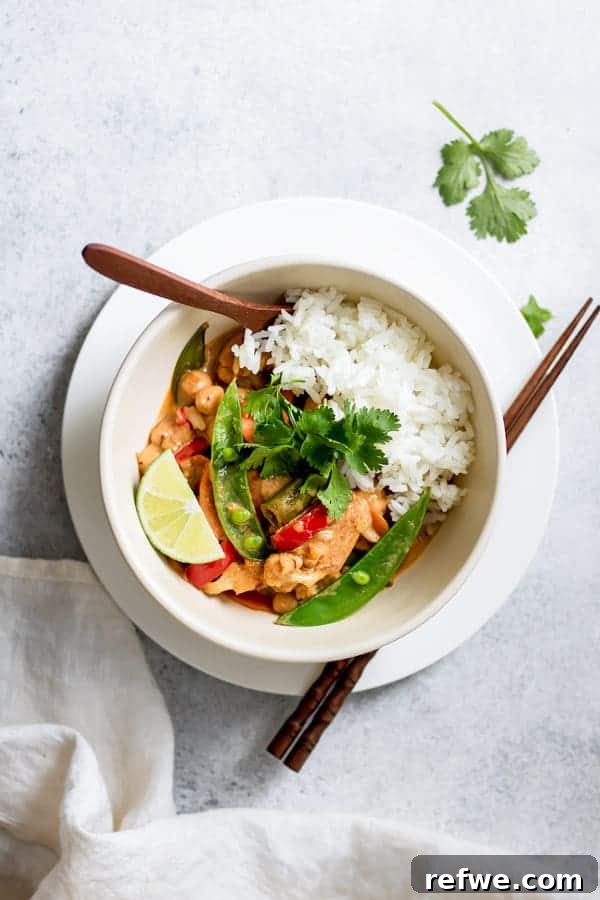
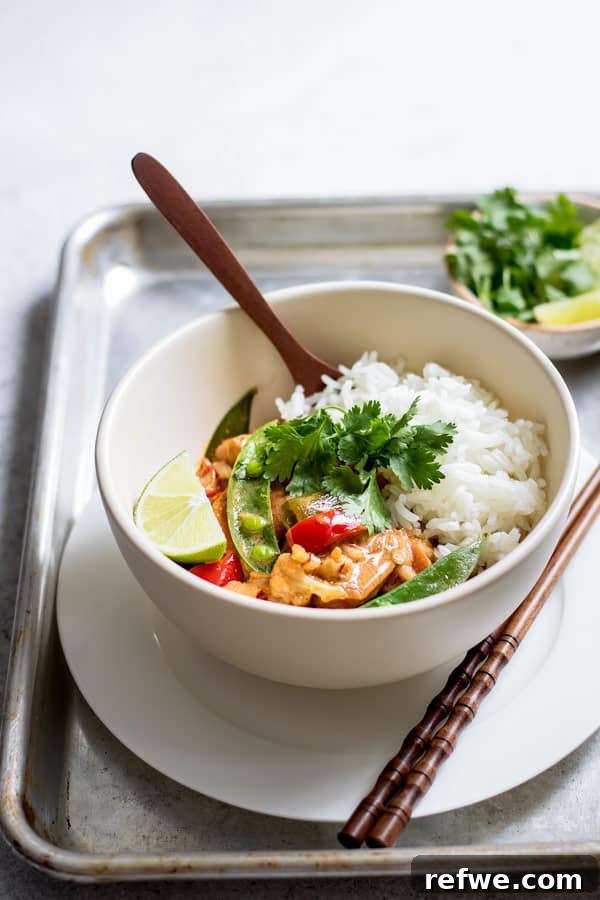
Embark on a culinary journey to Thailand from the comfort of your kitchen with this incredibly quick and easy Vegetarian Thai Red Curry. Bursting with authentic flavors, this vibrant dish combines crisp vegetables like snap peas, cauliflower, and bell peppers with hearty chickpeas, all enveloped in a rich, creamy coconut curry sauce. Served traditionally over fragrant jasmine rice, it’s a wholesome, satisfying, and completely plant-based meal that comes together in less than 30 minutes. Whether you’re a long-time fan of Thai cuisine or just exploring its delicious depths, this recipe promises to be a delightful addition to your weeknight rotation, offering a perfect balance of spicy, sweet, sour, and savory notes.
Why This Vegetarian Thai Red Curry Will Become Your Go-To Dish
Thai cuisine holds a special place in my heart – its intricate flavors and comforting warmth are simply unmatched. This red curry recipe perfectly encapsulates everything I adore about Thai food, but with an emphasis on speed and ease, making it genuinely achievable even on the busiest evenings. It’s incredibly satisfying to create a dish that tastes like it came from your favorite Thai restaurant in under half an hour, all while being packed with nutritious ingredients.
The beauty of this recipe lies in its simplicity and versatility. Recently, after a lengthy 20-hour road trip, the thought of an elaborate meal was daunting. This curry was my immediate go-to. It’s the kind of meal you can easily prepare even when your energy levels are low, relying on pantry staples and whatever fresh produce you might have on hand. It allows for effortless customization, ensuring every batch feels fresh and exciting. Imagine returning home, tired from travel or a long workday, and knowing a delicious, healthy, and quick meal is just minutes away. Tonight, for instance, I’m planning to use up some bell peppers, a head of broccoli, and a handful of green beans that are patiently waiting in my refrigerator, proving just how adaptable this recipe truly is.
Building Blocks of Flavor: Key Ingredients & Customization Tips
To truly master this vegetarian Thai red curry, understanding the role of each ingredient and how to adapt them to your taste and pantry is key. This section delves deeper into the core components, offering insights and tips for a truly exceptional meal.
The Heart of the Curry: Red Curry Paste
The foundation of any great Thai curry is its curry paste. Red curry paste, made from a vibrant blend of dried red chilies, galangal, lemongrass, kaffir lime zest, and other aromatic spices, delivers a distinct flavor and a lovely reddish hue. Its complexity is what gives this dish its authentic Thai character.
- Choosing Your Paste: Look for a good quality brand. Many store-bought pastes are vegan, but always check the label for hidden ingredients like shrimp paste if you’re strictly plant-based.
- Spice Level: Thai curry pastes can vary significantly in heat. It’s crucial to start conservatively. The recipe suggests 2-3 tablespoons, but if you’re sensitive to spice, begin with just one tablespoon and taste as you go. You can always add more to increase the warmth, but it’s much harder to temper the heat once it’s fully incorporated. Traditional red curry can be quite fiery, so adjust to your personal preference.
- Other Varieties: While red is fantastic, don’t limit yourself! Green curry paste offers a brighter, more herbal flavor, often complemented by vegetables like eggplant or bamboo shoots. Yellow curry paste, typically milder and earthier with turmeric, pairs wonderfully with potatoes.
The Creamy Embrace: Coconut Milk
Coconut milk is what gives Thai curries their signature richness and velvety texture. It balances the spice and forms the luxurious base for all the other flavors.
- Full-Fat vs. Light: Full-fat coconut milk will yield the creamiest, most decadent curry, which is highly recommended for an authentic experience. If you’re aiming for a lighter option, light coconut milk can be used, though the sauce will be thinner and less rich.
- Alternatives: If you’re not a fan of coconut or prefer a lower-calorie alternative, vegetable broth can be used. This will result in a more brothy, soup-like consistency, but still flavorful.
Protein Powerhouse: Chickpeas and Beyond
Chickpeas are a fantastic, convenient, and highly nutritious plant-based protein source for this curry. They add a wonderful heartiness and absorb the curry flavors beautifully.
- Convenience: Canned organic chickpeas are a true kitchen hero. They require no prior preparation – just drain, rinse, and add!
- Other Protein Options: This curry is incredibly versatile for other vegan proteins:
- Tofu: Use firm or extra-firm tofu, pressed to remove excess water, then cubed and added to the pan to soak up the sauce.
- Tempeh: With its slightly nutty flavor and firm texture, tempeh cubes are another excellent choice.
- Lentils or other beans: Cooked brown or green lentils, or other canned beans (like cannellini or kidney beans), can also be incorporated for added protein and fiber.
A Canvas of Vegetables: Use What You Have!
The beauty of this curry is its adaptability to almost any vegetable you have on hand. It’s a perfect “clean out the fridge” meal!
- Our Picks: Snap peas, cauliflower florets, and red bell peppers offer great texture and color.
- Other Suggestions: Feel free to add broccoli florets, sliced carrots, mushrooms, green beans, asparagus, zucchini, sweet potatoes (add earlier for more cooking time), baby corn, or even leafy greens like spinach or kale (stir in at the very end until wilted).
- Cooking Tips: Add denser vegetables that take longer to cook (like sweet potatoes, carrots, or broccoli stems) earlier in the cooking process. Quicker-cooking vegetables (like snap peas, spinach, or bell pepper slices) can be added a bit later to ensure they remain tender-crisp.
The Essential Balance of Thai Flavors: Sweet, Sour, Salty, Spicy
Achieving the perfect harmony of flavors is a hallmark of Thai cuisine. This red curry excels at delivering this exquisite balance:
- Sweetness: Agave syrup (or maple syrup, coconut sugar) provides a subtle sweetness that mellows the heat and acidity, creating a well-rounded taste.
- Salty/Umami: Soy sauce (or tamari for a gluten-free option) contributes essential savory depth and umami, enhancing the overall richness.
- Sourness: Freshly squeezed lime juice is a critical component, brightening the entire dish and cutting through the richness of the coconut milk.
- Spiciness: Derived from the red curry paste, this element is fundamental to the authentic Thai experience, offering a pleasant warmth.
Taste your curry before serving and adjust these elements to your preference for a truly personalized and delicious result.
Serving Your Wholesome Vegetarian Thai Red Curry
This delectable curry is traditionally served atop fluffy jasmine rice. Known for its delicate floral aroma and slightly sticky texture, jasmine rice is the perfect companion, soaking up all the rich, creamy sauce beautifully. However, your serving options are not limited!
- Alternative Grains: Brown rice, basmati rice, or even quinoa make excellent healthful alternatives.
- Low-Carb Options: For a lighter, lower-carb meal, consider serving it with cauliflower rice, broccoli rice, or zucchini noodles.
- Noodle Bowls: Add extra vegetable broth and your favorite rice noodles to transform this into a comforting noodle soup.
- Garnishes: A generous sprinkle of fresh cilantro is a must, adding a burst of freshness and a touch of color. For extra crunch, toasted peanuts or cashews can be a delightful addition.
Meal Prep & Storage: Enjoy Later!
This vegetarian Thai red curry is not just for immediate enjoyment; it’s also a fantastic candidate for meal prepping. It stores exceptionally well in an airtight container in the refrigerator for up to 3-4 days, making it perfect for healthy lunches or quick dinners throughout the week. The flavors often deepen and meld even further overnight, tasting even better the next day! Simply reheat gently on the stovetop or in the microwave, adding a splash of water or broth if the sauce has thickened too much.
Explore More Thai Favorites from Our Kitchen
If you’ve fallen in love with the vibrant and aromatic flavors of this curry, you’ll be thrilled to discover more incredible Thai-inspired recipes that we cherish:
- Thai Basil Tempeh Stir-Fry: A protein-packed, aromatic stir-fry bursting with fresh Thai basil.
- Northern-Style Vegan Thai Coconut Soup: A comforting and rich soup with unique regional spices, perfect for a cozy evening.
- Thai Coconut Curry Tofu: Another delightful curry featuring firm tofu, offering a slightly different twist on our red curry theme.
Print Recipe

Vegetarian Thai Red Curry
- Author: Jess
Prep Time: 10 minutes
Cook Time: 15 minutes
Total Time: 25 minutes
Yield: 4 servings
Category: Dinner
Method: Cook
Cuisine: Thai
Description
A vibrant, healthy, and incredibly easy vegetarian Thai red curry recipe loaded with protein-rich chickpeas, crisp vegetables, and bold authentic flavor! This wholesome dish is vegan and gluten-free, making it perfect for a quick, healthy weeknight meal.
Ingredients
- 1 1/2 tbsp avocado oil (or vegetable oil)
- 1 medium onion, chopped
- 3 garlic cloves, chopped
- 2–3 tbsp red curry paste
- 1 red pepper, sliced
- 1 cup cauliflower florets
- 2 cups snap peas
- 1 can chickpeas, drained and rinsed
- 1 1/2 cups full-fat coconut milk
- 1 tsp paprika
- 1–2 tbsp soy sauce (or tamari for gluten-free)
- 1 tbsp agave syrup (maple syrup or coconut sugar work too)
- juice of 1/2 lime (freshly squeezed)
- 1/4–1/2 cup of water or vegetable broth (as needed)
- fresh cilantro, chopped (for garnish)
- 1 cup of jasmine rice, cooked according to package directions (for serving)
Instructions
- Heat the avocado oil (or vegetable oil) in a large skillet or wok over medium-high heat. Add the chopped onion and sauté for 2-3 minutes until softened and translucent.
- Stir in the chopped garlic, red curry paste, all your chosen vegetables (such as red pepper, cauliflower florets, snap peas), and drained chickpeas. Cook, stirring frequently, for another 2-3 minutes, allowing the curry paste to become fragrant and coat the ingredients.
- Reduce the heat to medium. Pour in the full-fat coconut milk, add the paprika, soy sauce (or tamari), agave syrup, and fresh lime juice. Stir everything together until well combined. Cover the skillet and let the curry simmer gently for 5-10 minutes, or until the vegetables are tender-crisp. If the sauce becomes too thick or begins to evaporate too quickly, add 1/4 to 1/2 cup of water or vegetable broth as needed to reach your desired consistency.
- Taste and adjust seasonings if necessary, adding more soy sauce for saltiness, agave for sweetness, or lime juice for tartness. Serve the hot vegetarian Thai red curry immediately over a bed of fluffy jasmine rice. Garnish generously with fresh cilantro before serving for an extra burst of flavor and color.
Notes
Adjusting Spiciness: Curry pastes vary greatly in heat depending on the brand. Begin with 1 tablespoon of red curry paste, then taste the sauce after simmering. If you prefer a spicier curry, add another 1-2 tablespoons gradually until it reaches your desired level of heat.
Vegetable Customization: This recipe is incredibly versatile. Feel free to incorporate your favorite vegetables such as broccoli, mushrooms, carrots, green beans, baby corn, or even sweet potato cubes. Adjust cooking times based on the density of the vegetables; denser veggies might need a few extra minutes to soften.
Curry Paste Variations: Don’t hesitate to experiment with other types of curry paste! Green curry paste offers a fresh, herbaceous profile, while yellow curry paste is milder and often incorporates turmeric. Both are delicious alternatives in this dish.
Coconut Milk Alternatives: While full-fat coconut milk offers the richest flavor and texture, light coconut milk can be used for a lower-fat option. For a coconut-free version, vegetable broth can be used, though the flavor and creaminess will be different.
Gluten-Free Option: Ensure your curry paste and soy sauce are certified gluten-free (e.g., use tamari instead of regular soy sauce).
Nutrition
- Serving Size: 1 bowl
- Calories: 678
- Sugar: 14g
- Fat: 25g
- Saturated Fat: 18g
- Carbohydrates: 94g
- Fiber: 17g
- Protein: 20g