
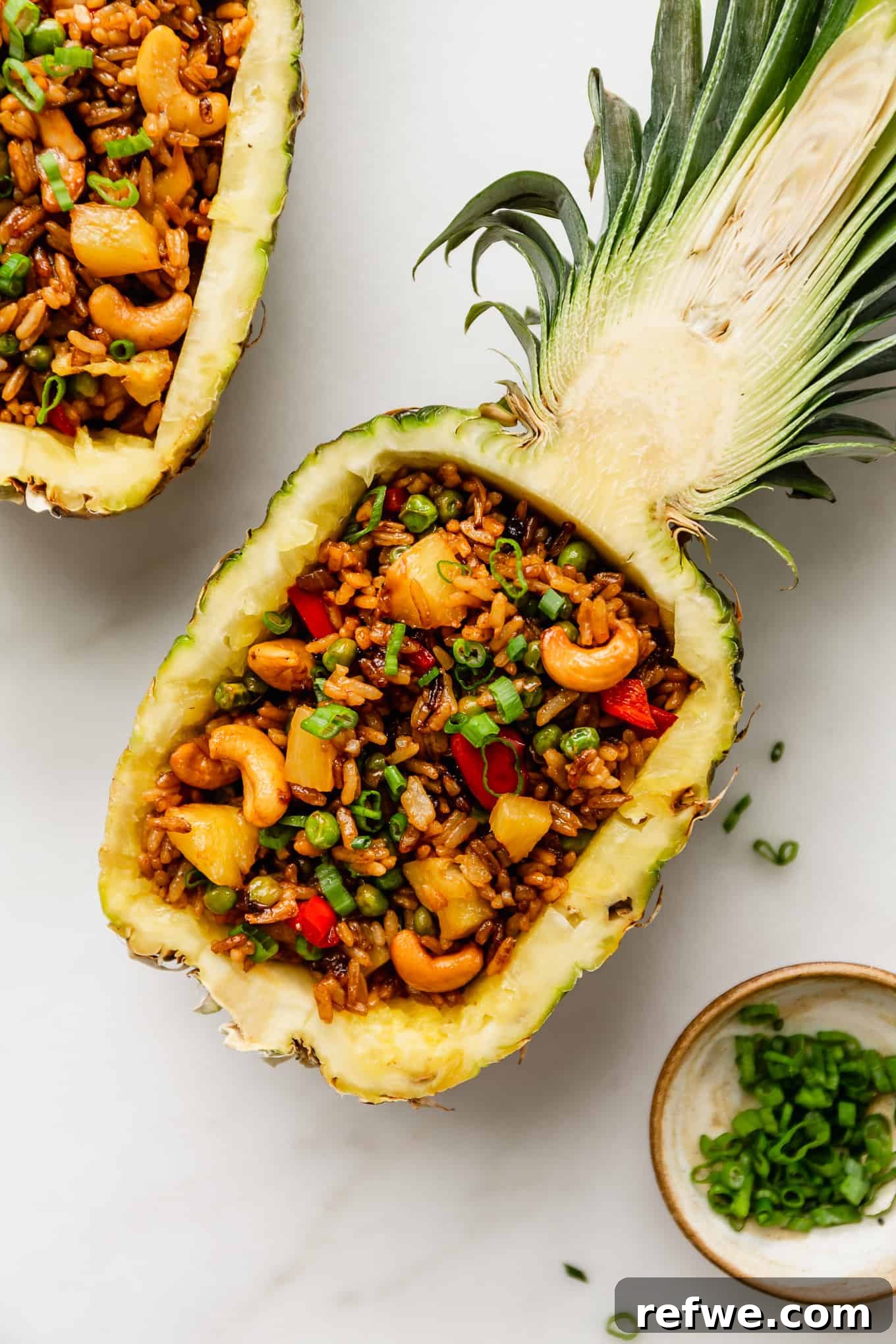
Embark on a culinary adventure with this vibrant Thai Pineapple Fried Rice recipe, a dish bursting with the exotic flavors of Thailand. This delightful meal is packed with colorful, fresh vegetables, sweet pineapple chunks, and crunchy cashews, creating an irresistible harmony of tastes and textures. Designed for convenience without compromising on flavor, this recipe is remarkably easy to prepare, coming together in just about 20 minutes. It’s the perfect weeknight dinner solution that promises to captivate the taste buds of your entire family, making it a firm favorite for busy evenings and special occasions alike.
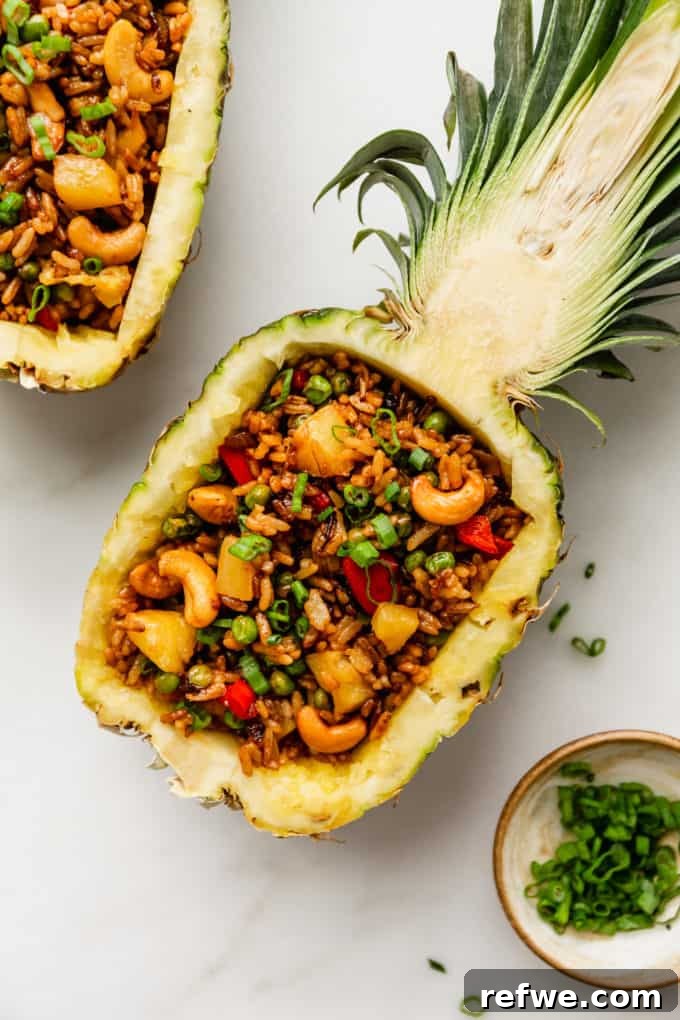
Unforgettable Thai Pineapple Fried Rice: A Flavorful Journey
While you might be familiar with the comforting simplicity of traditional Chinese Fried Rice, prepare your palate for an extraordinary treat with Thai Pineapple Fried Rice. This unique dish offers a delightful departure from its Chinese counterpart, inviting you into a world of complex, yet perfectly balanced, sweet, savory, and tangy notes that are characteristic of authentic Thai cuisine.
This Thai-inspired culinary creation offers a fresh, vegetarian, and vegan-friendly interpretation of classic Thai fried rice. Traditionally, many Thai fried rice recipes incorporate shrimp or fish sauce for depth of flavor. However, our meticulously crafted version focuses on the natural deliciousness of plant-based ingredients, featuring a harmonious blend of crisp vegetables, juicy pineapple, and wholesome cashews. The result is a lighter, yet incredibly satisfying, meal that caters to a wider range of dietary preferences without sacrificing any of the authentic Thai essence.
For those looking to elevate the protein content and transform this delectable side into a complete, standalone meal, the recipe is wonderfully adaptable. Consider incorporating scrambled eggs for a traditional touch, or for a fully vegan option, crumbled tofu can be easily stir-fried into the dish. Should you choose to add these, simply introduce them to the pan after the initial sautéing of the vegetables, allowing them to cook for approximately 2 minutes before proceeding with the remainder of the recipe instructions. This thoughtful addition ensures a well-rounded and nourishing dish that satisfies all appetites.
Why Our Vegan Thai Pineapple Fried Rice Will Become Your Go-To Dish!
- Effortless and Speedy: Ready in 20 Minutes! In today’s fast-paced world, finding a recipe that delivers incredible flavor in minimal time is a true culinary gem. This Thai Pineapple Fried Rice is precisely that – a quick and easy solution for any meal, from a busy weeknight to a relaxed weekend lunch. With just 10 minutes of prep and 10 minutes of cook time, you can whip up a gourmet-quality dish in under half an hour. Plus, the straightforward process means less time spent on cleanup, leaving you more time to savor your delicious creation.
- Infinitely Customizable: Your Kitchen, Your Rules! One of the greatest virtues of this Thai Fried Rice recipe is its remarkable versatility. It serves as an excellent canvas for your culinary creativity. Do you have extra vegetables in your fridge that need to be used? Feel free to toss them in! Looking for additional protein to boost its nutritional profile? Whether you prefer a plant-based protein like pan-fried tofu or tempeh, or traditional options like chicken or shrimp, this dish readily accommodates your preferences. Experiment with different spices or a touch of your favorite hot sauce to tailor the flavors exactly to your liking, making each rendition uniquely yours.
- A Symphony of Flavors: Welcome to Flavor City! Prepare yourself for an explosion of taste with every mouthful. This fried rice masterfully combines a spectrum of flavors: the natural sweetness of ripe pineapple, the umami richness of soy sauce, the bright tang of lime, and a subtle savory depth from garlic and ginger. The optional hint of chili flakes adds a gentle warmth, completing a truly invigorating taste experience. This isn’t just a meal; it’s a vibrant fiesta for your taste buds, a dish so inherently delicious and well-balanced that you’ll find it nearly impossible to stop at just one bite.
Distinguishing Thai Fried Rice: A Unique Flavor Profile
At first glance, fried rice might seem like a singular category, but delving deeper reveals fascinating distinctions, particularly between Chinese and Thai versions. While both offer a comforting blend of rice and stir-fried ingredients, Thai Fried Rice boasts a distinct character, primarily shaped by a few key ingredients and flavor principles.
Traditionally, a cornerstone of most Thai cuisine, including its fried rice, is fish sauce. This fermented condiment imparts a profound umami depth and a signature savory aroma that is unmistakably Thai. However, in crafting this vegetarian and vegan-friendly recipe, we ingeniously substitute fish sauce with high-quality soy sauce. This ensures that the dish retains its rich, savory foundation while remaining accessible to those avoiding animal products, proving that authentic flavor can be achieved through thoughtful substitutions.
Beyond the savory base, Thai Fried Rice distinguishes itself with the thoughtful inclusion of fresh ginger, bright lime juice, and, of course, the star ingredient: pineapple. Ginger introduces a warm, aromatic spice, while fresh lime juice cuts through the richness with its invigorating tanginess, adding a crucial zesty dimension. The pineapple, whether fresh or cooked, contributes a delightful natural sweetness and a juicy texture that beautifully complements the other ingredients. This intricate interplay of sweet, salty, tangy, and savory elements is the hallmark of classic Thai flavors, creating a more complex and often more aromatic experience compared to its Chinese counterpart, which typically leans more heavily on soy sauce and sesame oil for its flavor profile.
The Ideal Rice for Perfect Fried Rice Texture
Achieving the perfect texture in fried rice is paramount; nobody wants a mushy, clumpy mess. The secret often lies in the type and preparation of the rice itself. Generally, long-grain white rice varieties are highly recommended for fried rice due to their ability to maintain their individual grain structure and avoid stickiness when stir-fried at high heat. Basmati rice, with its distinct aroma and separate grains, is a popular choice for this very reason.
For this authentic Thai Pineapple Fried Rice recipe, we specifically utilize Jasmine rice. This fragrant, long-grain white rice is a staple in Thai cuisine and is prized for its subtle floral aroma and soft, slightly sticky texture when cooked fresh. However, for fried rice, the trick is to use it *after* it has been cooked and thoroughly cooled, ideally day-old rice that has spent time in the refrigerator. This cooling process allows the starches in the rice to firm up and dry out, preventing it from clumping or becoming overly soft when it hits the hot pan, ensuring each grain is separate and lightly toasted. I have also successfully tested this recipe with both long-grain and short-grain brown rice, demonstrating its versatility. While brown rice adds a nutty flavor and more fiber, the key principle of using cooled, pre-cooked rice remains essential for optimal results, regardless of the variety.
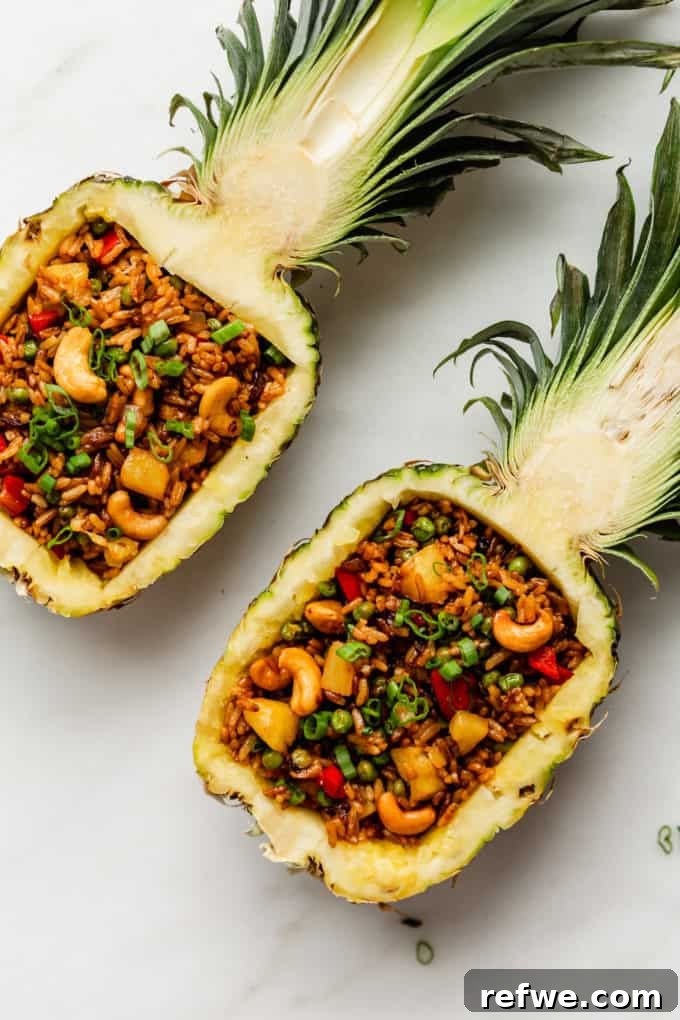
Essential Ingredients for Your Thai Pineapple Fried Rice
Crafting this flavorful Thai Pineapple Fried Rice requires a selection of fresh and pantry staples that contribute to its unique taste and vibrant appearance. Each ingredient plays a crucial role in building the layered flavors that make this dish so special.
- Jasmine rice: The foundation of our fried rice. Remember, cooled or day-old cooked rice is best for perfect texture.
- Onion: Provides a sweet and savory aromatic base when sautéed.
- Garlic: An indispensable aromatic, adding pungent depth and classic Thai flavor.
- Ginger: Offers a warm, slightly spicy, and fragrant note that brightens the dish.
- Red bell pepper: Adds a beautiful pop of color, a crisp texture, and a mild sweetness.
- Frozen peas: Contributes natural sweetness and vibrant green color, making the dish more appealing.
- Fresh pineapple: The star ingredient, offering juicy sweetness and a delightful tangy counterpoint.
- Soy sauce: Our primary savory agent, providing essential umami and saltiness for this vegetarian version.
- Dark Soy sauce: Used for its rich, slightly sweet flavor and to give the rice a beautiful, caramelized hue.
- Lime juice: A vital component for that characteristic Thai tang and freshness, balancing the sweetness and savoriness.
- Chili flakes (optional): For those who enjoy a gentle kick of heat, adding a dynamic layer to the flavor profile.
- Cashews: Provides a wonderful crunch and a nutty richness, enhancing the overall texture and taste.
- Green onions: Used as a fresh garnish, adding a mild oniony flavor and a touch of color just before serving.
- Fresh cilantro leaves (optional): An aromatic herb for garnish, offering a burst of fresh, herbaceous flavor that complements Thai dishes beautifully.
Expert Tips for Choosing the Perfect Ripe Pineapple
The success of your Thai Pineapple Fried Rice heavily relies on the quality of its namesake ingredient. Using a perfectly ripe pineapple will infuse your dish with optimal sweetness and a luscious juiciness, elevating the entire flavor profile. Here are a few key indicators to help you select a sweet, ready-to-eat pineapple every time:
- Observe the Color of the Skin: While some green is normal, a truly ripe pineapple will have a significant amount of yellow or even golden-orange color extending from the base upwards. The more yellow it appears, the riper and sweeter the fruit typically is. Avoid pineapples that are entirely green, as these are usually unripe and will lack the desired sweetness and tenderness.
- Gently Squeeze the Pineapple: A ripe pineapple should yield slightly to a gentle squeeze, indicating that the flesh inside is soft and juicy. It shouldn’t feel rock-hard, which suggests it’s underripe, nor should it be excessively soft or mushy, which could mean it’s overripe and potentially fermenting. Look for a subtle give that feels firm but not rigid.
- Inhale the Aroma from the Base: This is arguably the most reliable indicator of ripeness. Lift the pineapple and smell the very bottom, where it was attached to the stem. A ripe pineapple will emit a distinctively sweet, fragrant, and tropical aroma. If you detect no scent at all, the pineapple is likely unripe. Conversely, if it smells vinegary or fermented, it’s past its prime. Aim for a sweet, alluring perfume.
Crafting an Edible Masterpiece: How to Create a Pineapple Serving Bowl
Serving your Thai Pineapple Fried Rice in a natural pineapple bowl not only adds an impressive visual flair but also enhances the tropical experience of the dish. Follow these steps to elegantly transform a pineapple into a beautiful, edible vessel:
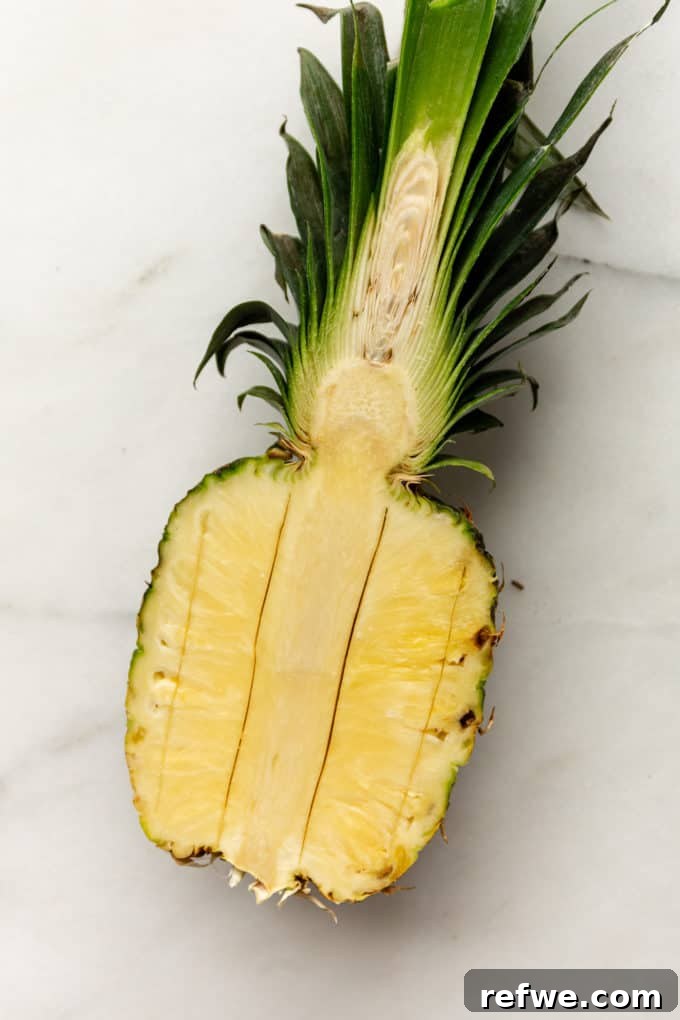
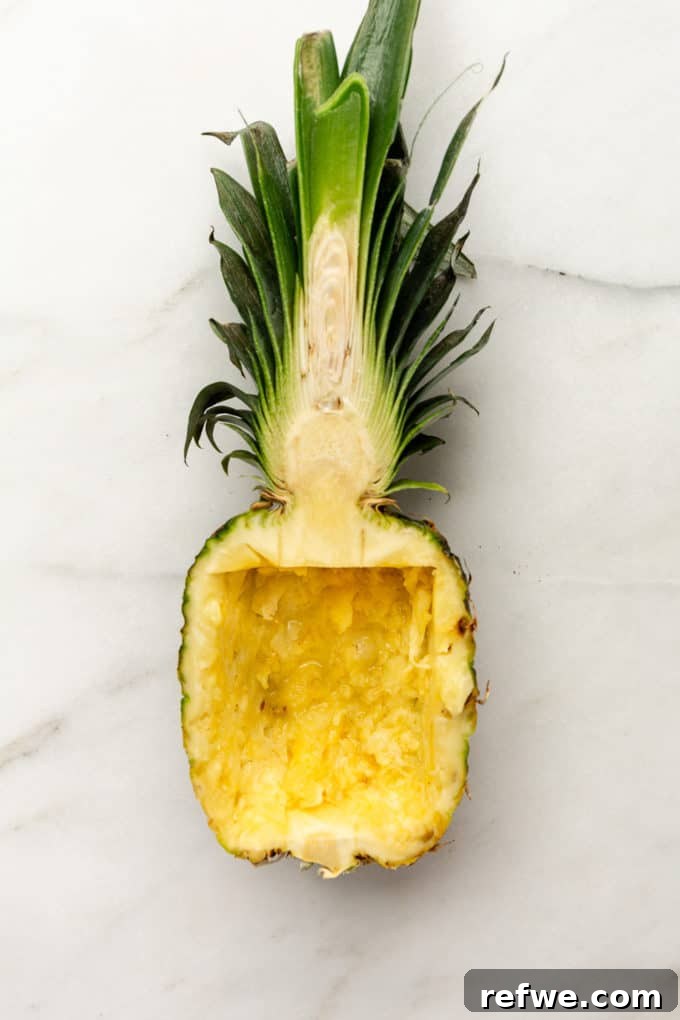
Begin by carefully placing the pineapple on a sturdy cutting board. Using a sharp, long knife, slice the pineapple precisely in half lengthwise, ensuring a clean cut straight through the crown. Exercise gentleness during this step to keep the vibrant green leaves of the crown intact, as they contribute significantly to the aesthetic appeal of your finished bowl. Once halved, take your sharp knife again and make four deep vertical cuts within each pineapple half. Position two cuts on either side of the central core and two more towards each end of the fruit, as depicted in the reference photo provided below. These initial cuts are crucial for making the subsequent fruit removal easier and cleaner.
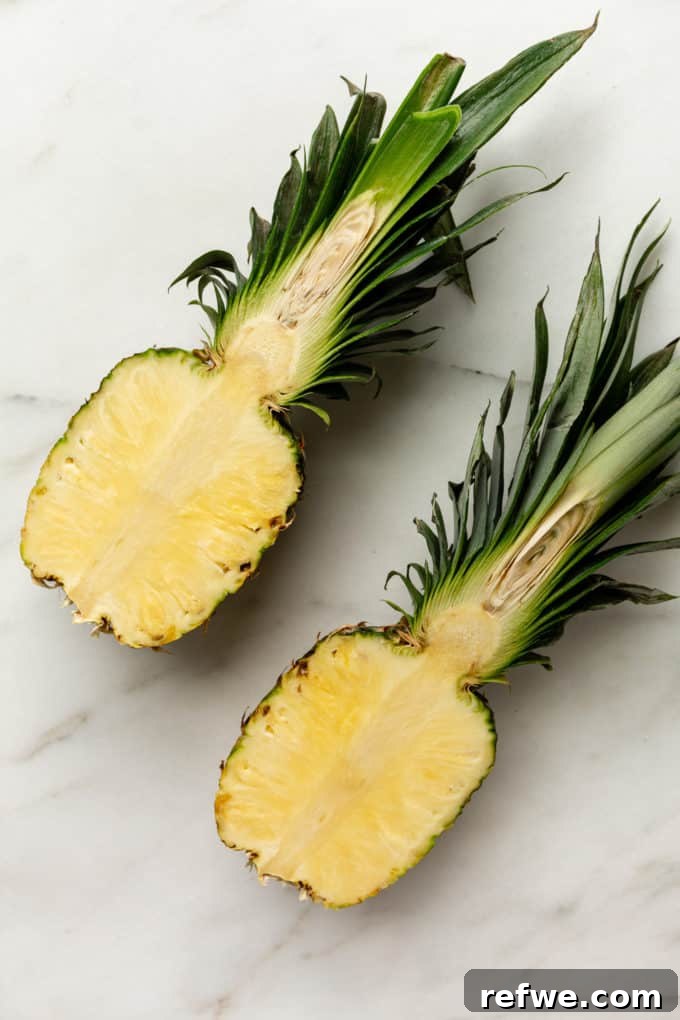
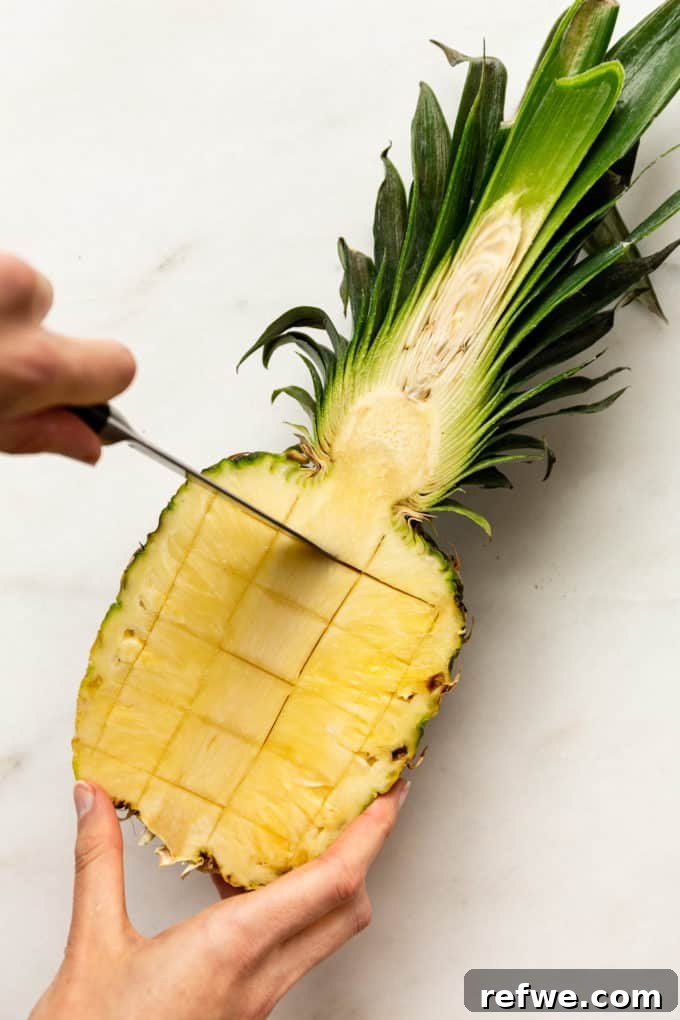
Following the vertical incisions, it’s time to introduce horizontal cuts. Carefully make four deep horizontal cuts across the pineapple flesh, ensuring they connect with the vertical cuts you’ve already made. These intersecting cuts will create a grid pattern, segmenting the pineapple flesh into manageable, easy-to-scoop chunks, as demonstrated in the accompanying photo. Once the cuts are complete, take a sturdy spoon and gently begin to scoop out the fruit. Work your way around the shell, using a shimmying motion to separate the fruit from the skin. If you find the fruit resistant or your spoon isn’t reaching deep enough, it’s perfectly fine to grab your knife again and make slightly deeper cuts closer to the pineapple’s skin to ensure full fruit extraction.
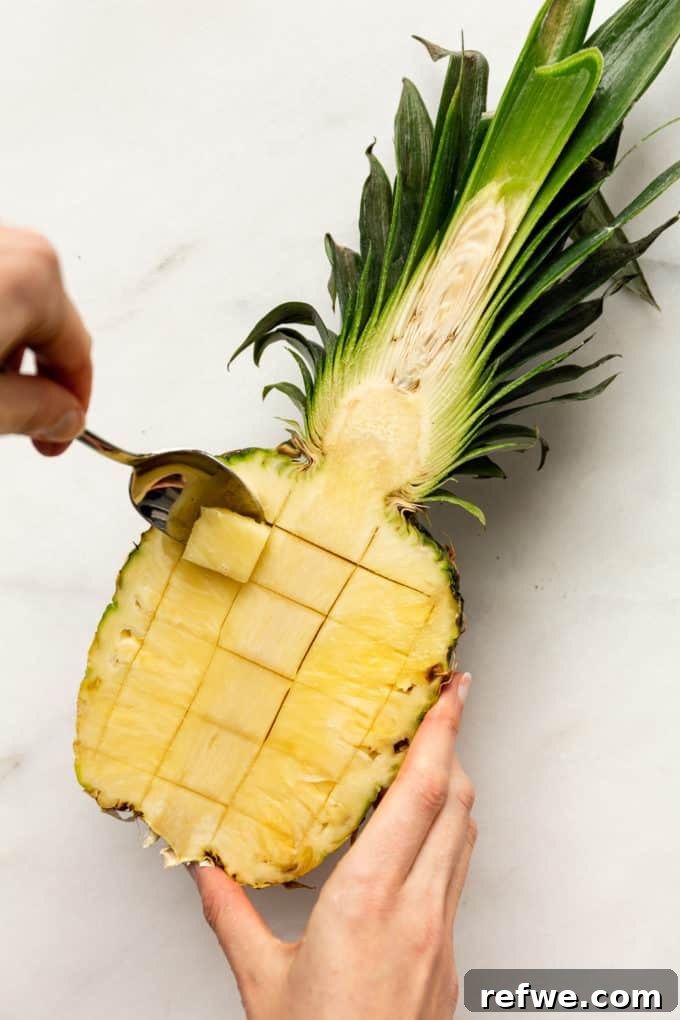
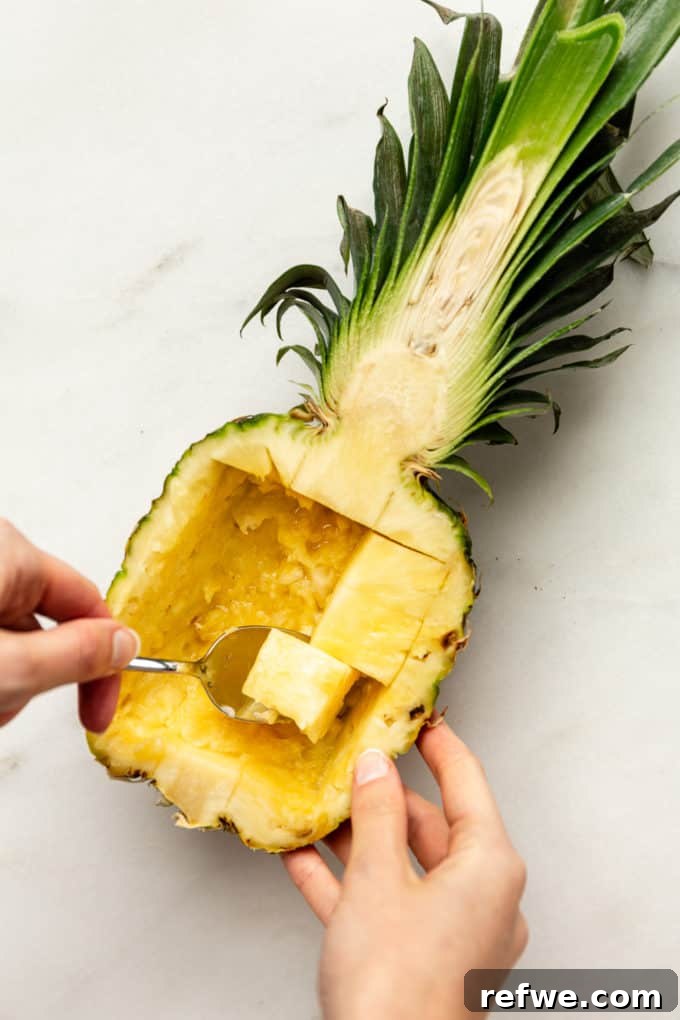
Continue this careful process until all the luscious fruit has been thoroughly scooped out, leaving you with a clean, empty pineapple shell. Before using it as a serving bowl, ensure you drain out any accumulated liquid from the hollowed pineapple. And just like that, you’ve successfully transformed a tropical fruit into an eye-catching, natural serving bowl for your fried rice! Give yourself a high five for this impressive culinary feat!
Integrating Pineapple into Fried Rice for Best Flavor and Texture
The key to successfully incorporating pineapple into fried rice lies in its preparation and timing. To ensure the pineapple’s sweet and tangy notes are perfectly distributed and its texture remains pleasant, the best approach is to cut the fresh pineapple into small, bite-sized pieces. These pieces should then be added to the hot pan along with the rice and sauces during the stir-frying process. This allows the pineapple to gently warm through, releasing its natural juices and caramelizing slightly, which intensifies its flavor without becoming mushy. Adding it too early might cause it to break down excessively, while adding it too late might result in cold pineapple in your hot fried rice.
Simple Steps to Prepare Your Delicious Thai Pineapple Fried Rice
Follow these easy steps to create a wonderfully aromatic and flavorful Thai Pineapple Fried Rice that will transport your taste buds straight to Thailand:
Step 1: Sauté Aromatics and Vegetables
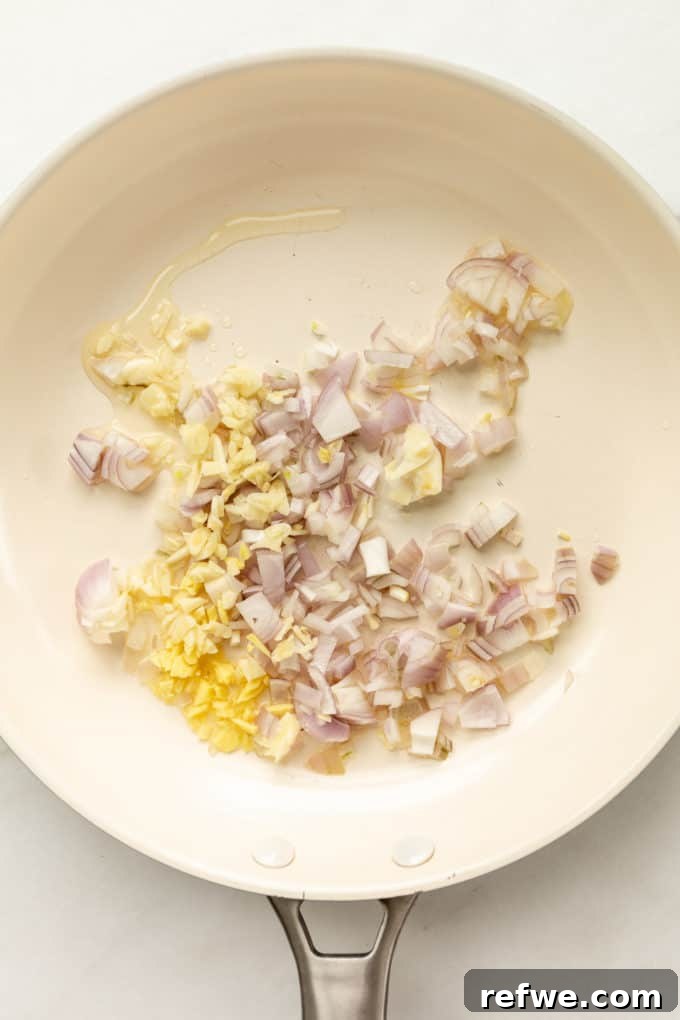
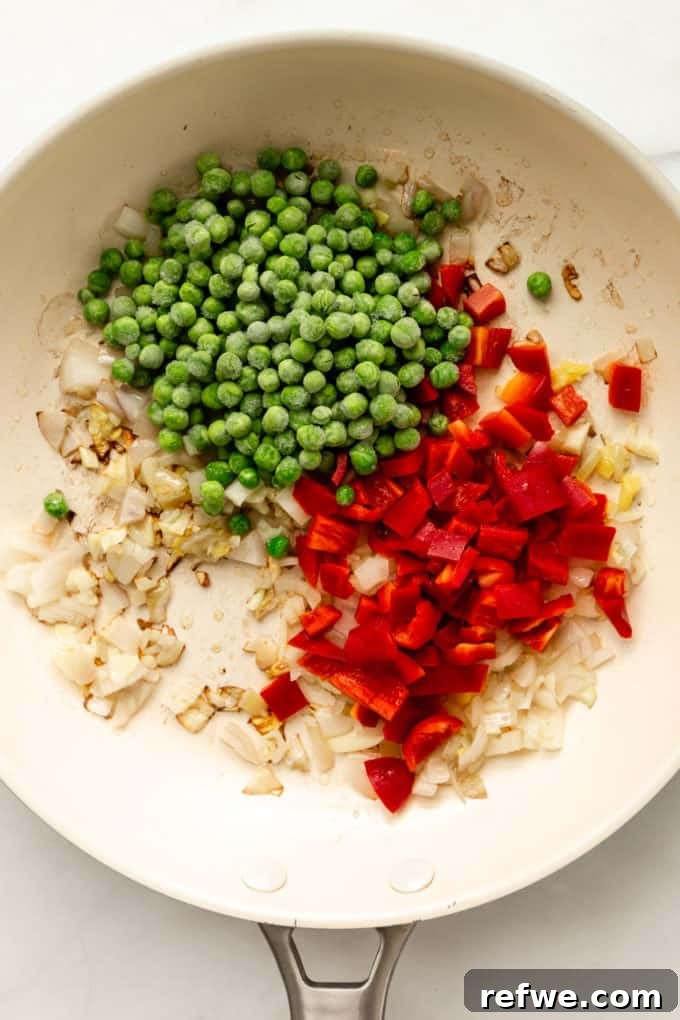
Begin by heating 1 tablespoon of vegetable oil in a large wok or a spacious non-stick pan over medium-high heat. Once the oil shimmers, add your finely chopped onions, minced garlic, and grated ginger. Stir-fry these aromatics for 1-2 minutes, or until they become wonderfully fragrant and the onions are slightly translucent. Next, incorporate the chopped red bell pepper and frozen peas into the pan. Continue to sauté for an additional 2 minutes, allowing the vegetables to soften slightly while retaining a pleasant crunch.
Step 2: Combine Rice, Pineapple, and Sauces
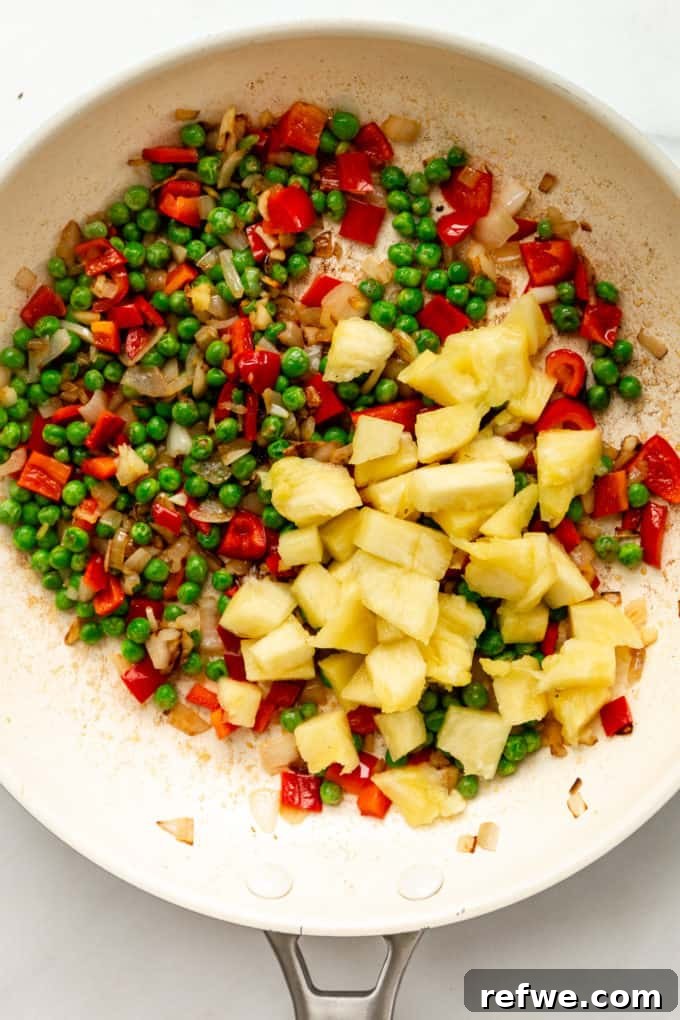
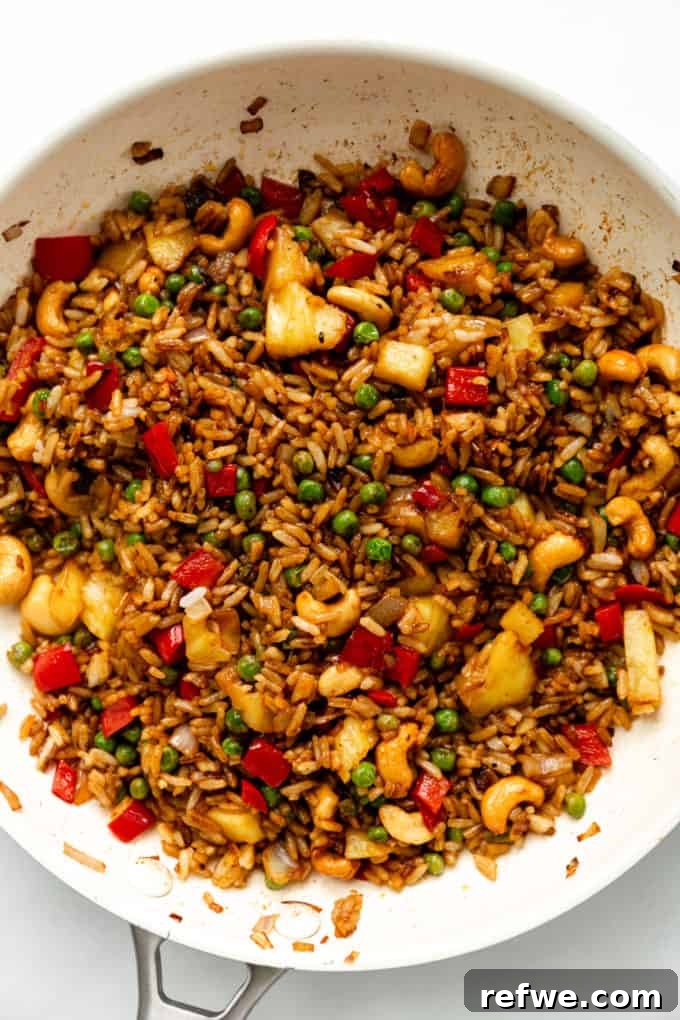
Now, it’s time to bring all the main components together. Add the chopped fresh pineapple, your thoroughly cooled cooked Jasmine rice, soy sauce, dark soy sauce, lime juice, and chili flakes (if using) to the pan with the sautéed vegetables. Stir everything together vigorously, ensuring the sauces are evenly distributed and the rice grains are coated and separated. To achieve that coveted slightly toasted and crispy texture on the bottom, allow the rice to sit undisturbed in the pan for 1-2 minutes without stirring. This brief period of contact with the hot surface creates those delightful crispy bits that are a hallmark of excellent fried rice. Continue to stir-fry for a total of 3-4 minutes, or until the entire mixture is heated through and well combined.
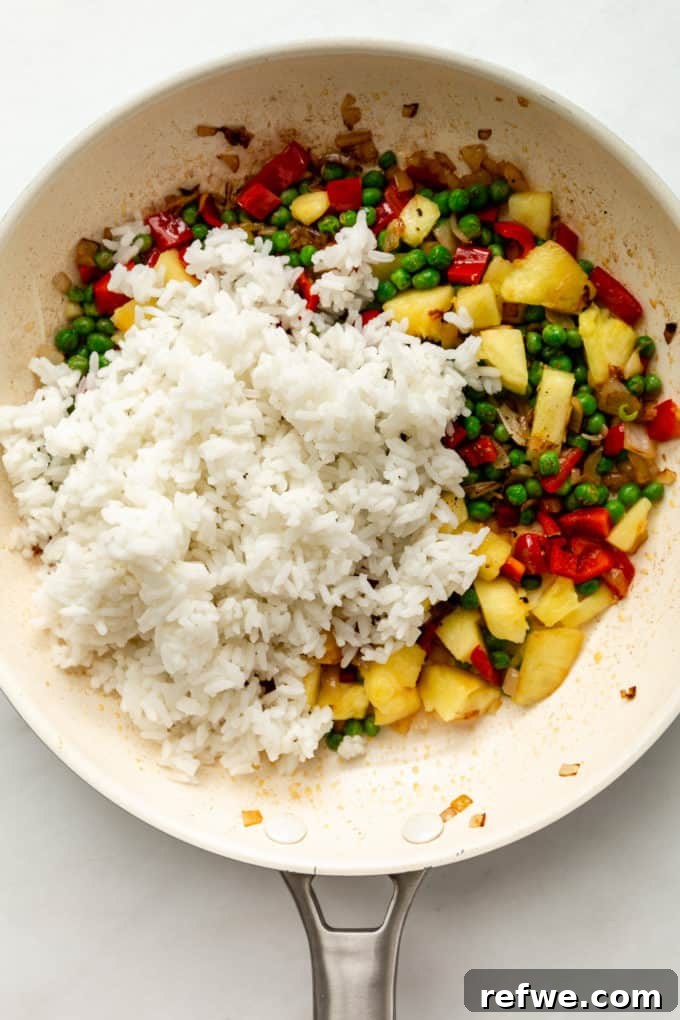
Step 3: Final Touches and Serving
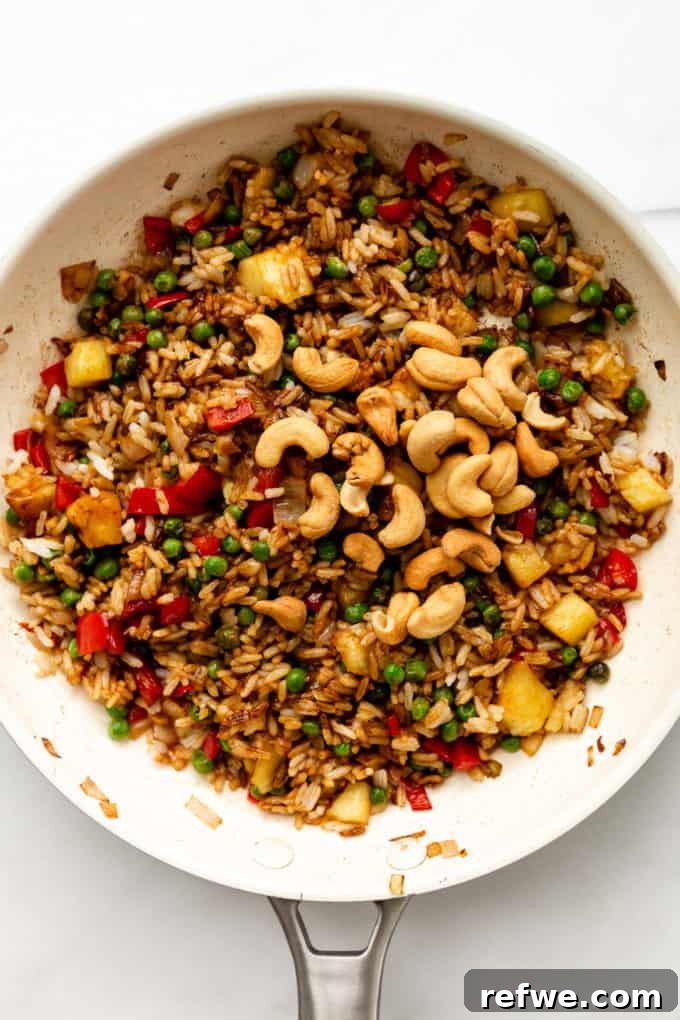
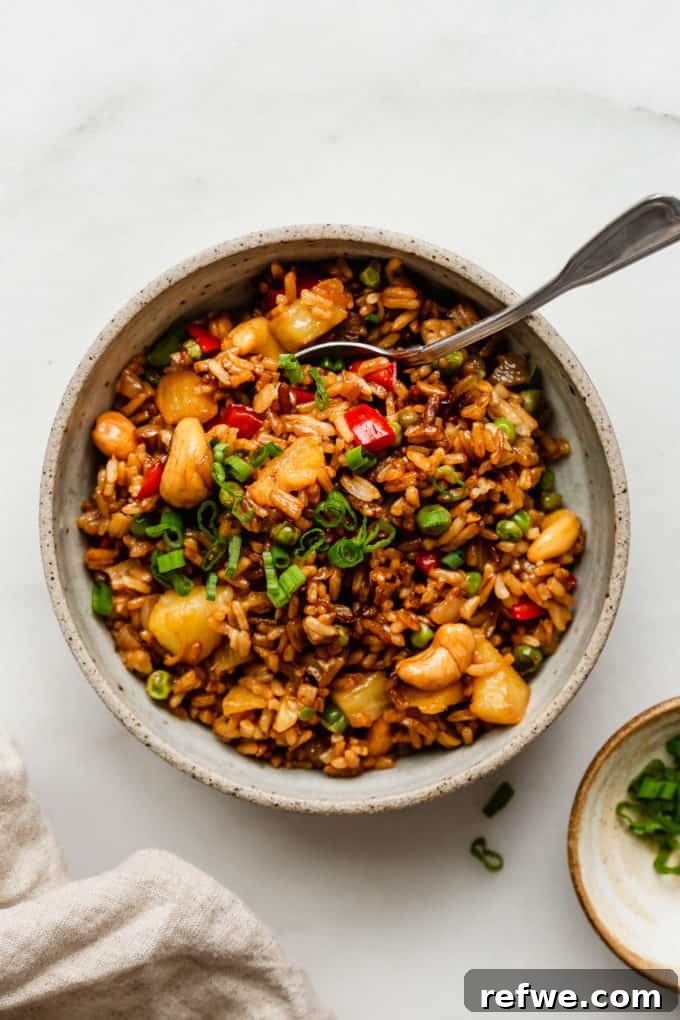
Finally, add the roasted cashews to the pan. Gently fold them into the fried rice mixture, ensuring they are evenly distributed throughout the dish. This late addition helps to preserve their delightful crunch, adding a lovely textural contrast. Serve your vibrant Thai Pineapple Fried Rice immediately while it’s piping hot, garnished with fresh green onions and cilantro if desired. Enjoy the incredible explosion of flavors!
Chef’s Tip for Perfect Crunch: For maximum crunchiness, incorporate the roasted cashews into the fried rice in the very last minute of cooking. This prevents them from softening due to heat and moisture from the sauces, guaranteeing a satisfying textural element. While you *could* add the cashews earlier, perhaps with the other ingredients in step 2, they would cook further and absorb some of the liquid, resulting in a softer texture rather than the desired crispiness.
Perfect Pairings: What to Serve with Thai Pineapple Fried Rice
Thai Pineapple Fried Rice is incredibly versatile, making a fantastic main course on its own or an exceptional side dish that complements a variety of other Thai-inspired meals. In traditional Thai dining, dishes are often served family-style, allowing everyone to share and enjoy a diverse array of flavors and textures together. Here are some exquisite recipes that pair beautifully with this vibrant fried rice, enhancing your overall dining experience:
- Thai Green Curry Tofu: The rich, creamy, and subtly spicy notes of a green curry make a wonderful contrast to the sweet and tangy fried rice.
- Tofu Satay With Peanut Sauce: Grilled or pan-fried tofu skewers with a decadent peanut sauce add a savory, nutty, and slightly sweet element that is utterly complementary.
- Thai Mango Salad: For a refreshing and zesty counterpoint, a crisp Thai mango salad with its bright, tangy, and spicy dressing offers a palate-cleansing experience.
- Vegan Pad Thai: While serving two rice/noodle dishes might seem redundant, the distinct flavors of Pad Thai provide another layer of Thai complexity that can be enjoyed alongside.
- Thai Red Curry Noodles: The robust and aromatic profile of red curry, combined with noodles, offers a hearty and deeply satisfying option to pair with the fried rice.
- Pad See Ew: These wide, chewy rice noodles stir-fried with a savory-sweet sauce and vegetables offer a different textural and flavor experience that harmonizes well.
Maximizing Freshness: Storing and Reheating Your Thai Pineapple Fried Rice
One of the many great things about fried rice is its ability to be enjoyed as leftovers, often tasting even better the next day as the flavors meld further. Proper storage and reheating are key to maintaining its deliciousness.
To store leftover Thai Pineapple Fried Rice, allow it to cool completely to room temperature first. Then, transfer it to an airtight container and place it in the refrigerator. When stored correctly, your fried rice will remain fresh and delicious for up to 5 days, making it an excellent meal prep option for busy weeks.
For reheating the rice, you have a couple of excellent methods to choose from. The best way to restore its texture and warmth is on the stovetop: simply add a touch of vegetable oil to a heated pan or wok over medium heat. Add the refrigerated fried rice and sauté lightly, stirring occasionally, until it is thoroughly warmed through and some of the grains have regained a slight crispiness. Alternatively, for a quicker option, you can reheat the rice in a microwave-safe bowl in the microwave, stirring halfway through, until it is hot and steaming.
I do not recommend freezing fried rice. While many dishes freeze well, fried rice tends to become very mushy and loses its desirable texture upon thawing and reheating. The individual rice grains often clump together and absorb too much moisture, resulting in a less-than-appetizing consistency and compromised flavor. For the best culinary experience, always consume your leftovers within the refrigerated timeframe.
Top Tips for Perfect Thai Pineapple Fried Rice Every Time
- Always Use Cooled Rice: The Golden Rule for Fried Rice! This is perhaps the most crucial tip for achieving excellent fried rice. Never use hot, freshly cooked rice directly from the pot. Hot rice contains too much moisture, which will steam rather than fry, leading to a mushy, clumpy texture. For optimal results, use either day-old cooked rice that has been refrigerated overnight (this allows the grains to dry out and firm up) or freshly made rice that has been spread out on a baking sheet and completely cooled to room temperature, or even chilled in the fridge. This ensures individual, fluffy, and lightly crispy grains.
- Select a Ripe Pineapple for Peak Flavor: The pineapple is a key player in this dish, contributing both sweetness and tang. As detailed earlier, make sure to choose a perfectly ripe pineapple. An unripe pineapple will be overly tart and fibrous, failing to impart the desirable juicy sweetness that balances the savory elements of the fried rice. Its vibrant flavor is essential for the authentic taste of Thai Pineapple Fried Rice.
- Embrace Customization: Add Your Favorite Veggies and Protein! This recipe is incredibly adaptable, inviting you to make it your own. Feel free to incorporate any of your favorite vegetables such as carrots, green beans, broccoli, or mushrooms to boost its nutritional value and appeal. If you’re aiming to make this fried rice a more complete and satisfying meal, consider adding a protein source. Crumbled tofu, tempeh, edamame, or even chickpeas are excellent vegan options. For non-vegan choices, scrambled eggs, chicken, or shrimp would also be delicious additions, transforming it into a hearty and wholesome dish.
- Mind the Cooking Time: Avoid Overcooking for Best Texture! While stir-frying requires high heat, it’s important not to overcook the rice. Sauté the rice just until it is thoroughly warmed through and you notice a slight crispiness developing on the bottom of the pan. Cooking the rice for too long can cause it to dry out, become tough, or worse, turn mushy if there’s still too much moisture. Pay attention to the texture; the goal is perfectly separated, slightly chewy, and gently toasted rice grains.
Explore More Delicious Thai-Inspired Recipes
If you’ve fallen in love with the vibrant flavors of this Thai Pineapple Fried Rice, you’ll be thrilled to discover more culinary treasures from Thai cuisine. Expand your repertoire with these fantastic recipes that capture the essence of Thailand:
- Northern-Style Thai Coconut Soup (Khao Soi): A rich, creamy, and mildly spicy coconut curry noodle soup with a unique depth of flavor.
- Thai Drunken Noodles (Pad Kee Mao): Spicy, savory, and incredibly satisfying wide rice noodles stir-fried with vegetables and a flavorful sauce.
- Thai Crunch Salad with Sesame Ginger Dressing: A refreshing and textural salad packed with crisp vegetables and a zesty, aromatic dressing.
- Thai Coconut Curry Tofu (Red Curry): A classic, aromatic red curry featuring tender tofu and a medley of vegetables in a rich coconut milk base.
We truly hope you enjoy making and savoring this incredible Thai Pineapple Fried Rice. If you tried this recipe or any other delightful dish from our blog, we would absolutely love to hear from you! Please take a moment to share your experience by leaving a comment and rating below. Your feedback inspires us to create even more delicious and accessible recipes for everyone. Don’t forget to follow us on Pinterest, Instagram, and Facebook for a continuous flow of culinary inspiration, healthy meal ideas, and even more deliciousness!

Pineapple Fried Rice
Author: Jessica Hoffman
Prep Time: 10 minutes
Cook Time: 10 minutes
Total Time: 20 minutes
Yield: 4 servings
Category: Side
Method: Stir-fry
Cuisine: Thai
Diet: Vegan
Description
This vibrant and flavorful Thai Pineapple Fried Rice recipe is a sensational vegan dish, brimming with fresh vegetables, sweet pineapple, and crunchy cashews. It comes together effortlessly in just 20 minutes, offering a delightful balance of sweet, tangy, and savory flavors perfect for any meal!
Ingredients
Units
- 2 cups cooked Jasmine rice, completely cooled*
- 1 tbsp vegetable oil
- 1 onion, finely chopped
- 2 garlic cloves, finely chopped
- 1-inch cube of ginger, finely chopped
- 1 red bell pepper, chopped
- 1/2 cup frozen peas
- 1 cup chopped pineapple
- 1 tbsp soy sauce (can sub tamari)
- 1/2 tbsp dark soy sauce
- 1 tbsp lime juice
- 1/2 tsp chili flakes (optional)
- 1/2 cup roasted cashews
Instructions
- Heat the vegetable oil in a large pan or wok on medium-high heat. Add the finely chopped onion, minced garlic, and grated ginger. Sauté for 1-2 minutes until fragrant and the onion is slightly translucent.
- Add the chopped red bell pepper and frozen peas to the pan. Continue to sauté for an additional 2 minutes, allowing the vegetables to soften slightly while maintaining a crisp texture.
- Incorporate the chopped pineapple, cooled cooked rice, soy sauce, dark soy sauce, lime juice, and chili flakes (if using) into the pan. Stir-fry everything together for 3-4 minutes, ensuring the rice is well coated and heated through. Allow the rice to sit undisturbed for 1-2 minutes during this time to achieve a desirable toasted, crispy bottom.
- Add the roasted cashews to the fried rice and mix gently until evenly distributed.
- Serve immediately while the Thai Pineapple Fried Rice is hot and fresh, garnished with fresh green onions and cilantro if desired.
Notes
*For the best fried rice texture, it is essential to use cooked rice that has been completely cooled. You can achieve this by preparing your Jasmine rice a day in advance and storing it in the fridge overnight, or by cooking it fresh and allowing it to cool thoroughly on the counter before use.
To expedite the cooling process for freshly cooked rice, spread it out in a thin, even layer on a baking sheet or large plate. Place it in the refrigerator for about 15-30 minutes, or until the rice is no longer warm to the touch. This step is crucial for preventing mushy fried rice.
Feel free to customize this recipe by adding your favorite vegetables or protein. To make this fried rice a more complete meal, consider incorporating ingredients like crumbled tofu, tempeh, edamame, or your preferred lean protein. Simply add them to the pan after the initial vegetables and cook for a few minutes before adding the rice.
If you’re eager to serve this visually stunning dish in a pineapple bowl, detailed step-by-step photos and comprehensive instructions on how to prepare one are provided earlier in this blog post. Refer to the “How to Cut a Pineapple Bowl” section for guidance.
Nutrition
- Serving Size: 1/4 of recipe
- Calories: 350
- Sugar: 8g
- Sodium: 230mg
- Fat: 11.5g
- Saturated Fat: 2g
- Carbohydrates: 55g
- Fiber: 5g
- Protein: 8g