
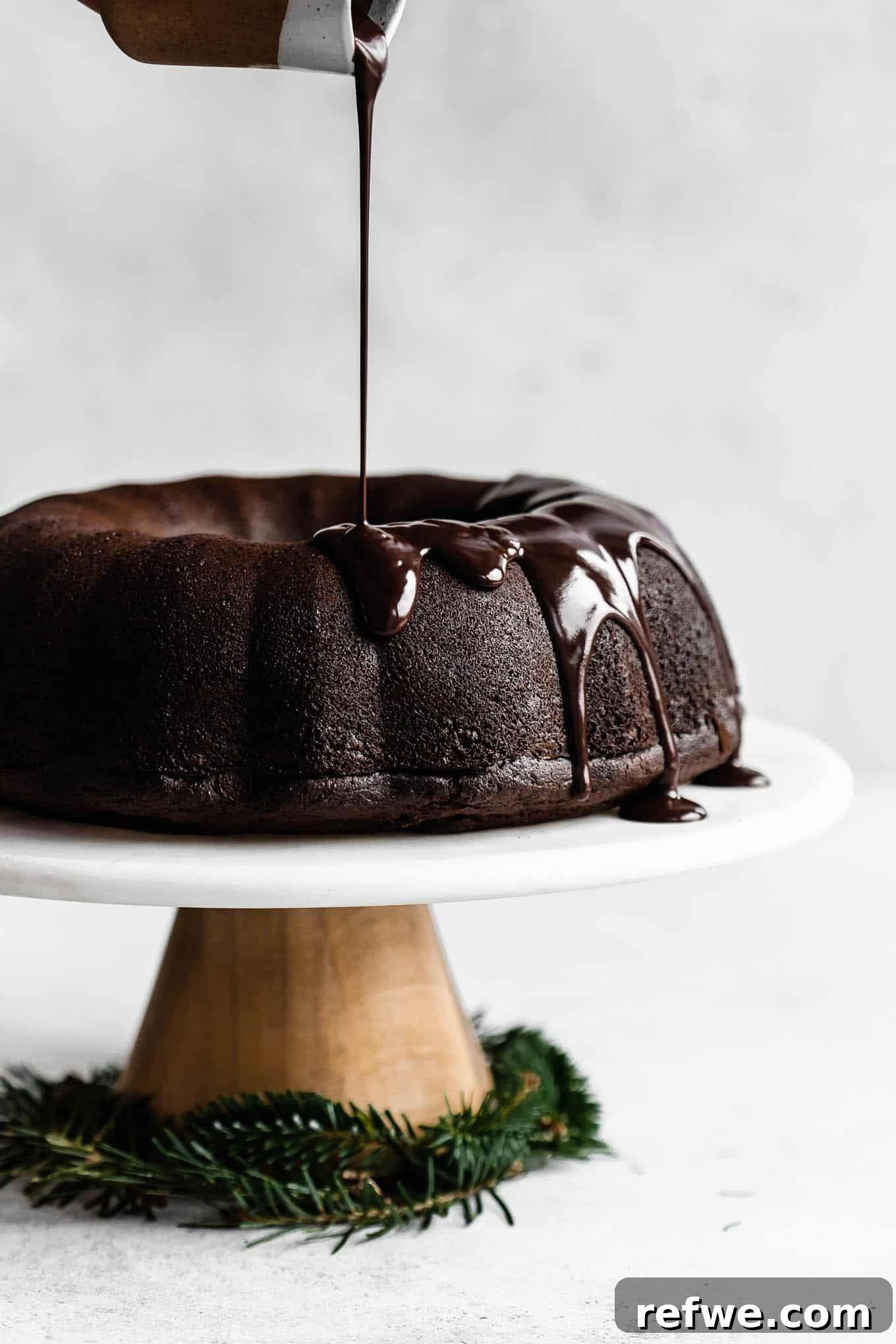
Welcome the festive season with a delightful treat that perfectly captures the essence of holiday cheer! Our Vegan Gingerbread Bundt Cake is a culinary masterpiece – incredibly moist, wonderfully fluffy, and bursting with the aromatic flavors of gingerbread. Crafted with simple, wholesome ingredients, this cake is not only utterly delicious but also surprisingly easy to prepare, making it an ideal centerpiece for any holiday gathering.
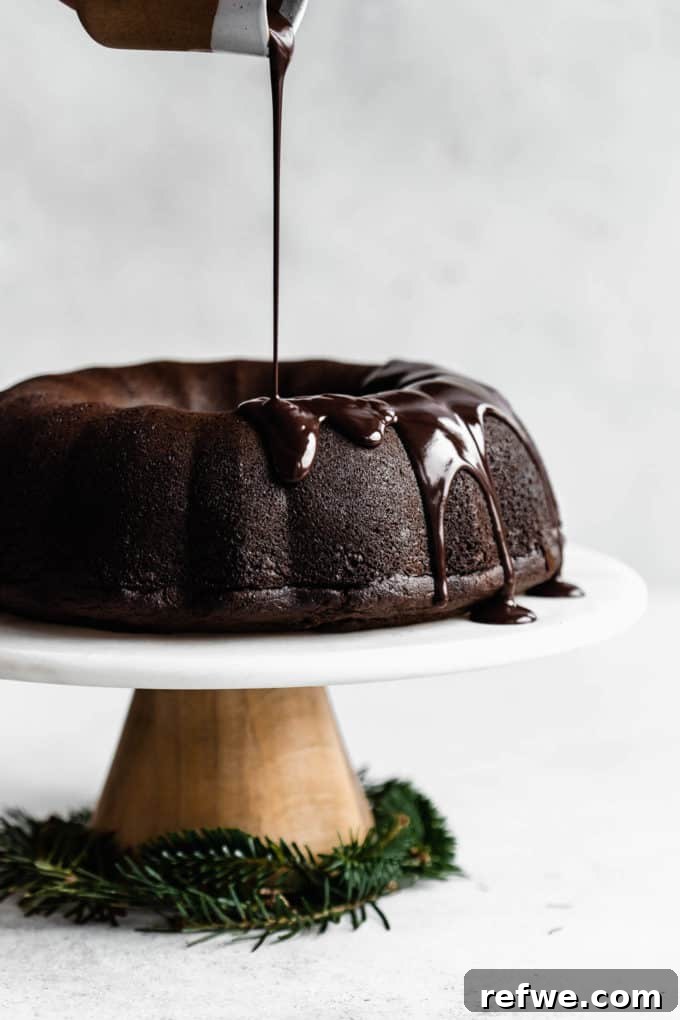
The Ultimate Festive Indulgence: Vegan Gingerbread Bundt Cake
As the holiday season unfolds, there’s one flavor that truly encapsulates its warmth, comfort, and joy: gingerbread. It’s a classic that evokes memories of cozy evenings, festive gatherings, and delicious baked goods. This year, elevate your holiday baking with our spectacular Vegan Gingerbread Bundt Cake – a recipe designed to deliver maximum flavor with minimal fuss, ensuring everyone at your table can indulge in its delightful charm. From the moment the sweet, spicy aroma fills your kitchen to the last delectable bite, this cake promises an unforgettable festive experience.
We believe the holidays deserve to be celebrated with an abundance of gingerbread! And while we adore gingerbread cookies, gingerbread donuts, and even gingerbread chia pudding, nothing quite makes a statement like a grand, beautifully crafted gingerbread cake. This bundt cake is not just a dessert; it’s a centerpiece, a conversation starter, and a heartwarming symbol of holiday generosity. Its elegant shape and rich flavor make it perfect for holiday parties, family dinners, or simply a cozy evening by the fireplace.
Crafting Your Own Signature Gingerbread Spice Blend
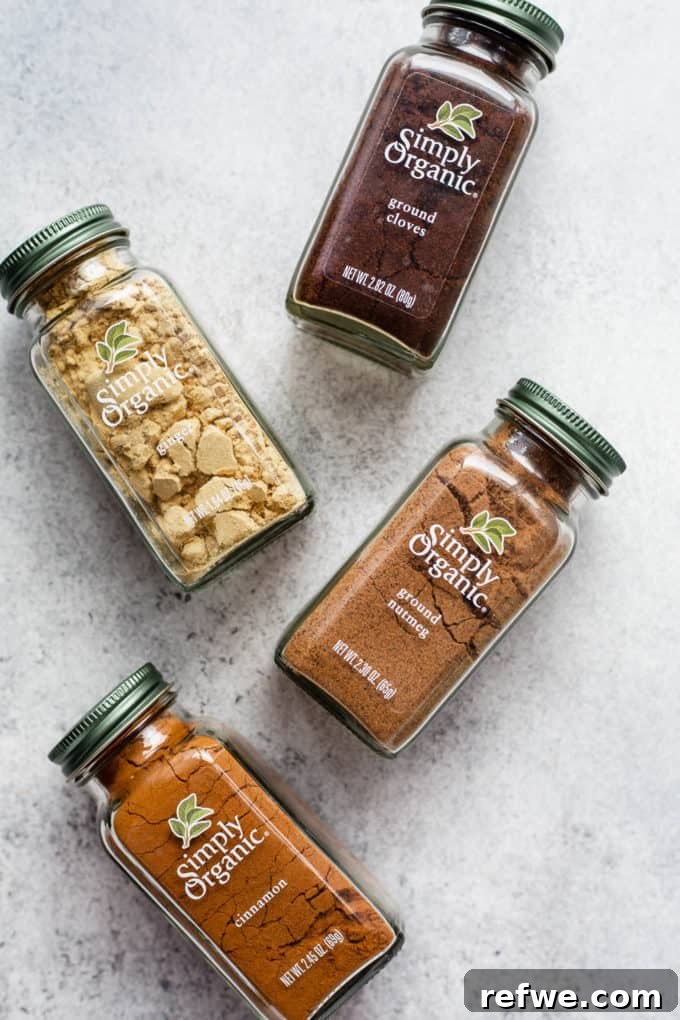
The distinctive taste of gingerbread comes from a harmonious blend of warming spices. While pre-mixed gingerbread spice blends are readily available, creating your own at home allows for a fresher, more vibrant flavor profile and gives you control over the intensity of each spice. This recipe encourages you to mix your own blend, ensuring the perfect balance that will truly make your cake shine.
The core components of a classic gingerbread spice blend include ginger, cinnamon, nutmeg, and cloves. Each spice plays a crucial role:
- Ginger: Provides the characteristic pungent, warm, and slightly peppery kick that defines gingerbread. Using a good quality ground ginger is key.
- Cinnamon: Adds a sweet, woody warmth that complements the ginger beautifully, creating a comforting base.
- Nutmeg: Contributes a sweet, subtly spicy, and slightly nutty undertone, adding complexity to the overall flavor.
- Cloves: Delivers an intense, aromatic, and somewhat sweet-and-spicy note that deepens the spice blend.
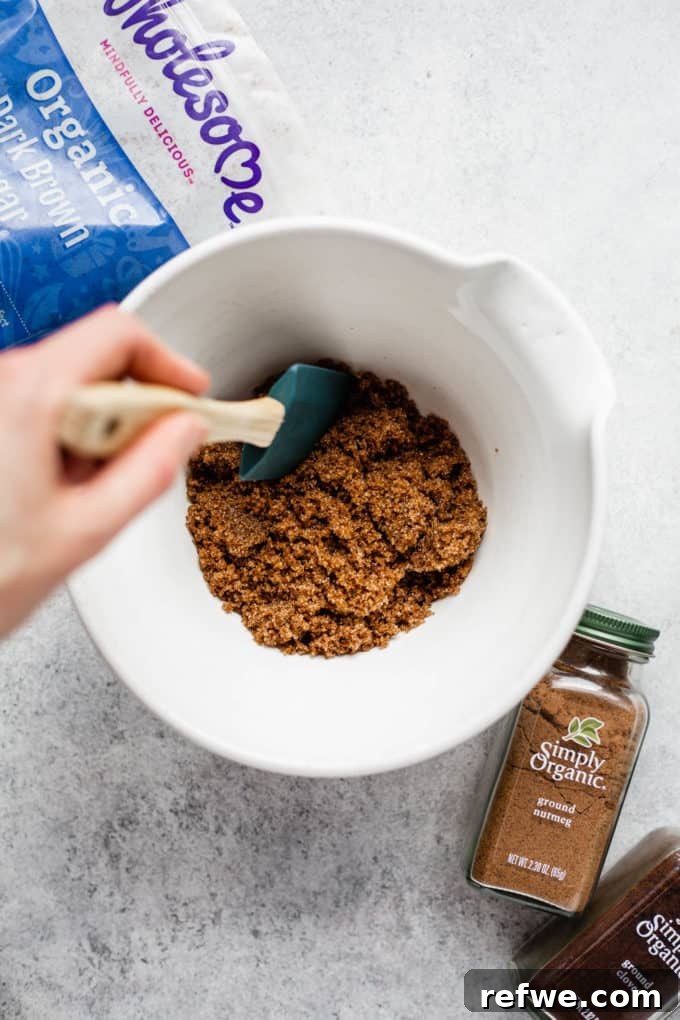
For this specific recipe, there’s no need to pre-mix these spices into a separate blend. You can simply add each one directly to your dry ingredients, allowing them to distribute evenly throughout the batter. This method saves a step without compromising on flavor, making your baking process even smoother.
Decoding Molasses: Selecting the Perfect Sweetener for Your Cake
Molasses is a fundamental ingredient in gingerbread, providing not only sweetness but also a unique depth of flavor and moisture that contributes to the cake’s tender texture. However, navigating the different types of molasses available at the grocery store can be a bit confusing. Knowing the distinctions will help you choose the best one for your desired cake profile.
Generally, you’ll encounter three primary types of molasses:
- Light Molasses: This is the byproduct of the first boiling of sugar cane syrup. It has the mildest flavor and is the sweetest of the three. It results in a lighter-colored cake with a more delicate gingerbread flavor.
- Medium (or Dark) Molasses: Produced after the second boiling, this type is less sweet than light molasses and possesses a more intense, robust flavor. It will give your cake a deeper color and a richer, more pronounced gingerbread taste.
- Blackstrap Molasses: The darkest and least sweet variety, blackstrap molasses is the result of the third boiling. It has a distinctive, slightly bitter, and highly concentrated flavor, packed with minerals. If you prefer a very rich, dark, and intensely flavored gingerbread with a hint of bitterness, blackstrap is an excellent choice.
The beauty of this recipe is its versatility: you can use any type of molasses based on your personal preference. If you desire a subtly sweet, lighter-tasting cake, opt for light molasses. For a rich, deeply flavored, and darker cake, dark or blackstrap molasses will be perfect. I personally favor blackstrap molasses for its intense flavor and deep color, which truly enhances the classic gingerbread experience.
Expert Tips for Baking Your Vegan Gingerbread Bundt Cake to Perfection
Achieving a perfectly moist and flavorful bundt cake is a rewarding experience. Here are some essential tips to guide you through the process, ensuring your Vegan Gingerbread Bundt Cake turns out beautifully every time:
- Choose Your Mixing Method: Whether you prefer the convenience of a stand mixer or the hands-on satisfaction of mixing by hand, both methods work wonderfully for this recipe. A stand mixer can make the creaming process quicker and easier, but a good old-fashioned bowl and whisk will yield equally delicious results. Ultimately, use what you’re most comfortable with.
- Coconut Oil – Solid or Melted? This recipe is flexible with the form of coconut oil you use. I’ve tested both solid and melted coconut oil, and both deliver excellent results. However, I personally lean towards using solid (but softened) coconut oil. When solid coconut oil is creamed with the brown sugar, it helps incorporate more air into the mixture, contributing to a lighter, fluffier cake texture. If your coconut oil is melted, simply adjust your mixing technique to ensure all ingredients are well combined without overmixing.
- Avoid Overmixing the Batter: This is a crucial tip for any cake, especially bundt cakes. Overmixing develops the gluten in the flour too much, which can lead to a tough, dense cake. Once you’ve added the dry ingredients to the wet ingredients, mix only until everything is just incorporated and no dry streaks of flour remain. A few small lumps are perfectly fine and often preferred over an overmixed, smooth batter.
- Room Temperature Ingredients: While not explicitly stated for all ingredients in the original notes, using room temperature wet ingredients (like almond milk and applesauce) ensures they emulsify better with the fats (coconut oil) and sugars, creating a smoother, more uniform batter and ultimately a better-textured cake.
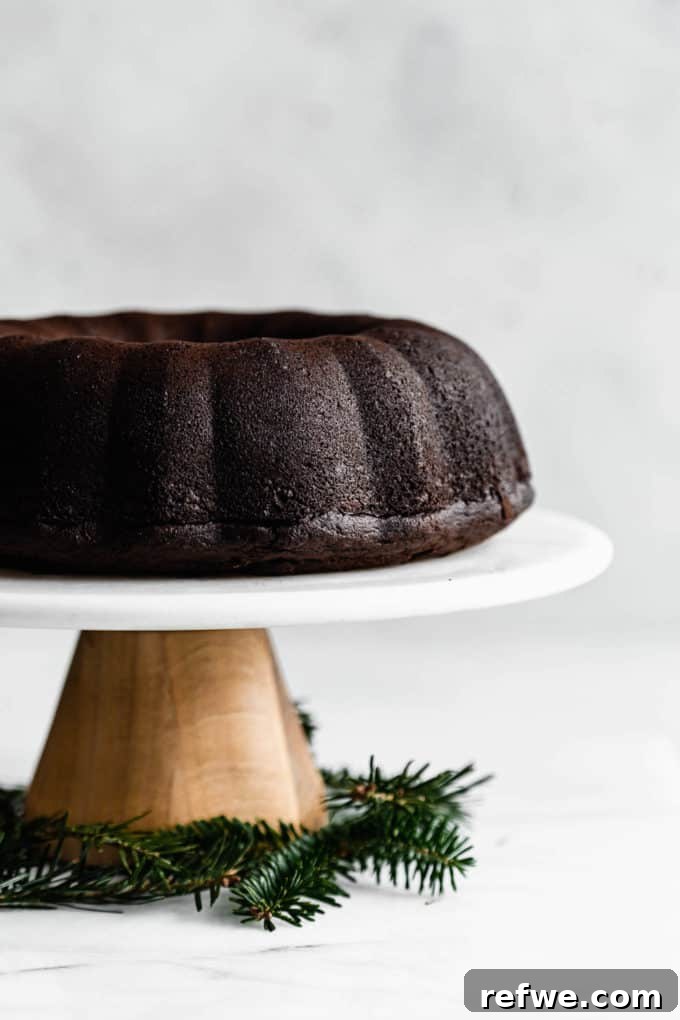
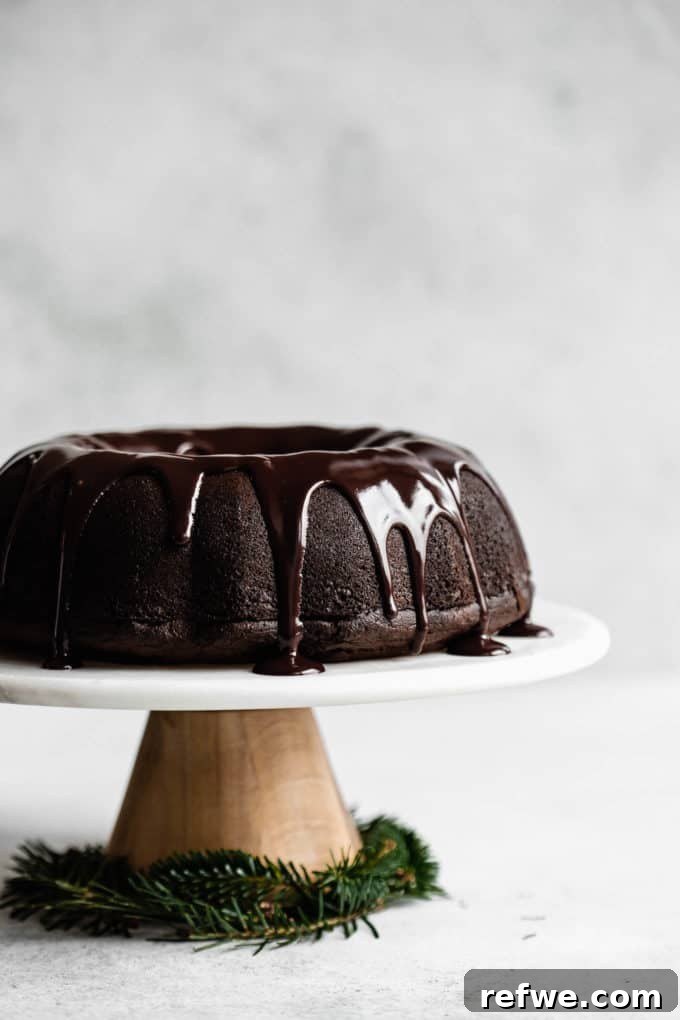
The Secret to a Seamless Release: Unmolding Your Bundt Cake
One of the most common anxieties when baking a bundt cake is the fear of it sticking to the pan and breaking upon release. There’s nothing more disheartening than a beautifully baked cake ruined at the final step! Fear not, with these tried-and-true techniques, you can ensure your bundt cake consistently comes out of the pan flawlessly, preserving its stunning shape:
- Grease Generously with Vegetable Shortening: This is arguably the most critical step. Right before you’re ready to pour your batter, thoroughly grease every nook and cranny of your bundt pan using solid vegetable shortening. Use your fingers or a pastry brush to spread a generous, even layer. It’s important to use shortening, not liquid oil, as shortening provides a more robust, non-stick barrier that adheres better to the pan’s surface and maintains its integrity under heat. This is the ultimate secret to preventing sticking.
- Dust with Cocoa Powder or Flour: After greasing, lightly dust the entire interior of the pan with either cocoa powder or flour. For this gingerbread cake, which has a darker hue, cocoa powder is highly recommended. It blends seamlessly with the cake’s color, preventing any white residue that flour might leave, and can even add a subtle chocolatey hint. Gently tap the pan to ensure the powder coats all surfaces, then invert and tap out any excess.
- Precise Cooling Time: Once baked, resist the urge to immediately flip your cake. Allowing the bundt cake to cool in the pan for exactly 10 minutes is crucial. During this brief period, the cake firms up slightly, making it less fragile, and the edges pull away from the pan as it contracts. Cooling too long in the pan can cause moisture to build up, leading to sticking, while flipping too soon can result in breakage.
- Gentle Release: After the 10-minute cooling period, place a wire rack or serving plate over the top of the bundt pan. With confidence, carefully flip the pan and rack/plate together. Give the top of the pan a few gentle taps all around its surface to encourage the cake to release. You should feel it gently detach. Lift the pan slowly; if there’s any resistance, give a few more taps.
A final tip: the more intricate the design of your bundt pan, the higher the chance for the cake to stick. If you’re new to bundt baking or simply want to minimize risk, I recommend using a pan with a simpler, less elaborate design. This makes both greasing and unmolding much easier.
Why Embrace Vegan Baking This Holiday Season?
Choosing vegan options for your holiday spread isn’t just a trend; it’s a thoughtful approach to baking that offers numerous benefits. This Vegan Gingerbread Bundt Cake is a testament to how delicious and satisfying plant-based desserts can be, appealing to a wide range of dietary needs and preferences.
- Inclusivity: Vegan desserts ensure that guests with dairy allergies, lactose intolerance, or those following a vegan diet can enjoy the festive treats without compromise. No one gets left out of the holiday magic!
- Lighter and Often Healthier: Many vegan recipes substitute traditional animal products with plant-based alternatives that can be lighter or offer different nutritional profiles. For instance, applesauce in this recipe adds moisture while reducing the need for excessive fats.
- Flavorful Innovation: Vegan baking encourages creativity with ingredients, leading to exciting new flavor combinations and textures. Our gingerbread cake proves that plant-based doesn’t mean sacrificing richness or taste.
- Sustainable Choice: Opting for plant-based ingredients often has a lower environmental footprint, making your holiday feast a little kinder to the planet.
More Festive & Flavorful Holiday Recipes to Savor
The holiday season is a wonderful time to explore new flavors and traditions. If you’ve enjoyed this Vegan Gingerbread Bundt Cake, you’ll love these other festive recipes that are perfect for sharing:
- Pumpkin Spice Latte Cupcakes: Capture the essence of autumn and winter with these cozy, spiced cupcakes.
- Peppermint Mocha Donuts: A delightful combination of chocolate and mint, perfect for a cheerful morning treat.
- Gingerbread Latte: Warm up from the inside out with this comforting and flavorful beverage.
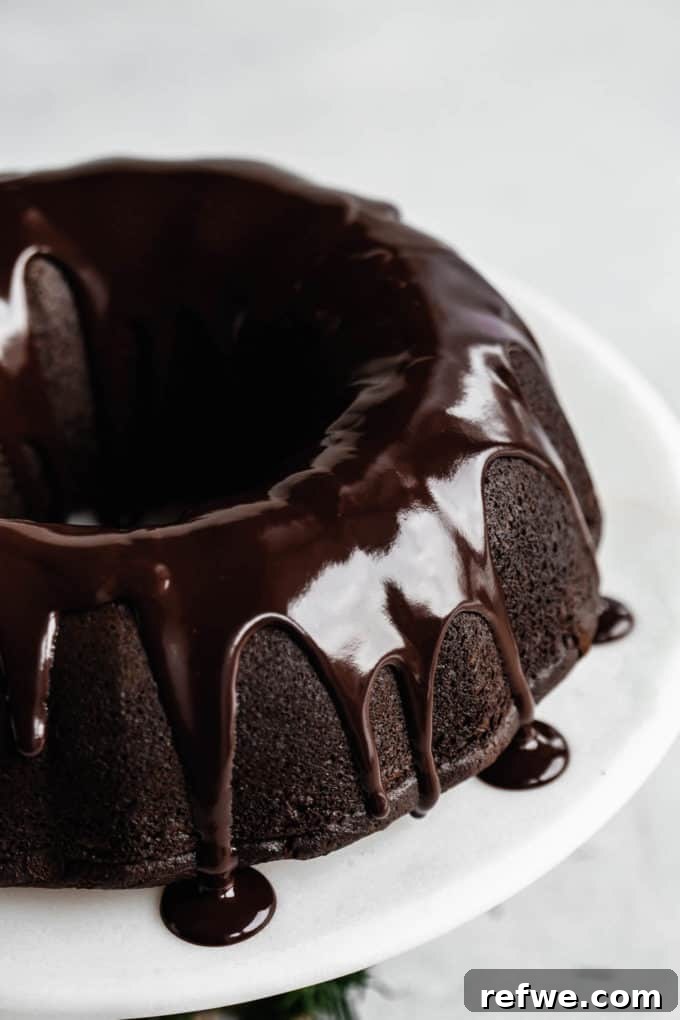
We hope you adore this Vegan Gingerbread Bundt Cake as much as we do! If you try this recipe or any other from our collection, we’d love to hear about it. Please share your experience by leaving a comment and rating below. Don’t forget to follow us on Pinterest, Instagram, and Facebook for even more delicious and inspiring plant-based recipes!
Print
Vegan Gingerbread Bundt Cake
- Author: Jessica Hoffman
Prep Time: 15 minutes
Cook Time: 45 minutes
Total Time: 60 minutes
Yield: 12 servings
Category: Dessert
Method: Bake
Cuisine: American
Diet: Vegan
Description
This Vegan Gingerbread Bundt Cake is incredibly moist, loaded with rich gingerbread flavor, and boasts a wonderfully soft texture. It’s the perfect festive treat to celebrate the holidays, and you can crown it with an indulgent chocolate glaze for an extra touch of decadence if you wish!
Ingredients
For the Moist Gingerbread Bundt Cake:
- 3 cups all-purpose flour (or a 1-to-1 gluten-free flour blend for a gluten-free option)
- 3 tsp baking powder
- 3 tsp baking soda
- 1/2 tsp fine sea salt
- 2 1/2 tsp ground ginger (for that classic zing!)
- 1 tsp ground cinnamon
- 1/2 tsp ground nutmeg
- 1/2 tsp ground cloves
- 3/4 cup coconut oil (softened solid, not melted for best creaming with sugar)
- 1 cup organic dark brown sugar (packed)
- 3/4 cup molasses (blackstrap molasses is recommended for a rich flavor)
- 3/4 cup unsweetened applesauce
- 1 1/2 cups unsweetened almond milk (at room temperature)
- 1 tsp pure vanilla extract
For the Decadent Chocolate Glaze (Optional):
- 4 oz good quality semi-sweet chocolate chips (vegan-friendly)
- 1/2 tsp ground cinnamon (adds a lovely warm hint to the glaze)
- 1/2 cup full-fat coconut milk (canned, shake well before opening)
Instructions
- Prepare Your Oven: Preheat your oven to 350 degrees F (175 degrees C). This ensures the oven is at the correct temperature when your cake goes in, promoting even baking.
- Combine Dry Ingredients: In a large mixing bowl, whisk together the flour, baking powder, baking soda, salt, ground ginger, cinnamon, nutmeg, and cloves until they are thoroughly combined. Set this mixture aside.
- Cream Wet Ingredients: In the bowl of a stand mixer (or a large bowl if mixing by hand), add the softened solid coconut oil and organic dark brown sugar. Beat them together on medium speed until the mixture is light, creamy, and fluffy, typically for 2-3 minutes. This step incorporates air and creates a tender crumb.
- Incorporate Remaining Wet Ingredients: Gradually add the molasses, unsweetened applesauce, and room temperature almond milk to the creamed mixture, one at a time. Mix on low speed after each addition until just combined. Finish by mixing in the vanilla extract. Scrape down the sides of the bowl to ensure all ingredients are well incorporated.
- Combine Wet and Dry Mixtures: With your mixer on low speed, slowly add the dry ingredients to the wet ingredients in three additions. Mix each portion only until it is just incorporated and no dry streaks of flour are visible. Once all dry ingredients are added, increase the speed to medium-high and mix for a final 30 seconds to ensure everything is well combined without overmixing.
- Prepare the Bundt Pan: Generously grease your bundt pan with solid vegetable shortening, ensuring every crevice is coated. Then, lightly dust the entire interior of the pan with cocoa powder (or flour for a lighter cake), tapping out any excess. This dual method is crucial for preventing sticking.
- Bake the Cake: Carefully pour the prepared gingerbread batter into the greased and floured bundt pan, spreading it evenly. Bake for 40-50 minutes, or until a wooden skewer or toothpick inserted into the center of the cake comes out clean or with only a few moist crumbs attached.
- Cool and Unmold: Once baked, remove the bundt cake from the oven and let it cool in the pan on a wire rack for exactly 10 minutes. This cooling time allows the cake to set and slightly pull away from the pan. After 10 minutes, invert the cake onto a wire rack to cool completely. Gently tap the pan if needed to release the cake. Allow the cake to cool fully before glazing.
- Prepare and Apply Chocolate Glaze (Optional): If adding a glaze, gently melt the semi-sweet chocolate chips, cinnamon, and full-fat coconut milk together in a heatproof bowl set over a saucepan of simmering water (double boiler method) or in the microwave in 30-second intervals, stirring until smooth and glossy. Once the cake has completely cooled, drizzle or pour the chocolate glaze over the top, allowing it to drip down the sides for a beautiful finish.
Notes
This Vegan Gingerbread Bundt Cake is absolutely delicious even without any glaze! For a simpler presentation, you can lightly dust the cooled cake with powdered sugar or serve it alongside fresh berries for a vibrant contrast. Consider adding a dollop of vegan whipped cream for an extra touch of indulgence.
Mixing Your Batter: Whether you opt for a stand mixer or prefer to mix the cake by hand, both methods are effective. I personally find a stand mixer makes the process quicker and more efficient (sometimes laziness truly wins!). The key is to ensure all ingredients are well combined without overworking the batter.
Coconut Oil Options: This recipe is forgiving with the state of your coconut oil. I’ve successfully tested the recipe using both solid (but softened) and melted coconut oil. I generally prefer using solid coconut oil because it creams beautifully with the sugar, incorporating air and contributing to a lighter texture. If you choose melted coconut oil, just make sure your other wet ingredients are at room temperature to prevent the coconut oil from solidifying prematurely.
Preventing a Dense Cake: The golden rule for a tender cake is to avoid overmixing the batter. Once you introduce the dry ingredients, mix only until they are just incorporated. Overmixing develops gluten, which can lead to a tough, chewy cake. Stop mixing as soon as you see no more streaks of dry flour.
Storage: Store the cooled cake in an airtight container at room temperature for up to 3-4 days, or in the refrigerator for up to a week. It also freezes beautifully for longer storage; wrap individual slices or the whole cake tightly in plastic wrap and then foil for up to 2-3 months.
Nutrition
- Serving Size: 1 slice
- Calories: 370
- Sugar: 27g
- Fat: 17g
- Saturated Fat: 12g
- Carbohydrates: 56g
- Fiber: 5g
- Protein: 5g