
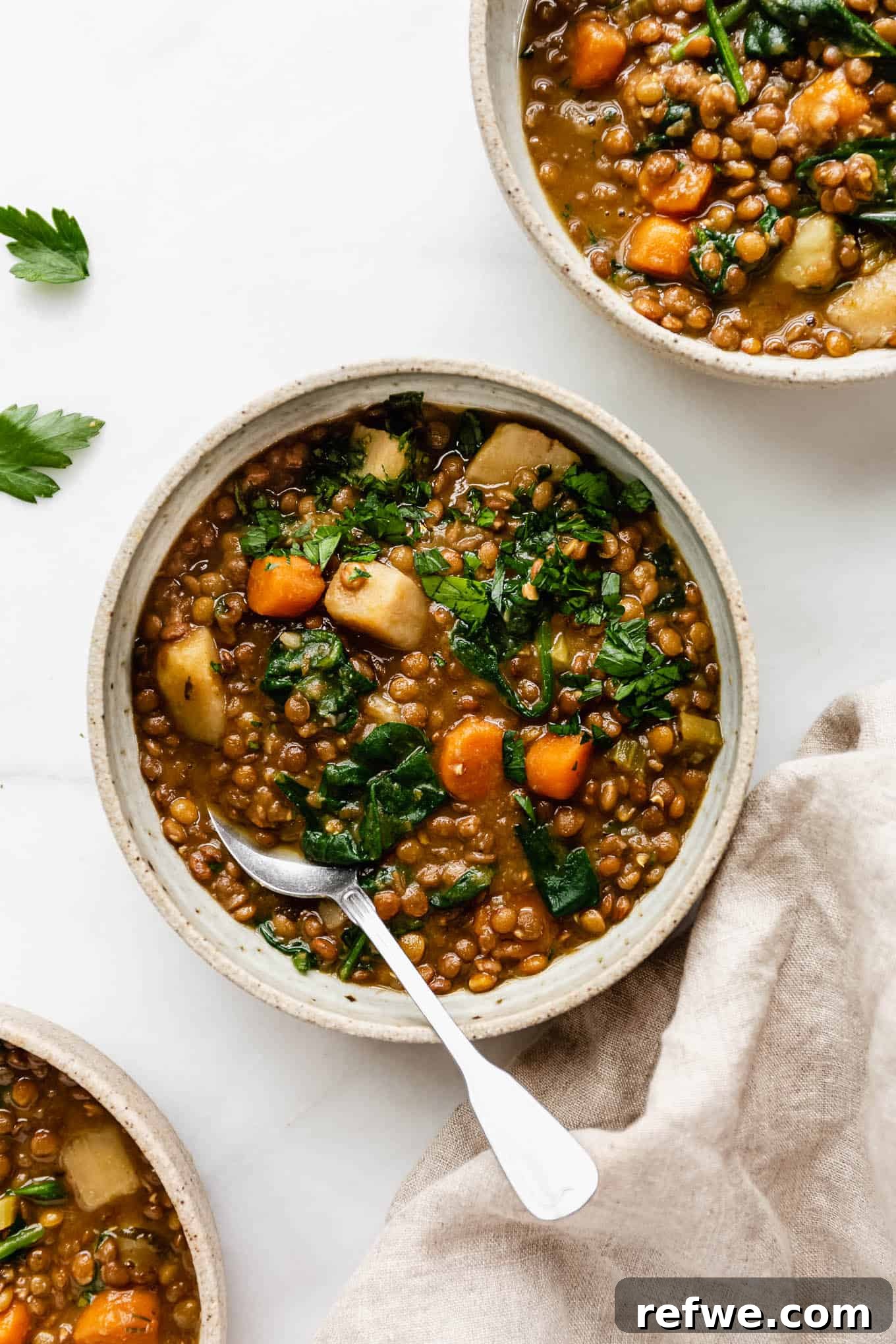
Embrace the comforting warmth of this incredible Lentil Stew Recipe! Naturally vegan and gluten-free, each serving delivers a robust 16 grams of plant-based protein, making it an ideal choice for quick weeknight meals or whenever you crave a deeply satisfying and nourishing dish. This stew isn’t just food; it’s a hug in a bowl, designed to warm you from the inside out with its rich flavors and wholesome ingredients, perfect for chilly evenings or a healthy boost anytime.
The Ultimate Vegetarian and Vegan-Friendly Lentil Stew: A Plant-Based Powerhouse
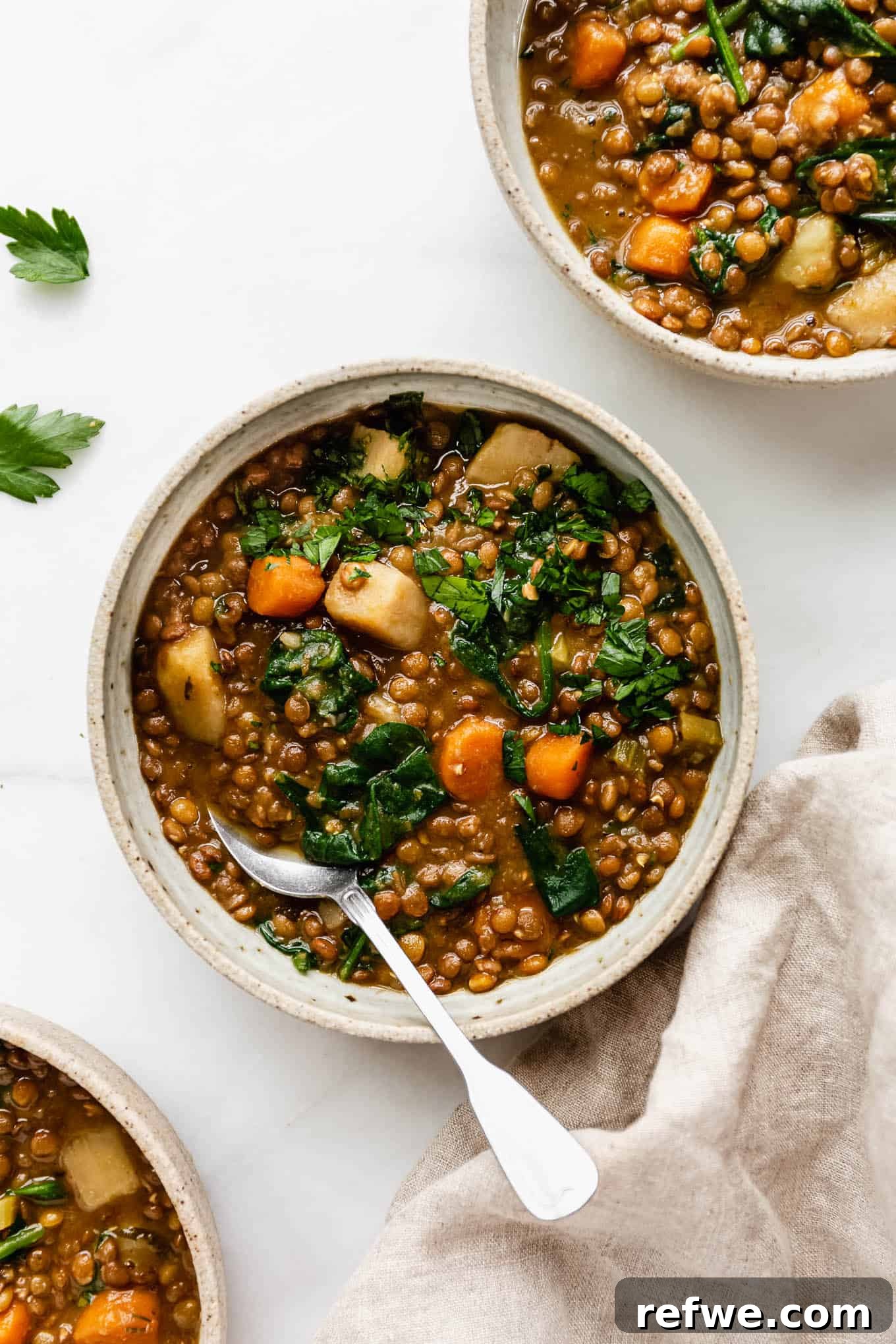
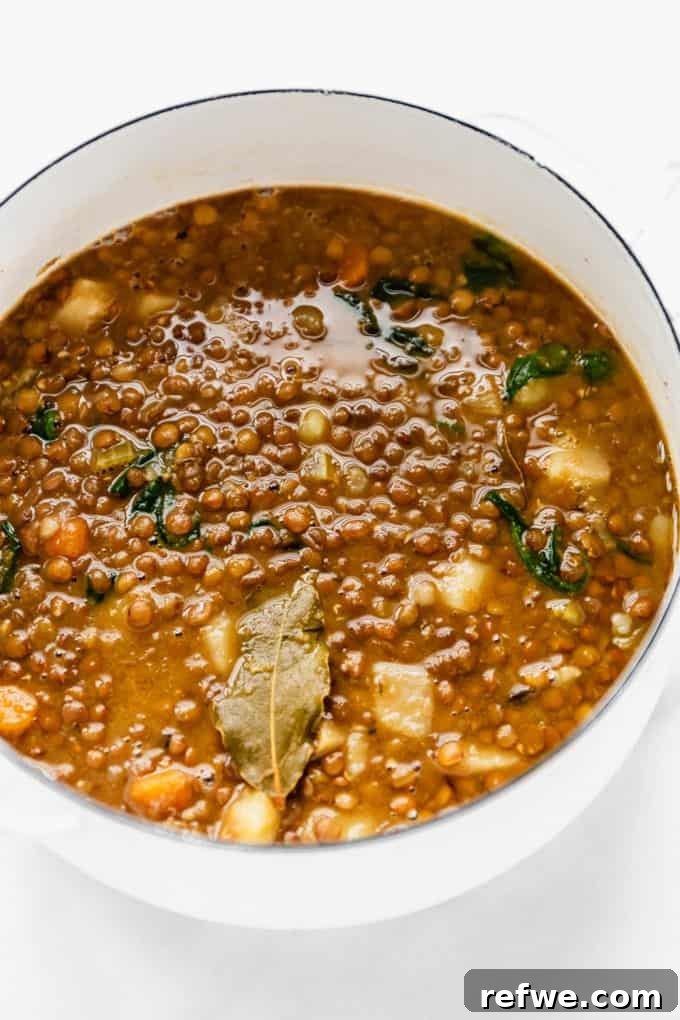
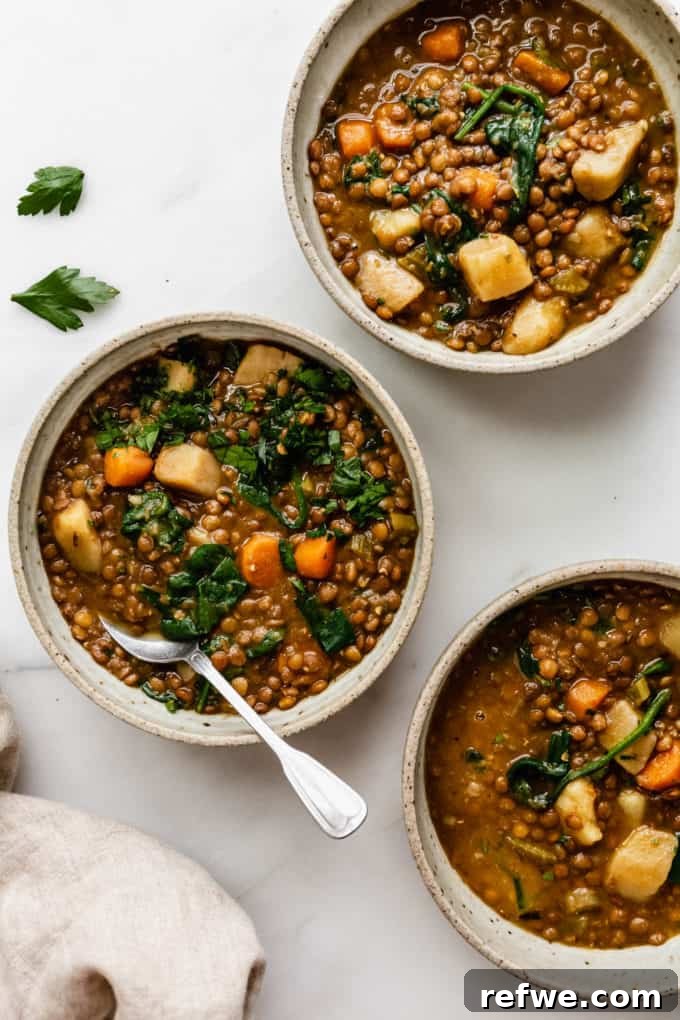
As the crisp air of Fall arrives and winter evenings draw in, there’s truly nothing more inviting than a steaming bowl of homemade soup or stew. These comforting creations are not only incredibly filling but also provide the perfect warmth against the colder weather. Our signature Lentil Stew stands out as a thick, robust dish, distinctly heartier than a typical lentil soup. It’s generously loaded with wholesome, earthy ingredients like tender potatoes and sweet carrots, creating a truly satisfying texture and flavor profile. This is a meal crafted to be savored with a spoon, delightful on its own, or elevated with a slice of crusty, artisanal bread for dipping.
This particular recipe is destined to become a beloved staple in your kitchen, especially during the colder months. It shines as an exceptional vegetarian and vegan meal, not only for its incredible taste but also because it’s abundantly packed with protein and dietary fiber. These essential nutrients contribute to a feeling of fullness and sustained energy, making it a healthy choice for any diet. Whether you’re a seasoned plant-based eater or simply looking to incorporate more nutritious and delicious meatless options into your routine, this lentil stew offers an accessible and incredibly rewarding culinary experience. Its simplicity and rich flavor make it a go-to dish for busy individuals and families alike, providing comfort without compromising on health.
Why You’ll Fall in Love with This Easy & Nutritious Lentil Stew
Beyond its delicious taste and impressive nutritional value, this lentil stew offers several practical benefits that make it an absolute winner in any kitchen:
- Effortless One-Pot Preparation: Say goodbye to a sink full of dishes! This entire lentil stew comes together in just one large pot. This significantly simplifies the cooking process, making it incredibly easy to “throw together” on a busy day, and even easier to clean up afterward. Just a single pot stands between you and a delicious, comforting meal, perfect for those evenings when time is of the essence.
- Ideal for Meal Prepping: For those who appreciate the convenience of planning meals ahead, this lentil stew is your perfect ally. It can be prepared in advance and stored in the refrigerator for up to a week. In fact, its flavors often deepen and intensify overnight, becoming even more delicious on the second or third day as the ingredients meld further. It’s a fantastic way to ensure healthy, ready-to-eat meals throughout your busy week, reducing cooking stress.
- Remarkably Freezer-Friendly: Maximize your efforts by doubling the recipe! Prepare a larger batch and easily freeze half for future meals. This means you’ll always have a wholesome and convenient dinner option readily available, perfect for those evenings when you need a quick, no-fuss solution. Properly stored in airtight, freezer-safe containers, this stew maintains its quality and deliciousness in the freezer for up to three months, offering incredible flexibility.
- Endlessly Customizable Flavor Profile: One of the greatest joys of cooking is the freedom to personalize your dishes. This lentil stew serves as a fantastic base, inviting you to experiment with your favorite herbs, spices, or seasonings. Whether you prefer a touch more heat with chili flakes, an extra layer of aromatic herbs like bay leaves, or a unique spice blend such as curry powder, feel free to adapt it to suit your personal taste preferences and culinary creativity. You can also vary the vegetables based on what’s in season or what you have on hand.
Understanding Lentils: Choosing the Right Type for Your Perfect Stew
Lentils are a nutritional powerhouse and a versatile ingredient in plant-based cooking. However, their various types behave differently when cooked, making the choice crucial for the desired texture of your stew. Understanding these differences will help you achieve the best results:
- Brown Lentils: These are perhaps the most common and widely available variety. Brown lentils are excellent for stews because they take approximately 30 minutes to cook and, crucially, hold their shape remarkably well. This characteristic ensures your stew has a pleasing texture with distinct, firm lentils rather than a mushy consistency. They offer a mild, earthy flavor that beautifully absorbs the spices and aromatics of the stew, making them our top recommendation for this recipe.
- Green Lentils: Slightly larger than brown lentils, green lentils are known for their rich, somewhat peppery flavor. Similar to brown lentils, they maintain their shape and texture well after cooking, making them another strong contender for a hearty stew. However, green lentils can sometimes require a longer cooking time compared to brown varieties, often up to 45 minutes or more. If you opt for green lentils in this recipe, it’s advisable to monitor their tenderness and adjust your simmering time accordingly to achieve the perfect consistency, ensuring they are cooked through but not overly soft.
- Red Lentils: Distinguished by their vibrant orange-red hue, red lentils are the sweetest and mildest in flavor among the common types. They cook relatively quickly, often within 20-30 minutes, but have a tendency to break down and become quite mushy when fully cooked. While this characteristic is highly desirable for dishes like creamy Red Lentil Dahl or thick soups where a smooth texture is preferred, it’s generally not ideal if you desire whole, distinct lentils in your stew. Therefore, if you’re aiming for a stew with visible, structured lentils, I would recommend avoiding red lentils for this particular recipe. However, if a thicker, more homogenous stew is what you’re after, they could be used, reducing the overall cooking time.
Essential Tip for Cooking Lentils: Regardless of the type you choose, it’s always best practice to thoroughly rinse your lentils under cold running water until the water runs clear before incorporating them into any recipe. This simple step helps to remove any surface dirt, debris, and, importantly, can reduce any potential bitterness, ensuring a cleaner and more pleasant flavor in your final dish.
Wholesome Ingredients for a Flavorful Lentil Stew Recipe
Crafting a truly exceptional lentil stew begins with selecting fresh, high-quality ingredients. Each component plays a vital role in building the robust and comforting flavor profile of this one-pot meal:
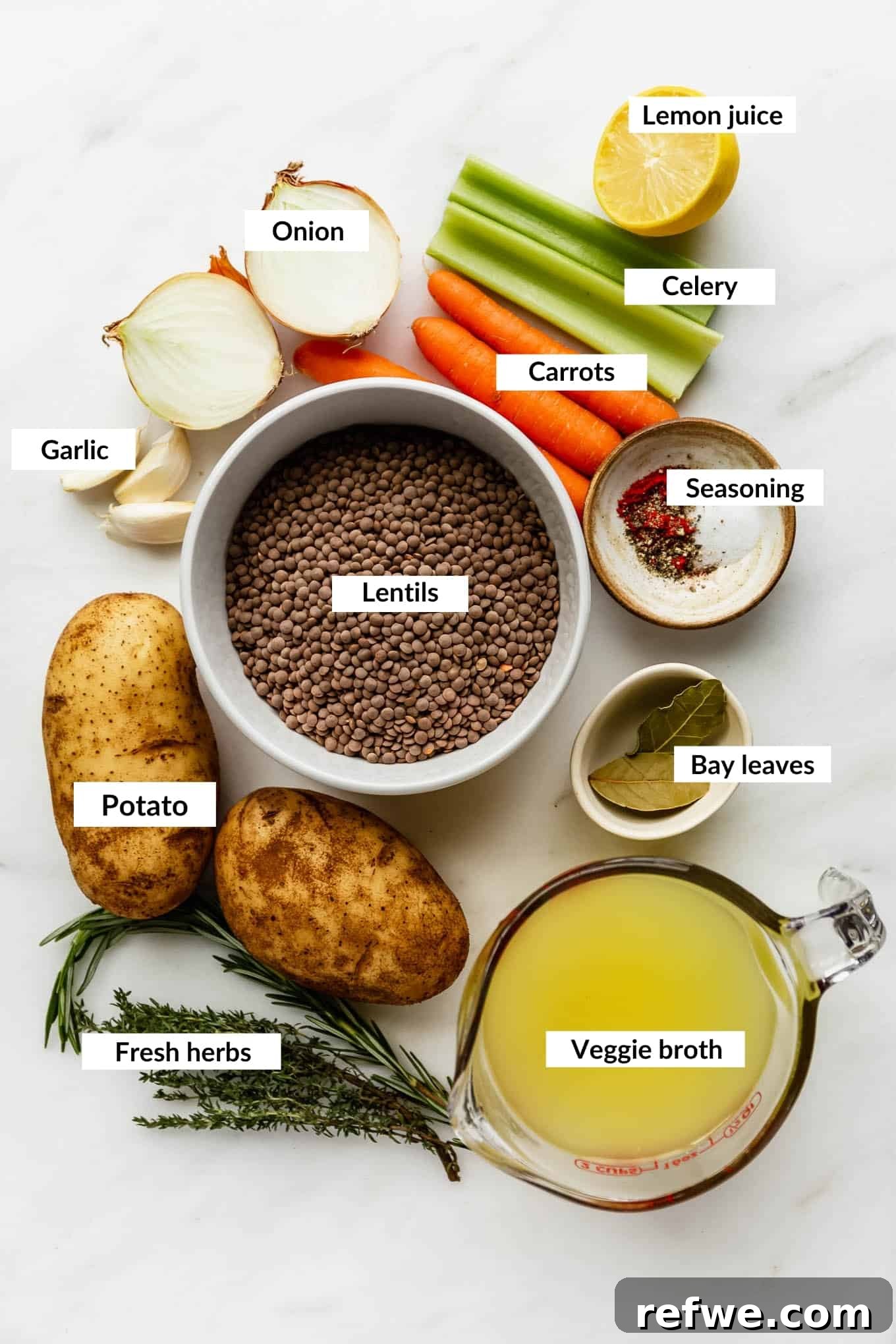
- Olive Oil (2 tbsp): This is the foundation of flavor. Extra virgin olive oil adds a lovely richness when sautéing the initial aromatics, helping to coax out their sweetness and fragrance. Feel free to use your preferred high-smoke-point cooking oil if olive oil isn’t on hand.
- Onion (1 medium, chopped): A cornerstone of savory dishes, onion provides a sweet and aromatic base when caramelized. A regular white onion works perfectly, but for a slightly milder and sweeter touch, shallots can be a wonderful alternative, adding a more delicate onion flavor.
- Garlic (4 cloves, finely chopped): The amount of garlic is truly a matter of personal preference! This recipe calls for 4 cloves for a robust garlic presence, but don’t hesitate to add more (up to 6 cloves) or a little less (2-3 cloves) depending on how much you love that pungent, savory kick. Freshly minced garlic yields the best results.
- Celery (1 stalk, chopped): Often underestimated, celery is a crucial aromatic that forms part of the “mirepoix” (onion, celery, carrot) base, essential for developing a deep, complex flavor in the stew. It adds a subtle freshness and savory note that truly enhances the overall taste profile and texture.
- Carrots (2 large, chopped): Sweet and earthy, carrots contribute natural sweetness, vibrant color, and a pleasant, tender texture to the stew. Adjust the quantity to your liking; 2-3 large carrots are generally ideal for a balanced flavor.
- Potatoes (2 medium russet, cut into approximately 3 cups of cubes): Russet potatoes are excellent for stews as they become wonderfully tender and slightly starchy, naturally helping to thicken the stew and provide a satisfying, hearty bite. However, this recipe is highly adaptable – feel free to use any type of potato you love, such as Yukon Golds for a creamier texture, or even sweet potatoes for a delightful twist, added sweetness, and an extra nutritional boost.
- Spices: A simple yet powerful trio creates the signature warmth and depth of this stew:
- Smoked Paprika (2 tsp): This is a star ingredient, infusing the stew with a wonderfully smoky depth that is both comforting and unique. If you don’t have smoked paprika, regular sweet paprika can be substituted, though you’ll miss the smoky nuance that makes this stew extra special.
- Salt (1/2 tsp): Essential for enhancing all the other flavors and bringing them into harmony. Adjust to taste throughout the cooking process.
- Black Pepper (1/2 tsp): Adds a subtle kick and complements the other spices beautifully, providing a pleasant warmth.
- Herbs: Fresh herbs are the secret to achieving that quintessential, deeply aromatic “stew flavor.”
- Fresh Rosemary (2 tbsp, chopped): Earthy and piney, rosemary adds a robust, traditional stew character that pairs wonderfully with root vegetables.
- Fresh Thyme Leaves (2 tbsp): Fragrant and slightly floral, thyme pairs perfectly with rosemary and the other hearty ingredients, contributing a classic savory depth.
- If fresh herbs are unavailable, dried herbs can be used. As a general rule, use about one-third the amount of dried herbs compared to fresh, as their flavor is more concentrated (e.g., 2 teaspoons dried rosemary and 2 teaspoons dried thyme).
- Brown Lentils (1 cup, dry): As discussed, brown lentils are preferred for their ability to hold their shape, giving the stew a satisfying, firm texture. While you can substitute with your favorite lentil type, keep in mind the textural differences. If you happen to have leftover lentils or are looking to explore other lentil dishes, consider making these Lentil Burger Patties.
- Vegetable Broth (4 cups): This forms the savory liquid base of your stew, infusing every ingredient with rich, umami goodness. Opt for a high-quality vegetable broth, or any other broth you enjoy. Low-sodium broth is highly recommended to allow for better control over the final seasoning of your dish.
- Lemon Juice (1 tbsp): A squeeze of fresh lemon juice at the end is a game-changer. It brightens the flavors, adds a touch of acidity, and beautifully balances the richness of the stew, lifting the entire dish and making it taste incredibly fresh and vibrant.
- Bay Leaves (2): A classic stew ingredient, bay leaves impart a subtle, almost minty and slightly floral aroma that contributes significantly to the overall depth of flavor. Remember to remove them before serving, as they are not meant for consumption!
- Spinach (2 cups, optional): For an extra boost of greens, vitamins, and a pop of color, stir in some fresh spinach at the very end of the cooking process. Its tender leaves will wilt quickly into the hot stew, adding a mild, earthy taste. If you prefer a simpler stew, you can certainly leave it out without compromising the core flavor.
*Please note: The measurements provided here are for your convenience. Follow the detailed step-by-step instructions below for the full cooking process and the best results.
Simple Steps to Create Your Hearty Lentil Stew
Making this flavorful, nourishing, and hearty lentil stew is a straightforward process, achievable right in one pot. Follow these easy steps to create a comforting and delicious meal that the whole family will love:
Step 1: Sauté the Aromatics
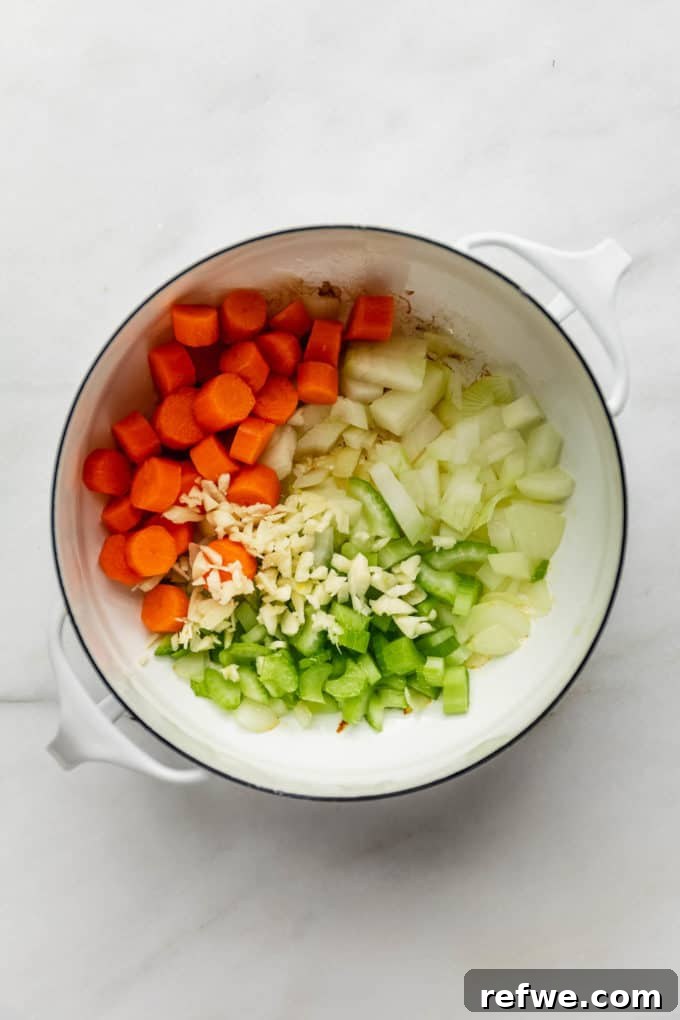
Begin by heating 2 tablespoons of olive oil in a large, heavy-bottomed pot or Dutch oven over medium-high heat. Allow the oil to heat sufficiently until it shimmers. Then, add the chopped onion, minced garlic, chopped celery, and chopped carrots to the hot oil. Sauté these aromatic vegetables for 4-5 minutes, stirring occasionally, until the onions become translucent, the garlic is fragrant, and the vegetables start to soften slightly and release their wonderful aromas. This crucial initial step builds the foundational flavor of your stew.
Step 2: Add Potatoes and Seasonings
Next, introduce the cubed potatoes to the pot with the sautéed aromatics. Sprinkle in the 2 teaspoons of smoked paprika, 1/2 teaspoon of salt, and 1/2 teaspoon of black pepper. Add the fresh, chopped 2 tablespoons of rosemary and 2 tablespoons of fresh thyme leaves. Stir everything together thoroughly, ensuring all the vegetables are evenly coated in the aromatic spices and herbs. Continue to cook for another 1-2 minutes, stirring gently, allowing the spices to bloom in the heat and infuse their deep, rich flavors into the vegetables before adding any liquid.
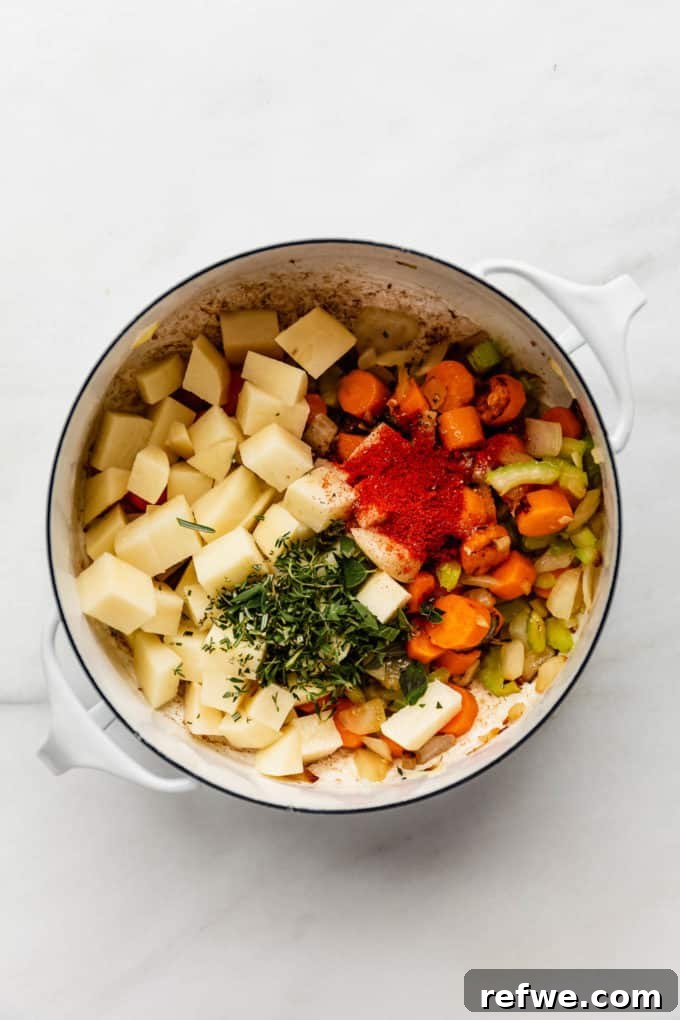
Step 3: Introduce the Lentils
Before adding the lentils to the pot, it’s important to prepare them. Using a fine-mesh strainer, take 1 cup of dry brown lentils and rinse them thoroughly under cold running water for about 30 seconds until the water runs completely clear. This simple but important step is crucial for removing any dirt or debris and can help reduce any natural bitterness. Once rinsed, add the clean lentils to the pot with the sautéed vegetables and spices, distributing them evenly.
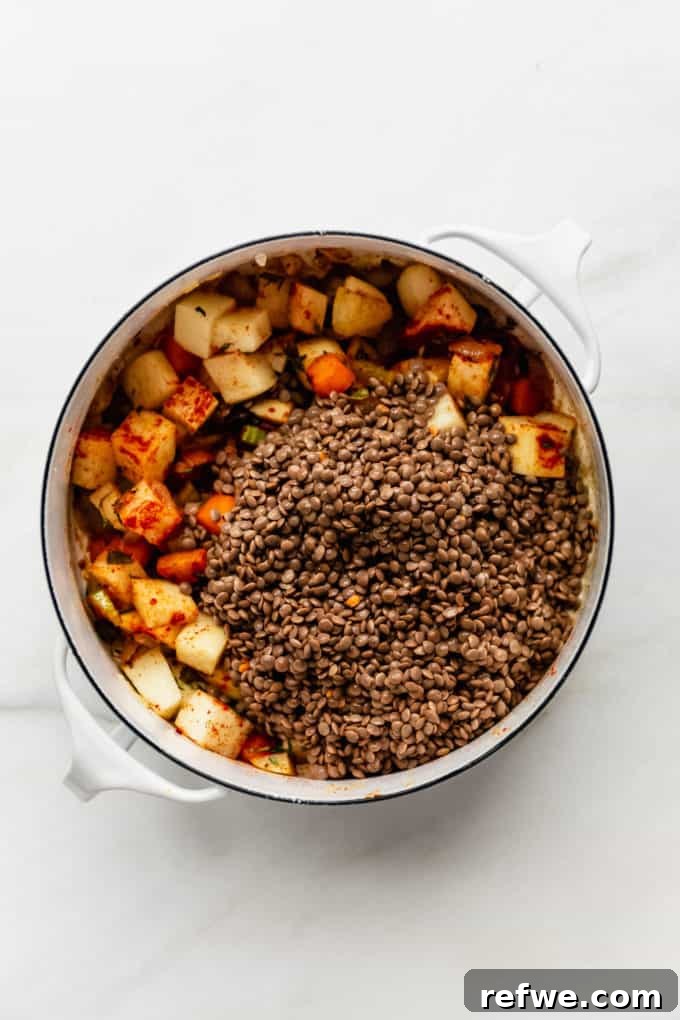
Step 4: Simmer to Perfection
Now, pour in 4 cups of vegetable broth, add 1 tablespoon of fresh lemon juice, and carefully nestle the 2 bay leaves into the mixture. Stir everything gently to combine all the ingredients thoroughly. Bring the stew to a gentle simmer, then immediately reduce the heat to low. Cover the pot tightly with a lid and let it cook for 30-45 minutes. The simmering time may vary slightly depending on your specific type of lentils and your desired tenderness. Cook until the lentils are fully tender and the potatoes are easily pierced with a fork, and the stew has thickened to your liking. Stir occasionally to prevent sticking.
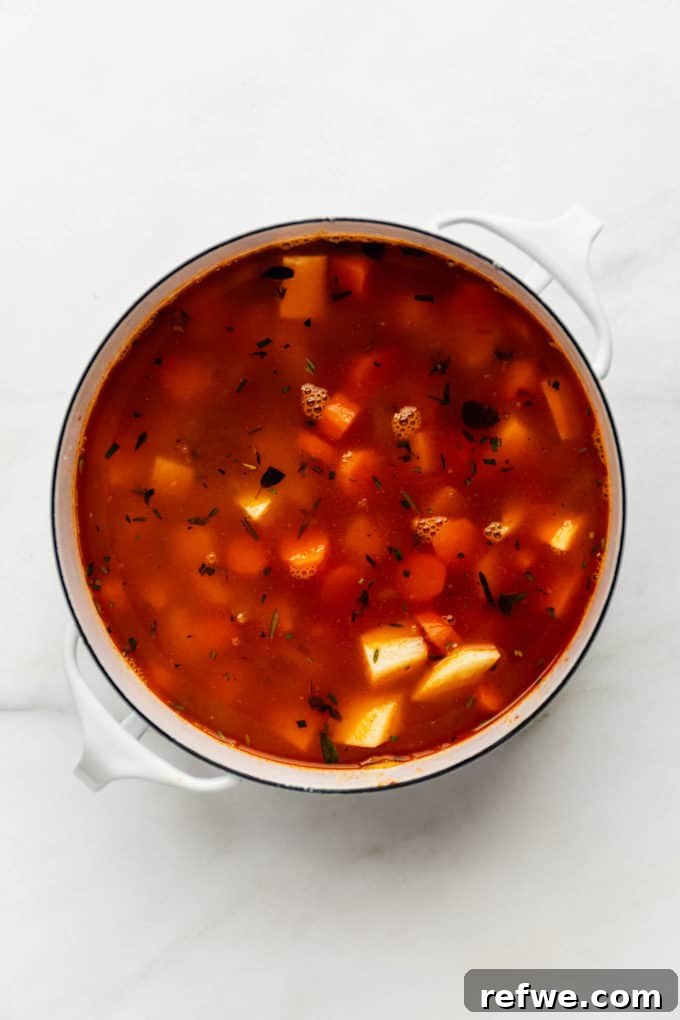
Step 5: Add Optional Greens
Once the lentils and potatoes are tender and the stew has reached your desired consistency, remove the lid from the pot. If using, add 2 cups of fresh spinach to the hot stew. Stir it in gently; the residual heat from the stew will quickly wilt the spinach, incorporating its fresh flavor and vibrant color into the dish. Continue stirring until the spinach is fully incorporated and softened, which should only take a couple of minutes.
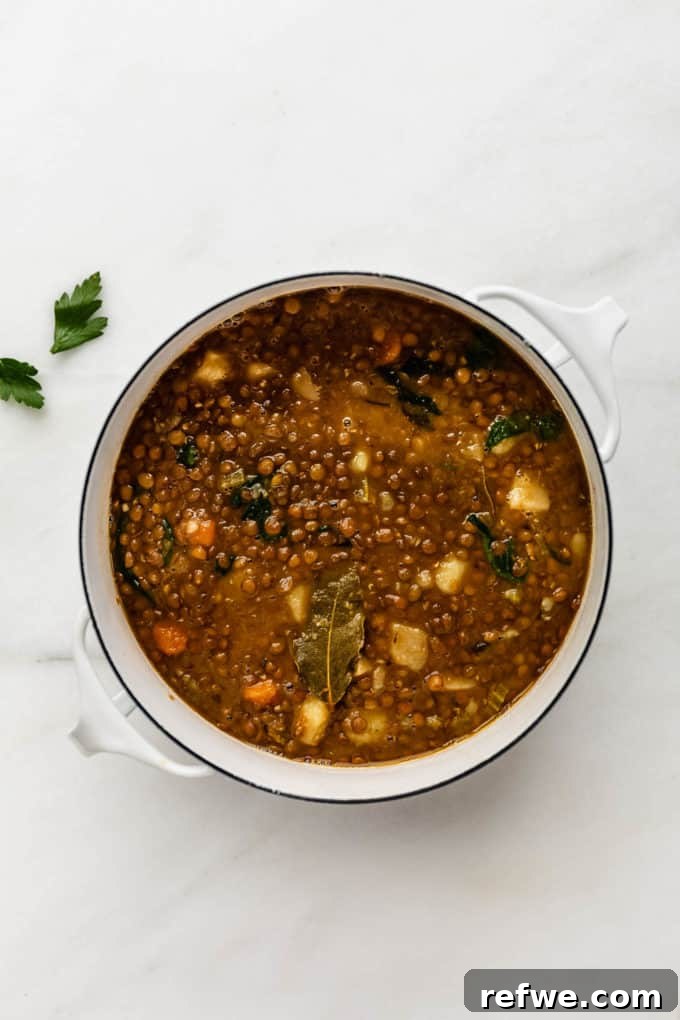
Step 6: Final Adjustments and Serve
Before serving, take a moment to taste the stew and adjust the seasoning as needed. You may want to add additional salt, black pepper, or a pinch more smoked paprika to suit your personal preference. Remember to remove the bay leaves from the stew before dishing it out. They have done their job of infusing flavor and are not meant to be eaten. Serve your hearty, homemade comfort food hot, perhaps garnished with some fresh parsley or a dollop of vegan sour cream!
Important Reminder: Always remember to remove the Bay leaves from the stew before eating. They are used for flavor infusion and are not meant to be consumed and can pose a choking hazard.
Perfect Pairings: What to Serve with Your Vegan Lentil Stew
While this hearty lentil stew is undoubtedly satisfying on its own, served in a simple bowl, it also pairs beautifully with a variety of side dishes. Enhancing your meal with complementary textures and flavors can elevate the entire dining experience and turn a simple stew into a feast. Here are some excellent accompaniments to consider for your vegan lentil stew:
- Crusty Bread: A timeless classic pairing! A warm, crusty baguette, a rustic artisan loaf, or even a simple piece of toasted sourdough is perfect for soaking up every last drop of the rich, flavorful broth. Garlic bread or a chewy focaccia also works wonderfully, adding an extra layer of flavor.
- Fluffy Turmeric Rice: The vibrant color and subtle, earthy warmth of turmeric rice provide a beautiful contrast to the deep flavors of the stew. Its light and aromatic texture makes it an excellent base or side, absorbing the stew’s flavors beautifully and adding an appealing visual element to your plate.
- Refreshing Quinoa Salad: For a lighter, yet equally nutritious option, a vibrant quinoa salad can offer a refreshing counterpoint to the richness of the stew. The nutty texture of quinoa combined with fresh greens and a zesty dressing provides a delightful textural contrast and a significant boost of nutrients and freshness.
- A Simple Green Salad: A crisp green salad featuring tender lettuces, perhaps some cucumber and cherry tomatoes, tossed with a light vinaigrette dressing, can cut through the richness of the stew. This adds a welcome element of freshness and balance to your plate, cleansing the palate between bites.
- Roasted Vegetables: Complement the stew’s hearty ingredients with more roasted goodness. Brussels sprouts, broccoli florets, asparagus spears, or even roasted root vegetables like parsnips and turnips, lightly seasoned and roasted until tender-crisp, can add another layer of texture, flavor, and wholesome goodness to your meal.
- Vegan Cornbread: For a truly comforting and slightly sweet accompaniment, a slice of warm, tender vegan cornbread complements the savory notes of the stew perfectly. Its slightly crumbly texture and mild sweetness create a delightful harmony with the earthy stew.
- Fresh Herbs: A sprinkle of fresh parsley, cilantro, or chives over the top of each bowl just before serving can brighten the flavors and add a beautiful visual appeal.
Maximizing Freshness: How to Store, Freeze, and Reheat Your Lentil Stew
This lentil stew is not only delicious freshly made but also incredibly convenient for meal prep, as its flavors often deepen and improve over time. Knowing how to properly store and reheat it ensures you can enjoy its comforting flavors for days or even months to come, minimizing waste and maximizing convenience:
- Refrigeration (Fridge): To store any leftover lentil stew, first allow it to cool completely to room temperature. This is crucial to prevent bacterial growth and maintain food safety. Once cooled, transfer the stew to an airtight container. Alternatively, if you plan to eat it within a day or two, you can simply cover the pot tightly with a lid. It will keep beautifully in the refrigerator for up to 7 days. When you’re ready to enjoy it again, reheat individual portions on the stovetop over medium-low heat, stirring occasionally until warmed through, or in the microwave until hot. If the stew has thickened too much in the fridge, which is common, you can add a splash of vegetable broth or water while reheating to reach your desired consistency.
- Freezing for Future Meals: For longer-term storage and ultimate meal prep convenience, lentil stew freezes exceptionally well. Again, ensure the stew is completely cooled before beginning the freezing process. Divide it into individual portions and transfer to freezer-safe containers or heavy-duty freezer bags, leaving a little headspace (about an inch) to allow for expansion as it freezes. Label each container or bag with the date of freezing. The stew will maintain its quality and deliciousness in the freezer for up to 3 months. To defrost, simply transfer the frozen stew to the refrigerator overnight. For quicker defrosting, you can use the defrost setting on your microwave, or even gently reheat directly from frozen on the stovetop over very low heat, adding a little liquid to prevent scorching. Reheat on the stovetop or in the microwave as you would with refrigerated leftovers, adding liquid if needed to thin it out.
Expert Tips for a Perfectly Delicious Vegan Lentil Stew
Achieving the perfect, flavorful, and hearty lentil stew is simple with a few insider tips and considerations. These pointers will help you fine-tune your cooking process and ensure a consistently delicious outcome:
- Choose Your Lentils Wisely for Desired Texture: For a stew where the lentils maintain their distinct shape and provide a satisfying bite, brown lentils are your absolute best bet. They hold up well to simmering without turning mushy. If you prefer a softer, more soup-like consistency where the lentils partially break down and contribute to a thicker broth, then red lentils can be used, though be aware the final texture will be significantly different, closer to a purée. Green lentils offer a good middle ground, holding shape well with a slightly longer cooking time.
- Always Sort and Rinse Lentils Thoroughly: Before cooking, it’s a good habit to quickly spread your dry lentils on a clean surface or examine them closely in a measuring cup. Look for any small stones, tiny pebbles, or imperfect lentils (like shriveled or discolored ones) and discard them. Following this, always rinse your lentils thoroughly under cold running water in a fine-mesh strainer until the water runs completely clear. This removes any lingering dust, starches, or debris from packaging and helps ensure a clean, pure flavor profile for your stew.
- Prioritize Fresh Herbs for Superior Flavor: The difference fresh rosemary and thyme make in this stew is truly remarkable. Their vibrant, aromatic oils infuse the entire dish with a depth of flavor that dried herbs, while still functional, simply can’t match. Fresh herbs provide a brighter, more complex aroma. If fresh herbs are absolutely unavailable, you can substitute with dried, but remember to use about one-third of the fresh amount (e.g., 2 teaspoons dried rosemary and 2 teaspoons dried thyme) or consider using 2 teaspoons of a dried herb blend like Herbs de Provence for a similar aromatic complexity.
- Opt for Low-Sodium Vegetable Broth: To gain full control over the saltiness of your stew, always choose a low-sodium vegetable broth. This crucial tip allows you to season the dish gradually and to your exact taste throughout the cooking process. It’s much easier to add salt as needed than to correct an overly salty dish, which can sometimes be impossible without significantly altering the stew’s volume and balance.
- Adjust Consistency to Your Liking: The beauty of stew is its versatility in consistency. If you find your stew is too thick after simmering, you can easily thin it out by stirring in a splash more vegetable broth or hot water, one tablespoon at a time, until it reaches your preferred consistency. Conversely, if you desire a thicker stew, you can gently mash some of the cooked potatoes against the side of the pot with a spoon, or even remove and purée a small portion of the stew (about a quarter of the total volume) and stir it back into the pot. This naturally thickens the stew without needing any external thickeners like flour or cornstarch.
- Taste and Adjust Throughout the Cooking Process: A chef’s best tool is their palate. Don’t be shy about tasting your stew at different stages of cooking, especially after adding spices, after simmering for a while, and just before serving. This allows you to fine-tune the seasonings – adding more salt, black pepper, a touch more lemon juice for brightness, or even a pinch of chili flakes for heat – ensuring the final product is perfectly balanced and delicious to your unique taste.
Frequently Asked Questions About Vegetarian Lentil Stew
Is lentil stew healthy?
Absolutely! Lentil stew is a powerhouse of nutrition and an excellent addition to a healthy diet. Lentils are renowned for being incredibly rich in plant-based protein and dietary fiber, both of which are crucial for a healthy, balanced diet. Protein helps with muscle repair and growth, while fiber promotes digestive health, aids in maintaining stable blood sugar levels, and helps you feel fuller for longer, which can be beneficial for weight management. This stew, packed with nutrient-dense vegetables like carrots, celery, and potatoes, along with wholesome lentils, offers a fantastic way to nourish your body with essential vitamins, minerals, and sustained energy, all in a delicious, low-fat package.
Do lentils need to be soaked before making soup or stew?
For most lentil varieties, including the brown lentils recommended in this recipe, soaking is generally not necessary. Unlike some other larger legumes like dried beans, lentils cook relatively quickly without pre-soaking. In fact, adding dried lentils directly to the pot, as done in this recipe, allows them to absorb the rich flavors of the vegetable broth, spices, and aromatics as they cook. This process results in a more deeply flavored stew where the lentils are infused with all the wonderful tastes. However, a thorough rinse under cold running water is always advised to clean them.
Can you put dried lentils straight into a stew?
Yes, you certainly can – and should, after a proper rinse! While soaking is largely optional for lentils, rinsing your dried lentils thoroughly under cold water is a critical step that should never be skipped. This process helps to remove any residual dirt, dust, or tiny stones that might be present from packaging. It also has the added benefit of potentially removing some of the phytic acid, which can contribute to a slight bitterness or digestive discomfort for some individuals. Once rinsed until the water runs completely clear, your dried lentils are perfectly ready to be added directly to the stew to cook and absorb all the wonderful flavors.
Can I use canned lentils in this recipe?
While this recipe is optimized for dried lentils due to their superior ability to absorb flavors during the simmering process, you can technically use canned lentils as a convenient shortcut if you’re in a hurry. If you opt for canned lentils, ensure you rinse them very well under cold water to remove excess sodium and any canning liquid, which can sometimes have an undesirable taste. The key difference when using canned lentils will be the cooking time; since canned lentils are already cooked and tender, you would only need to simmer the stew for about 15 minutes, or just long enough for the vegetables to become tender and for all the flavors to meld together. This is significantly less time than the 30-45 minutes required for dried lentils to cook through.
Can vegans eat lentils?
Absolutely! Lentils are 100% plant-based and are a staple in vegan and vegetarian diets worldwide. They are a naturally occurring legume, entirely free from animal products or by-products. As such, they are an excellent, versatile, and highly nutritious source of protein, fiber, iron, and other vital nutrients, making them a cornerstone ingredient for anyone following a vegan or vegetarian lifestyle, or simply looking to incorporate more wholesome, plant-based meals into their diet. They are a perfect example of how delicious and satisfying vegan food can be.
Do lentils thicken stews?
Yes, lentils can be fantastic natural thickeners for soups and stews, especially varieties like red lentils that tend to break down more readily and release more starch during cooking. Even brown and green lentils, as they cook, release some starch that contributes to the stew’s body and helps create a richer, more substantial texture. If you wish to intentionally thicken your lentil stew further, a great technique is to remove about a quarter of the cooked stew (including some lentils and potatoes), purée it lightly using an immersion blender or a regular blender (be careful with hot liquids!), and then stir it back into the pot. This creates a creamier, richer texture and naturally thickens the stew without needing any additional flour or cornstarch. Simmering uncovered for the last 10-15 minutes can also help reduce liquid and thicken the stew.
Nutritional Highlights Per Serving
This nourishing lentil stew is not only delicious and comforting but also provides significant nutritional benefits, making it an excellent choice for a healthy meal. Here’s a breakdown of the approximate nutritional values based on 1/6th of the recipe:
- Serving Size: Approximately 1/6th of the recipe
- Calories: 250
- Sugar: 5g
- Sodium: 500mg
- Fat: 6.2g
- Saturated Fat: 1g
- Carbohydrates: 36.2g
- Fiber: 11g
- Protein: 16g
(Note: Nutritional information is an estimate and may vary slightly based on specific ingredient brands, exact measurements, and preparation methods. It provides a general guide to the health benefits of this hearty stew.)
Explore More Delicious Plant-Based Lentil Recipes
If you’ve thoroughly enjoyed the versatility, nutrition, and deliciousness of this comforting lentil stew, you’ll be thrilled to discover other fantastic ways to incorporate lentils into your diet. Lentils are a cornerstone of healthy plant-based cooking, offering endless possibilities for flavorful, high-protein, and nutritious meals that are both satisfying and easy to prepare. Here are some more lentil-inspired recipes to ignite your culinary creativity and expand your plant-based repertoire:
- Vibrant Red Lentil Curry: A rich and aromatic dish perfect for a taste of India.
- Comforting Weeknight Slow Cooker Lentil Soup: Effortless and delicious for busy days.
- Hearty Lentil Bolognese: A savory, meatless twist on a classic Italian sauce.
- Classic Vegan Lentil Shepherd’s Pie: A warm and inviting family favorite, reimagined.
- Rich Vegan Lentil Moussaka: Layers of savory goodness in a traditional Greek dish.
- Flavorful Sprouted Lentil Chipotle Chili: A smoky and robust chili with a healthy twist.
We hope you thoroughly enjoy preparing and savoring this Hearty Vegan Lentil Stew. Your culinary journey is important to us, and we love hearing about your experiences! If you tried this recipe or any other delightful dishes from our blog, please let us know your thoughts. We encourage you to share your feedback by leaving a comment and rating below. Your input helps other home cooks discover and create delicious meals. Don’t forget to follow us on Pinterest, Instagram, and Facebook for a continuous stream of delicious, healthy, and inspiring plant-based recipes, tips, and culinary adventures!