
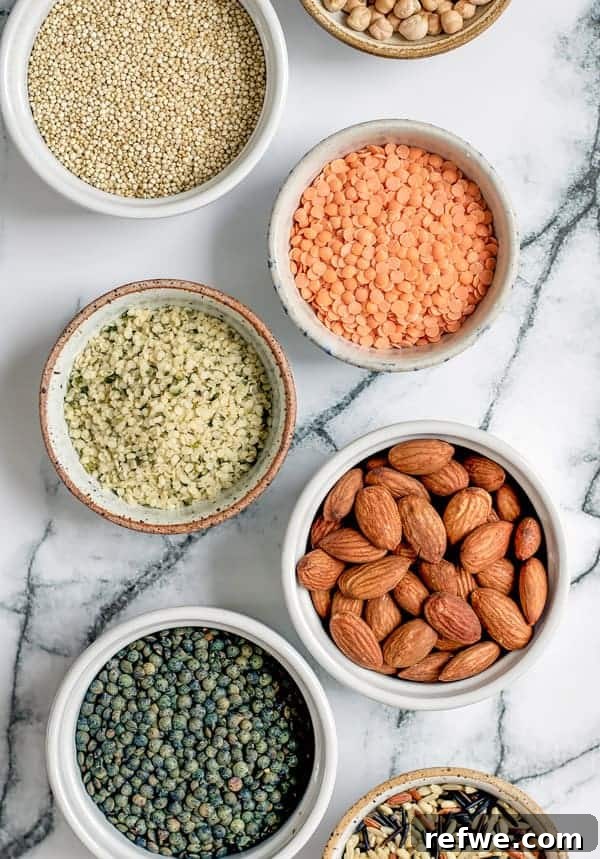
Embarking on a plant-based journey often comes with a persistent question: “Where do you get your protein from?” This age-old query stems from a common misconception that adequate protein can only be found in animal products. However, the truth is, the plant kingdom is teeming with incredibly rich and diverse protein sources, making it remarkably easy to meet your daily protein requirements without consuming any animal products.
For too long, fad diets and low-carb trends have propagated the idea that we need an excessive amount of protein daily. Yet, modern nutritional science increasingly reveals that for most adults, the average recommendation for protein intake is approximately 0.8 grams per kilogram of body weight. While individuals engaged in intense bodybuilding or weight-based exercises might indeed require a higher intake to support muscle repair and growth, this doesn’t diminish the efficacy of plant-based options.
Every individual is unique, and dietary needs can vary significantly based on activity levels, age, and overall health goals. Being in tune with your body and understanding its specific fuel requirements is paramount. This guide is designed to empower you with knowledge about some of the most concentrated and versatile plant-based protein sources available, ensuring you can nourish your body effectively and deliciously.
Below, we’ll dive into my top 10 favorite plant-based protein powerhouses. These selections are not only packed with protein but are also incredibly versatile in the kitchen, making them simple to integrate into a wide array of meals and recipes. Please note that the nutritional information provided is an estimate and may vary slightly depending on the specific product and preparation method.
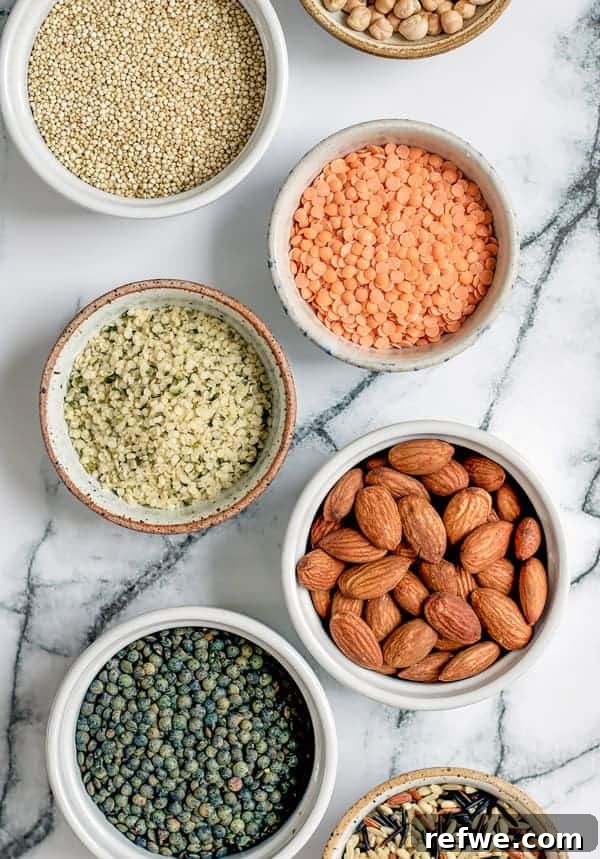
Discover the 10 Best Plant-Based Protein Sources
1. Hemp Seeds: Tiny But Mighty
Hemp seeds are a true nutritional marvel and a staple in my daily diet. Beyond their impressive protein content, they are renowned for being an excellent source of omega-3 and omega-6 fatty acids in a balanced ratio, crucial for heart health and reducing inflammation. These small, soft seeds boast a delicate, nutty flavor that makes them incredibly versatile. You can effortlessly sprinkle them over salads, oatmeal, yogurt, smoothies, or even incorporate them into baked goods for an added nutritional boost. Their mild taste allows them to blend seamlessly into almost any dish, providing a complete protein profile with all nine essential amino acids.
Protein content: Approximately 10 grams per 3 tablespoons.
2. Lentils: The Versatile Legume
Lentils are an indispensable component of any plant-based diet, celebrated for their hearty texture and wide variety of types – from green and brown to red and black, each offering slightly different culinary characteristics. They are an outstanding source of dietary fiber, promoting digestive health and sustained energy. Furthermore, lentils are rich in essential micronutrients like iron, folate, and manganese. Their ease of cooking and adaptability make them perfect for a myriad of dishes, including comforting soups, robust stews, flavorful curries, and even as a base for veggie burgers or chilis. They cook relatively quickly without the need for prior soaking, making them a convenient option for quick and nutritious meals.
Protein content: Approximately 18 grams per 1 cup (cooked).
3. Chickpeas: A Culinary Chameleon
Chickpeas, also known as garbanzo beans, are a powerhouse of plant-based protein and fiber, making them an excellent choice for satiety and digestive wellness. Their robust texture and ability to absorb flavors make them a fantastic meat replacement in numerous dishes, from hearty stews and aromatic curries to vibrant salads. Beyond savory applications, chickpeas are famously transformed into creamy, delicious hummus, a beloved dip, or crisped up into savory falafel. You can also roast them for a crunchy, satisfying snack. Rich in iron, magnesium, and zinc, chickpeas contribute significantly to overall well-being and are incredibly budget-friendly.
Protein content: Approximately 14.5 grams per 1 cup (cooked).
4. Beans: The Foundation of Plant-Based Meals
The bean family is vast and diverse, offering an incredible array of options like black beans, kidney beans, pinto beans, navy beans, and cannellini beans. While lentils and chickpeas also belong to the legume family, I prefer to highlight beans separately due to their distinct textures, flavors, and unique culinary applications. Beans are not only packed with protein but are also exceptional sources of complex carbohydrates, dietary fiber, and a host of minerals including potassium, iron, and magnesium. They form the backbone of countless global cuisines and are perfect for chilis, tacos, burritos, wholesome salads, and hearty stews. Their affordability and long shelf life make them a pantry essential for anyone embracing a plant-based lifestyle.
Protein content: Approximately 16 grams per 1 cup (cooked), may vary slightly depending on the type of bean.
5. Almonds and Other Nuts: Wholesome Snacking
Almonds hold a special place as one of my favorite grab-and-go snacks, perfect for travel or busy days. All nuts offer a valuable contribution to your daily protein intake, but almonds, in particular, stand out with a higher protein concentration compared to many other varieties. Beyond protein, almonds are loaded with healthy monounsaturated fats, vitamin E (a powerful antioxidant), and magnesium, benefiting heart health and bone strength. They are incredibly versatile, enjoyed raw, roasted, or as a key ingredient in homemade almond milk. Don’t forget other nuts like cashews, walnuts, and pistachios, which also provide excellent protein, healthy fats, and a unique array of vitamins and minerals. Portion control is key due to their caloric density.
Protein content: Approximately 7.5 grams per 1/4 cup.
6. Chia Seeds: Nutritional Powerhouses
It would be remiss to leave chia seeds off this list! These tiny, potent seeds are true nutritional powerhouses. They are renowned for their exceptional omega-3 fatty acid content (specifically ALA), high fiber, and impressive protein profile. Chia seeds are also rich in calcium, magnesium, and phosphorus, contributing to bone health. What makes them particularly unique is their ability to absorb up to 10-12 times their weight in liquid, forming a gel-like consistency. This makes them perfect for creating delicious and satisfying chia puddings, like this layered chia pudding, or as a vegan egg replacement in baking. They can also be effortlessly added to smoothies, oatmeal, and yogurts for an instant nutrient upgrade.
Protein content: Approximately 4-5 grams per 2 tablespoons.
7. Spirulina: The Green Superfood
Spirulina, a blue-green algae, is an ancient superfood celebrated for its incredible concentration of nutrients. It is not only a fantastic source of protein, containing all essential amino acids, but also boasts powerful antioxidants, including phycocyanin and chlorophyll. Spirulina is rich in B vitamins, iron, and other minerals, making it a wonderful immune system booster and anti-inflammatory agent. While its distinct algae taste might not appeal to everyone (I personally prefer it in certain forms!), it can be easily incorporated into smoothies or juices where other flavors can mask it. For those sensitive to its taste, spirulina is conveniently available in capsule form, offering all the benefits without the flavor compromise.
Protein content: Approximately 4 grams per 1 tablespoon.
8. Pumpkin Seeds and Other Nutrient-Dense Seeds
While all seeds offer valuable protein, pumpkin seeds stand out as one of my favorites due to their robust flavor and higher protein content. These emerald-green seeds are not just a good source of protein; they are also packed with zinc, magnesium, iron, and healthy fats, contributing to immune function, sleep quality, and energy levels. Their satisfying crunch makes them an excellent addition to salads, homemade granolas, and trail mixes. Beyond pumpkin seeds, consider incorporating sunflower seeds, flax seeds, and sesame seeds into your diet. Each offers a unique set of nutrients, from vitamin E in sunflower seeds to lignans in flax seeds, and calcium in sesame seeds, further diversifying your protein and micronutrient intake.
Protein content: Approximately 6 grams per 2 tablespoons.
9. Quinoa: The Complete Protein Pseudocereal
Often mistaken for a grain, quinoa is actually a seed (a “pseudocereal”) that cooks and behaves like a grain. It is lauded as one of the few plant-based foods that contain all nine essential amino acids, making it a complete protein. Beyond its stellar protein profile, quinoa is naturally gluten-free and boasts nearly twice as much fiber as most other grains, promoting excellent digestive health and prolonged satiety. It’s also rich in iron, magnesium, manganese, and folate. I often prepare a large batch of cooked quinoa at the beginning of the week and store it in the fridge, making it a convenient base for quick meals, salads, or a healthy side dish whenever needed. Its versatility is unmatched, serving as a breakfast bowl ingredient, a pilaf, or even stuffed into vegetables.
Protein content: Approximately 8 grams per 1 cup (cooked).
10. Tempeh and Soy Products: Fermented Goodness
Tempeh is a fantastic plant-based protein made by fermenting whole soybeans into a firm, nutty patty. This fermentation process not only makes it more digestible but also enhances its nutritional value by providing beneficial prebiotics, promoting excellent gut health. Tempeh is generally less processed and offers more fiber and protein than its well-known cousin, tofu. Its firm texture makes it perfect for slicing, crumbling, marinating, and grilling, absorbing flavors beautifully. While tempeh is a standout, tofu and edamame beans also deserve an honorable mention as superb soy-based protein sources. Tofu is incredibly versatile, and edamame offers a delicious whole-bean snack. When purchasing any soy product, I always recommend choosing organic varieties to avoid genetically modified crops and potential pesticide exposure. Soy has been widely studied and shown to offer numerous health benefits, including supporting heart health and potentially easing menopausal symptoms.
Protein content: Approximately 15 grams per 3 ounces.
You can typically find tempeh in the refrigerated or frozen section of your local health food store or larger supermarkets.
Shop Plant-Based Proteins!
Disclaimer: Some of the links in this post are affiliate links, which means I make a small commission on products purchased through these links at no extra cost to you. This helps keep the blog running, so thank you for your support!
In Conclusion: Embracing a Protein-Rich Plant-Based Lifestyle
As you can see, the plant kingdom offers an abundance of incredible options to easily achieve and even exceed your daily protein requirements. There’s truly no need to be overly concerned about “getting enough protein” when eating a plant-based diet, as long as you focus on variety and nutrient-dense whole foods.
However, while protein concerns are often overblown, it’s crucial for anyone following or planning a plant-based diet to pay attention to certain key vitamins and minerals. These include Vitamin B-12 (found mainly in fortified foods or supplements, as it’s not naturally present in plant foods), iron, zinc, iodine, and Vitamin D, along with adequate omega-3 fatty acids (ALA, EPA, DHA). Ensuring sufficient intake of these micronutrients is vital for optimal health and vitality on a vegan diet.
If you’re unsure whether you’re meeting your needs for these essential vitamins and minerals, or if you simply want peace of mind, consider consulting with a healthcare professional or a registered dietitian specializing in plant-based nutrition. They can provide personalized advice and may recommend blood tests, such as a Vegan Test, to identify any potential deficiencies. Addressing these through diet, fortified foods, or targeted supplementation will help ensure your plant-based journey is not just sustainable, but truly thriving. Embrace the incredible diversity of plant foods and enjoy the vibrant health they bring!