

Welcome to the ultimate guide to tempeh! Whether you’re a seasoned vegan, a curious food enthusiast, or simply looking to incorporate more healthy plant-based proteins into your diet, this comprehensive resource will teach you everything you need to know about tempeh. From its rich nutritional profile and versatile cooking applications to its distinct flavor and texture, we cover it all. Discover how to properly prepare tempeh to unlock its full delicious potential and explore an exciting collection of 23 mouth-watering tempeh recipes designed to inspire your next meal. Get ready to transform this incredible fermented soybean product into your new culinary favorite!
The Complete Guide to Tempeh: Unleashing the Power of Fermented Soybeans
Are you searching for a nutritious, versatile, and flavorful plant-based protein that can elevate your cooking? Look no further than tempeh! Originating from Indonesia, tempeh is a superfood rapidly gaining global recognition for its impressive health benefits and unique culinary attributes. This detailed guide will walk you through every aspect of tempeh, ensuring you’re confident in choosing, preparing, and cooking this remarkable ingredient to its full potential.
What is Tempeh? A Deep Dive into This Plant-Based Powerhouse
Tempeh is a traditional Indonesian food crafted from fermented whole soybeans. Unlike other common soy products, tempeh is created by a natural culturing process where whole, cooked soybeans are inoculated with a specific starter, typically the fungus Rhizopus oligosporus. This controlled fermentation binds the soybeans into a firm, dense, and distinctly cake-like block. The unique structure and integrity of the whole beans allow tempeh to maintain its shape exceptionally well during various cooking methods, making it an excellent and robust plant-based meat alternative in a wide variety of dishes.
The true magic of tempeh lies in its fermentation process. This natural transformation not only enhances the flavor and texture of the soybeans but also significantly boosts its nutritional value. Fermentation breaks down complex compounds and phytic acid present in the soybeans, making the proteins, minerals, and other vital nutrients more bioavailable and much easier for your body to digest. This means you absorb more of the wholesome goodness from every bite, contributing to better gut health and overall well-being.
Taste and Texture of Tempeh
One of the most appealing aspects of tempeh for many culinary enthusiasts is its distinctive taste and texture. Tempeh boasts a robust, earthy, and nutty flavor profile, often described as having hints of mushroom or even a subtle bitterness, which can be easily mellowed or removed with proper preparation. This inherent flavor is much stronger and more complex than the often-neutral taste of tofu, allowing tempeh to contribute its own unique character to dishes.
In terms of texture, tempeh is wonderfully firm, dense, and chewy, providing a satisfying mouthfeel that closely resembles ground meat or even poultry when sliced, diced, or crumbled. You can typically see the individual soybeans visibly embedded within the white mycelium—the beneficial fungal culture—that binds them together. This dense and fibrous consistency allows tempeh to absorb marinades beautifully and stand up to various cooking methods without disintegrating, making it incredibly versatile for everything from hearty stir-fries and flavorful sandwiches to savory curries and robust burgers.
Nutritional Benefits of Tempeh
Tempeh is a genuine nutritional powerhouse, brimming with essential nutrients that proactively support overall health and vitality. It stands out as an exceptional source of complete protein, meaning it contains all nine essential amino acids necessary for human health, making it an invaluable staple for vegans, vegetarians, and anyone seeking high-quality plant-based protein. A single serving of tempeh provides a substantial amount of protein, rivaling that of many animal-based meat products.
Beyond its impressive protein content, tempeh is remarkably rich in dietary fiber, a crucial component for optimal digestive health, stable blood sugar regulation, and promoting a lasting feeling of fullness, which can aid in weight management. The fermentation process further endows tempeh with beneficial prebiotics and probiotics, contributing significantly to a healthy and balanced gut microbiome. Furthermore, tempeh supplies a good dose of vital vitamins and minerals, including iron for blood health, calcium and magnesium for strong bones, manganese, phosphorus, and various B vitamins. While some B12 may be present, it’s advisable for vegans to ensure adequate intake through other sources.
What’s the Difference Between Tempeh and Tofu? Understanding the Distinction
While both tempeh and tofu are incredibly popular and healthy plant-based proteins derived from soybeans, they are fundamentally distinct in their production processes, nutritional compositions, taste profiles, and textural characteristics. Understanding these key differences is essential for selecting the perfect ingredient to meet your specific culinary preferences and dietary goals.
Processing and Production
The primary distinction between tempeh and tofu lies in their manufacturing methods. Tofu is traditionally made by curdling fresh soy milk, a process akin to making cheese from dairy milk. The resulting soy curds are then pressed into blocks of varying firmness, yielding a product with a smooth, often delicate, and somewhat gelatinous texture. This process involves separating the soy solids from the liquid component of the soybeans.
Tempeh, conversely, is produced using whole soybeans that are cooked, softened, and then inoculated with a specialized culture, typically *Rhizopus oligosporus*. These inoculated beans are allowed to ferment, causing the mycelium of the fungus to grow and bind the soybeans together into a cohesive, firm block. Crucially, this means tempeh retains all parts of the soybean, including its fiber-rich outer hull, establishing it as a “whole food” product with considerably less processing than tofu.
Nutritional Comparison: Tempeh vs. Tofu
Due to their distinct production methods, tempeh and tofu offer different nutritional benefits per serving:
- Protein & Fiber: Tempeh generally contains more protein and significantly more dietary fiber per serving than tofu, primarily because it incorporates the entire soybean. The fermentation process further aids in making these nutrients more readily digestible.
- Calories & Density: Given its dense, whole-bean composition, tempeh is typically higher in calories per serving than tofu. Its firm structure also means it has a lower water content, contributing to its concentrated nutrient profile.
- Probiotics: As a fermented food, tempeh naturally boasts beneficial probiotics, which are largely absent in unfermented tofu. These living microorganisms contribute positively to gut health.
- Vitamins & Minerals: Tempeh often provides higher levels of certain essential minerals such as iron, calcium, and magnesium compared to tofu, making it a particularly nutrient-dense choice.
Appearance, Taste, and Texture
Their sensory characteristics also provide clear differentiators:
- Appearance: Tofu typically presents as white or off-white with a smooth, uniform surface. Tempeh, on the other hand, is usually brown, beige, or occasionally speckled with harmless dark gray or black spots (indicating good fermentation) and exhibits a visibly textured surface from the whole soybeans.
- Taste: Tofu is renowned for its mild, almost neutral flavor, acting as an excellent “flavor sponge” that readily absorbs the tastes of any marinades, sauces, or ingredients it’s cooked with. Tempeh, however, possesses a distinct, savory, earthy, and nutty flavor of its own that can complement a wide array of ingredients without being entirely overshadowed.
- Texture: Tofu comes in various textures, ranging from silken (custard-like) to extra-firm (dense but still somewhat soft and jiggly). Tempeh maintains a consistently firm, chewy, and meaty texture that holds its shape exceptionally well, making it an ideal choice for slicing, dicing, or crumbling to emulate ground meat in recipes.
Both tempeh and tofu are valuable additions to a plant-based diet, but tempeh’s robust flavor, superior texture, and higher fiber content often make it a preferred choice for those seeking a heartier and more nutrient-dense protein that adds substantial character to meals.
How to Cook Tempeh: Unlocking Its Culinary Potential
Cooking tempeh is surprisingly straightforward, but incorporating a few key preparation steps can dramatically enhance its flavor and texture, transforming it from a simple block of fermented soybeans into a truly delectable and versatile ingredient. The primary goals when preparing tempeh are often to mitigate any inherent bitterness and to maximize its ability to absorb and carry other delicious flavors.
Step 1: Preparing Tempeh – Steaming or Boiling
Many experienced chefs and home cooks highly recommend a crucial first step: pre-cooking tempeh by steaming or boiling. This initial process serves two main, beneficial purposes:
- Reduces Bitterness: Tempeh can sometimes carry a slightly bitter undertone, particularly if it’s exceptionally fresh or hasn’t been stored ideally. Steaming or boiling effectively mellows out this bitterness, resulting in a much smoother, more pleasant, and palatable flavor profile.
- Softens Texture & Improves Absorption: The application of heat during this pre-cooking phase gently softens the dense tempeh block. This process also opens up its naturally porous structure, making it significantly more receptive to marinades and sauces. Consequently, the tempeh will soak up flavors more effectively and deeply during subsequent cooking stages, leading to a much more flavorful final dish.
Method Options:
- Boiling: Place the whole tempeh block (or crumbled tempeh, if your recipe calls for it as a ground meat substitute) in a pot. Cover it entirely with boiling water or, for added flavor, vegetable broth. Allow it to simmer gently for about 10 minutes. Afterward, drain the tempeh thoroughly to remove excess liquid.
- Steaming: Arrange the tempeh (whole, sliced, or crumbled) in a steamer basket positioned over boiling water. Cover the pot and steam for approximately 10-15 minutes, or until the tempeh feels noticeably softened. This method can sometimes help retain a bit more of tempeh’s inherent firmness.
After either steaming or boiling, it is important to allow the tempeh to cool slightly before moving on to the next steps. This cooling period is particularly beneficial if you plan to crumble the tempeh, as it will be easier and safer to handle once it’s not piping hot.
Step 2: Marinating for Maximum Flavor
Once prepped and cooled, tempeh transforms into a magnificent canvas for absorbing and showcasing a diverse range of flavors. Marinating is not just recommended, but often essential, to infuse tempeh with depth, character, and deliciousness, especially given its distinct earthy profile. You can prepare tempeh for marinating in various ways depending on your culinary objectives:
- Slices or Strips: Ideal for dishes like sandwiches, wraps, stir-fries, or grilling applications, where a defined shape is desired.
- Cubes: Perfect for adding to curries, stews, skewers, or as a protein boost in salads.
- Crumbled: Excellent for mimicking ground meat in dishes such as tacos, chili, pasta sauces, or savory scrambles.
Expert Tips for Marinating:
- Optimal Time: For the most impactful flavor infusion, marinate your tempeh for at least 30 minutes. However, for deeper and richer flavors, aim for 1-2 hours, or even better, prepare it the day before and let it marinate overnight in the refrigerator. The longer it soaks, the more flavor it will absorb.
- Flavor Profiles: Don’t hesitate to experiment with a wide array of marinades. Popular and effective choices often include ingredients like soy sauce or tamari (for umami depth), fresh ginger and garlic, a touch of sweetness from maple syrup or agave, tanginess from rice vinegar or lime juice, smoky notes from liquid smoke (perfect for “tempeh bacon”), and various aromatic herbs and spices.
- Recipe Inspiration: Many of the mouth-watering tempeh recipes listed below offer fantastic, tried-and-true marinade ideas to jumpstart your culinary creativity!
Step 3: Cooking Your Marinated Tempeh
After your tempeh has been beautifully marinated and is bursting with flavor, it’s ready for its final cooking stage. Tempeh is incredibly versatile and can be cooked using a variety of methods to achieve different textures and finishes:
- Pan-Frying: This is arguably one of the quickest and most popular cooking methods. Heat a small amount of oil (such as olive or avocado oil) in a frying pan over medium-high heat. Add your sliced, cubed, or crumbled tempeh and cook, stirring occasionally, until it turns golden brown and develops a delightful crispy crust on all sides, typically within 5-8 minutes.
- Baking: For a more hands-off approach, spread your marinated tempeh (whether in slices, cubes, or crumbles) evenly onto a baking sheet lined with parchment paper. Bake in a preheated oven at 375°F (190°C) for 20-30 minutes, remembering to flip it halfway through, until it is golden, firm, and slightly crispy. Baking is an excellent option for meal prepping larger batches.
- Grilling: Sliced or cubed tempeh takes on an exquisite smoky flavor when grilled. Brush it with any remaining marinade or a fresh glaze, and grill over medium heat for 3-5 minutes per side, until it shows attractive char marks and is tender-crisp.
- Air Frying: This is a fantastic modern option for achieving wonderfully crispy tempeh with minimal added oil. Arrange your marinated tempeh in a single layer in your air fryer basket. Cook at 375-400°F (190-200°C) for 10-15 minutes, ensuring you shake the basket halfway through, until it reaches your desired level of crispiness.
- Adding Directly to Dishes: Crumbled tempeh can be added directly to simmering sauces, hearty chilis, vibrant stir-fries, or comforting stews. In these dishes, it will continue to absorb flavors as it cooks, becoming an integral and delicious component of the meal.
By mastering these preparation and cooking techniques, tempeh will become an incredibly versatile, flavorful, and satisfying component in your culinary repertoire!
Tempeh Recipe FAQ: Your Questions Answered
Tempeh has a distinctive, savory flavor profile that can be described as earthy, nutty, and slightly mushroomy. Some individuals might detect a mild bitterness, especially if it hasn’t been pre-cooked by steaming or boiling. However, its true culinary superpower lies in its remarkable ability to readily absorb the flavors of marinades, sauces, and other ingredients it’s cooked with. This incredible versatility allows tempeh to seamlessly adapt to a wide spectrum of cuisines, ranging from vibrant Asian stir-fries and spicy Mexican dishes to hearty American comfort food and Mediterranean salads.
Absolutely! Tempeh is considered an exceptionally healthy food with a robust and impressive nutritional profile. It’s an excellent source of complete protein, providing all nine essential amino acids crucial for muscle repair, growth, and overall bodily functions. It’s also exceptionally high in dietary fiber, which is vital for promoting healthy digestion, stabilizing blood sugar levels, and contributing to a feeling of lasting satiety. As a fermented food, tempeh contains both prebiotics (fibers that feed beneficial gut bacteria) and probiotics (beneficial live microorganisms) that actively support a healthy gut microbiome. Furthermore, studies suggest that tempeh can help reduce “bad” cholesterol levels. It’s also rich in essential vitamins and minerals like iron, calcium, magnesium, manganese, and various B vitamins, contributing to strong bones, energy production, and overall well-being.
While it is technically possible to consume tempeh raw, it is generally not recommended. Raw tempeh possesses a much stronger, often more bitter, and somewhat astringent flavor profile, coupled with a significantly tougher and denser texture. These characteristics make it far less palatable and considerably more difficult for your digestive system to process efficiently. The cooking process, particularly steaming or boiling, plays a crucial role in breaking down some of its complex compounds, making tempeh easier to digest and significantly improving its overall taste and texture. For optimal flavor, digestibility, and to unlock its full nutritional benefits, always ensure tempeh is cooked before consumption.
Like any fresh food product, tempeh can spoil if it’s not stored or handled correctly after opening. Several clear signs indicate that your tempeh has gone bad and should not be consumed. These include: a strong, unpleasant ammonia-like or sour smell (fresh tempeh should have a mild, nutty, slightly mushroomy aroma); a slimy or sticky film on its surface; or the presence of brightly colored mold, such as green, pink, or fuzzy black patches. It’s important to note that some natural dark spots (grayish or black) on a healthy tempeh block are perfectly normal and simply indicate advanced sporulation of the beneficial fungi. However, if any of the aforementioned spoilage signs are present, it is always safest to discard the tempeh to prevent any potential health risks.
Cooking tempeh, especially at high temperatures or for extended periods, can indeed reduce the number of live probiotic bacteria, particularly those found on the surface. However, the internal probiotics nestled deep within the dense structure of the tempeh block are more resilient and may remain largely intact, especially with gentler cooking methods or shorter cooking times. To maximize the retention of probiotic benefits, you can aim to keep the internal temperature of your tempeh below 115°F (46°C) or incorporate tempeh into dishes where it’s not subjected to intense heat, such as lightly sautéed tempeh added to warm salads or grain bowls. Even if some live probiotics are lost during cooking, tempeh still offers significant prebiotic fiber, which plays a crucial role in feeding and nurturing the beneficial bacteria already residing in your gut, contributing to overall digestive health.
No, absolutely not. If you have a known soy allergy, a diagnosed intolerance, or severe sensitivity to soy, you must avoid tempeh entirely. Tempeh is made exclusively from soybeans, making it a 100% soy-based product. Both tempeh and tofu are derived from soy and are therefore unsuitable for individuals with soy allergies. Fortunately, the plant-based culinary world offers a rich variety of other excellent protein sources that are soy-free and can be safely incorporated into your diet, such as pea protein, lentils, black beans, chickpeas, seitan (for gluten-tolerant individuals), and a wide array of nuts and seeds.
23 Easy + Delicious Tempeh Recipes for Every Craving
Now that you’re well-versed in the fascinating world of tempeh, it’s time to put your newfound knowledge into delicious practice! Explore this fantastic collection of 23 versatile tempeh recipes that promise to tantalize your taste buds and showcase the incredible adaptability of this nutrient-dense, plant-based protein. From savory stir-fries and hearty breakfast options to satisfying burgers and vibrant salads, there’s a tempeh dish here for every meal, every mood, and every culinary occasion. Get ready to cook up some incredible vegan goodness!
1. Thai Basil Tempeh Stir Fry

Experience the bold and aromatic flavors of Thailand with this healthy vegan Thai Basil Tempeh Stir Fry. This quick and easy-to-prepare dish is a plant-based take on the traditional “pad krapow gai,” featuring deliciously crumbled tempeh that perfectly absorbs the fragrant basil and savory stir-fry sauce. A fantastic and satisfying weeknight meal that’s both wholesome and packed with authentic taste!
2. Ginger Tempeh Poke Bowl
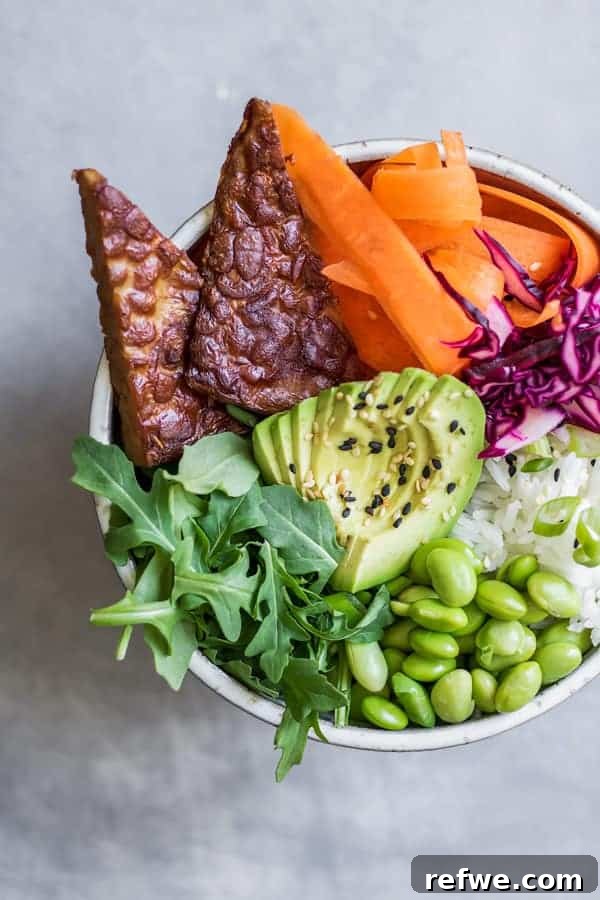
Revitalize your lunch or dinner routine with this healthy and incredibly vibrant vegan Ginger Tempeh Poke Bowl. This delightful twist on the classic poke bowl artfully combines savory Asian ginger-marinated tempeh with an array of crisp, fresh veggies and fluffy white rice, creating a wholesome, satisfying, and bursting-with-flavor meal.
3. Breakfast Bowl with Tempeh Bacon

Start your day the most delicious and nourishing way possible with this ultimate Vegan Breakfast Bowl. This indulgent dish boasts irresistibly savory maple tempeh bacon, rich and creamy ‘cheesy’ polenta, delightful sweet potato hash, and your choice of fresh, vibrant veggies, all combining for a truly satisfying and protein-packed morning meal.
4. Sweet Potato Noodles with Garlic Tempeh
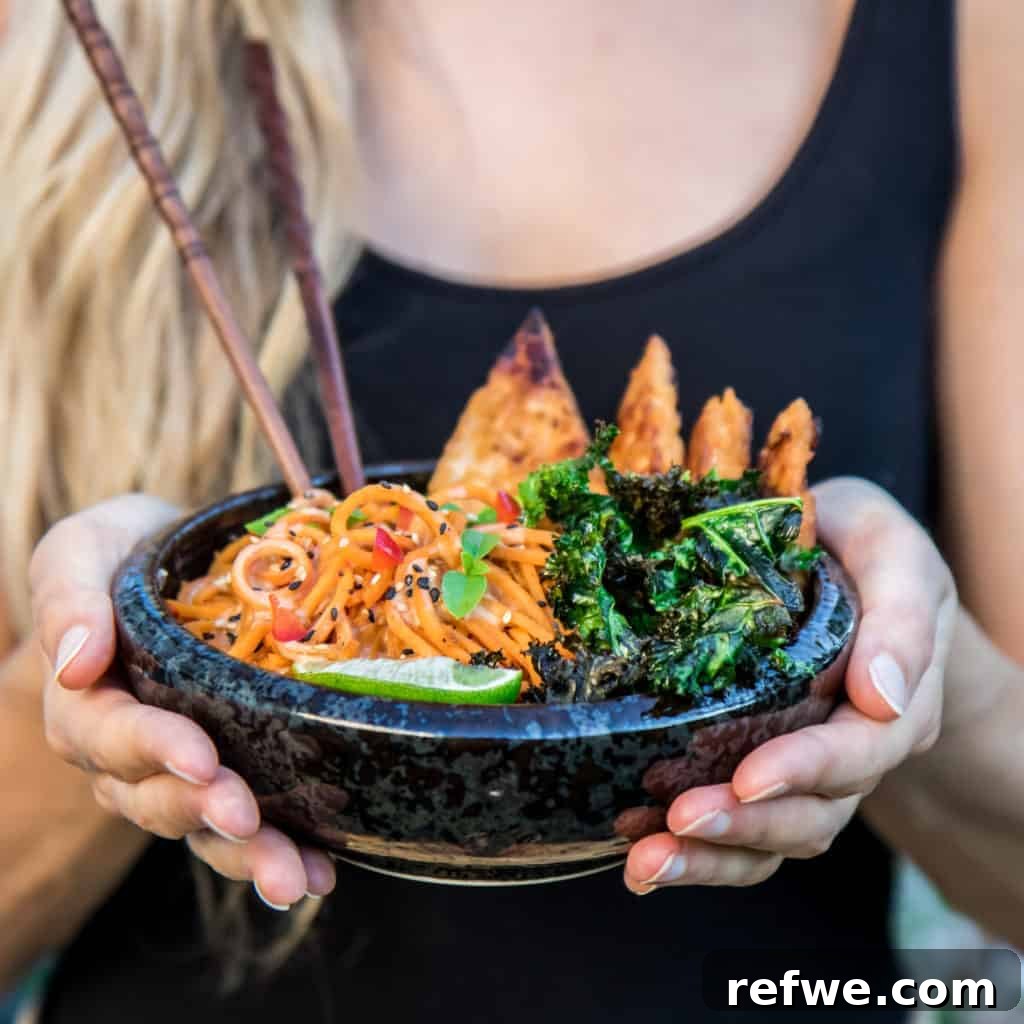
Indulge in the perfect healthy comfort food with these Creamy Sweet Potato Noodles harmoniously paired with perfectly pan-fried Garlic Tempeh and delightfully Crispy Kale. The garlic tempeh is expertly marinated and cooked until beautifully crisp, then elegantly garnished with fresh herbs and a squeeze of bright, zesty lime juice for an explosion of flavor.
5. Spicy Tempeh Breakfast Sausage

These vegan Spicy Tempeh Breakfast Sausages are an absolute game-changer for your morning routine! Crafted with a delightful and robust mixture of smoky, sweet, and spicy seasonings, these patties are moist, incredibly easy to make, and require just one bowl for mixing. They are absolutely perfect for a hearty and flavorful plant-based breakfast that will keep you satisfied.
6. Hoisin Glazed Tempeh Bowls

Savor the irresistible and deeply satisfying flavors of these Hoisin Glazed Tempeh Bowls! These wholesome bowls feature perfectly sticky tempeh coated in a rich hoisin glaze, nutrient-rich sesame massaged kale, and a vibrant medley of fresh and crunchy vegetables, all served atop fragrant brown jasmine rice for a truly balanced and satisfying plant-based meal.
7. Buffalo Tempeh Tacos

Ignite your taste buds with these sensational Buffalo Tempeh Tacos! This recipe features a wonderfully crispy panko-crusted tempeh, expertly fried to a perfect golden crisp and generously tossed in a fiery and flavorful buffalo sauce. For a lighter, low-carb dinner option, serve them elegantly nestled on a bed of fresh cabbage and crisp lettuce wraps.
8. Vegan Chorizo and Potato Tacos

These Vegan Chorizo and Potato Tacos are bursting with incredible spicy flavor, all masterfully achieved without any meat! Simply sauté seasoned, crumbled tempeh with tender potatoes, vibrant bell peppers, and sweet onions, then generously load this delectable filling into warm tortillas and top with plenty of fresh cilantro for a truly satisfying and zesty taco experience.
9. Jerk Tempeh Bowls with Mango Tahini Sauce

Transport your taste buds to the tropics with these vibrant Jerk Tempeh Bowls featuring an exquisite Mango Tahini Sauce! An ideal option for a quick weeknight dinner or efficient meal prep, these wholesome bowls combine intensely spiced jerk-marinated tempeh with fluffy rice, hearty black beans, sweet corn, and the undeniable star of the show: a heavenly, creamy mango-tahini sauce that perfectly unifies all the vibrant flavors.
10. Sticky Ginger Tempeh with Coconut Rice

Discover a super flavorful and remarkably easy vegan dinner with this incredible Sticky Ginger Tempeh served over fragrant Coconut Rice! This delightful plant-based dish expertly pairs meaty and subtly spicy crumbled tempeh, glazed in a rich, sticky ginger sauce, with a sweet and mellow coconut rice, creating a truly balanced, comforting, and deeply satisfying meal.
11. Tempeh Chilaquiles

Elevate your breakfast or brunch game with these absolutely incredible Tempeh Chilaquiles! This savory Mexican-inspired dish features crispy tortilla chips generously smothered in a rich, flavorful sauce and topped with perfectly spiced Mexican crumbled tempeh. Customize it generously with your favorite fresh toppings – we enthusiastically recommend creamy avocado slices, vibrant cilantro, and a squeeze of zesty lime juice for an explosion of freshness and flavor!
12. Vegan Thai Salad with Tempeh and Peanut Sauce

This exquisite Vegan Thai Salad is a protein-packed and flavor-rich masterpiece, perfect for a light yet satisfying meal! It features tender, orange-marinated tempeh, satisfyingly crunchy peanuts, and fresh edamame. A medley of bright, crisp vegetables is beautifully brought together with a simple yet incredibly delicious and creamy peanut sauce, creating a truly invigorating and wholesome salad experience.
13. Smokey Maple Tempeh Hash with Brussels Sprouts

Indulge in a hearty and deliciously wholesome start to your day with this Smoky Maple Tempeh Hash. This satisfying breakfast combines beautifully seasoned crumbled tempeh, coated in a smoky maple Dijon sauce, with fresh shredded Brussels sprouts and perfectly crispy fried potatoes. This vegan and gluten-free dish is utterly satisfying, packed with robust flavor, and perfect for a cozy morning.
14. Gochujang Tempeh
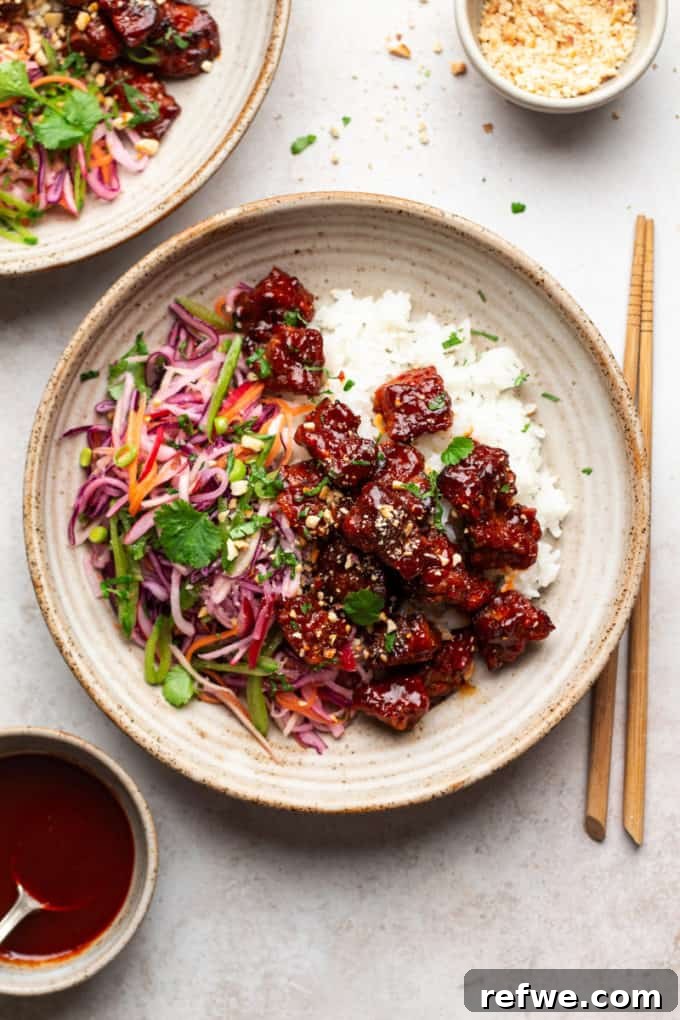
Experience the bold and vibrant flavors of Korea with this stunning Gochujang Tempeh! This incredible baked or pan-fried tempeh recipe features succulent tempeh pieces generously coated in a spicy-sweet Gochujang marinade, perfectly paired with fluffy rice and a refreshing, sour winter slaw. It creates a truly unforgettable and deeply delicious plant-based meal that’s bursting with authentic Korean-inspired taste.
15. Tempeh Taco Meat
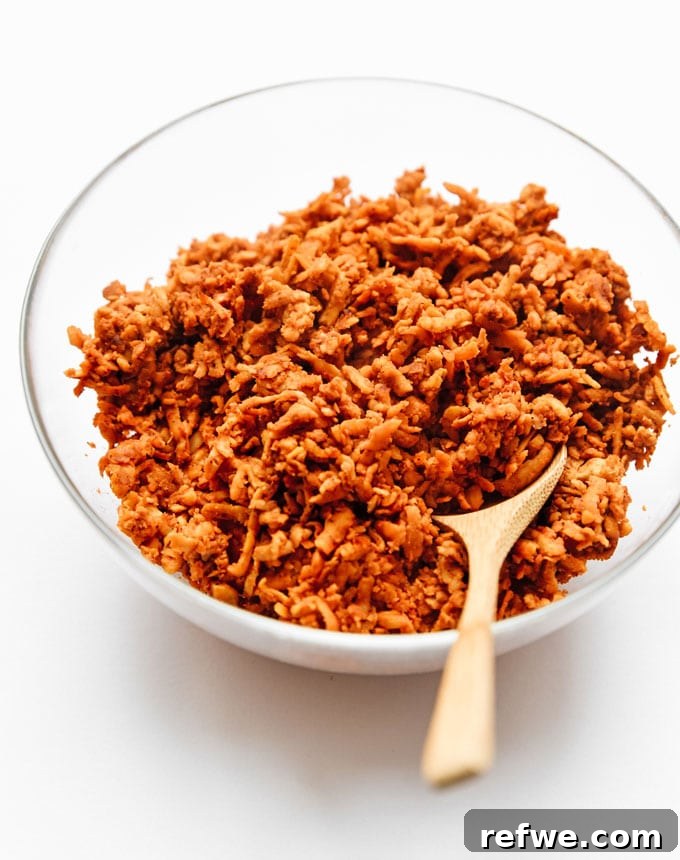
Create the ultimate vegan tacos, burritos, or bowls with this incredibly flavor-packed Tempeh Taco Meat! Crafted with a delightful blend of smoky spices and featuring a wonderfully moist and tender texture thanks to the smart addition of tomato paste, this plant-based “meat” is miraculously ready in under 15 minutes. It’s the perfect quick and satisfying protein for all your Mexican-inspired cravings!
16. Tempeh Maple Breakfast Sausage Patties

Whip up these incredibly easy and utterly delicious Tempeh Maple Breakfast Sausage Patties for a sweet and savory start to your day! These delightful patties are generously infused with the delightful flavors of rich maple syrup, aromatic sage, savory soy sauce, and a hint of pungent onion powder. They offer a fantastic vegan alternative that is both simple to prepare and absolutely bursting with taste.
17. Vegan Korean BBQ Burgers

Get ready for an explosion of vibrant flavors with these incredible Vegan Korean BBQ Burgers! Each burger is generously loaded with a protein-packed tempeh patty, expertly marinated in a bold ginger and gochujang sauce. Topped with a luscious Korean barbecue sauce and a zesty, crunchy kimchi slaw, these plant-based burgers deliver an unforgettable taste experience that will leave you craving more.
18. Tempeh Chow Mein

Enjoy a hearty, authentic, and utterly delicious vegan take on a classic Asian dish with this delightful Tempeh Chow Mein! Fresh, crisp vegetables and tender tempeh are stir-fried to perfection with a rich, flavorful sauce and perfectly cooked noodles, creating a deeply satisfying and incredibly savory meal that’s ideal for any night of the week.
19. 10-Minute Skillet BBQ Tempeh
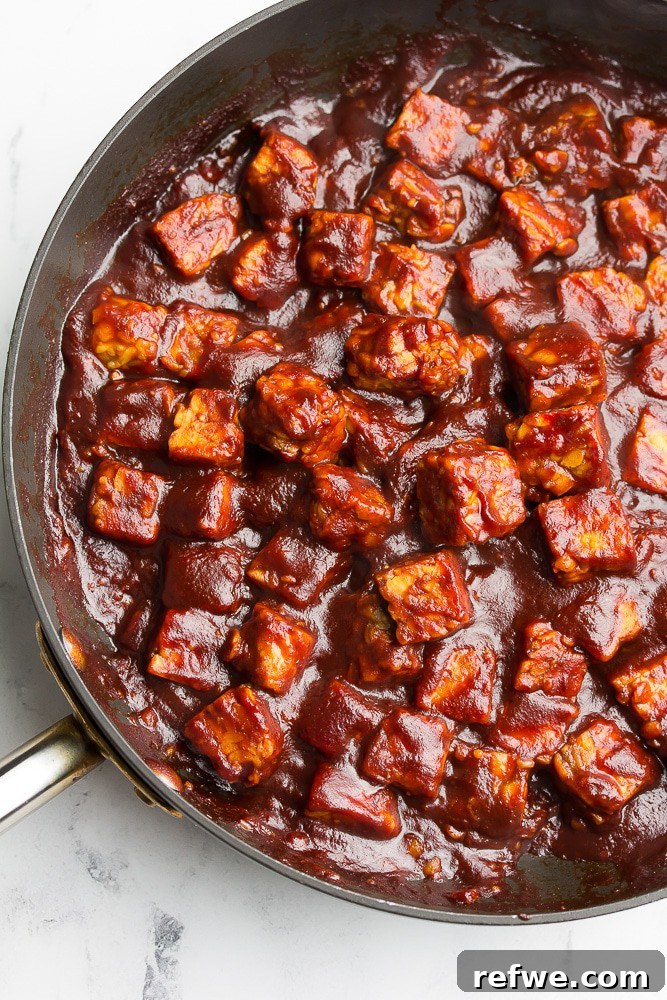
Craving delicious BBQ flavors in a flash? This incredibly easy Skillet BBQ Tempeh comes together in a remarkable 10 minutes! It features pre-steamed tempeh (a crucial step to eliminate any potential bitterness) generously coated in your favorite smoky barbecue sauce. This versatile dish pairs perfectly with your choice of savory sides and freshly cooked veggies for a lightning-fast and deeply satisfying meal.
20. Tempeh Tuna Salad

Discover a fantastic and incredibly convincing plant-based alternative with this flavorful Tempeh Tuna Salad! It’s brimming with satisfyingly crunchy onion and celery, zesty pickles, briny capers, creamy vegan mayonnaise, and a perfectly balanced blend of delicious spices. This makes for a superb light lunch, a wholesome sandwich filling, or a delightful and refreshing snack anytime you desire.
21. Vegan BLT with Avocado

Indulge in the ultimate plant-based comfort food experience with this exquisite Vegan BLT with Avocado! Featuring perfectly cooked sweet and savory tempeh bacon, crisp fresh lettuce, juicy ripe tomato slices, and creamy, rich avocado, this sandwich is an absolute flavor sensation. It’s an ideal tempeh recipe for a satisfying packed lunch, a quick and easy dinner, or a delicious and wholesome meal on the go.
22. Tempeh Buddha Bowl

Nourish your body and delight your senses with this wholesome Vegan Tempeh Buddha Bowl! It features tender tempeh marinated in a savory soy sauce and creamy peanut butter blend, fluffy brown rice, vibrant edamame, an assortment of crisp fresh veggies, and a delicious, incredibly creamy tamari-tahini dressing. This recipe is wonderfully oil-free, gluten-free, and refined sugar-free, making it a truly perfect and healthy choice for any meal.
23. 5 Easy Marinades for Tempeh
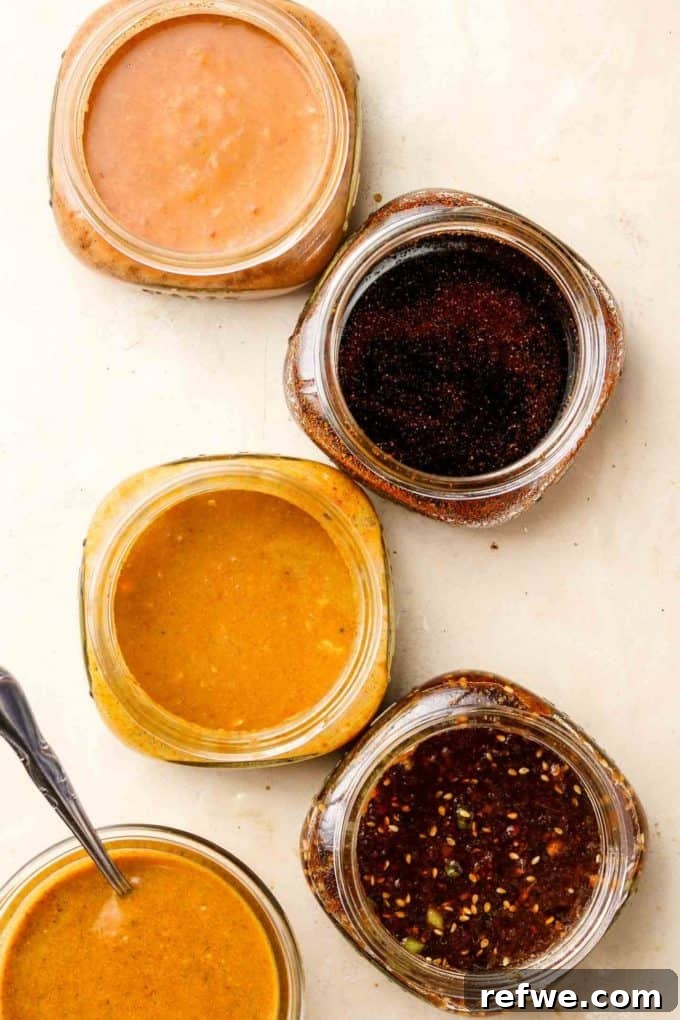
Last but certainly not least, master the art of deeply flavoring tempeh with this essential guide to 5 Easy Marinades! Explore exciting options like Tandoori, Smoky Maple, Satay, Korean BBQ, and Spiced Yogurt Marinades. These versatile and incredibly flavorful blends are absolutely perfect for baking, pan-frying, or grilling your favorite tempeh recipes, promising to infuse your dishes with incredible depth and an unforgettable taste experience.