

Delicious & Easy Vegan Vegetable Korma Curry: A 30-Minute Healthy Meal
Discover the delightful flavors of this Vegan Vegetable Korma Curry, a naturally plant-based, gluten-free, and incredibly wholesome meal. Crafted with a vibrant medley of tender potatoes, crisp cauliflower, and sweet peas, this dish promises a rich, creamy, and satisfying experience. Best of all, it comes together in just about 30 minutes, making it perfect for a quick weeknight dinner or an impressive weekend feast.

Effortless Vegan Vegetable Korma: Authentic Flavors in 30 Minutes
Many home cooks often shy away from preparing Indian cuisine, believing it to be overly complicated or time-consuming. While some traditional Indian dishes do involve intricate steps, this vegan korma curry breaks that stereotype. It’s designed for simplicity and speed, proving that you can enjoy rich, authentic Indian flavors without spending hours in the kitchen.
This recipe is a true culinary win, delivering a depth of flavor that usually requires much longer simmer times. It’s imbued with aromatic curry powder, fragrant garam masala, earthy turmeric, and a hint of cinnamon, creating a perfectly balanced spice profile that dances on your palate. The result is a profoundly satisfying meal that’s both indulgent and surprisingly light.
Unlike many traditional kormas that rely heavily on dairy cream and butter, our recipe achieves its luxurious creaminess using a clever, healthy substitute: homemade cashew milk. Blended cashews provide a wonderfully smooth and velvety texture, ensuring this curry is not only delicious but also naturally healthy and cholesterol-free. This innovative approach keeps the dish light while maintaining the characteristic richness of a classic korma.
Crafting this quick korma eliminates the need for extensive spice grinding or complex paste preparations. We’ve streamlined the process without compromising on taste, making this a go-to recipe for anyone craving a hearty and flavorful curry. For a truly immersive Indian-themed dining experience, consider pairing this korma with a Curried Coconut Cauliflower Soup as a delightful appetizer.
Understanding Korma: A Creamy Indian Delight
Korma, often spelled “kurma,” is a distinct type of curry originating from the Indian subcontinent. It’s renowned for its mild, creamy sauce and a delicate balance of spices, making it a favorite for those who prefer less heat but still desire rich flavor. Unlike fiery curries, korma focuses on aromatic spices, often incorporating nuts, yogurt (or a dairy-free alternative like cashews in our vegan version), and a mix of vegetables or proteins.
A vegetable korma typically features a vibrant assortment of seasonal produce simmered in this signature creamy sauce. Common vegetables include potatoes, cauliflower, carrots, and peas, as used in this recipe. However, the beauty of korma lies in its versatility. Feel free to customize your korma with any vegetables you enjoy, such as green beans, sweet potatoes, or spinach, adapting it to your preferences or what’s fresh in your pantry.
Essential Ingredients for Your Vegan Korma Curry
Crafting a truly exceptional vegan vegetable korma starts with selecting quality ingredients. Here’s a detailed look at what you’ll need to create this incredibly flavorful dish:
- Raw Cashews: The star ingredient for our luscious, dairy-free cream. Soaking and blending raw cashews with water creates a velvety, rich sauce that perfectly mimics traditional korma’s texture without any dairy. This is the secret to a healthy yet indulgent curry base.
- Onion: Forms the foundational aromatic base of nearly every Indian curry. Sautéing onions until translucent releases their natural sweetness and deepens the overall flavor of the dish.
- Fresh Garlic: An indispensable ingredient in Indian cooking, fresh minced garlic provides a pungent, savory depth that is crucial for a well-rounded curry. Always opt for fresh over pre-minced for the best flavor.
- Ginger: A staple in Indian cuisine, fresh grated or minced ginger adds a warm, zesty, and slightly spicy note that elevates the entire curry. It complements the other aromatics beautifully.
- Red Bell Pepper: Adds a lovely sweetness and a vibrant color to the korma. Any color bell pepper will work, but red provides the most sweetness and visual appeal.
- Jalapeño Pepper: (Optional) For those who enjoy a subtle kick, a chopped jalapeño introduces a mild heat that enhances the spice blend without overwhelming the palate. Adjust to your preferred spice level.
- Crushed Tomatoes: These contribute a tangy counterpoint to the creamy cashew base, creating a balanced and flavorful tomato-infused cream sauce that defines our korma.
- Assorted Vegetables: Our recipe features potatoes for heartiness, cauliflower for texture, carrots for sweetness, and peas for a pop of color and freshness. Remember, korma is incredibly adaptable; feel free to include your favorite vegetables or whatever you have on hand.
- Vegetable Broth: Used to thin the sauce to the perfect consistency while adding an extra layer of savory flavor. Water can be used in a pinch, but broth enhances the overall richness.
- Spice Blend: A carefully curated mix of aromatic spices including robust curry powder, warming garam masala, vibrant turmeric for color and earthy notes, and a touch of cinnamon for a unique depth.
- Fresh Cilantro: (Optional garnish) A sprinkle of fresh chopped cilantro adds a bright, herbaceous finish, enhancing the fresh taste and visual appeal of the korma.
Why This Vegan Korma is a Healthy Choice
Beyond its incredible taste, this Vegan Vegetable Korma offers a wealth of health benefits, making it an excellent addition to a balanced diet. It’s packed with nutrient-dense ingredients that support overall well-being:
- Rich in Vegetables: The generous portion of potatoes, cauliflower, carrots, and peas provides essential vitamins, minerals, and dietary fiber. Fiber is crucial for digestive health, helps regulate blood sugar levels, and promotes a feeling of fullness, aiding in weight management.
- Plant-Based Protein: Cashews not only create the creamy sauce but also contribute healthy fats and a good amount of plant-based protein. Peas are another excellent source of protein and fiber, making this dish surprisingly satiating.
- Healthy Fats: The cashews provide monounsaturated and polyunsaturated fats, which are beneficial for heart health. Olive oil, used for sautéing, adds another source of healthy fats.
- Anti-Inflammatory Spices: Turmeric, ginger, and garlic are well-known for their potent anti-inflammatory and antioxidant properties. Incorporating these spices regularly can contribute to a stronger immune system and overall health.
- Gluten-Free: Naturally free from gluten, this korma is a fantastic option for individuals with gluten sensitivities or those following a gluten-free lifestyle.
Choosing this vegan korma means enjoying a deeply flavorful meal that nourishes your body from the inside out.
How to Prepare Your Vegetable Korma: A Simple Guide
Step 1: Prepare the Creamy Cashew Base
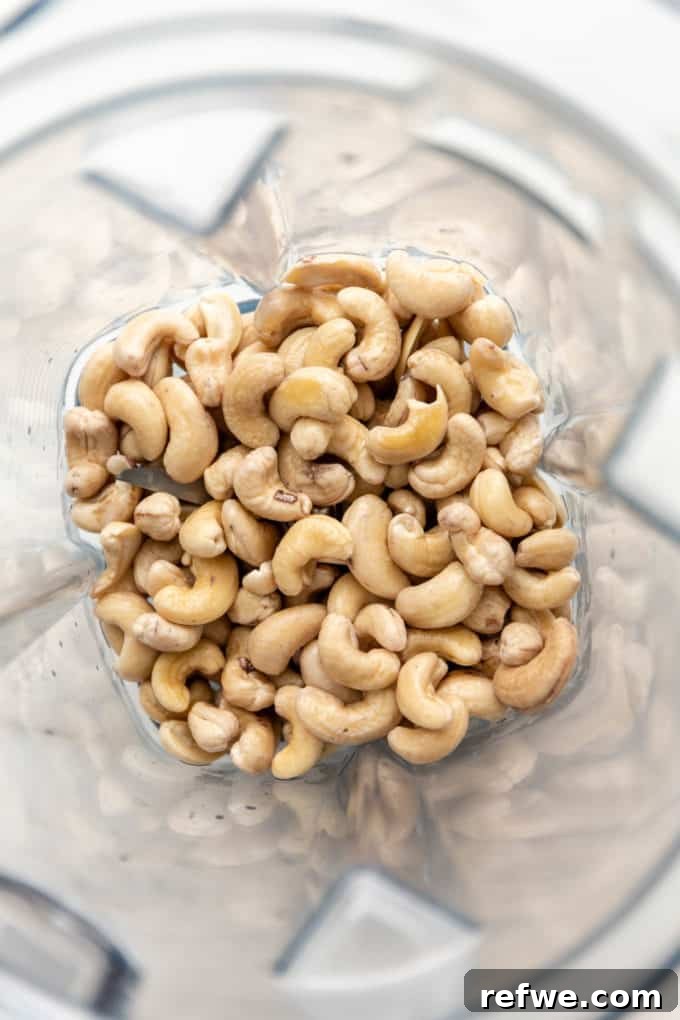
Begin by making your luscious cashew cream. Add the raw cashews (preferably soaked overnight and drained for extra creaminess, though a quick 30-minute soak in hot water also works) and fresh water to a high-speed blender. Blend thoroughly until the mixture is completely smooth and resembles a thick cream. Ensure there are no grainy cashew bits left behind; a super smooth consistency is key to a velvety korma sauce.

Step 2: Lightly Cook the Vegetables
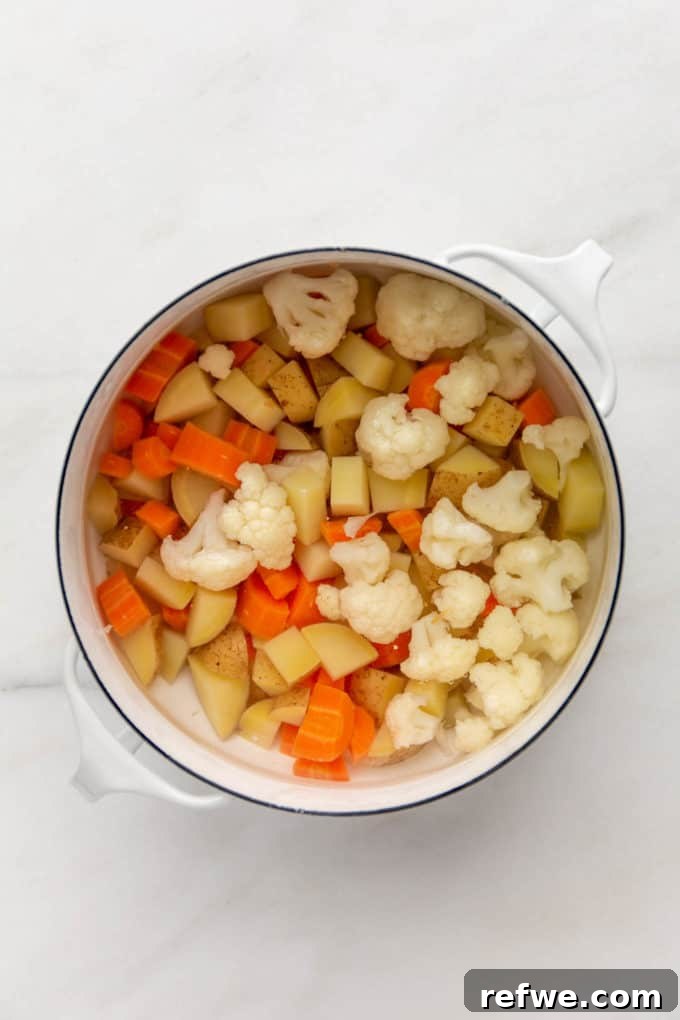
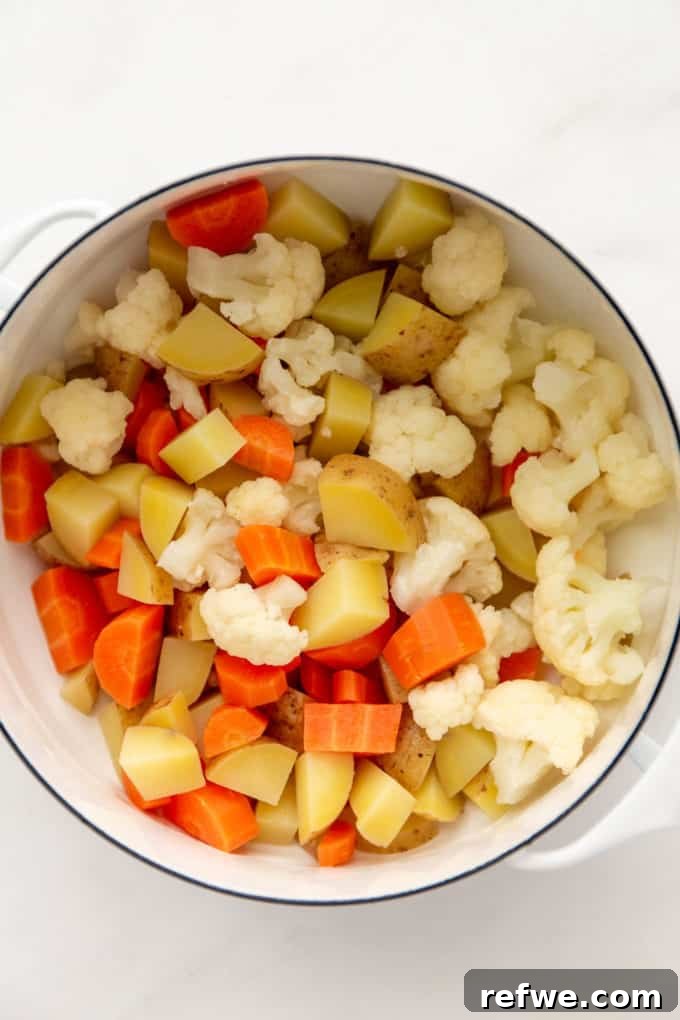
Place your chopped potatoes, cauliflower florets, and carrots into a large pot. Cover them with water and bring to a gentle boil. Allow the vegetables to cook for about 4-5 minutes. This pre-cooking step slightly softens the harder vegetables, ensuring they cook evenly in the curry sauce without becoming mushy. Drain the water thoroughly after cooking.
Step 3: Sauté the Aromatics and Spices
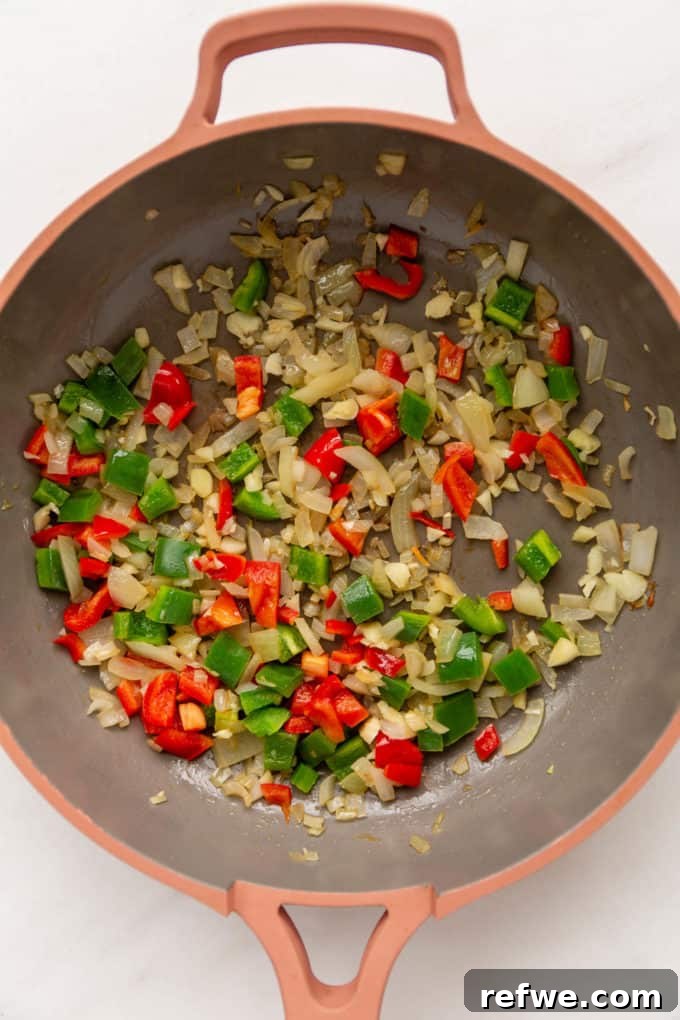
In a large pan or Dutch oven, heat the olive oil over medium-high heat. Add the chopped onion, minced garlic, grated ginger, red bell pepper, and the optional jalapeño. Sauté these aromatics for 2-3 minutes until the onion becomes translucent and the vegetables start to soften and release their fragrant oils. Next, add the curry powder, garam masala, turmeric, and cinnamon to the pan. Stir continuously for about 1 minute until the spices are wonderfully fragrant, toasting them lightly to enhance their flavor.
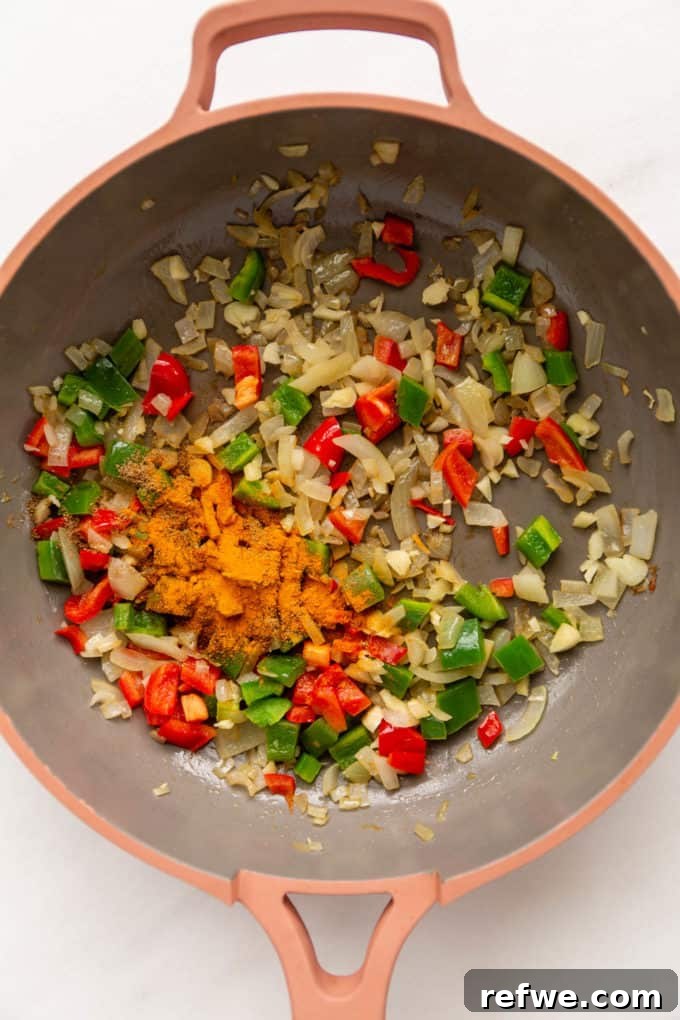
Step 4: Combine Vegetables and Tomatoes
Add the lightly cooked vegetables (potatoes, cauliflower, carrots) and the frozen peas to the pan with the sautéed aromatics and spices. Pour in the crushed tomatoes. Stir everything together well over medium heat, ensuring all the vegetables are evenly coated with the fragrant spice mixture and tomatoes. Allow this to cook for a couple of minutes to meld the flavors.
Pro Tip: To boost the protein content, consider adding cubes of pan-fried tofu or chickpeas at this stage for a heartier vegan meal. For a vegetarian option (not vegan), paneer cheese would also be a delicious addition!
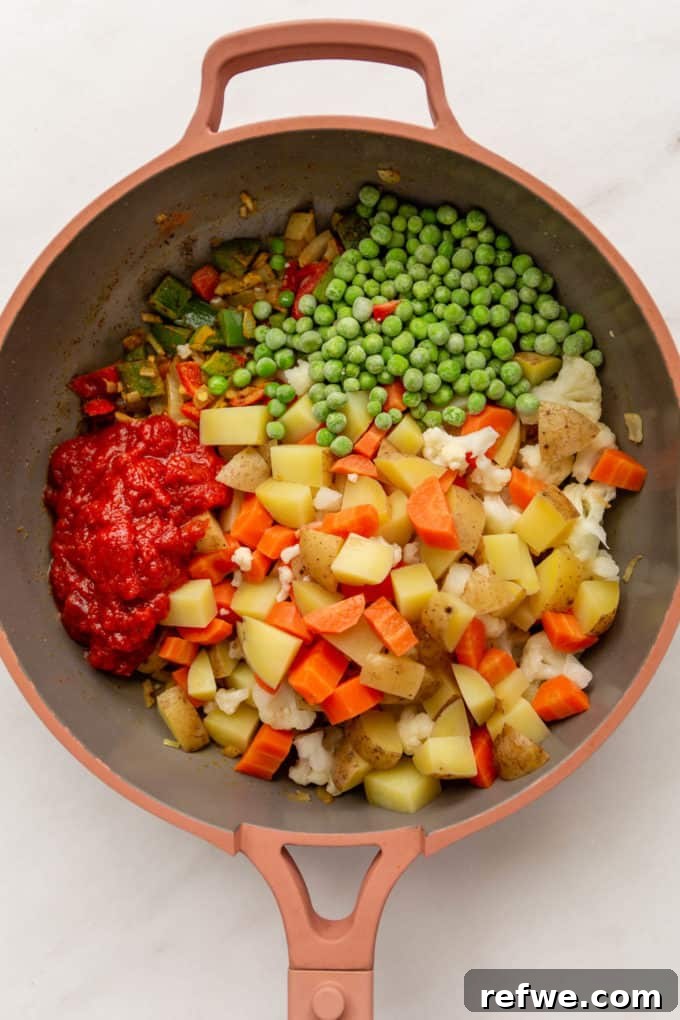

Step 5: Add Cashew Cream and Simmer
Gently pour the prepared cashew cream into the pan, followed by the vegetable broth. Stir everything together until thoroughly combined. Bring the mixture to a light boil, stirring continuously for 1-2 minutes to ensure the sauce thickens slightly. Reduce the heat to low, cover the pan, and let the vegetable korma simmer for about 10 minutes. This allows the vegetables to become perfectly tender and the flavors to fully meld into a harmonious, creamy curry.


Step 6: Serve and Enjoy
Once the korma has simmered and the vegetables are tender, remove the pan from the heat. Taste and adjust the seasoning if necessary, adding a little more salt or spices to your liking. Serve your homemade Vegan Vegetable Korma immediately while it’s warm and fragrant. It’s exquisite spooned over fluffy basmati rice or enjoyed with warm, fresh naan bread or chapati.


Perfect Pairings: What to Serve with Your Veggie Korma
This creamy veggie korma is wonderfully versatile, delicious enough to stand alone or to be enjoyed as part of a larger Indian feast. Here are some excellent ways to serve it:
- Basmati Rice: The classic choice! Its aromatic grains perfectly complement the rich curry sauce. Consider making Turmeric Rice for added color and flavor.
- Warm Breads: Freshly baked naan bread, soft chapati, or even a simple roti are ideal for scooping up every last bit of the flavorful sauce.
- As Part of a Thali: For an authentic Indian dining experience, serve this korma alongside a variety of other dishes. Some fantastic vegan options include:
- Tofu Tikka Masala
- Red Lentil Dahl
- Kitchari
- Chana Masala
- Refreshing Sides: A simple cucumber raita (yogurt dip, use dairy-free for vegan) or a fresh green salad can offer a cooling contrast to the curry.
Storing, Freezing, and Reheating Your Vegan Korma
This vegetable korma is fantastic for meal prepping or enjoying leftovers, as the flavors often deepen overnight. Follow these tips to keep your curry fresh and delicious:
Fridge: Store any leftover Vegan Vegetable Korma in an airtight container in the refrigerator for up to 5 days. To reheat, simply transfer the desired portion to a saucepan and warm gently over medium-low heat on the stovetop, stirring occasionally. You can also reheat it in the microwave until thoroughly warm.
Freezer: For longer storage, allow the Vegetable Korma to cool completely to room temperature. Then, transfer it to a freezer-safe airtight container or freezer bags. It can be stored in the freezer for up to 2 months. To defrost, place the frozen korma in the refrigerator overnight, or thaw on the countertop for a few hours. Reheat thawed korma on the stovetop or in the microwave, as described above.
Reheating Tip: If the sauce appears too thick after reheating, you can stir in a tablespoon or two of vegetable broth or water to achieve your desired consistency.
Beyond the Recipe: What Other Vegetables Work Well in Curry?
The world of curries is incredibly adaptable, and vegetable korma is no exception. While our recipe uses a classic blend, feel free to experiment with other vegetables to suit your taste and seasonal availability. Here’s an expanded list of veggies that thrive in a creamy curry:
- Leafy Greens: Fresh spinach, kale, or Swiss chard wilt beautifully into a curry, adding a boost of nutrients and vibrant color. Add them towards the end of cooking.
- Root Vegetables: Sweet potatoes, butternut squash, parsnips, or even turnips can be excellent additions, providing sweetness and a hearty texture.
- Cruciferous Vegetables: Beyond cauliflower, broccoli florets are a great choice.
- Legumes & Pods: Green beans, snow peas, or sugar snap peas offer a delightful crunch. Consider adding chickpeas or lentils for extra protein and fiber.
- Other Vegetables: Eggplant (aubergine), zucchini, mushrooms, bell peppers of any color, and baby corn can all create diverse and delicious variations.
When incorporating different vegetables, consider their cooking times. Harder vegetables like squash or root vegetables may need to be added earlier or pre-cooked slightly longer, while softer greens should be stirred in towards the end.
Chef’s Secrets: Expert Tips for Making the Best Vegetable Korma
- Uniform Vegetable Chunks: Always cut all your vegetables into roughly even-sized pieces. This seemingly small detail is crucial for ensuring that everything cooks at the same rate, preventing some vegetables from becoming mushy while others remain undercooked.
- Timing is Key for Delicate Veggies: If you’re adding any additional vegetables that cook very quickly, such as spinach, kale, or tender green beans, stir them into the korma about 5-10 minutes before you plan to serve. This preserves their texture and vibrant color, preventing them from overcooking and becoming bland.
- Cashew Alternative: While cashews are ideal for achieving a traditional korma richness, if you don’t have raw cashews on hand or have a nut allergy, you can still make a wonderfully creamy korma. Simply substitute the cashew cream with 1 1/2 cups of full-fat coconut milk. It will impart a slightly different flavor profile but will still be incredibly delicious and rich.
- Adjusting Spice Levels: The jalapeño is optional. For more heat, add a second jalapeño or a pinch of cayenne pepper. For a milder korma, omit the jalapeño entirely.
- Don’t Rush the Simmer: While this is a quick recipe, the 10-minute simmer at the end is vital for allowing the flavors to fully meld and deepen. Resist the urge to cut this time short for the best taste.
Frequently Asked Questions About Vegan Korma
Korma distinguishes itself from many other Indian curries primarily by its mildness and creamy texture. While many curries are known for their bold, often spicy, and sometimes thinner sauces, korma traditionally features a rich, often nut-based (like cashews or almonds) sauce with a more subtle spice profile. It’s designed to be aromatic and comforting rather than intensely fiery.
Traditional korma sauce, originating from Northern India, is celebrated for its luxurious creaminess. It typically uses pureed nuts (often cashews or almonds) and/or yogurt as its base, along with a blend of milder aromatic spices. In our healthy vegan recipe, the korma sauce is crafted by blending raw cashews with water to create a rich, dairy-free “cashew milk.” This plant-based milk forms the incredibly creamy foundation, combined with crushed tomatoes and a medley of carefully selected spices, resulting in a velvety, flavorful, and wonderfully mild sauce.
Absolutely! This Vegan Vegetable Korma is a truly healthy meal. It’s loaded with a diverse array of fresh vegetables, providing essential vitamins, minerals, and dietary fiber. The cashew-based sauce offers healthy fats and plant-based protein, contributing to satiety and muscle health. With its natural, whole ingredients and beneficial spices, this korma is an excellent choice for a balanced and nutritious diet.
Yes, you certainly can! If you have a nut allergy or simply don’t have cashews available, you can easily adapt this recipe. Instead of making cashew cream, simply use 1 1/2 cups of full-fat coconut milk (from a can) to achieve a rich and creamy sauce. The flavor profile will be slightly different, with a hint of coconut, but it will still be incredibly delicious and satisfying.

Discover More Delectable Curry Recipes to Try
If you’ve enjoyed the rich and comforting flavors of this Vegan Vegetable Korma, we invite you to explore more of our sensational curry creations. Each recipe is crafted to bring warmth and deliciousness to your table:
- Hearty Red Lentil Curry
- Sweet Potato Curry with Coconut Milk
- Aromatic Roasted Eggplant Curry
- Quick & Easy Chickpea Curry
- Slow Cooker Pumpkin Chickpea Curry
- Creamy Butternut Squash Curry
We hope this Vegan Vegetable Korma becomes a new favorite in your kitchen! If you tried this recipe or any other on our blog, we’d love to hear from you. Please share your feedback by leaving a comment and rating below. Don’t forget to follow us on Pinterest, Instagram, and Facebook for even more delicious and healthy meal ideas!

Vegetable Korma Recipe
- Author: Jessica Hoffman
- Prep Time: 10 minutes
- Cook Time: 20 minutes
- Total Time: 30 minutes
- Yield: 4 servings
- Category: Main
- Method: Cook
- Cuisine: Indian
- Diet: Vegan, Gluten-Free
Description
This Vegetable Korma Curry is a healthy, naturally vegan, and gluten-free meal that comes together quickly, delivering rich and creamy Indian flavors in just 30 minutes!
Ingredients
- 1/2 cup raw cashews, soaked in water overnight then drained
- 1 1/2 cups water
- 1 1/2 tbsp olive oil
- 1 onion, chopped
- 1-inch cube ginger, minced
- 3 garlic cloves, minced
- 1 red bell pepper, chopped
- 1 jalapeno, chopped (optional, for heat)
- 1/4 cup crushed tomatoes
- 1/2 tsp salt
- 1/2 tsp black pepper
- 1 tbsp curry powder
- 1 tsp garam masala powder
- 1/2 tsp turmeric powder
- 1/2 tsp cinnamon
- 2 russet potatoes, peeled and cut into cubes
- 2 cups cauliflower florets
- 1 large carrot, peeled and chopped
- 1/2 cup peas (fresh or frozen)
- 1/4 cup vegetable broth
- Fresh cilantro, for garnish (optional)
Instructions
- Add the soaked cashews and 1 1/2 cups water to a high-speed blender and blend until completely smooth and creamy. Set aside.
- Add the chopped potatoes, cauliflower, and carrot to a pot of water and bring to a light boil. Cook for 3-4 minutes to slightly soften the vegetables. Drain well.
- Heat the olive oil in a large skillet or Dutch oven over medium-high heat. Add the chopped onion, minced ginger, minced garlic, red bell pepper, and optional jalapeño pepper. Sauté for 2-3 minutes until the onion is translucent and fragrant.
- Add the salt, black pepper, curry powder, garam masala, turmeric, and cinnamon to the pan. Stir everything together for about 1 minute until the spices are fragrant.
- Stir in the lightly cooked vegetables, frozen peas, crushed tomatoes, and the prepared cashew cream. Add the vegetable broth.
- Bring the mixture to a gentle boil, then reduce the heat to low, cover the pan, and let it simmer for 10 minutes, or until the vegetables are tender and the sauce has thickened.
- Taste the korma and adjust seasonings (salt, pepper, or spices) as needed. Serve immediately.
Notes
Evenly Cut Vegetables: Ensure all your vegetables are cut into similar-sized pieces for consistent cooking. This prevents some pieces from being overcooked and mushy while others are still hard.
Adding Quick-Cooking Veggies: If you’re adding delicate vegetables like spinach or kale, stir them in during the last 5-10 minutes of simmering so they don’t overcook and lose their texture and nutrients.
Cashew Substitution: No raw cashews? No problem! You can achieve a rich, creamy sauce by using 1 1/2 cups of full-fat canned coconut milk instead of the cashew cream. The flavor will be slightly different (with a hint of coconut), but equally delicious.
Freezing Instructions: This korma freezes exceptionally well. Allow it to cool completely before transferring it to an airtight, freezer-safe container. It can be stored for up to 2 months. Thaw overnight in the fridge before reheating.
Nutrition
- Serving Size: 1/4 recipe
- Calories: 300
- Sugar: 5g
- Fat: 12g
- Carbohydrates: 40g
- Fiber: 9g
- Protein: 9g