

This authentic Ayurvedic Kitchari recipe brings together yellow split mung beans and fragrant basmati rice, slow-cooked into a comforting, stew-like masterpiece. Revered in ancient Ayurvedic traditions, this dish is celebrated for its remarkable ease of digestion, making it an ideal choice for a gentle cleanse or a deeply nourishing meal. Naturally vegan and gluten-free, it caters to a wide array of dietary needs while offering profound health benefits.

What is Kitchari? The Heart of Ayurvedic Healing
Kitchari, often spelled Khichdi, is far more than just a simple rice and lentil dish; it’s a foundational staple in Ayurvedic cuisine, revered for its healing and detoxifying properties. Traditionally prepared with tender mung beans, light basmati rice, and a blend of potent digestive spices, Kitchari embodies the essence of Ayurvedic wisdom by nurturing the body and mind. It’s designed to be tridoshic, meaning it helps balance all three doshas (Vata, Pitta, and Kapha), making it suitable for everyone.
In Ayurvedic philosophy, Kitchari is considered a complete food that supports “Agni,” the digestive fire. A strong Agni is crucial for optimal digestion, nutrient absorption, and the elimination of toxins (ama). When Agni is weak, digestion is impaired, leading to a build-up of ama, which can manifest as various health issues. Kitchari’s carefully selected ingredients and preparation methods are specifically chosen to gently kindle and strengthen Agni without overburdening the digestive system.
My own deep appreciation for Kitchari blossomed during my time studying yoga and Ayurveda in Northern India. On the ashram, this wholesome and comforting dish was a daily offering, a cornerstone of the diet designed to support intense spiritual practice and physical well-being. It wasn’t just food; it was medicine, comfort, and nourishment rolled into one. The simplicity yet profound impact of Kitchari left an indelible mark on me, inspiring this recipe which is lovingly crafted to honor those traditional flavors and healing principles.
The Profound Benefits of Ayurvedic Kitchari for Holistic Well-being
In Western cultures, the term “detox” often conjures images of restrictive juice cleanses or raw salads. However, Ayurveda offers a different, more gentle, and deeply nourishing approach to detoxification, with Kitchari at its forefront. This humble dish, composed of rice and beans, might seem an unlikely candidate for a healing protocol, but its benefits are numerous and scientifically supported:
- Unparalleled Digestibility: At the core of Kitchari’s healing power are split mung beans (moong dal). Unlike many other legumes that can be difficult to digest and cause bloating, mung beans are incredibly light and easy on the digestive system. When split and husked, they become even more digestible, reducing digestive strain and allowing the body to focus its energy on healing and cleansing.
- A Complete Protein Source: The combination of rice and mung beans creates a complete protein, supplying all nine essential amino acids that the body cannot produce on its own. This makes Kitchari an excellent and balanced plant-based meal, providing sustained energy and supporting muscle repair and overall bodily functions, crucial during any cleanse or recovery period.
- Optimized Digestion with Therapeutic Spices: Kitchari is infused with specific Ayurvedic spices that are renowned for their digestive and medicinal properties.
- Cumin Seeds: Aid digestion, reduce gas, and have antiseptic properties.
- Mustard Seeds: Stimulate digestion and metabolism, warm the body.
- Ginger: A powerful carminative and anti-inflammatory, ginger kindles Agni and helps break down food.
- Turmeric: A potent anti-inflammatory, antioxidant, and liver detoxifier. It also supports healthy digestion and microflora.
- Black Pepper: Enhances the bioavailability of other spices, particularly turmeric, and stimulates digestion.
- Bay Leaf: Known for its digestive and carminative properties, helping to prevent gas and bloating.
These spices work synergistically to improve nutrient absorption, reduce digestive discomfort, and gently cleanse the system.
- Nourishment and Rejuvenation: Beyond detoxification, Kitchari offers deep nourishment. It provides complex carbohydrates from rice for sustained energy, protein from mung beans for cellular repair, and healthy fats (from coconut oil or ghee) for essential bodily functions. It’s a dish that truly rejuvenates tired tissues and calms the nervous system.
- Balancing for All Doshas: Kitchari is considered tridoshic, making it suitable for balancing Vata, Pitta, and Kapha doshas. This universal applicability makes it a go-to dish in Ayurvedic practices for promoting overall harmony and health.
Moreover, the comforting warmth and bland yet flavorful nature of Kitchari provide a much-needed respite for the digestive system, allowing it to rest, reset, and heal. It’s a delicious and deeply satisfying way to bring balance and vitality back into your life.
How to Master This Healing Ayurvedic Kitchari Recipe
Crafting this Ayurvedic Kitchari is a straightforward process, but paying attention to a few key steps will ensure a perfect, deeply healing dish. The journey begins with mindful preparation of your core ingredients.
First and foremost, you’ll want to thoroughly soak your yellow split mung beans (moong dal) and basmati rice in separate bowls of water. This crucial step significantly aids in digestion by breaking down complex starches and phytic acid, making the nutrients more bioavailable and reducing any potential for gas or bloating. After soaking for the recommended time, rinse them meticulously in a fine-mesh strainer until the water runs completely clear. This ensures all impurities and excess starch are removed, contributing to a lighter, cleaner final product.


Next, the magic of the spices begins. In a heavy-bottomed pot, gently heat your chosen oil (coconut oil for vegan, or traditional ghee). Once warm, add the finely chopped ginger and the whole spices: cumin seeds, mustard seeds, and bay leaf. Allow them to lightly toast for a minute or two, stirring constantly. This process, known as “tempering” or “tadka” in Indian cooking, releases their aromatic oils and enhances their medicinal properties, creating a deeply fragrant base that defines the soul of Kitchari. Be careful not to burn them; you’re looking for a fragrant aroma, not a smoky one.
Once the spices are aromatic, introduce the rinsed mung beans and rice to the pot, giving them a quick stir to coat them with the fragrant oil and spices. Pour in the specified amount of water, ensuring everything is well submerged. Bring the mixture to a rolling boil, then reduce the heat to a gentle simmer. Cover the pot tightly and let it cook undisturbed for approximately 25-35 minutes. During this time, the beans and rice will absorb the water, soften, and meld together, transforming into a creamy, stew-like consistency. The exact cooking time may vary slightly depending on your stove and pot, so keep an eye on it towards the end.
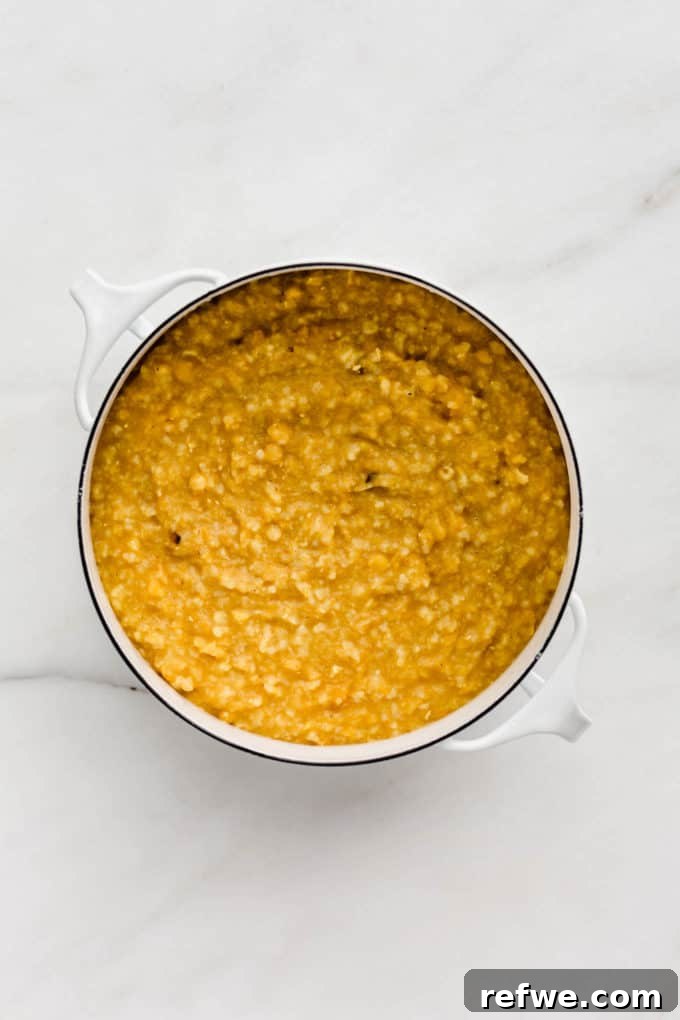
The result should be a thick, soupy mixture, where the rice and beans are perfectly tender but still hold their shape, infused with the warming notes of the spices. If your Kitchari appears too thick for your liking after simmering, simply add a splash more hot water and stir until you achieve your desired consistency. Always remember to taste and adjust the seasoning with salt and pepper at the very end to ensure it’s perfectly balanced to your palate. Garnish with fresh cilantro for a burst of color and freshness, enhancing both the visual appeal and the flavor profile.

Expert Tips for Crafting Your Perfect Kitchari
While Kitchari is inherently simple, a few expert tips can elevate your dish from good to exceptional, ensuring maximum digestibility and flavor:
- Prioritize Soaking: Never skip soaking the split mung beans and basmati rice. This isn’t just about cooking time; it’s a vital Ayurvedic practice that significantly improves digestibility by neutralizing enzyme inhibitors and softening the grains, making them much easier for your body to process. Aim for at least 15-20 minutes, or longer if you have time.
- Temper Spices with Care: When toasting your whole spices (cumin and mustard seeds), use medium to low heat. The goal is to gently awaken their essential oils and release their fragrance, not to burn them. Burnt spices will impart a bitter taste that can ruin the dish. Toast them until they are fragrant and the mustard seeds begin to pop, typically 1-2 minutes.
- Adjust Consistency to Your Preference: Kitchari’s consistency can range from a thick porridge to a more soupy stew. If your Kitchari becomes too thick during cooking, don’t hesitate to add a bit more hot water, stirring it in thoroughly until you reach your desired texture. It should be comforting and easy to eat, not overly dry.
- Taste and Season Accordingly: Always taste your Kitchari before serving and adjust the seasoning. Salt levels can dramatically impact the flavor. You might find you need a little more salt or even a pinch of black pepper to enhance the overall taste.
- Garnish for Freshness: While Kitchari is delicious on its own, a sprinkle of fresh cilantro just before serving adds a vibrant touch and a burst of fresh flavor. A squeeze of fresh lime juice can also brighten the dish beautifully.
- Use Fresh Ingredients: Whenever possible, use fresh ginger and high-quality, fresh spices. Older spices lose their potency and aroma, which will impact the final flavor and therapeutic benefits of your Kitchari.
Kitchari Variations and Serving Suggestions
One of the beauties of Kitchari is its versatility. While the traditional recipe is perfect as is, you can easily adapt it to include seasonal vegetables or adjust the spices to suit your dosha or preferences.
Seasonal Vegetable Additions:
To boost the nutritional content and flavor, consider adding finely chopped seasonal vegetables. Introduce them towards the beginning of the simmering process, after adding the water, so they cook through. Good options include:
- Root Vegetables: Diced carrots, sweet potatoes, or butternut squash add a natural sweetness and hearty texture.
- Leafy Greens: Stir in spinach, kale, or Swiss chard during the last 5-10 minutes of cooking until just wilted.
- Cruciferous Vegetables: Small florets of broccoli or cauliflower can be added, though they might require a bit more cooking time.
- Other Options: Zucchini, green beans, or peas also integrate beautifully into Kitchari.
When adding vegetables, you might need to increase the water slightly to maintain the desired consistency.
Spice Adjustments and Enhancements:
While the core spices are essential, you can explore adding others:
- Asafoetida (Hing): A tiny pinch can be added with the other whole spices. It’s excellent for reducing gas and aiding digestion, particularly when cooking legumes.
- Coriander Powder: Adds a mild, citrusy note and aids digestion. Add a teaspoon with the ground turmeric.
- Garam Masala: For a richer, more complex flavor, a teaspoon of Garam Masala can be stirred in at the very end of cooking.
- Fennel Seeds: Can be toasted with cumin and mustard seeds for a sweeter, more cooling digestive aid.
Serving Suggestions:
Kitchari is a complete meal in itself, but it can be enhanced with simple accompaniments:
- Fresh Garnish: Always finish with a generous sprinkle of fresh cilantro and a squeeze of fresh lime or lemon juice to brighten the flavors.
- Chutney or Pickle: A small side of your favorite Indian chutney or pickle can add a delightful tangy or spicy kick.
- Yogurt or Raita: If you’re not strictly vegan, a dollop of plain yogurt or a cooling raita (yogurt with cucumber and spices) can be a lovely contrast to the warmth of the Kitchari.
- Ghee: For those who consume dairy, a spoonful of pure ghee stirred in before serving adds richness, flavor, and additional digestive benefits.
Whether enjoyed as part of an Ayurvedic cleanse, a nourishing weeknight dinner, or a comforting meal during convalescence, Kitchari offers a gentle yet powerful path to holistic well-being.
Similar Healing Recipes to Try
If you’ve enjoyed the comforting and wholesome experience of this Ayurvedic Kitchari, you’ll likely appreciate other recipes that focus on nourishing ingredients and balanced flavors. Expand your culinary repertoire with these equally delicious and health-conscious dishes:
- **Hearty Red Lentil Curry:** A vibrant and flavorful curry packed with protein and spices, offering a different take on legume-based comfort food.
- **Authentic Sri Lankan Style Dal:** Explore the distinct flavors of Sri Lankan cuisine with this aromatic and creamy lentil dish, perfect for a warming meal.
- **Nourishing Vegetable Korma:** A rich and creamy vegetable curry that combines a variety of fresh vegetables with a delicate blend of spices, offering a delightful and satisfying meal.

We hope you find immense comfort and nourishment in preparing and enjoying this Ayurvedic Kitchari. If you tried this or any other recipe on the blog, please let us know how you liked it by leaving a comment and rating below! Your feedback is invaluable. Be sure to follow along on Pinterest, Instagram, and Facebook for even more delicious and healthy recipes!
Print Recipe Card

Ayurvedic Kitchari: A Healing Mung Bean and Rice Dish
- Author: Jessica Hoffman
- Prep Time: 15 minutes
- Cook Time: 30 minutes
- Total Time: 45 minutes
- Yield: 4 servings
- Category: Main Dish, Comfort Food
- Method: Simmer, Stove-top
- Cuisine: Indian, Ayurvedic
- Diet: Vegan, Gluten-Free
Description
This traditional Ayurvedic Kitchari recipe is incredibly easy to digest and deeply nourishing, making it the perfect simple, healthy, and comforting meal for any occasion. It’s ideal for detoxification or when your body needs a gentle, balancing food.
Ingredients
- 1/2 cup yellow split mung beans (often called moong dal)
- 1/2 cup basmati rice
- 1 tbsp coconut oil (or traditional ghee for non-vegan)
- 1 1-inch piece fresh ginger, finely chopped or grated
- 1/2 tsp whole cumin seeds
- 1/2 tsp whole mustard seeds
- 1/2 tsp black pepper, freshly ground
- 1 tsp sea salt (or to taste)
- 1/4 tsp ground turmeric
- 1 bay leaf
- 4 1/2 cups water
- Optional: Fresh cilantro for garnish
Instructions
- Prepare Mung Beans and Rice: Place the split mung beans and basmati rice in separate bowls. Cover them with water and let them soak for 15-20 minutes. This step is crucial for improved digestibility. After soaking, rinse both the mung beans and rice thoroughly in a fine-mesh strainer under cold running water until the water runs completely clear. Drain well.
- Temper the Spices: Heat the coconut oil (or ghee) in a large pot or Dutch oven over medium heat. Add the chopped ginger, cumin seeds, mustard seeds, black pepper, sea salt, ground turmeric, and bay leaf. Gently toast the spices for 1-2 minutes, stirring continuously, until they become fragrant and the mustard seeds begin to pop. Be careful not to burn them.
- Combine and Simmer: Add the rinsed mung beans and basmati rice to the pot with the toasted spices. Stir everything together for about 30 seconds to coat the grains and beans with the aromatic spice mixture. Pour in the 4 1/2 cups of water. Bring the mixture to a boil over medium-high heat.
- Cook to Perfection: Once boiling, reduce the heat to low, cover the pot tightly with a lid, and let it simmer for 25-35 minutes, or until the mung beans and rice are tender and have absorbed most of the water, forming a creamy, stew-like consistency. If the Kitchari becomes too thick for your preference, you can add a little more hot water and stir it through.
- Serve: Remove the bay leaf before serving. Taste and adjust the seasoning with additional salt or pepper if needed. Ladle the warm Kitchari into bowls and garnish with fresh cilantro, if desired. Serve immediately and enjoy the comforting, healing goodness.
Recipe Notes for Optimal Results
Do Not Skip Soaking: Soaking mung beans and rice is a non-negotiable step for the best results. It dramatically improves digestibility and ensures a tender texture, which is key for an Ayurvedic healing dish.
Monitor Spice Toasting: Keep a close eye on your spices while toasting. They should become fragrant, not burnt. Low to medium heat is your friend here to unlock their full aromatic and medicinal potential without turning bitter.
Adjust Consistency as Needed: Kitchari can range from thick to slightly soupy. If you prefer a thinner consistency or if your Kitchari seems too dense, simply stir in a bit more hot water until it reaches your desired texture.
Final Seasoning is Key: Always taste your Kitchari before serving. Season with salt and pepper as needed to perfectly balance the flavors. A dash of fresh lemon or lime juice at the end can also brighten the dish.
Storage: Leftover Kitchari can be stored in an airtight container in the refrigerator for up to 3-4 days. It tends to thicken upon cooling, so you may need to add a splash of water when reheating.
Nutrition Information (Approximate per serving)
- Serving Size: 1/4 of recipe
- Calories: 220
- Fat: 4g
- Carbohydrates: 35g
- Fiber: 4g
- Protein: 9g