

Dreaming of sharing your culinary creations, cherished family recipes, or innovative healthy eats with the world? Starting a food blog is an incredibly rewarding journey, and this comprehensive guide is designed to help you launch yours today! We’ll walk you through every essential step, from choosing your perfect domain to optimizing your site for success, ensuring you can have your very own food blog up and running faster than you think. Get ready to transform your passion for food into a thriving online presence!
Why Start a Food Blog Now? Debunking the Myths and Embracing the Opportunity
Perhaps you’ve contemplated starting a food blog but felt deterred by the common misconception that the market is too crowded, or that you’re simply “too late to the game.” Let me assure you, this couldn’t be further from the truth! In today’s dynamic digital age, the online landscape is continuously expanding, with more people than ever turning to the internet for recipe inspiration, cooking tips, dietary guidance, and authentic food experiences. This means that blogging, especially in a niche as universally appealing and ever-evolving as food, remains not just relevant but increasingly popular and profitable.
I completely understand the hesitation and the feeling of being overwhelmed. Before I embarked on my own journey with Choosing Chia, I spent months in a cycle of procrastination, constantly telling myself, “maybe I’ll start a food blog someday.” Days turned into weeks, and weeks into months, all because the process of actually getting started felt overwhelmingly complex and intimidating. The perceived technical hurdles seemed insurmountable, and the fear of the unknown kept me from taking that crucial first step. It’s easy to get caught up in the planning phase, worrying about every detail before you even begin.
Eventually, I reached a point where I declared, “Enough is enough!” I decided to face my fears, bite the bullet, and get my blog up and running. And I can honestly tell you, once I did, my overwhelming thought was: Why did I wait so long? Friends, as daunting as the prospect of starting a food blog might appear, I promise you that the actual process is significantly simpler and more straightforward than you imagine. Modern tools and platforms have streamlined much of the initial setup, allowing you to focus on your passion: food!
If there’s one singular piece of advice I can offer anyone considering starting a food blog—or any blog, for that matter—it is this: start. right. now. I’m absolutely serious. Don’t let perfection be the enemy of good, or worse, the enemy of done. The most successful bloggers are those who started imperfectly and learned along the way. As soon as you finish absorbing the valuable insights in this post, I encourage you to grab your calendar and schedule a dedicated two-hour block this week. Use that time to kickstart your blog setup. Deal? This small commitment can be the turning point that sets you on the path to culinary blogging success, allowing you to share your unique recipes, stories, and expertise with a hungry audience. For a deeper dive into the broader benefits of blogging, you can explore my detailed post on Why You Need To Start a Blog.
How to Start a Food Blog: Your Comprehensive Step-by-Step Blueprint
1. Choose and Secure Your Perfect Domain Name: Your Blog’s Digital Identity
This is arguably one of the most exciting initial steps: naming your blog! Your domain name is essentially your food blog’s address on the internet, its unique digital identity. It’s the first impression many visitors will have, so choose wisely and make it memorable and reflective of your brand. The first practical step you’ll take is to search for and purchase your desired domain name.
When selecting your domain, aim for something that is:
- Relevant: Does it reflect your food niche? (e.g., healthy recipes, baking, vegan eats, budget meals, gourmet cooking). Using keywords can be helpful, but ensure it doesn’t sound generic.
- Memorable: Easy for people to recall and type. Avoid overly complex or abstract names if your goal is broad appeal.
- Short & Simple: Shorter names are easier to remember and less prone to typos. Avoid complex spellings, hyphens, or numbers if possible, as these can lead to confusion and make it harder to share verbally.
- Brandable: Does it sound professional and unique? Can it grow with your brand as your blog evolves beyond just recipes? Think about longevity.
- Available as .com: While less critical than it once was, incorporating a relevant keyword can still be beneficial. However, prioritize securing a .com extension if possible, as it remains the most recognized and often preferred option for broader appeal and trust.
Once you’ve brainstormed a few options, head over to a reputable domain registrar, search for availability, add your chosen name to your cart, and complete the purchase. And voilà! You are now the proud owner of your very own domain name. Congratulations!
Popular and Reliable Platforms to Buy Your Domain Name:
- Godaddy.com: A widely recognized registrar offering a broad selection of domain extensions, often bundled with other web services.
- Namecheap.com: Known for competitive pricing, a user-friendly interface, and excellent privacy features often included with your domain purchase.

Pro Tip: Don’t be disheartened if your first choice is already taken. Most domain registrars will suggest similar available names. Consider using a different top-level domain (TLD) like “.co”, “.net”, or “.blog” if “.com” isn’t available, though “.com” remains the most recognized and often preferred option for broader appeal and SEO trust. Think about potential variations of your initial idea, perhaps adding “kitchen,” “eats,” or “recipes” to your desired name.
2. Select Your Reliable Web Hosting: The Home for Your Food Blog
After securing your domain name, the next crucial step is choosing a web host. Without delving into overly technical jargon, think of web hosting as the act of “renting” a digital plot of land on the internet where all your website’s files, images, and content will reside. Your host is essentially the powerful server that stores your food blog’s data and makes it accessible to anyone, anywhere, at any time when they type in your domain name.
The market is flooded with countless hosting providers, making the selection process seem daunting. To simplify it, it’s vital to understand the fundamental difference between shared hosting and dedicated hosting, as this will significantly impact your decision based on your budget and anticipated needs:
- Shared Hosting: As the name suggests, with shared hosting, multiple websites are housed on a single server. This is analogous to renting an apartment in a large building. While it’s the most cost-effective option, perfect for new bloggers with modest traffic expectations, your website’s performance can sometimes be affected by the traffic and resource usage of other sites on the same server. It’s a great starting point for testing the waters.
- Dedicated Hosting (or Managed Hosting for Bloggers): This gives you exclusive use of a server and its associated software, offering significantly more control, power, and security. Think of it as owning your own house. Managed hosting, often an optimized form of dedicated or VPS (Virtual Private Server) hosting tailored for specific platforms like WordPress, takes this a step further by handling many technical aspects for you (like updates, backups, and security). This option is ideal for blogs with high traffic, those prioritizing lightning-fast speed, or businesses that cannot afford any downtime.
Which hosting is right for you? If you’re just starting your food blog journey, shared hosting is a perfectly suitable and budget-friendly choice to get your feet wet. It provides all the necessary features to launch your blog successfully. However, if you anticipate rapid growth, plan to attract significant traffic quickly, or simply value superior performance and dedicated support from day one, investing in a more robust managed hosting solution can save you headaches and migration complexities down the line.
My Top Hosting Recommendations for Food Bloggers:
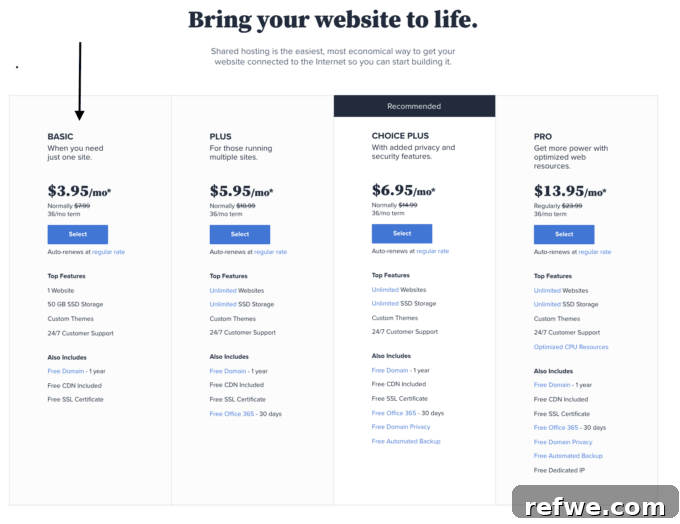
- Bluehost: The Best for Beginner Bloggers on a Budget
For those embarking on their very first blogging adventure with a keen eye on their budget, Bluehost is an excellent starting point. Their basic plan, typically around $3.95/month, offers incredible value, often including a free domain name for the first year. It’s remarkably user-friendly, comes with a convenient one-click WordPress installation process, and provides solid customer support, making it an ideal choice for new bloggers looking for an affordable yet reliable foundation. While you can opt for higher-priced plans with more features as your blog grows, the basic shared hosting plan is generally more than sufficient to get started and build initial momentum.
- SiteGround: A Balanced Option for All Bloggers (Growth-Oriented)
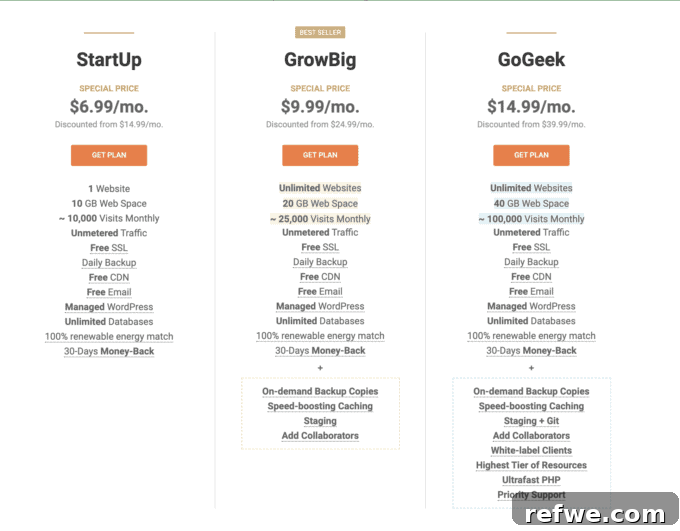
SiteGround consistently receives high praise across the blogging community for its exceptional performance, robust security features, and outstanding customer support. While slightly pricier than Bluehost, their “Web Hosting” plans offer fantastic value, starting around $6.99/month. SiteGround is particularly well-suited for bloggers who are serious about growth and want to ensure their site remains fast, stable, and secure as traffic increases. Even if you’re a beginner, if your budget allows, starting directly with SiteGround is a recommendation I stand by, as it can reduce the need for a host migration later on. They provide excellent tools for WordPress optimization, daily backups, and easy site migration.
- Cloudways: Premium Managed Hosting for Scaling Blogs
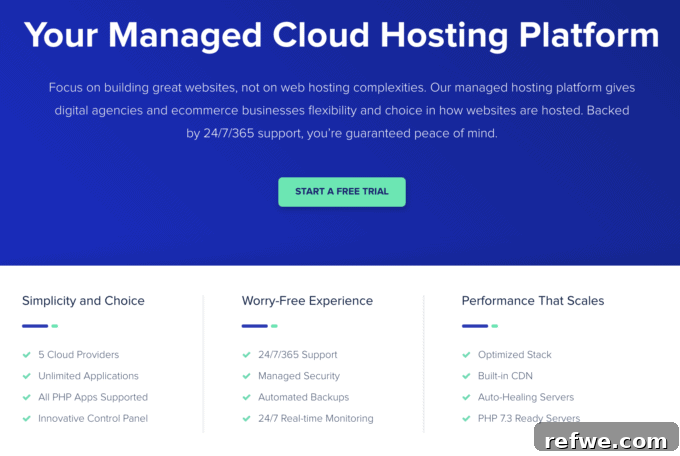
For bloggers who are ready to scale, demand top-tier performance, and appreciate the benefits of managed cloud hosting, Cloudways is an exceptional choice. I personally use Cloudways for my blog, and its flexibility, speed, and dedicated support for aggressive growth are unparalleled. Cloudways offers a unique platform that allows you to choose from various underlying cloud infrastructure providers (like DigitalOcean, AWS, Google Cloud) and expertly manages all the technical server aspects for you, letting you focus solely on content creation. If you have the budget and foresee your food blog evolving into a significant online enterprise, or if you’re migrating from a less powerful host, Cloudways provides the infrastructure to support aggressive growth. They even offer a free trial, allowing you to experience their powerful platform firsthand before making a commitment.
3. Install WordPress.org: The Powerhouse Platform for Your Blog
Once your domain is registered and your hosting is set up, the next critical step is to install WordPress. But not just any WordPress – you need to install WordPress.org. This distinction is crucial, as WordPress.org and WordPress.com are fundamentally different platforms, despite sharing a name. Confusing, I know, but important to get right!
Why WordPress.org is the Undisputed Choice for Serious Food Bloggers:
- Full Control and Ownership: WordPress.org is a self-hosted platform, meaning you have complete ownership and ultimate control over every single aspect of your website. You decide how it looks, how it functions, and how you monetize it.
- Unlimited Customization: Gain access to tens of thousands of free and premium themes and plugins. This vast ecosystem allows for endless possibilities to tailor your blog to your exact vision, adding any feature you can imagine without restrictions.
- Unrestricted Monetization Freedom: With WordPress.org, you are free to monetize your blog in any way you choose—whether through display ads, affiliate marketing, sponsored posts, selling your own digital or physical products, or building memberships—without any interference or revenue sharing demands from the platform provider.
- Exceptional Scalability: It’s built to grow seamlessly with your blog, handling everything from a small personal recipe journal to a high-traffic professional publication that attracts millions of visitors.
- Robust SEO Capabilities: WordPress.org is inherently SEO-friendly, and with the right plugins (which we’ll cover next), you can easily optimize your content to rank higher in search engine results and drive organic traffic.
In stark contrast, WordPress.com is a hosted service that offers convenience (especially for hobbyists) but comes with significant limitations on customization, monetization, and control, especially on its free and lower-tier plans. For any serious blogger aiming to build a brand, generate income, and have full creative freedom, particularly in the food niche where specialized recipe card plugins and advanced SEO are vital, WordPress.org is the undisputed industry standard and the only viable choice.
The good news is that most reputable hosting providers (like Bluehost, SiteGround, and Cloudways) offer one-click WordPress installation, making this process incredibly simple and quick. You’ll typically find this option within your hosting account’s control panel (cPanel or similar dashboard) under a section like “Website” or “Software.”
If you’d like a more detailed breakdown of the critical differences between WordPress.org and WordPress.com, you can learn more about it here, but for a professional food blog, always opt for .org.
4. Choose a Stunning and Functional Theme: Your Blog’s Visual Identity
Now comes the truly enjoyable and creative part: giving your food blog its unique look and feel! A WordPress theme dictates the visual design, layout, typography, and overall aesthetic of your entire website. While WordPress does offer a selection of free themes, investing in a high-quality, premium theme is highly recommended for any professional food blogger serious about making a strong impression and providing an excellent user experience. Premium themes generally provide:
- Superior Design & Aesthetics: A more polished, aesthetically pleasing, and professional appearance that instantly conveys credibility and invites engagement. This is paramount for a visually-driven niche like food.
- Enhanced Functionality: Often include built-in features (like custom post types, shortcodes, or advanced layout options) that would otherwise require additional plugins, reducing complexity and potential conflicts.
- Better Performance: Typically coded efficiently and optimized for speed, leading to faster loading times and a better user experience, which also positively impacts SEO.
- Dedicated Support: Access to professional theme developer support in case you encounter issues or need guidance, which can be invaluable for beginners.
- SEO Optimization: Many premium themes are developed with SEO best practices in mind, providing a solid foundation for your content to rank well in search engines.
- Mobile Responsiveness: Crucial for today’s diverse audience, ensuring your site looks and functions flawlessly on all devices, from desktops to smartphones and tablets.
One widely respected and robust framework in the WordPress ecosystem is the Genesis Framework. It provides a secure, SEO-friendly, and highly optimized foundation upon which you can build. It’s known for its clean code and rock-solid performance. After installing the Genesis Framework, you then select a “child theme,” which controls the specific aesthetics and layout. This two-tiered approach ensures flexibility, robust performance, and allows you to update the core Genesis Framework without losing your customizations.
For food bloggers, specifically, themes from designers like Shay Bocks (StudioPress/WP Tasty) are incredibly popular and well-regarded for their beautiful layouts and food-specific features. I personally used Foodie Pro for many years, which I absolutely adored for its clean design, excellent recipe integration, and overall user-friendliness. Shay Bocks also offers other exceptional themes tailored for the culinary niche, such as Brunch Pro and Cook’d Pro, which are all designed to showcase recipes and food photography beautifully, providing dedicated spaces for ingredient lists, instructions, and tempting images.
When selecting your theme, consider how it will prominently present your recipes, majestically showcase your photography, and enhance the overall user experience for your audience. A good theme is a foundational investment in your blog’s future success and its ability to captivate and retain readers.
5. Install Essential Plugins: Enhancing Your Blog’s Functionality and Performance
With your blog now visually appealing thanks to your chosen theme, it’s time to supercharge its functionality, performance, and search engine visibility with a selection of essential plugins. Plugins are small software applications that add new features and capabilities to your WordPress website without requiring any coding knowledge. Think of them as apps for your blog! They extend WordPress’s core functionality, making your site more powerful and user-friendly. Here are some indispensable plugins for any aspiring food blogger:
- WP Tasty (Tasty Recipes): Your Recipe Card Superpower: As a food blogger, a dedicated recipe plugin is not just a nice-to-have, it’s an absolute necessity. I recently switched to WP Tasty’s Tasty Recipes plugin, and I cannot recommend it highly enough. This plugin allows you to create beautiful, print-friendly recipe cards that are expertly optimized for search engines using schema markup. This means your recipes can appear with rich snippets (like star ratings, cook times, calorie counts, and images) directly in Google search results, significantly boosting your visibility and click-through rates. It also provides essential features like adjustable serving sizes, user ratings, and nutrition facts. While it involves a small annual fee, the investment is genuinely worth it for the professional appearance, immense SEO benefits, and superior user experience it provides.
- Tasty Pins: Maximize Your Pinterest & Image SEO: Pinterest is an incredibly powerful visual search engine and a major traffic driver for many food blogs. Tasty Pins allows you to optimize your blog’s images specifically for Pinterest, enabling you to add hidden Pinterest-specific descriptions, custom titles, and even disable pinning for certain images you don’t want shared. Beyond Pinterest, it helps with overall image SEO by ensuring your beautiful food photography is optimized for discoverability across all search engines, contributing to more organic traffic.
- Tasty Links: Automate Your Internal & Affiliate Linking Strategy: This clever plugin automatically creates links for specific keywords across your blog. This is incredibly useful for boosting your affiliate sales by linking relevant product names (e.g., “stand mixer”) to your affiliate offers without manually adding links every single time. It also significantly helps with internal linking, which is excellent for SEO as it helps search engines understand the structure, hierarchy, and interconnections of your content, ultimately leading to better rankings and keeping readers on your site longer.
- Yoast SEO: Your All-in-One SEO Toolkit for On-Page Optimization: If you’re new to SEO (Search Engine Optimization), Yoast SEO is your absolute best friend. SEO is the practice of optimizing your blog posts to rank higher in search engine results, driving organic, free traffic to your site. Yoast SEO simplifies this complex process, providing a user-friendly interface to optimize your titles, meta descriptions, readability, and target keywords for each post. It offers real-time feedback and actionable suggestions, making SEO accessible even for beginners. It also helps generate XML sitemaps, making it easier for search engines to crawl and index your content. Learning the basics of SEO with Yoast is a fundamental step towards long-term blog success.
- Akismet Anti-Spam: Keep Your Comments Section Clean and Professional: Nobody likes spam, especially not on their blog! Akismet is an essential plugin that automatically filters out spam comments, keeping your comment section clean, professional, and free from malicious links or unwanted solicitations. It works diligently in the background, saving you countless hours of manual moderation and ensuring your blog maintains a high level of credibility.
- WP Rocket: Supercharge Your Blog’s Speed and User Experience: While I won’t dive into the deep technicalities of caching, suffice it to say that a caching plugin is absolutely vital for your blog’s performance. WP Rocket is widely considered one of the best caching plugins available. It works by creating static versions of your pages, so when a visitor returns, or even for first-time visitors after the initial load, the site loads almost instantly. A fast-loading website is crucial for user experience, significantly reducing bounce rates, and is a major factor in search engine rankings (Google favors fast sites). WP Rocket comes with a small annual fee, but the performance boost and improved user satisfaction it provides make it an indispensable and worthwhile investment. (For those curious about the mechanics of caching and why it’s so important, here’s a helpful YouTube video that explains it in more detail!)
- ShortPixel: Optimize Your Images for Lightning-Fast Loading: Food blogs are inherently visual, featuring stunning photography that captures the essence of your recipes. However, large, unoptimized image files can drastically slow down your website, negatively impacting both user experience and SEO. ShortPixel is an image optimization plugin that automatically compresses your images (lossy, glossy, or lossless options) without any noticeable loss of visual quality, significantly reducing their file size. This ensures your beautiful photos load quickly and efficiently, making your blog snappy and responsive on all devices, leading to happier visitors and better search engine rankings.
6. Build Your Email List: Your Most Valuable Blogging Asset and Direct Connection to Your Audience
If there’s one aspect of blogging that consistently ranks as the most important for long-term success, audience engagement, and direct communication, it’s building an email list. In fact, many seasoned bloggers will tell you it’s the *most* important asset you can cultivate for your blog, even more so than social media followers. Why? Because social media algorithms can change overnight, impacting your reach and visibility, but your email list gives you a direct, owned line of communication to your most engaged readers, anytime you want, independent of external platforms.
An email list allows you to:
- Directly Connect & Nurture Relationships: Send new recipe updates, exclusive content (like bonus recipes or meal plans), behind-the-scenes glimpses, and personal messages straight to your subscribers’ inboxes, fostering a deeper connection.
- Build a Loyal Community: Cultivate a highly engaged and loyal community of followers who are genuinely interested in your content and more likely to become superfans and brand advocates.
- Drive Consistent Traffic & Sales: Easily direct traffic to new blog posts, promote your own products (e-books, online courses, meal prep guides), or share valuable affiliate offers with a highly receptive audience who has explicitly opted in to hear from you.
- Own Your Audience: Unlike social media platforms where you are renting space, you own your email list data. This provides stability, independence, and resilience for your blogging business against platform changes.
To start collecting emails from your visitors, you’ll need a reliable email service provider (ESP). I personally use and wholeheartedly recommend Flodesk. It stands out for its incredibly intuitive drag-and-drop interface, stunning pre-designed templates that make your emails look professional and beautiful (a huge plus for a visual niche like food!), and its unique, blogger-friendly pricing structure. Unlike many ESPs that increase prices dramatically as your subscriber count grows, Flodesk offers a flat monthly fee, making it an exceptionally budget-friendly and scalable option for bloggers aiming for significant growth without unexpected costs.
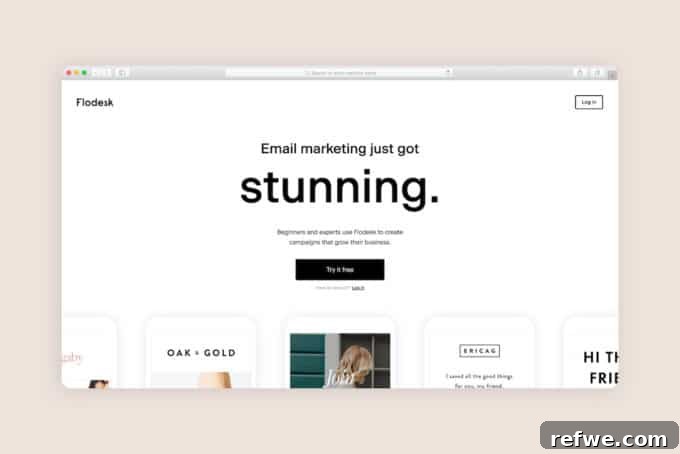
They make it incredibly easy to design beautiful opt-in forms, compelling newsletters, and automated workflows (like welcome sequences). Start building your list from day one—you absolutely won’t regret it! You can click here to save 50% off your Flodesk subscription and begin building your most valuable blogging asset today.
Congratulations! You’re Ready to Start Blogging!
You’ve navigated the technical landscape, established your food blog’s robust foundation, and equipped it with all the essential tools for success. That’s a huge accomplishment, and you should be incredibly proud of taking these crucial steps! Now, the real fun begins: creating and sharing your amazing food content, engaging with your audience, and building your culinary community. Are you excited? You absolutely should be! The stage is set for you to share your unique culinary voice with the world.
Now that you’ve handled all the foundational and technical setup, it’s time to focus on what truly makes a food blog shine and attracts droves of readers: mouth-watering visuals. Great food photography is absolutely paramount for capturing attention on social media, making your recipes irresistible, and encouraging readers to try your creations. To help you master this crucial skill and elevate your visual storytelling, click here to discover my top food photography tips specifically for beginners. Start capturing stunning images that do justice to your delicious dishes!
Additional Resources for Food Bloggers: Essential Tools for Sustained Success
To further empower your food blogging journey and ensure you have all the necessary support for content creation, promotion, and overall productivity, here’s a curated list of additional resources and tools that can significantly enhance your efforts:
- Tasty Food Photography e-book: A simple yet incredibly comprehensive guide dedicated entirely to the art and science of food photography. This e-book is an invaluable resource for learning how to style, light, and capture beautiful, professional-looking images of your dishes, which is absolutely essential for attracting and engaging readers on a visually-driven food blog.
- Canva: An incredibly user-friendly online graphic design tool that simplifies visual content creation. Canva is perfect for quickly creating eye-catching visuals for your blog posts (like custom pinnable images for Pinterest), designing stunning social media graphics, crafting professional logos, or developing branding elements without needing any advanced design skills or expensive software.
- Tailwind: An essential marketing tool for Pinterest and Instagram. Tailwind allows you to efficiently schedule your pins and posts far in advance, saving you immense amounts of time and ensuring a consistent presence. It helps you maintain a strategic and optimized presence on these visually-driven platforms, which are key traffic drivers for many food blogs, by automating your publishing schedule and analyzing your reach.
- Tailwind Create: A powerful feature integrated within Tailwind that simplifies the creation of professionally designed pins for Pinterest. If you’re not a graphic designer or short on time, Tailwind Create is a game-changer, allowing you to quickly generate multiple pin variations from your blog post content and images, ensuring you have a steady stream of optimized visuals for Pinterest without the design hassle.
- Grammarly: A highly recommended writing assistant that rigorously checks your grammar, spelling, punctuation, clarity, engagement, and overall delivery across your blog posts, emails, and any other written content. High-quality, error-free writing enhances your professionalism and readability, ensuring your recipes, stories, and tips are communicated effectively and credibly to your audience.