
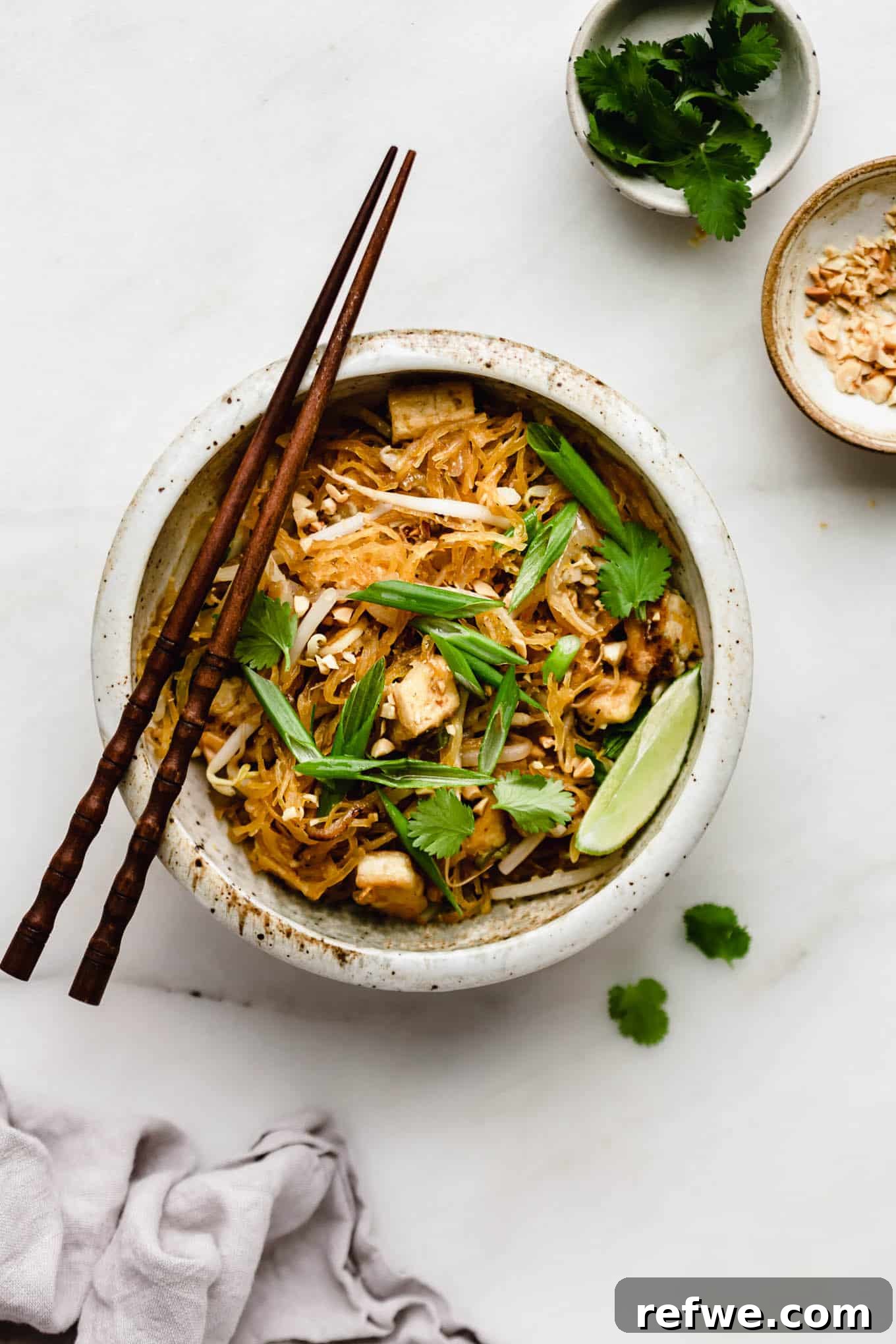
This Spaghetti Squash Pad Thai offers a delightful, low-carb, and gluten-free reimagining of the beloved traditional Thai dish. Enjoy it as a light, satisfying meal, or easily adapt it to be perfectly Whole30 or Keto-friendly!
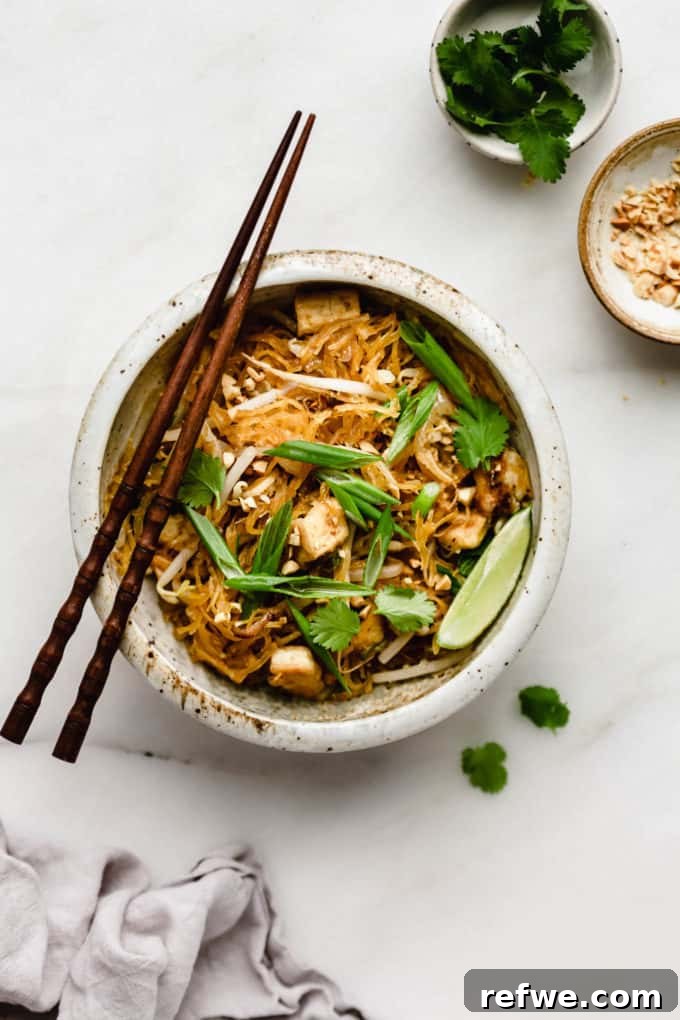
Spaghetti Squash Pad Thai: Your Go-To Low-Carb, Gluten-Free Meal
Craving the vibrant, complex flavors of Pad Thai but looking for a healthier, lighter alternative? Look no further than this innovative Spaghetti Squash Pad Thai recipe. This dish brilliantly swaps traditional rice noodles for nutrient-rich spaghetti squash, transforming a classic into a low-carb, gluten-free, and equally delicious experience. It’s a perfect solution for anyone seeking a wholesome, satisfying dinner that aligns with various dietary preferences.
Why Choose Spaghetti Squash Pad Thai?
Traditional Pad Thai, while incredibly tasty, often comes with a significant carbohydrate count due to its rice noodle base. This recipe ingeniously replaces those noodles with spaghetti squash, a remarkable vegetable that, once cooked, shreds into noodle-like strands. This simple substitution dramatically reduces the carb content, making it an excellent choice for those managing blood sugar, following a ketogenic diet, or simply aiming for a lighter meal.
Beyond its low-carb benefits, spaghetti squash is naturally gluten-free, making this Pad Thai accessible to individuals with celiac disease or gluten sensitivities. It’s also packed with essential vitamins and minerals, including Vitamin C, Vitamin B6, and manganese, adding a healthy boost to your meal. The mild flavor of the squash provides an ideal canvas for the bold and aromatic Pad Thai sauce, ensuring every bite is bursting with taste.
A Versatile Vegetarian and Vegan-Friendly Option
This recipe is designed to be inherently vegetarian and vegan-friendly, featuring tofu as its primary protein source. Tofu, when prepared correctly, offers a satisfying texture and absorbs the flavors of the Pad Thai sauce beautifully. For those who prefer, the dish can also be customized with other protein sources. Its plant-based foundation makes it a fantastic addition to any meatless meal rotation, proving that healthy eating doesn’t mean sacrificing flavor or excitement.
This Spaghetti Squash Pad Thai recipe is:
- Naturally Vegetarian and easily made Vegan
- Completely Gluten-Free
- Adaptable for Whole30 or Keto diets
- Low in Carbohydrates
- Rich in Flavor and Nutrients
Mastering the Art of Spaghetti Squash
If you’re new to cooking spaghetti squash, don’t be intimidated! It’s an incredibly versatile and forgiving vegetable. The key to perfect spaghetti squash lies in its preparation. Roasting it in the oven allows it to soften and develop its signature noodle-like strands. You’ll want to cook it until it’s tender but still has a slight bite, as it will be cooked again briefly with the other ingredients in the pan.
To prepare your squash, simply cut it in half lengthwise, scoop out the seeds, and place it cut-side down on a baking sheet. A little olive oil and salt can enhance its flavor during roasting. After baking, allow it to cool slightly before shredding. This step is crucial for ease of handling and ensures the strands separate perfectly, ready to mimic traditional noodles.
Step-by-Step Guide to Crafting Your Spaghetti Squash Pad Thai
Creating this flavorful dish is a straightforward process, broken down into a few simple stages. The magic happens as the ingredients come together, infusing the spaghetti squash with authentic Pad Thai essence.
Prepping Your Ingredients
Begin by cooking your spaghetti squash. Halve the squash, remove the seeds, and roast it in the oven until tender. While it cools, this is the perfect time to prepare your tofu. Cut a block of firm or extra-firm tofu into bite-sized cubes. For the best results, press the tofu beforehand to remove excess moisture; this helps it achieve a delightfully crispy texture when pan-fried. Chop your onion, mince the garlic, and gather your bean sprouts and green onions, ensuring everything is ready for a quick stir-fry.
-

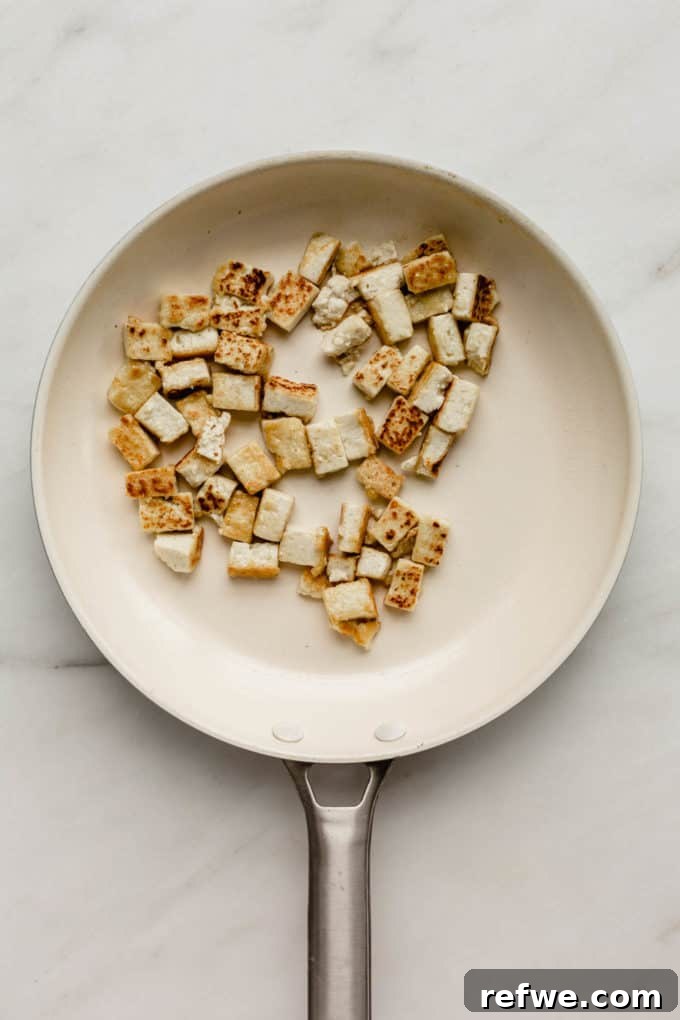
Crispy pan-fried tofu cubes, essential for texture. -
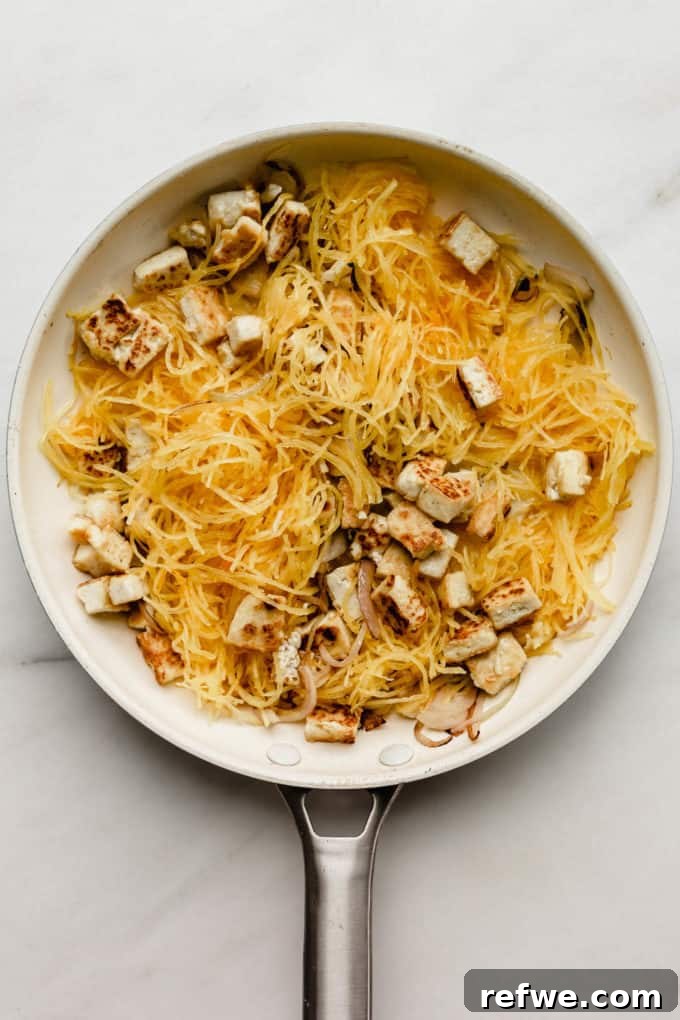
Combining spaghetti squash with the cooked tofu.
Cooking the Tofu and Aromatics
Heat a large skillet or wok over medium-high heat with a bit of vegetable oil. Add the tofu cubes and pan-fry them until they are golden brown and crispy on all sides. This step is crucial for adding a satisfying textural contrast to the soft squash. Once the tofu is cooked, push it to one side of the pan. In the cleared space, add the chopped onions and minced garlic, allowing them to sauté for a couple of minutes until fragrant. Then, introduce the shredded spaghetti squash to the pan and toss everything together, ensuring the squash is evenly coated and slightly warmed through.
-
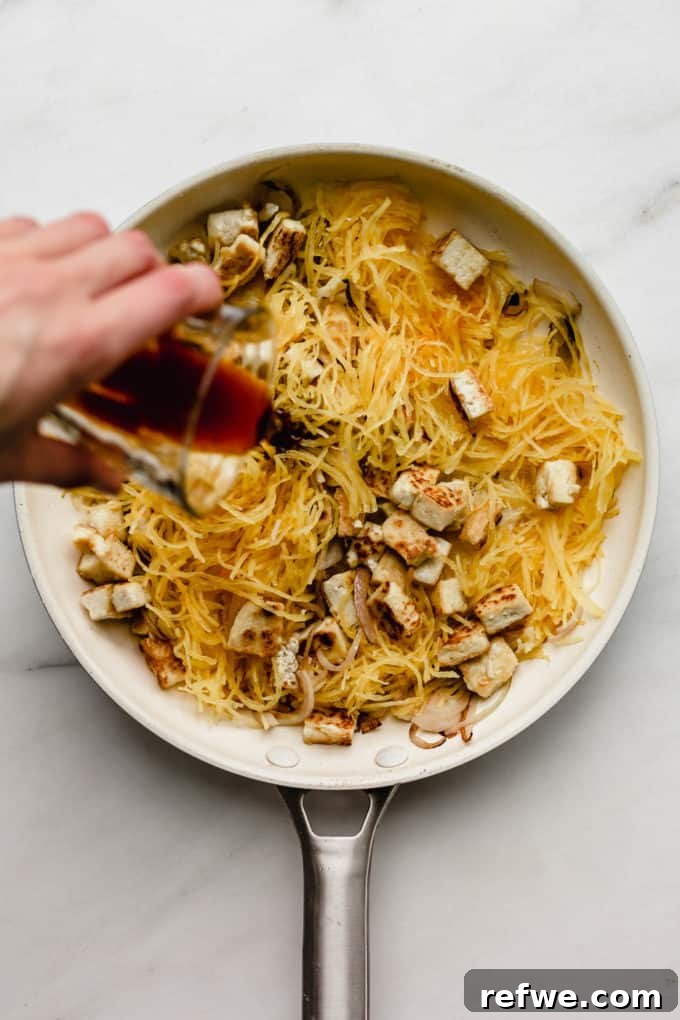
The crucial step of adding the savory Pad Thai sauce. -
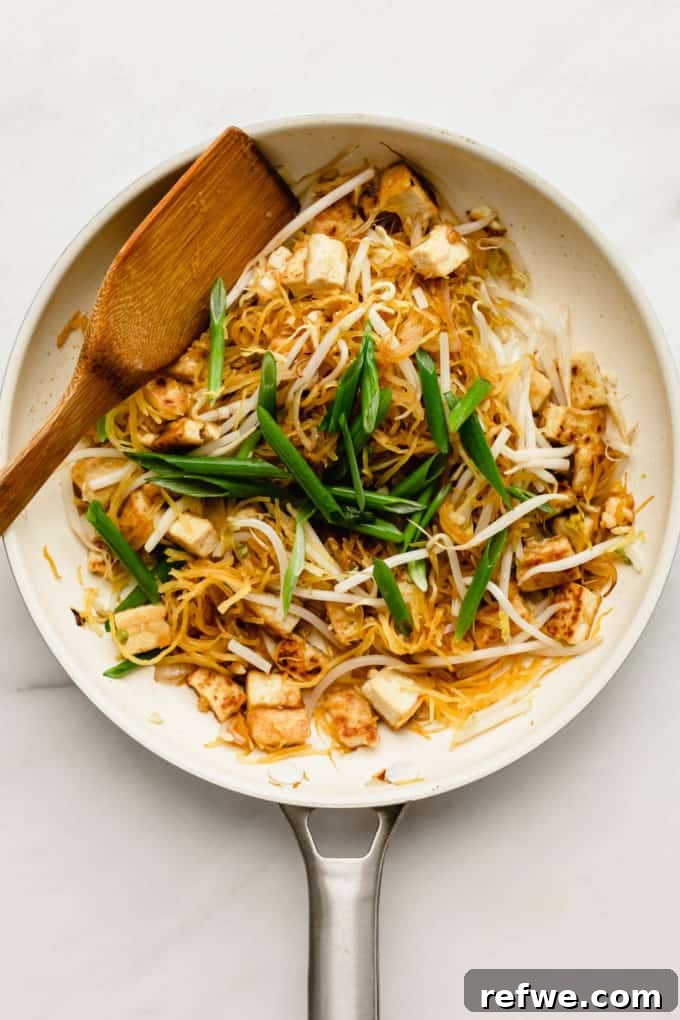
Incorporating fresh green onions and bean sprouts.
Integrating the Sauce and Final Touches
Now, it’s time to introduce the heart of the dish: the Pad Thai sauce. Pour the pre-mixed sauce over the spaghetti squash and tofu, stirring well to ensure every strand and cube is thoroughly coated. The sauce will bring together the sweet, savory, sour, and spicy notes characteristic of authentic Pad Thai. Finally, add the bean sprouts and the green parts of chopped green onions. These fresh elements only need to cook for about a minute to retain their crispness and vibrant color. Overcooking them would diminish their delicate texture.
-
The complete dish in the pan, waiting for garnishes. -
A vibrant medley of textures and colors.
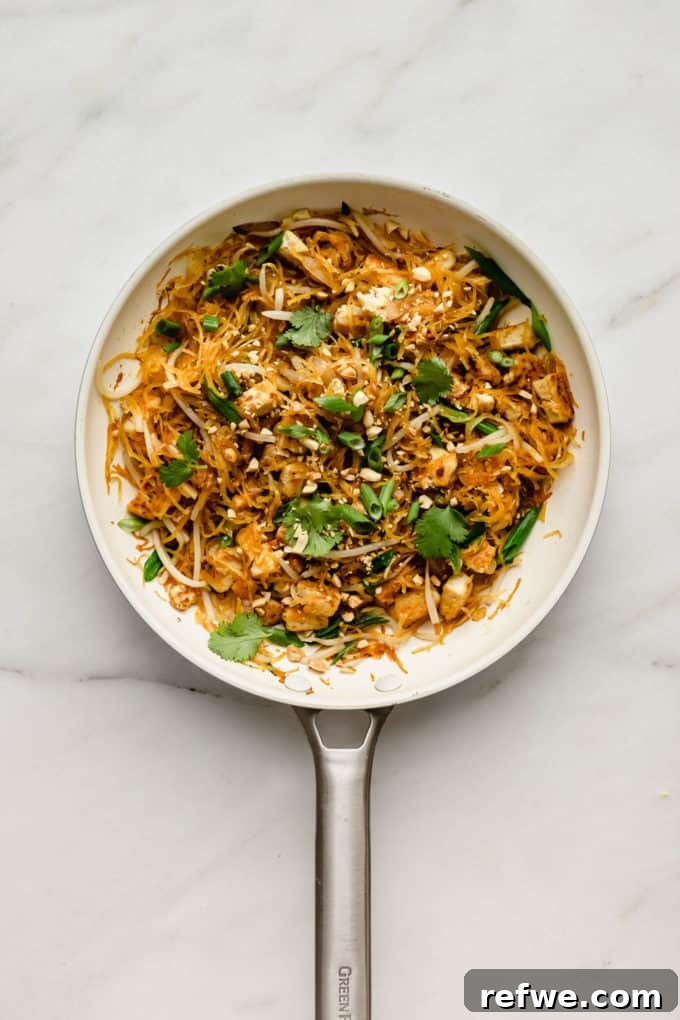
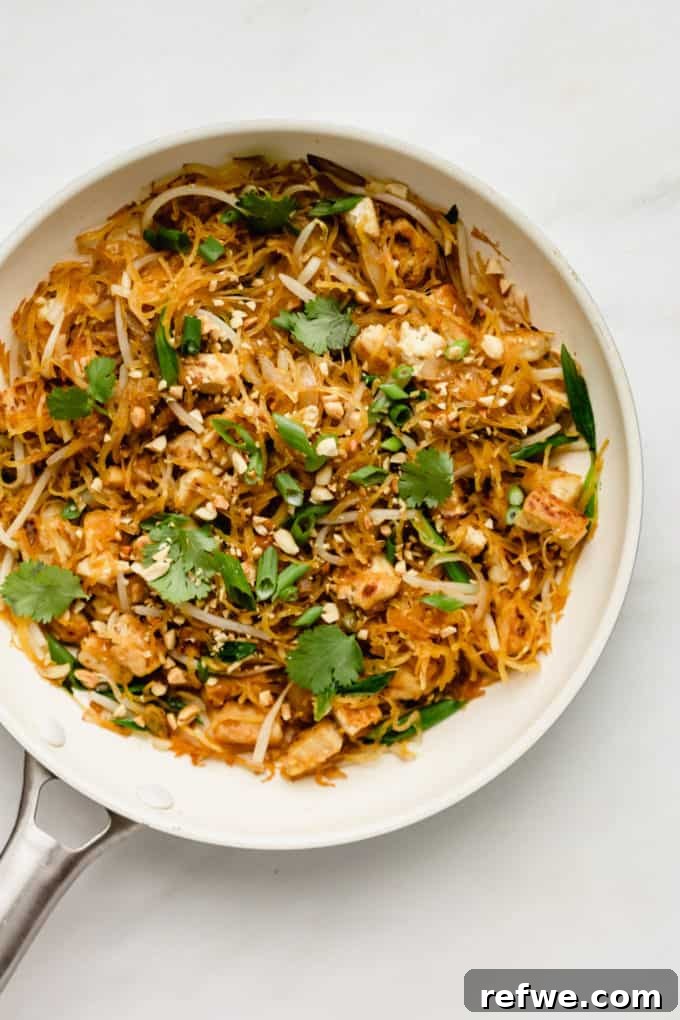
Once everything is thoroughly mixed and heated through, transfer the Spaghetti Squash Pad Thai to serving bowls. Garnish generously with crushed peanuts for a delightful crunch, fresh cilantro for herbaceous brightness, and a wedge of lime to squeeze over just before eating. The fresh lime juice is essential for balancing the flavors and enhancing the overall experience.
Dietary Adaptations: Keto and Whole30 Friendly Pad Thai
One of the fantastic aspects of this Spaghetti Squash Pad Thai is its adaptability to specific dietary needs, such as Keto and Whole30. The base recipe, featuring spaghetti squash and tofu, naturally aligns with many of these principles. The primary adjustments needed are within the Pad Thai sauce ingredients.
For both Keto and Whole30 diets, the key is to be mindful of added sugars and certain soy products. Here’s how you can easily modify the sauce:
- Tamari Swap: Replace tamari (a gluten-free soy sauce alternative) with coconut aminos. Coconut aminos provide a similar savory, umami flavor profile but are soy-free and lower in sodium, making them suitable for both Keto and Whole30.
- Sweetener Adjustment: Instead of coconut sugar, opt for date paste for a Whole30 compliant sweetener, or simply omit the sweetener entirely for a strict Keto approach. You can also use a small amount of erythritol or stevia for Keto if you prefer some sweetness, but always check labels for hidden ingredients.
- Peanuts for Whole30: For a Whole30 compliant dish, you will need to omit the crushed peanuts, as legumes are not permitted. To add a different texture or healthy fats, consider toasted sesame seeds or finely chopped cashews (if not strictly paleo).
These simple swaps ensure that everyone can enjoy the incredible flavors of this Spaghetti Squash Pad Thai, regardless of their specific dietary journey.
Expert Tips for a Perfectly Delicious Result
Achieving the perfect Spaghetti Squash Pad Thai is all about attention to a few key details. Follow these tips to ensure your dish turns out wonderfully every time:
- Don’t Overcook the Squash: It’s always better to slightly undercook the spaghetti squash in the oven. Since it will cook again in the pan with the other ingredients, this prevents it from becoming mushy. You want the strands to retain a pleasant al dente texture.
- Cool the Squash Before Shredding: Allow the baked squash to cool to room temperature before attempting to shred it with a fork. This makes the process significantly easier and safer, preventing burns and ensuring cleaner, longer strands.
- Choose the Right Tofu: For crispy tofu, use firm or extra-firm varieties. Pressing the tofu before cooking is essential to remove excess water, which leads to a crispier exterior. If you prefer a softer, more delicate texture, medium tofu can also work, but it won’t hold its shape or crisp up as well.
- Add a Scrambled Egg for Extra Flavor: For a vegetarian (but not vegan) version with added protein and richness, scramble an egg before cooking the tofu. Cook the egg in the hot pan until just set, remove it, then proceed with the tofu. Add the scrambled egg back into the pan along with the squash and other ingredients in the final mixing stage.
- Taste and Adjust Seasoning: The flavor of spaghetti squash can vary, and different brands of tamari (or coconut aminos) have varying saltiness levels. Always taste your Pad Thai before serving and adjust the seasoning as needed. You might want to add more lime juice for tang, a dash more sweetener, or a pinch of salt to balance the flavors.
- Fresh Ingredients Matter: Use fresh lime juice, cilantro, and bean sprouts. These fresh elements are crucial for the authentic taste and vibrant texture of Pad Thai.
Beyond Pad Thai: More Spaghetti Squash Recipes to Explore
Spaghetti squash is an incredibly versatile vegetable, and once you master cooking it, a world of healthy, low-carb possibilities opens up. If you enjoyed this Pad Thai, you might also love exploring other creative ways to use this fantastic squash:
- Lasagna Stuffed Spaghetti Squash: A comforting, cheesy, and low-carb take on classic lasagna.
- Sun-dried Tomato Spaghetti Squash With Caramelized Onions: A savory and aromatic dish perfect for a cozy dinner.
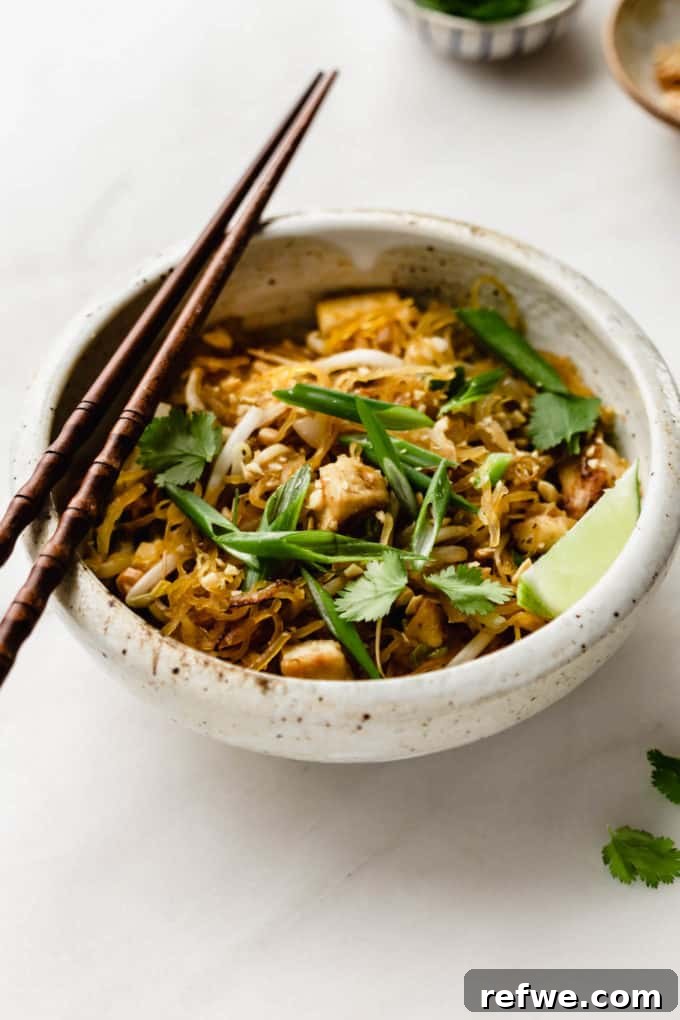
This Spaghetti Squash Pad Thai is more than just a meal; it’s an invitation to enjoy classic flavors in a fresh, healthy way. Whether you’re adhering to a specific diet or simply looking to incorporate more vegetables into your routine, this recipe is sure to become a cherished favorite. Its ease of preparation and incredible taste make it ideal for weeknight dinners or a special weekend treat. Give it a try and discover how delicious healthy eating can be!
If you tried this Spaghetti Squash Pad Thai or any other recipe, please let us know how you liked it by leaving a comment and rating below! We’d love to hear from you.
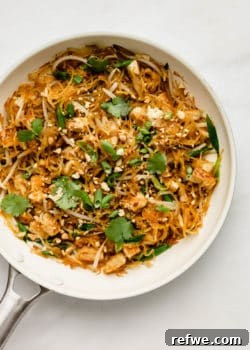
Spaghetti Squash Pad Thai
- Author: Jessica Hoffman
Prep Time:
Cook Time:
Total Time:
Yield: 2 servings
Category: Main Course
Method: Stir-fry, Roast
Cuisine: Thai
Diet: Gluten-Free, Vegetarian, Low-Carb
Description
This Spaghetti Squash Pad Thai is packed with classic Pad Thai flavor without the carbs, offering a delightful and healthy meal!
Ingredients
Pad Thai
- 3 cups shredded spaghetti squash (about 1/2 a medium squash)
- 2 tbsp vegetable oil
- 1/2 block firm or extra-firm tofu, pressed and cut into cubes
- 1 small onion, chopped
- 2 garlic cloves, minced
- 1/2 cup fresh bean sprouts
- 2 green onions, chopped (green parts only)
- Crushed peanuts, fresh cilantro, and lime wedges for topping
Pad Thai Sauce
- 2 tbsp tamari (or coconut aminos for Whole30/Keto)
- 1/2 tbsp coconut sugar (can sub maple syrup, date paste for Whole30, or omit for Keto)
- 1 tbsp fresh lime juice
- 1 tsp sriracha (optional, adjust to taste for desired heat)
Instructions
- Preheat oven to 400°F (200°C). Cut the spaghetti squash in half, scoop out the seeds, and place face down on a baking sheet lined with parchment paper. Bake for 30-45 minutes, or until tender but still slightly firm. Remove from oven and let cool completely. Once cool, use a fork to shred the spaghetti squash into strands. Set aside.
- In a large skillet or wok, heat the vegetable oil over medium-high heat. Add the pressed tofu cubes and cook for 2-3 minutes per side until golden brown and crispy.
- Push the cooked tofu to one side of the pan. Add the chopped onions and minced garlic to the empty side, sautéing for about 2 minutes until fragrant. Then, combine the onions and garlic with the tofu.
- Add the shredded spaghetti squash to the pan with the tofu, onions, and garlic. Toss everything together gently until well combined and heated through, about 3-4 minutes.
- In a small bowl, whisk together the Pad Thai sauce ingredients: tamari (or coconut aminos), coconut sugar (or preferred sweetener/omit), lime juice, and sriracha (if using). Pour the sauce over the ingredients in the pan and mix until everything is evenly coated.
- Finally, add the bean sprouts and chopped green onions (green parts only) to the pan. Toss for just 1 minute to lightly warm them while keeping their crispness.
- Serve immediately, garnished generously with crushed peanuts, fresh cilantro, and a fresh lime wedge for squeezing.
Notes
It’s best to slightly undercook the squash in the oven than to overcook it, as the squash will cook again in the pan, ensuring it retains a good texture.
Always let the squash cool to room temperature before shredding it. This step makes the process much easier and helps the strands separate cleanly.
For the crispiest tofu, choose firm or extra-firm varieties and press out as much water as possible before frying. If you prefer a softer texture, medium tofu can be used.
If you’d like to add an egg (for a vegetarian, non-vegan version), scramble it lightly in the pan before cooking the tofu. Remove it from the pan, then add it back in with the spaghetti squash and other ingredients in step 4.
Flavor intensity can vary. Always taste the dish before serving and adjust the seasoning with more lime juice, sweetener, or tamari/salt as needed to suit your preference.
Nutrition
- Serving Size: 1/2 recipe
- Calories: 240
- Sugar: 5g
- Fat: 15g
- Carbohydrates: 20g
- Fiber: 2g
- Protein: 6.5g