

Transform your kitchen into a charming Italian trattoria with these exquisite Heart Beet Ravioli.
More than just a meal, preparing these vibrant, heart-shaped pasta parcels is a delightful activity that promises joy, connection, and an incredibly delicious reward.
Forget the usual crowded restaurants and embrace the warmth and intimacy of a homemade dining experience, perfect for Valentine’s Day, Galentine’s Day, or any evening you wish to make truly special.

Today, we’re diving into the delightful world of “Heart Beet Ravioli.”
Yes, you read that right – not just heart-shaped ravioli, but pasta infused with fresh beets directly into the dough for a stunning, natural crimson hue.
It’s a playful twist on “heartbeat,” bringing a pulse of culinary excitement and passion to your table, with “beet” adding that irresistible visual appeal.
It’s a little pun, a lot of love, and a whole lot of flavor packed into every tender bite!
As Valentine’s Day approaches, the thought of a cozy, intimate evening often overshadows the desire for a bustling, impersonal restaurant experience.
This recipe offers the perfect solution: a fun, engaging culinary project that results in a restaurant-quality meal, all from the comfort of your home.
Whether you’re celebrating romance with a partner, sharing laughter with friends on
Galentine’s Day,
or simply treating yourself to a rewarding cooking adventure, these heart beet ravioli are sure to be a highlight, creating cherished memories around the dinner table.
If you’ve never ventured into the magical realm of homemade pasta, prepare to be utterly amazed.
The process is surprisingly therapeutic and immensely satisfying, reminiscent of playing with modeling clay as a child, but with an infinitely more delicious outcome.
Imagine the tactile pleasure of kneading soft dough, the anticipation of shaping each delicate heart, stuffing it with a creamy ricotta and fresh mint filling, and then finally enjoying your exquisite handiwork.
It’s an experience that transcends mere cooking, becoming a cherished memory and a rewarding skill.
And for those times when a quick, yet delightful, pasta dish is needed, I highly recommend this
creamy roasted red pepper pasta
as a fantastic and equally flavorful alternative.
The Art of Homemade Pasta Making: Your Guide to Perfect Dough
The idea of making pasta from scratch might initially seem daunting, but it is, in fact, a wonderfully accessible and incredibly rewarding culinary skill.
At its core, homemade pasta requires just a few basic ingredients and a bit of patience and practice.
The fundamental ratio for a classic, tender pasta dough is remarkably simple: for every cup of flour, you’ll typically use one large egg and a pinch of salt.
This precise yet forgiving ratio creates a rich, pliable dough that forms the perfect foundation for any pasta creation, especially our delightful and visually striking heart beet ravioli.
Choosing the Right Ingredients for Unforgettable Pasta
While standard all-purpose flour can certainly work in a pinch, for truly authentic and exceptionally tender pasta, we highly recommend opting for “00” flour.
This finely milled Italian flour has a lower protein content compared to other flours, which results in a silkier, more delicate dough that yields a superior texture.
Fresh, large eggs are absolutely essential, contributing not only to the dough’s structure and binding properties but also imparting a subtle richness and enhancing its natural color.
A good pinch of fine sea salt is crucial, not just for seasoning the dough itself, but also for enhancing the overall flavor profile of your finished pasta.
As you knead, pay close attention to the dough’s consistency; you might find a few drops of water necessary if your dough feels overly dry and crumbly, struggling to come together. Conversely, a tiny sprinkle of extra flour might be needed if it feels too sticky to handle.
The exact amounts can vary slightly depending on the size of your eggs and the humidity levels in your kitchen, so learning to trust your touch and the feel of the dough is key.
Step-by-Step Guide to Crafting Your Perfect Pasta Dough
- Prepare Your Work Surface: Begin by pouring your chosen flour (preferably “00” flour) onto a clean, dry, and spacious countertop or a large wooden board. Carefully shape the flour into a neat mound and then create a wide, deep well in the very center – visualize it as a small culinary volcano crater, ready to hold its precious liquid cargo.
- Add Wet Ingredients: Gently crack the eggs into the well, add your pinch of salt, and, if you’re making our signature heart beet ravioli, carefully spoon in the beet puree for that stunning, natural color. Using a fork, begin to gently whisk the wet ingredients together, gradually incorporating small amounts of flour from the inner rim of the well. Take your time with this initial step to prevent the liquid mixture from breaching the flour wall and spilling onto your countertop.
- Form the Dough: As the mixture thickens and becomes too dense for a fork, set the fork aside. At this point, use your hands to fully incorporate the remaining flour into the wet mixture. Gently gather the dough together, pressing and folding until a shaggy, cohesive ball of dough begins to form.
- Kneading for Elasticity: This is arguably where the true magic of pasta making happens! Lightly flour your hands and the work surface. Begin to knead the dough with enthusiasm: push it away from you with the heel of your hand, fold it back over towards you, rotate it a quarter turn, and repeat this rhythmic process. This vigorous kneading develops the gluten in the flour, transforming the dough from a rough mass into a smooth, elastic, and resilient masterpiece that will be easy to roll without tearing. Continue kneading for approximately 5-10 minutes. The dough should visibly change, becoming silky to the touch, firm, and when poked with a finger, it should slowly spring back into place. If it’s too sticky, add a tiny bit more flour; if it feels overly dry or stiff, incorporate a few drops of water, one at a time.
- Rest the Dough: Once your dough has been kneaded to perfection, shape it into a smooth ball. Lightly dust it with flour, then wrap it tightly in plastic wrap or cover it with an overturned bowl to prevent it from drying out. Allow it to rest at room temperature for at least 30 minutes. This resting period is absolutely crucial as it allows the gluten to relax, making the dough much easier to roll out thinly and evenly without resisting or tearing.
Rolling Out Your Pasta: Machine vs. Hand
For consistent thickness and streamlined efficiency, a pasta machine is an invaluable tool in your kitchen.
Cut your rested dough into quarters to make each piece more manageable to work with.
Take one piece, flatten it slightly with your hands, and dust it lightly with flour.
Feed this piece through the pasta machine on its widest setting (this is typically setting #7 or #8 on most standard machines).
Fold the dough in half or in thirds, and repeat this widest setting pass 5-6 times. This crucial step helps to further knead and strengthen the dough, ensuring you achieve a perfectly smooth and consistent sheet.
After these initial passes, progressively roll the dough through smaller settings, one notch at a time with each pass, without folding.
Continue this process until you reach your desired thinness, which is typically setting #1 or #2 for delicate ravioli.
If you don’t own a pasta machine, don’t despair! A good old-fashioned rolling pin can certainly do the job with a bit more elbow grease.
Flour your work surface and rolling pin liberally to prevent sticking. Work with one small piece of dough at a time, rolling it out from the center outwards, rotating it frequently, and continually dusting with flour to prevent sticking.
Aim for a thickness where you can almost see your hand through the dough – achieving a very thin sheet is absolutely key for tender, melt-in-your-mouth ravioli!
Should this entire pasta-making process feel a little intimidating, or if you’re primarily a visual learner,
this helpful YouTube video
demonstrates these steps in action, guiding you through each stage of homemade pasta creation with clear visual instructions.
-

The beautifully kneaded beet dough, ready for the pasta machine. -
Achieving the perfect, translucent thinness for delicate ravioli. -
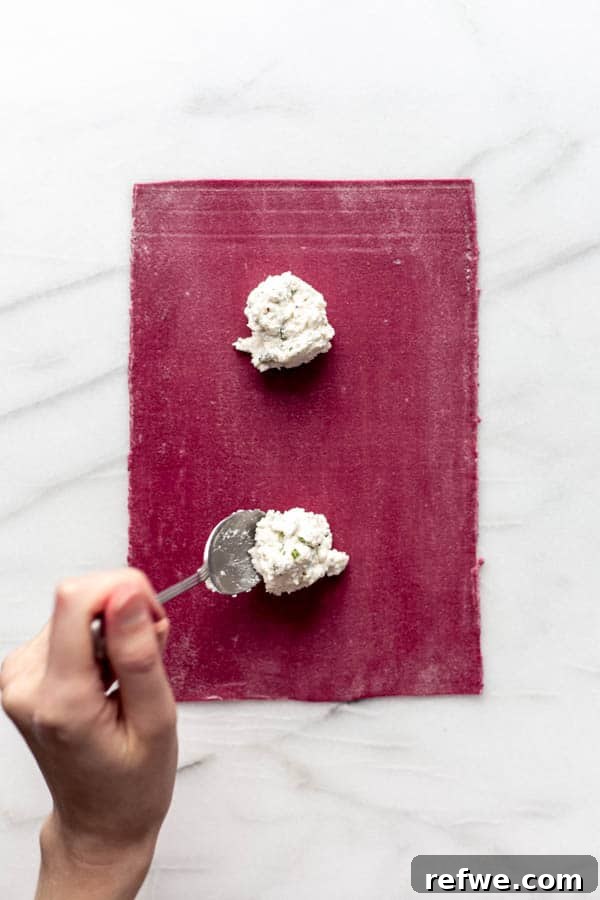
Carefully spooning the flavorful ricotta and mint filling onto the pasta sheet. -
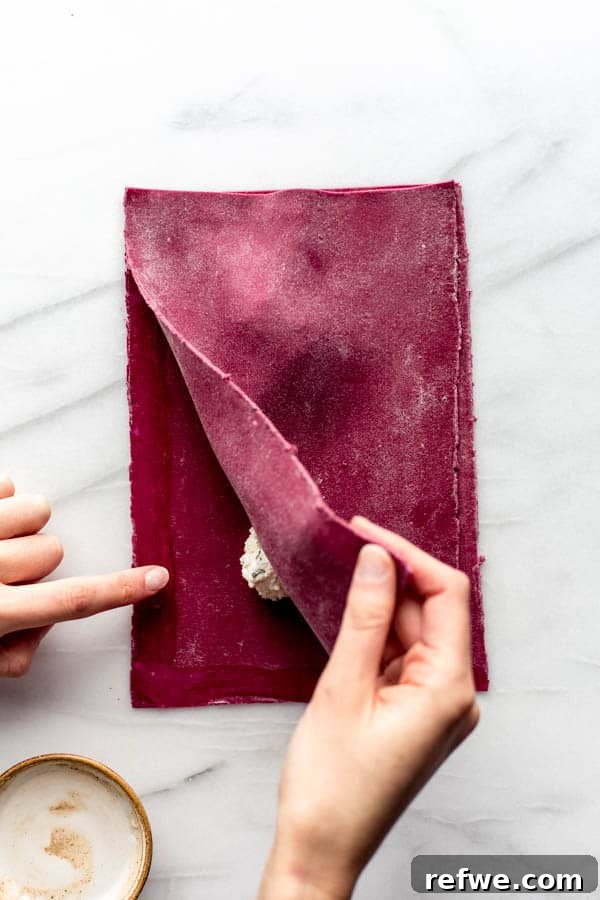
Gently pressing the edges to create perfectly sealed ravioli parcels. -
A tray of beautiful, uncooked heart ravioli, showcasing their unique shape and color.

Customizing Your Heart Beet Ravioli: Tips and Variations
This Heart Beet Ravioli recipe is designed for maximum versatility, allowing you to easily tailor it to your personal preferences and dietary needs.
Here are a few essential notes and creative variations to inspire and guide your culinary journey, ensuring your ravioli are as unique as they are delicious.
The Magic of Beet Puree: Color Without Compromise
The vibrant, eye-catching red hue that makes these ravioli so special comes from the ingenious addition of fresh beet puree directly into the pasta dough.
This natural coloring agent is entirely optional; you can certainly opt to make equally delicious plain pasta dough if you prefer a more traditional look.
However, if you’re concerned about the flavor of beets potentially overpowering your pasta, rest assured: the beet puree adds minimal to no discernible taste to the final dish.
Its primary role is purely visual, transforming a simple pasta into a stunning showstopper, especially fitting for celebratory occasions or when you want to impress.
To make the beet puree, simply cook one medium-sized beet until it is very tender (you can achieve this by boiling, roasting, or steaming it). Once cooked and cooled slightly, peel the beet (the skin should slip off easily), then blend it in a food processor or with an immersion blender until it forms a perfectly smooth, creamy paste. You’ll need about 4 tablespoons for this recipe.
Endless Filling Possibilities: Beyond Ricotta and Mint
Our suggested filling of creamy ricotta cheese blended with fresh mint offers a delightful balance of richness and brightness, perfectly complementing the subtle earthiness of the beet-infused dough.
However, the true beauty of homemade ravioli lies in the exciting freedom to experiment with an array of fillings.
Consider these delicious alternatives to inspire your next batch:
- Classic Spinach & Ricotta: A timeless and universally loved favorite. Simply sauté fresh spinach until wilted, squeeze out all excess water thoroughly, and then mix it with ricotta cheese, a generous amount of grated Parmesan, and a touch of freshly grated nutmeg for warmth.
- Sweet & Savory Butternut Squash: Roast butternut squash until it’s beautifully tender and caramelized. Mash it smoothly, then mix with a pinch of warming cinnamon, earthy sage, and a spoonful of creamy mascarpone cheese for a delightful blend of sweet and savory notes.
- Earthy Mushroom & Thyme: Sauté finely chopped mixed mushrooms with aromatic garlic and fresh thyme until they are deeply browned and fragrant. Combine this mixture with a few breadcrumbs (to absorb excess moisture) and a bit of Parmesan for an intensely earthy, umami-rich filling.
- Creative Vegan Options: For a plant-based alternative, try making a cashew-based “ricotta” by blending soaked cashews with lemon juice and nutritional yeast. Alternatively, a filling made from perfectly pureed sweet potatoes and your favorite fresh herbs like rosemary or sage offers a comforting and flavorful option.
A crucial tip for any filling: always ensure it isn’t too wet. Excess moisture can make sealing the ravioli difficult, increase the risk of them bursting during cooking, and dilute the intense flavors you’ve worked so hard to create.
Perfect Sauce Pairings: Elevating Your Ravioli Experience
While the delicate flavors of these tender beet ravioli inherently shine on their own, choosing the right sauce can elevate your dish to truly gourmet heights.
My personal preference is to gently toss the freshly cooked ravioli in a little bit of melted garlic butter. This simple preparation allows the subtle flavors of the pasta and filling to take center stage, then finish with a generous sprinkle of freshly grated Parmesan cheese.
However, feel free to explore these other fantastic options to find your perfect pairing:
- Aromatic Brown Butter & Sage: For an intensely aromatic and nutty flavor profile, gently brown some unsalted butter in a pan until it turns golden and fragrant. Add a few fresh sage leaves to infuse their aroma, then toss this luxurious sauce with your cooked ravioli.
- Simple & Classic Tomato Sauce: A light, fresh tomato sauce (such as a marinara) will provide a classic Italian touch that offers a pleasant acidity without overpowering the delicate beet and mint notes.
- Vibrant Pesto: A bright and flavorful basil pesto, or even a robust sun-dried tomato pesto, can offer a delightful burst of fresh flavor and color, contrasting beautifully with the red pasta.
- Lemon & Herb Infusion: For a minimalist yet elegant approach, a simple drizzle of good quality extra virgin olive oil, a squeeze of fresh lemon juice, and a sprinkle of finely chopped fresh herbs (such as parsley or chives) can wonderfully highlight the fresh ingredients in your ravioli.
The key to selecting the perfect sauce is to choose one that complements rather than competes with the beautiful, intricate flavors locked within each heart-shaped parcel.

Explore More Delicious Pasta Recipes
If you’ve thoroughly enjoyed the rewarding journey of making homemade pasta, or if you’re simply a devoted lover of all things pasta,
we’re confident you’ll appreciate these additional recipes from our extensive collection.
Each offers a unique twist on classic pasta dishes, perfect for expanding your culinary repertoire.
- Creamy Vegan Roasted Red Pepper Pasta
- Vegan Lemon Asparagus Pasta
- Instant Pot Mac and Cheese
Print Recipe

Heart Beet Ravioli
4.8 from 4 reviews
-
Author:
Jess -
Prep Time:
1 hour -
Cook Time:
2-3 minutes -
Total Time:
1 hour 5 minutes -
Yield:
4 servings -
Category:
Main Course, Pasta, Valentine’s Day -
Method:
Kneading, Rolling, Filling, Boiling -
Cuisine:
Italian, Contemporary
Description
Experience the joy of crafting your own vibrant, heart-shaped ravioli with this exquisite recipe.
Featuring a homemade beet-infused pasta dough that boasts a stunning red hue, and a luscious filling of creamy ricotta cheese blended with fresh mint and a hint of lemon zest, these ravioli are a truly special treat.
Perfect for a romantic dinner, a festive gathering, or simply a fun culinary project, this dish offers a delightful balance of visual appeal and gourmet flavor.
Serve them with your favorite light sauce, like browned butter and sage, or a simple garlic butter to truly appreciate their delicate taste and texture.
Ingredients
Ricotta & Mint Filling
- 1 cup ricotta cheese
- 1/4 cup grated Parmesan cheese
- 6–8 fresh mint leaves, finely chopped
- 1 tsp lemon zest
- Salt & freshly ground black pepper to taste
Ravioli Dough
- 2 cups all-purpose flour (or ’00’ flour for best results), plus more for dusting
- 2 large eggs
- 4 tbsp beet puree (*see note on how to make)
- 1/2 tsp salt
- A few drops of water (if needed)
Instructions
- Prepare the Filling: In a medium bowl, combine the ricotta cheese, grated Parmesan cheese, finely chopped mint leaves, and lemon zest. Season with salt and freshly ground black pepper to taste. Mix well until all ingredients are evenly distributed and thoroughly combined. Cover the bowl and place it in the fridge while you prepare the pasta dough, allowing the flavors to meld beautifully.
- Make the Beet Pasta Dough: On a clean, flat work surface (a large wooden board works best), mound the flour and create a deep, wide well in the center. Crack the two large eggs into this well, add the 4 tablespoons of beet puree, and the ½ teaspoon of salt. Using a fork, gently whisk the wet ingredients in the well, gradually incorporating small amounts of flour from the inner edges of the well until a thick paste forms. Continue to mix, then use your hands to gather the mixture into a shaggy dough. Knead the dough vigorously for about 5-10 minutes until it becomes smooth, elastic, and firm to the touch. If the dough feels too sticky, add a tiny pinch of flour; if it’s too dry and crumbly, add a few drops of water, one at a time, until the desired pliable consistency is reached. Form the dough into a smooth ball, wrap it tightly in plastic wrap, and let it rest at room temperature for at least 30 minutes. This crucial resting period relaxes the gluten, making the dough much easier to roll thinly without resistance.
- Roll the Pasta Sheets (Initial Passes): Divide the rested dough into four equal pieces. Take one piece and flatten it slightly with your hands. Dust it lightly with flour and pass it through your pasta machine on the widest setting (typically setting #7 or #8) 4-5 times, folding the dough in half after each pass. This step is essential for further kneading the dough and creating a smooth, consistent, and strong sheet. Keep the other dough pieces covered to prevent them from drying out.
- Achieve Desired Thinness: Continue to pass the same piece of dough through the pasta machine, progressively lowering the setting one notch at a time with each subsequent pass. Do not fold the dough during these thinner passes. Continue this process until the pasta sheet is very thin, typically reaching setting #1 or #2 on most machines. The dough should be thin enough that you can almost see your hand through it, yet still robust enough to hold the filling without tearing.
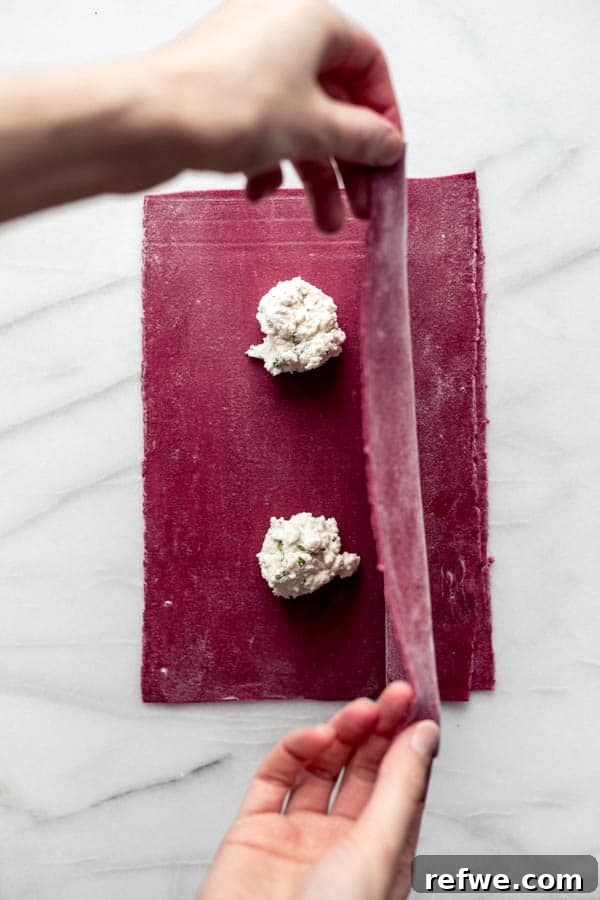
- Form the Ravioli: Lay a thin pasta sheet flat on a lightly floured surface. Using a small spoon, place approximately 1 heaping teaspoon of the chilled ricotta and mint filling onto the pasta sheet, spacing the mounds about 2 inches apart to allow room for cutting. Lightly brush the pasta sheet around each mound of filling with a little water; this acts as a natural adhesive, helping to seal the two pasta layers together securely. Carefully place a second thin pasta sheet directly over the first, aligning the edges precisely. Gently press down around each mound of filling to seal the two sheets together, ensuring no air pockets are trapped inside (air pockets can cause ravioli to burst during cooking).
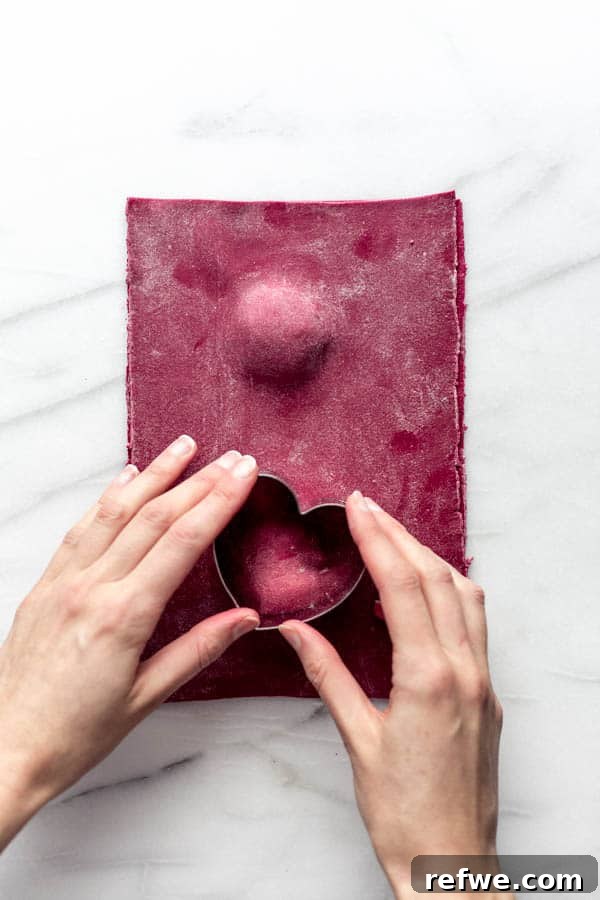
- Cut the Ravioli: Using a heart-shaped cutter (or a fluted pastry wheel if you prefer square ravioli), carefully cut out individual ravioli around the sealed filling mounds. After cutting, gently press around the edges of each heart-shaped ravioli one more time with your fingers or a fork to ensure a completely secure seal, creating that classic fluted edge. Place the finished ravioli on a lightly floured baking sheet or parchment paper, ensuring they don’t touch each other to prevent sticking.
- Repeat and Cook: Repeat steps 3-6 with the remaining pieces of dough and filling until all your ravioli are formed. Bring a large pot of generously salted water to a rolling boil. Carefully add the ravioli to the boiling water, making sure not to overcrowd the pot (cook in batches if necessary). Cook for 2-3 minutes, or until the ravioli float to the top and the pasta is perfectly al dente. Remove the cooked ravioli with a slotted spoon and serve immediately with your favorite sauce.
Notes
Making Beet Puree: To prepare the beet puree, simply boil, steam, or roast 1 medium-sized beet until it is very tender when pierced with a fork. Peel the cooked beet (the skin should slip off easily once cooked) and then blend it in a food processor or with an immersion blender until it forms a perfectly smooth and creamy paste. You’ll need approximately 4 tablespoons for this specific recipe.
Serving Suggestions: These heart beet ravioli are incredibly versatile and pair beautifully with a variety of sauces. They are particularly delicious when simply tossed in a light sauce like browned butter with a few fresh sage leaves, a simple garlic butter sauce, or a vibrant basil pesto. A drizzle of good quality extra virgin olive oil and a sprinkle of fresh Parmesan also makes for an elegant and understated presentation, allowing the ravioli’s natural flavors to shine.
Equipment Recommendation: For achieving precise and consistently thin pasta sheets, I highly recommend using
this pasta machine.
If you don’t own a pasta machine, a sturdy rolling pin can be used instead. Ensure you roll the dough as thinly and evenly as possible for the best texture, dusting frequently with flour to prevent sticking.
Storage Instructions: Freshly made ravioli can be cooked immediately for the best results. For later use, you can easily freeze them. Arrange uncooked ravioli in a single layer on a lightly floured baking sheet and freeze until they are completely solid (this prevents them from sticking together). Once frozen, transfer them to a freezer-safe bag or airtight container. When ready to cook, boil them directly from frozen in salted water, adding an extra minute or two to the cooking time.
Nutrition
(Nutritional information is an estimated value per serving and may vary based on specific ingredient brands, quantities, and preparation methods.)
- Serving Size: 1/4 recipe (approximately 8-10 ravioli)
- Calories: 370
- Sugar: 2g
- Fat: 8g
- Saturated Fat: 5g
- Carbohydrates: 54g
- Fiber: 3g
- Protein: 19g
If you tried these Heart Beet Ravioli or any other delightful recipe from our blog,
we would be absolutely thrilled to hear your feedback!
Please take a moment to let us know how you liked it by leaving a comment and rating below.
Your valuable insights and experiences help our growing community of food lovers discover new favorites and perfect their culinary skills.
For even more deliciousness, culinary inspiration, and daily healthy recipe ideas, be sure to follow along on
Pinterest,
Instagram,
and
Facebook!
Happy cooking and enjoy your homemade pasta adventure!