
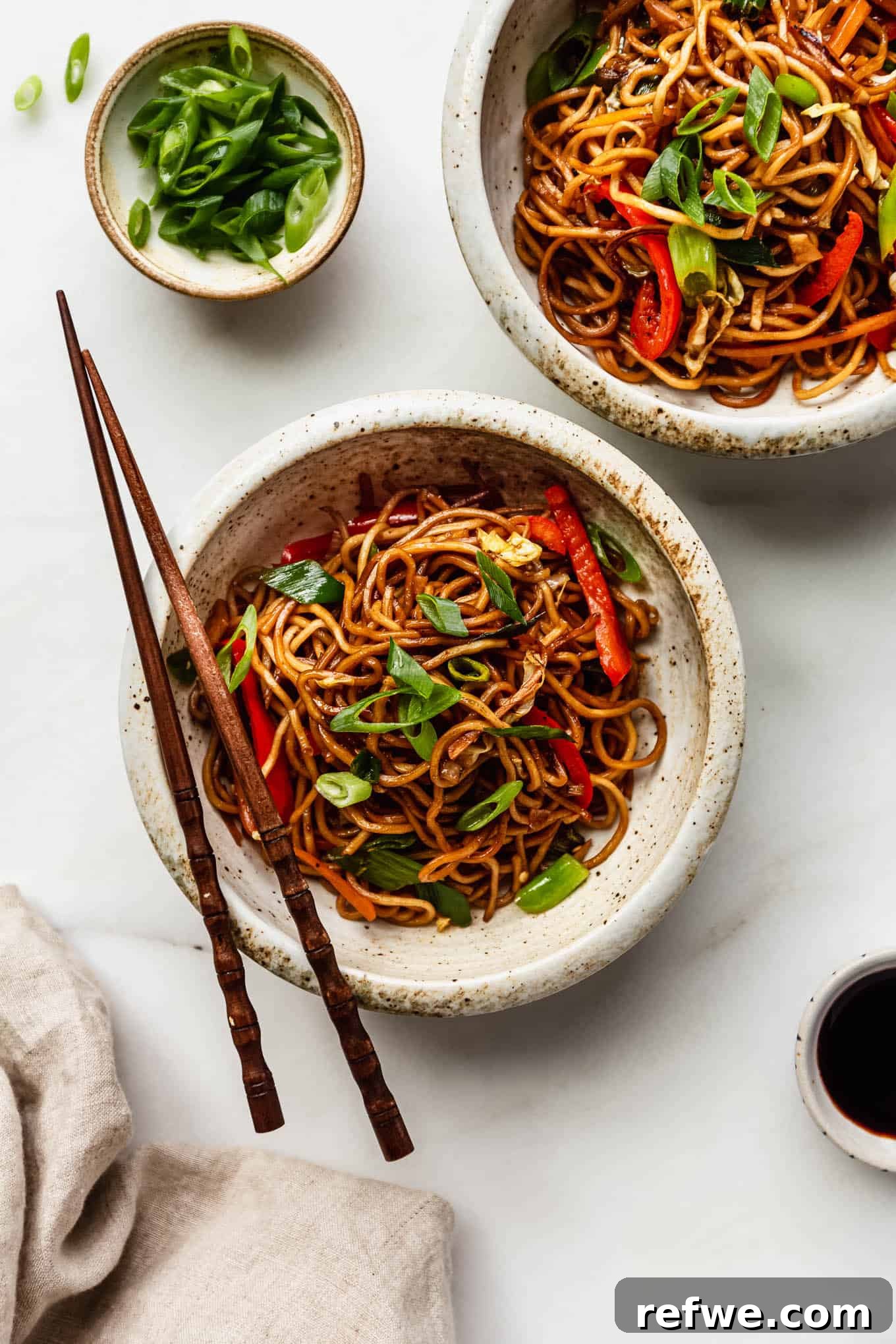
Discover the ultimate weeknight hero: this incredibly delicious and effortlessly prepared Vegan Vegetable Chow Mein. Craving a quick, satisfying, and healthy meal? Look no further! This entire dish comes together in just 20 minutes, all cooked efficiently in a single pan. What makes it even better is its complete customizability – feel free to toss in any of your favorite vegetables or even add a protein boost to make it uniquely yours.
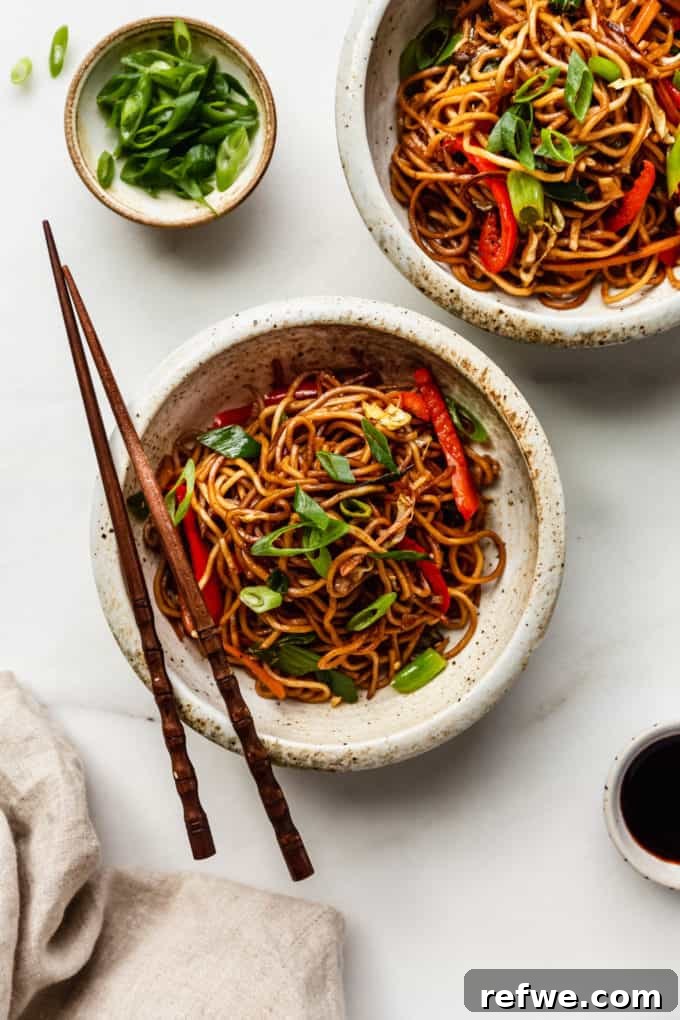
Embrace Deliciousness: Vegan Chow Mein with Abundant Vegetables
As a passionate advocate for quick and easy dinners, I’m a huge fan of Asian Noodle Recipes. They represent the perfect solution for getting a delightful meal on the table in under 30 minutes, often requiring just one pan or wok. This means not only a speedy dinner but also minimal cleanup, a dream come true on busy evenings.
Chow Mein has always held a special place in my heart as one of my absolute favorite Chinese noodle dishes, a staple order from restaurants. However, this homemade rendition of Vegan Chow Mein offers a distinctly lighter and healthier experience compared to its takeout counterpart. It’s not only packed with fresh, vibrant vegetables but also allows you to control the ingredients, ensuring a nourishing meal without excess oils or heavy sauces. Prepare to be amazed by how easily you can recreate this classic comfort food at home!
Why You’ll Absolutely Love This Vegan Chow Mein Recipe
- Lightning-Fast & Ready in 20 Minutes: When hunger strikes and time is short, this Vegetable Vegan Chow Mein is your culinary savior. It’s designed for speed and simplicity, ensuring a hearty dinner with incredibly minimal cleanup – perfect for any weeknight rush.
- Infinitely Customizable & Versatile: This recipe is a canvas for your creativity! Feel empowered to add any vegetables you have on hand or prefer. Looking for a protein boost? Integrate some crispy tofu or savory tempeh. For expert tips on preparing the perfect plant-based protein, check out my comprehensive guide on How to Cook Tofu.
- A Healthier, Lighter Take on Takeout: We all appreciate the convenience of restaurant chow mein, but it often comes laden with excessive oils and rich, heavy sauces. This homemade version reimagines the classic as a much healthier and lighter alternative, allowing you to indulge without guilt. It’s truly fresh, vibrant, and incredibly satisfying.
- One-Pan Wonder: Say goodbye to piles of dishes! This entire meal is cooked in a single pan, making both the cooking and the cleanup process a breeze. More time enjoying your meal, less time scrubbing.
- Beginner-Friendly: Whether you’re a seasoned chef or new to vegan cooking, this recipe is incredibly straightforward. With simple steps and common ingredients, anyone can master this flavorful dish.
Chow Mein vs. Lo Mein: Understanding the Delicious Differences
Chow Mein and Vegetable Lo Mein are two incredibly popular Chinese noodle dishes that are frequently mistaken for one another due to their similar appearances. However, they possess a few distinct key differences that set them apart, both in terms of their noodles and their preparation methods, which ultimately contribute to their unique textures and flavors.
The primary distinction lies in the noodles themselves. Chow Mein noodles are typically thinner and often pre-boiled before being added to the stir-fry. Their hallmark characteristic is being pan-fried in a wok or a large pan until they achieve a delightful charred crispiness, giving them a distinct texture that is both soft and crunchy. In contrast, Lo Mein noodles are generally thicker, chewier, and are typically just boiled and tossed with the sauce and other ingredients, rather than being fried, resulting in a softer, saucier noodle dish.
Furthermore, the cooking technique differs significantly. Chow Mein emphasizes the act of “chow” (meaning “stir-fried”), leading to noodles that are cooked until slightly crispy. Lo Mein, on the other hand, focuses on “lo” (meaning “tossed”), where the soft noodles are generously coated in sauce. Lastly, while both dishes share some common sauce ingredients, the specific ratios and additional elements often vary, creating subtly different flavor profiles.
Essential Ingredients for Your Perfect Vegan Chow Mein
Crafting exceptional Vegan Chow Mein starts with a thoughtful selection of fresh, high-quality ingredients. Each component plays a vital role in achieving that authentic, irresistible flavor and texture. Here’s a detailed look at what you’ll need:
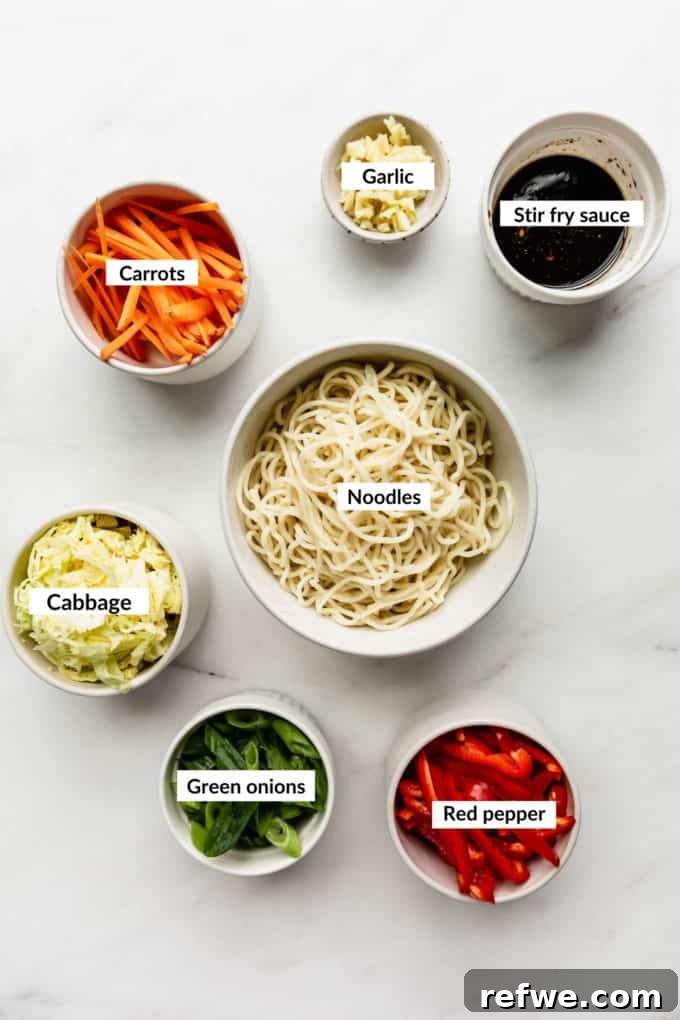
- Chow Mein Noodles: These wheat-based noodles are the star of the dish. It’s crucial to check the packaging carefully, as some brands may contain egg, making them non-vegan. Look for egg-free varieties to ensure your dish is plant-based. If traditional Chow Mein noodles aren’t available or if you prefer a gluten-free option, spaghetti or gluten-free spaghetti noodles make excellent substitutes, though the texture will be slightly different.
- Cabbage: Green cabbage or Nappa cabbage are ideal for this recipe, offering a tender yet slightly crisp texture when stir-fried. Their mild flavor perfectly complements the rich sauce and other vegetables. Avoid substituting with red cabbage, as its color can bleed and alter the visual appeal of the dish, and its flavor can be slightly more pungent.
- Red Bell Pepper: This vibrant vegetable adds a fantastic pop of color, a delightful crunch, and a subtle sweetness that brightens the entire dish. You can slice it into thin strips for classic chow mein presentation or dice it into smaller cubes if you prefer more manageable bites. Yellow or orange bell peppers can also be used.
- Carrots: Shredded carrots contribute a wonderful natural sweetness and a satisfying crunch. They integrate seamlessly into the noodle mixture, adding both flavor and essential nutrients. You can also julienne them for a more refined look.
- Green Onions: Rather than using traditional onions, this recipe exclusively calls for green onions. We utilize the entire stalk – both the white and light green bottoms for a more pungent, aromatic base, and the darker green tops for a fresh, mild garnish and burst of color at the end.
- Garlic: Can you truly make an authentic and flavorful Asian noodle recipe without the pungent, aromatic kick of fresh garlic? It’s a non-negotiable ingredient that provides depth and warmth to the stir-fry. Finely minced garlic releases its full flavor, permeating every strand of noodle.
- Stir-Fry Sauce: The magic of this Chow Mein lies in its perfectly balanced sauce. It’s a harmonious blend of several key ingredients:
- Dark Soy Sauce: Provides a rich, deep color and a slightly sweeter, less salty flavor than regular soy sauce.
- Vegetarian Oyster Sauce: Essential for that authentic umami depth, without any animal products. It adds a savory, slightly sweet, and thick consistency.
- Sesame Oil: A finishing oil that imparts a distinctive nutty aroma and flavor, crucial for Asian dishes.
- Sriracha: Offers a customizable kick of heat. Adjust the amount to your preferred spice level, or omit for a milder version.
- Rice Vinegar: Adds a crucial tangy, acidic note that balances the richness of the soy and oyster sauces, brightening the overall flavor.
- Coconut Sugar: Provides a subtle sweetness to round out the savory and tangy elements of the sauce. Regular granulated sugar or maple syrup can be used as alternatives.
Crafting Your Vegan Chow Mein: Step-by-Step Instructions
Get ready to cook up a storm! This recipe is designed for maximum flavor with minimal effort. Follow these simple steps to create a show-stopping Vegan Chow Mein that tastes even better than takeout.
Step 1: Sauté the Aromatics and Vegetables
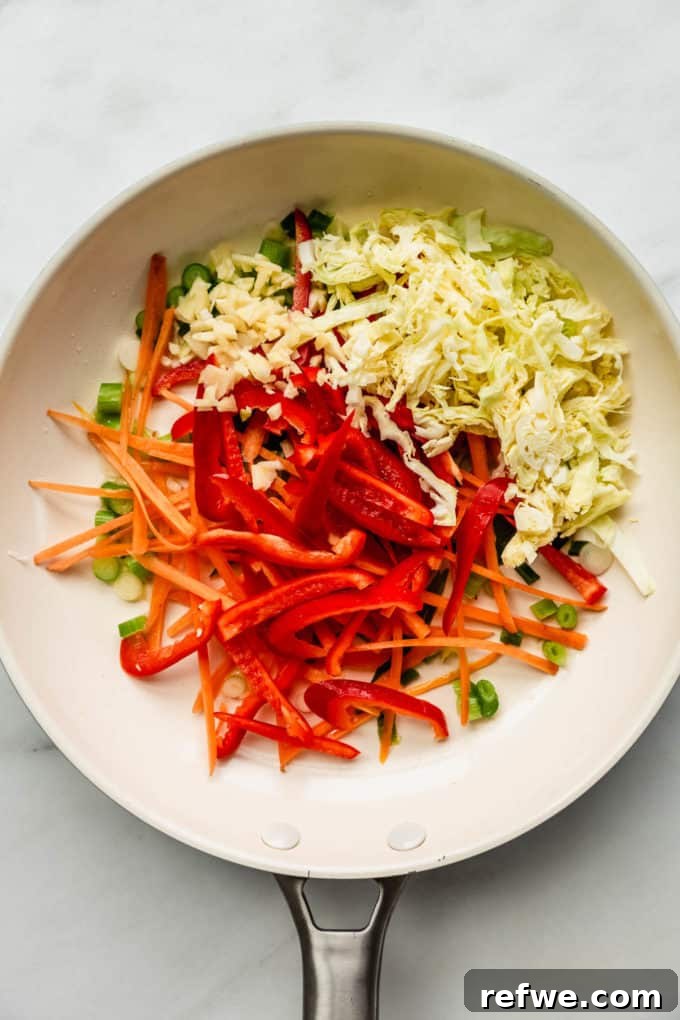
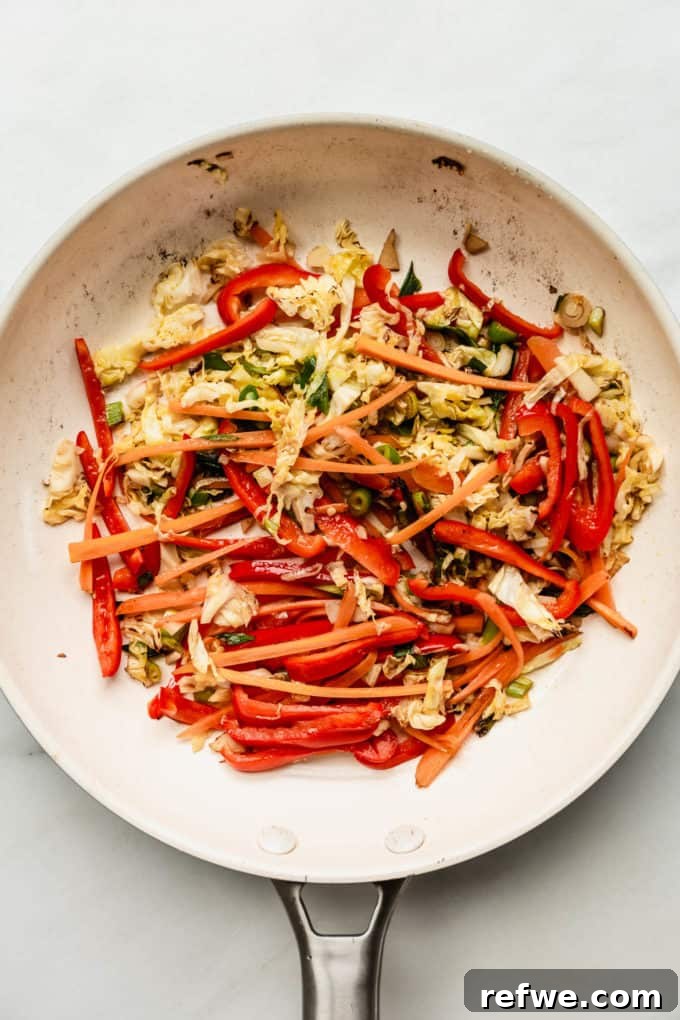
Begin by heating a tablespoon or two of avocado oil (or your preferred vegetable oil) in a large pan or wok over medium-high heat. Once the oil is shimmering, add the chopped green onions (white and light green parts), minced garlic, shredded carrots, sliced red bell pepper, and shredded cabbage. Sauté these vibrant vegetables for about 4-5 minutes, stirring frequently, until they become tender-crisp. You want them softened but still retaining a slight bite.
Step 2: Cook Noodles & Combine with Sauce
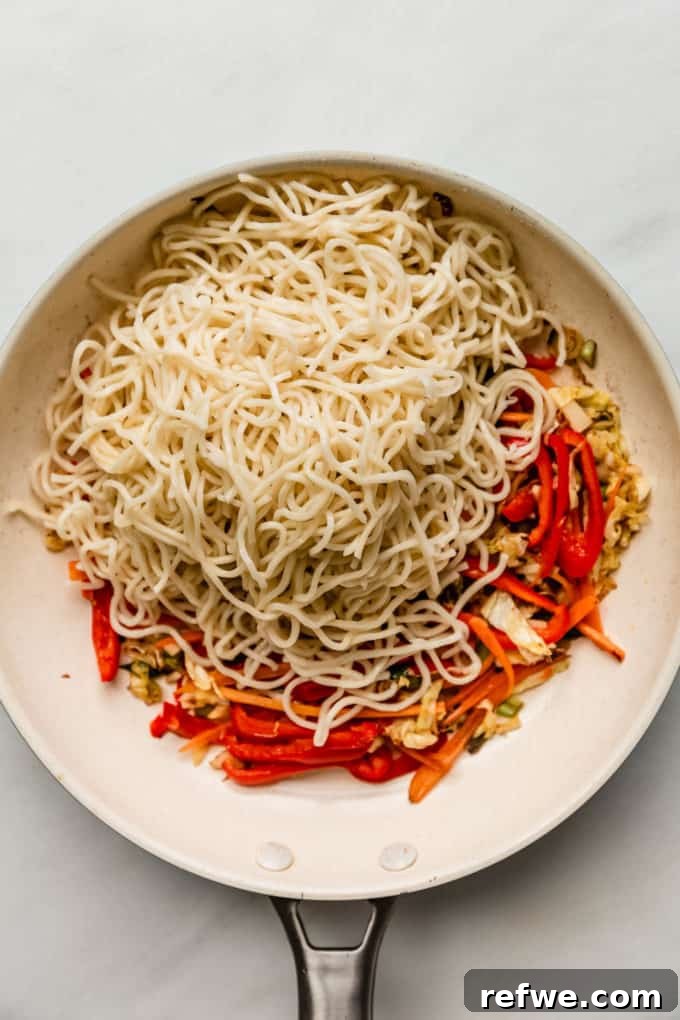
While your vegetables are sautéing, cook your chosen chow mein noodles according to the package directions in a separate pot of boiling water. It’s important not to overcook them; aim for al dente, as they will continue to cook slightly in the pan. Once cooked, drain them thoroughly and set aside.
In a small bowl, whisk together all the stir-fry sauce ingredients: dark soy sauce, vegetarian oyster sauce, sesame oil, sriracha, rice vinegar, and coconut sugar. Ensure everything is well combined.
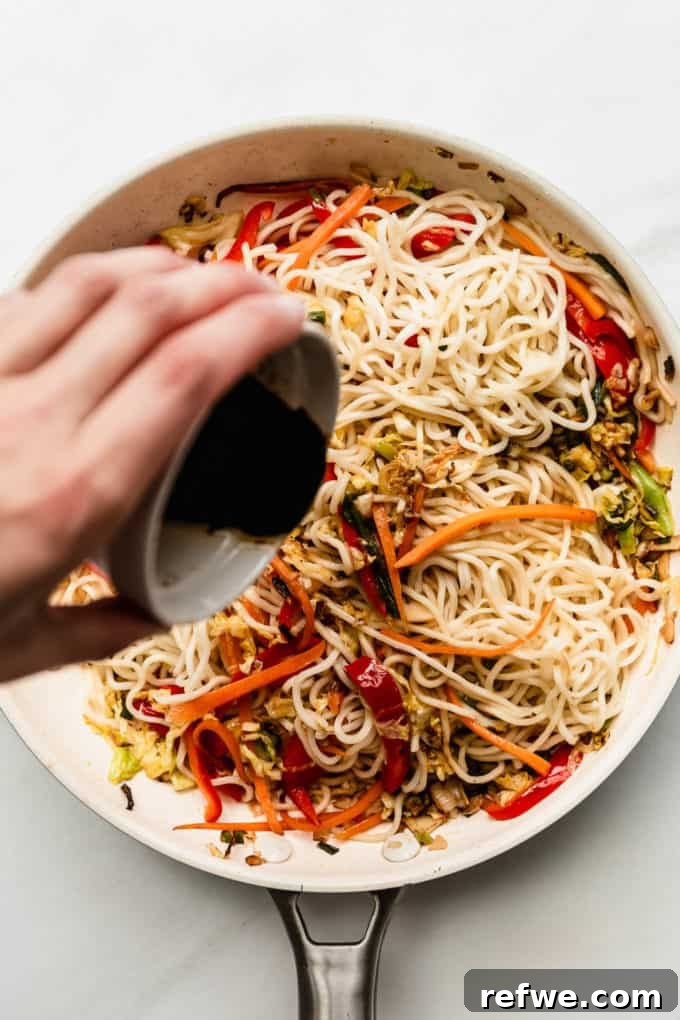
Once the vegetables are ready, lower the heat to medium. Add the cooked and drained noodles to the pan with the sautéed vegetables, then pour in the prepared stir-fry sauce. Gently toss everything together using tongs or spatulas, ensuring the noodles and vegetables are evenly coated with the rich, savory sauce.
Step 3: Crisp, Serve, and Enjoy!
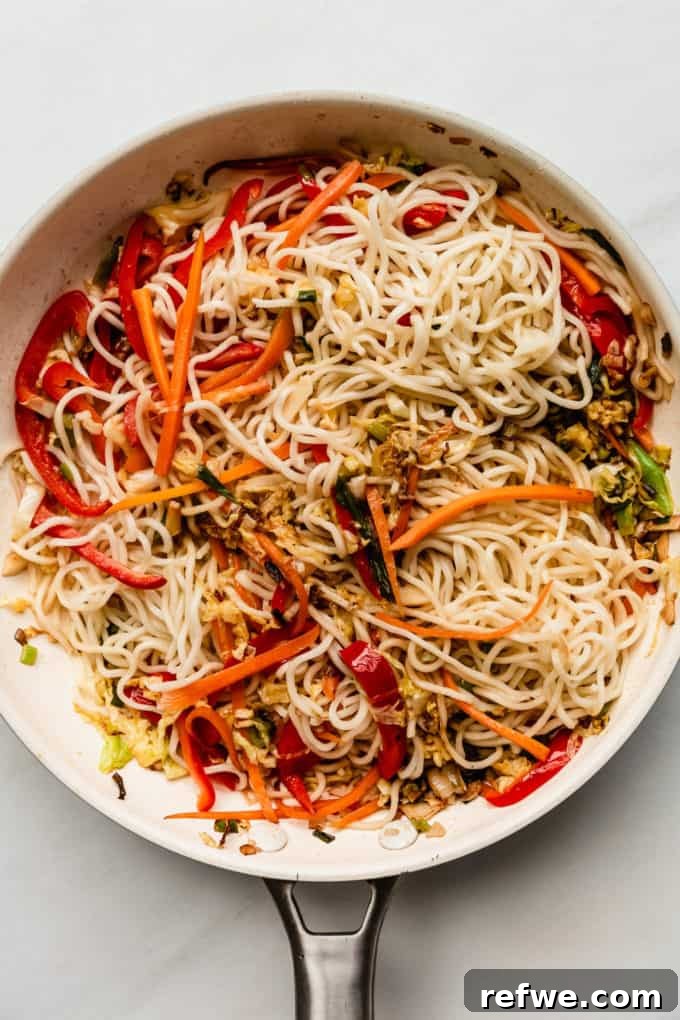
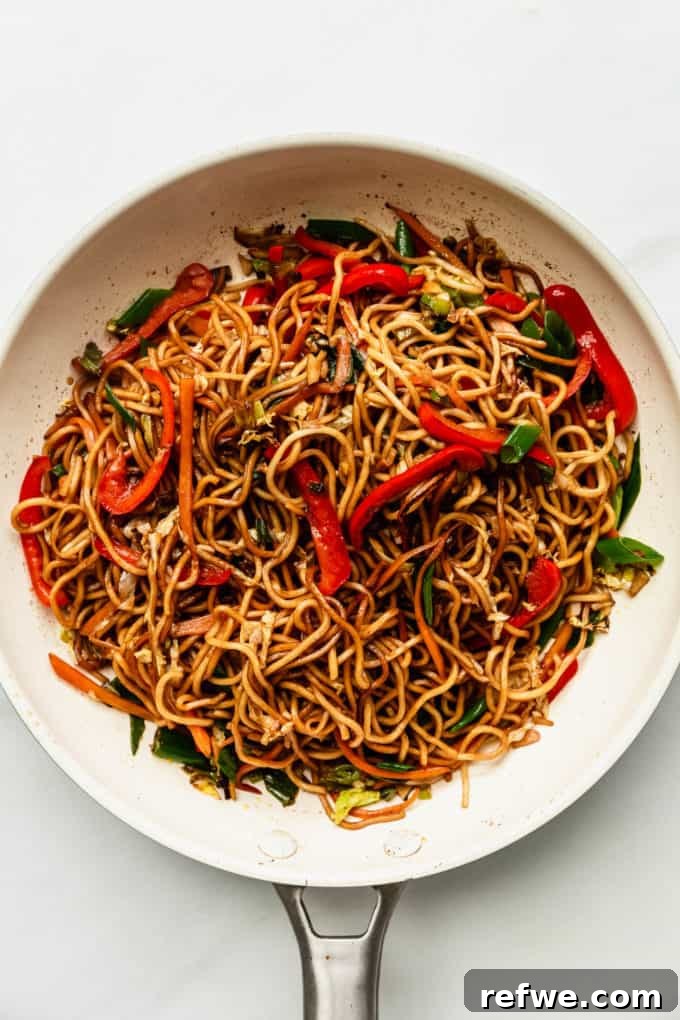
Continue to mix everything together, allowing the noodles to absorb the sauce and heat through. Let the noodles sit undisturbed for a minute or two on the medium heat. This crucial step allows the noodles on the bottom to get that characteristic slight crispiness, a hallmark of excellent chow mein. Keep an eye on them to prevent burning.
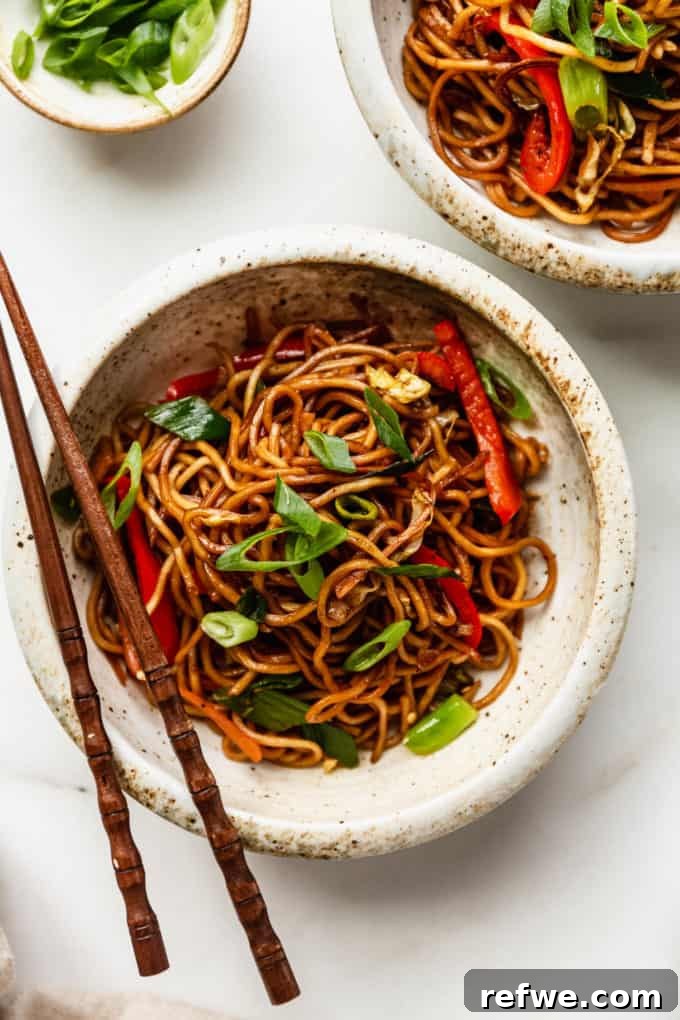
Once you achieve that perfect texture, remove the pan from the stove. Garnish with the reserved green onion tops if desired, and serve your sensational Vegan Chow Mein immediately while it’s hot and fresh. Prepare for an explosion of flavor!
Exciting Chow Mein Recipe Variations to Explore
One of the best aspects of this Vegan Chow Mein recipe is its incredible adaptability. Don’t be afraid to experiment and tailor it to your dietary needs, preferences, or whatever ingredients you have on hand. Here are some fantastic variations to try:
- Make it Gluten-Free: Achieving a gluten-free version is straightforward. Replace the traditional chow mein noodles with any gluten-free pasta, such as gluten-free spaghetti, or opt for rice noodles (ensure they are the thin, quick-cooking variety suitable for stir-fries). Crucially, you’ll also need to substitute the dark soy sauce with a certified gluten-free soy sauce or tamari to maintain the desired flavor profile without gluten.
- Boost the Protein Content: If you’re looking to make this Vegan Chow Mein even more substantial and protein-rich, there are several delicious plant-based additions. Try incorporating cubed and pan-fried tofu – for extra flavor and texture, marinate it beforehand! Alternatively, crumbled and stir-fried tempeh adds a wonderful nutty flavor and firm texture. You could also prepare a side of Tofu Satay or a quick Tempeh Stir Fry to serve alongside. Edamame, shelled and added towards the end, also makes a great protein boost.
- Load Up on More Veggies: This recipe is a fantastic way to clear out your fridge and pack in extra nutrients! Feel free to use any type of vegetables you typically enjoy in a stir-fry. Great additions include florets of broccoli, tender Chinese broccoli, crisp bok choy, crunchy bean sprouts (added at the very end for freshness), or sweet snow peas. You can even add sliced mushrooms, water chestnuts, or bamboo shoots for added texture. The beauty of this recipe is its versatility – it’s designed to be flexible and accommodating to whatever fresh produce you have available.
- Adjust the Spice Level: The sriracha in the sauce provides a delightful kick. For more heat, add an extra teaspoon or two, or a pinch of red pepper flakes. If you prefer a milder flavor, reduce the sriracha or omit it entirely.
Storing and Reheating Your Delicious Leftover Chow Mein
This Vegan Chow Mein makes for fantastic leftovers, perfect for quick lunches or another easy dinner! Proper storage and reheating will ensure your dish remains flavorful and satisfying.
To store, transfer any leftover Vegan Chow Mein into an airtight container and place it in the fridge. It will keep beautifully for up to 5 days. This makes it an ideal meal prep option, allowing you to enjoy healthy, homemade takeout flavors throughout the week.
When you’re ready to reheat, you have a couple of excellent options. For the best texture, reheat your chow mein in a large pan on the stovetop over medium heat. Add a tiny splash of water or vegetable broth (about a tablespoon) to help loosen the noodles and prevent them from drying out, especially if they’ve clumped together after refrigeration. Stir frequently until heated through. Alternatively, you can reheat portions in the microwave until warm, though the noodles might not achieve the same crispiness as stovetop reheating.
Expert Tips for Mastering Your Vegan Chow Mein
Achieving restaurant-quality chow mein at home is easier than you think! Keep these crucial tips in mind to ensure your dish is always perfect:
- Embrace Fresh Aromatics: For the most vibrant and authentic flavor, always use fresh green onions and minced garlic. Do not substitute these with dried or powdered versions, as they simply won’t deliver the same depth and pungency. The fresh onions and garlic are what truly contribute the foundational, big flavors to this dish, forming the aromatic base of your stir-fry.
- Perfectly Cooked Noodles are Key: The biggest mistake people make is overcooking the noodles before stir-frying. The chow mein noodles will continue to cook slightly when they are tossed with the vegetables and sauce in the pan. Therefore, ensure they are just slightly undercooked (al dente) when you drain them from the boiling water. This prevents them from becoming mushy and allows them to achieve that desirable tender-crisp texture in the final stir-fry.
- Pre-Mix Your Stir-Fry Sauce: While it might seem tempting to add each sauce ingredient directly to the pan separately, resist the urge! By mixing all the sauce ingredients together in a small bowl beforehand, you guarantee a homogenous blend of flavors. This ensures that every noodle strand and every piece of vegetable is evenly coated and perfectly seasoned, rather than having pockets of concentrated flavor or areas that are less seasoned. It’s a small step that makes a huge difference in the final taste and consistency.
- High Heat for Stir-Frying: Authentic stir-frying relies on high heat. Ensure your pan or wok is thoroughly heated before adding the oil and then the vegetables. This allows for quick cooking, crisp textures, and prevents the vegetables from steaming instead of stir-frying.
- Don’t Overcrowd the Pan: If you’re making a larger batch, it’s better to cook the vegetables in two separate batches rather than crowding the pan. Overcrowding lowers the pan’s temperature, leading to steamed, rather than properly stir-fried and browned, vegetables.
Frequently Asked Questions About Vegan Chow Mein
It’s essential to carefully check the label of your chow mein noodles to confirm they are vegan. While many varieties are wheat-based and egg-free, some traditional chow mein noodles can contain egg, which would make them non-vegan. Always opt for brands explicitly labeled as “egg-free” or “vegan” to ensure your dish adheres to a plant-based diet. If you’re unsure, or prefer a readily available option, regular spaghetti or gluten-free pasta can be used as a vegan substitute.
For authentic chow mein, a wok is generally considered the best cooking vessel. Its sloped sides and high heat retention allow for efficient stir-frying, ensuring ingredients cook quickly and evenly, developing that characteristic smoky flavor (wok hei). However, if you don’t have a wok at home, a large, heavy-bottomed pan or a cast-iron skillet with high sides will work perfectly fine. The key is to use a pan that can get very hot and accommodate all the ingredients without overcrowding.
While traditional takeout chow mein often isn’t the most healthy option due to high amounts of oil, sodium, and sometimes less-than-fresh ingredients, this homemade vegan vegetable chow mein is a much lighter and healthier alternative. By preparing it yourself, you have full control over the amount and type of oil used, the freshness of your vegetables, and the sodium content in the sauce. This recipe is packed with nutritious vegetables and offers a balanced meal that is both satisfying and good for you.
Chow mein sauce is known for its savory, tangy, and slightly sweet flavor profile. A classic sauce is typically made with a blend of key ingredients including soy sauce (often a combination of light and dark for color and depth), vegetarian oyster sauce (for umami and a thicker consistency), rice vinegar for a balancing acidity, and a touch of sugar (like coconut sugar or regular granulated sugar) for sweetness. Sesame oil is also commonly added for its distinctive nutty aroma, and sriracha or other chili paste can be included for a spicy kick. This combination creates a rich, complex sauce that perfectly coats the noodles and vegetables.
Explore More Irresistible Noodle Recipes
If you’re a noodle enthusiast like me, there’s a whole world of quick and flavorful dishes waiting to be discovered. Here are some more of my favorite noodle recipes that are perfect for any occasion:
- 15-Minute Garlic Noodles: A simple yet incredibly satisfying dish bursting with garlicky goodness.
- Life-Changing Peanut Butter Noodles: Creamy, nutty, and utterly addictive – these noodles are a game-changer.
- Ramen Noodle Stir Fry: Elevate instant ramen into a gourmet meal with this quick and versatile stir-fry.
- Vegan Dan Dan Noodles: A spicy and savory classic, reimagined for a plant-based diet.
- 15-Minute Teriyaki Noodles: Sweet, savory, and incredibly fast – perfect for a last-minute dinner.
If you’ve had the pleasure of trying this amazing Vegan Chow Mein or any other recipe from our blog, please let me know how you enjoyed it by leaving a comment and rating below! Your feedback truly inspires us. Be sure to follow along on Pinterest, Instagram, and Facebook for even more deliciousness, healthy eating tips, and exciting new recipes!
Vegan Chow Mein
- Author: Jessica Hoffman
- Prep Time: 10 minutes
- Cook Time: 10 minutes
- Total Time: 20 minutes
- Yield: 2-4 servings
- Category: Main
- Method: Pan fry
- Cuisine: Chinese
- Diet: Vegan
Description
This Vegan Chow Mein is bursting with colorful vegetables and comes together in a mere 20 minutes, making it the perfect choice for a quick, easy, and satisfying dinner!
Ingredients
Stir fry
- 250 grams vegan chow mein noodles (can sub spaghetti noodles)
- 2 tbsp avocado oil (or vegetable oil)
- 2 green onions, chopped (white and light green parts separated from dark green tops)
- 3 garlic cloves, finely chopped
- 1/2 cup shredded carrots
- 1 red bell pepper, sliced thinly
- 1 cup shredded green cabbage (or nappa cabbage)
Stir fry sauce
- 2 tbsp vegetarian oyster sauce
- 2 tbsp dark soy sauce
- 2 tsp rice vinegar
- 2 tsp coconut sugar (can sub regular sugar or maple syrup)
- 2 tsp sriracha (adjust to taste)
- 1 tsp sesame oil
Instructions
- Cook the chow mein noodles according to package directions in a pot of boiling water until al dente. Drain thoroughly and set aside.
- Prepare the stir-fry sauce by combining all the sauce ingredients (vegetarian oyster sauce, dark soy sauce, rice vinegar, coconut sugar, sriracha, and sesame oil) in a small bowl. Whisk until well combined.
- Heat the avocado oil in a large pan or wok over medium-high heat. Add the white and light green parts of the chopped green onions, minced garlic, shredded carrots, sliced red bell pepper, and shredded cabbage. Sauté for 4-5 minutes, stirring frequently, until the vegetables begin to soften but still retain a slight crispness.
- Reduce the heat to medium. Add the cooked noodles and the prepared stir-fry sauce to the pan with the vegetables. Toss everything together using tongs or spatulas, ensuring all the noodles and vegetables are evenly coated with the delicious sauce. Allow the noodles to cook for another 1-2 minutes, letting them sit undisturbed for short intervals to develop a slight crispiness on the bottom.
- Remove the pan from the heat. Garnish with the dark green tops of the chopped green onions. Serve your vibrant and flavorful Vegan Chow Mein immediately and enjoy!
Notes
This recipe yields 2 generous main course servings or 4 smaller side servings.
Store any leftovers in an airtight container in the refrigerator for up to 5 days, making it a fantastic option for meal prep throughout the week.
To ensure perfectly textured noodles, do not overcook them before adding them to the stir-fry. The chow mein noodles will continue to cook and absorb flavor when stir-fried with the vegetables and sauce. Aim for al dente when draining them from the boiling water.
For the best and most consistent flavor, always mix all the stir-fry sauce ingredients together in a separate bowl before adding them to the pan. This ensures that the sauce is perfectly balanced and evenly coats all the ingredients, leading to a much more delicious and harmonious dish.
Nutrition
- Serving Size: 1/4 of the recipe
- Calories: 300
- Sugar: 5g
- Fat: 10.7g
- Saturated Fat: 1g
- Carbohydrates: 45g
- Fiber: 3g
- Protein: 6.8g