
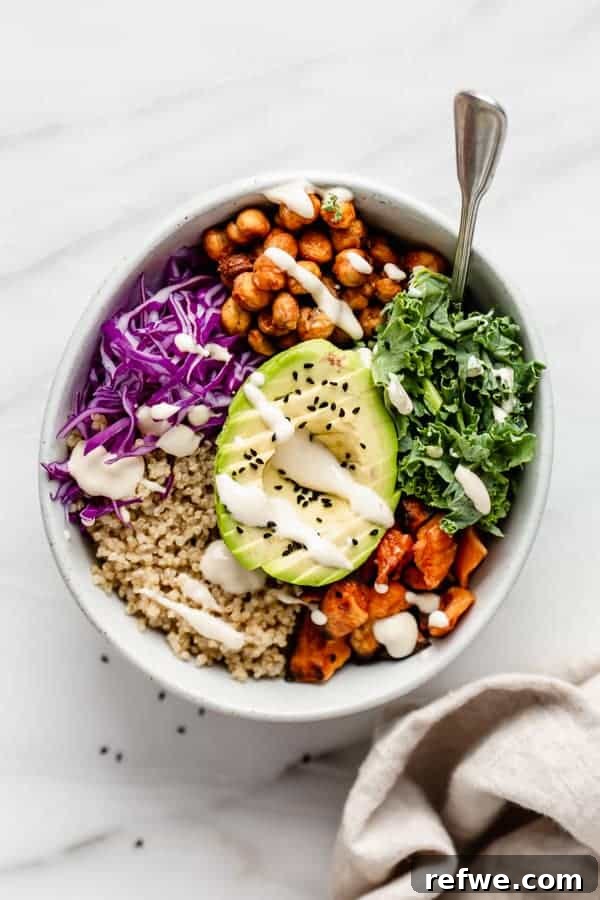
Embarking on a plant-based journey or simply looking to incorporate more wholesome plant foods into your diet? A common question that arises is: “Where will I get enough protein?” This comprehensive guide is designed to equip you with all the knowledge and inspiration you need to confidently source abundant protein from plants, ensuring your diet is both nourishing and delicious. Discover a wide array of plant-based protein sources and learn how to integrate them seamlessly into your meals for optimal health and vitality!
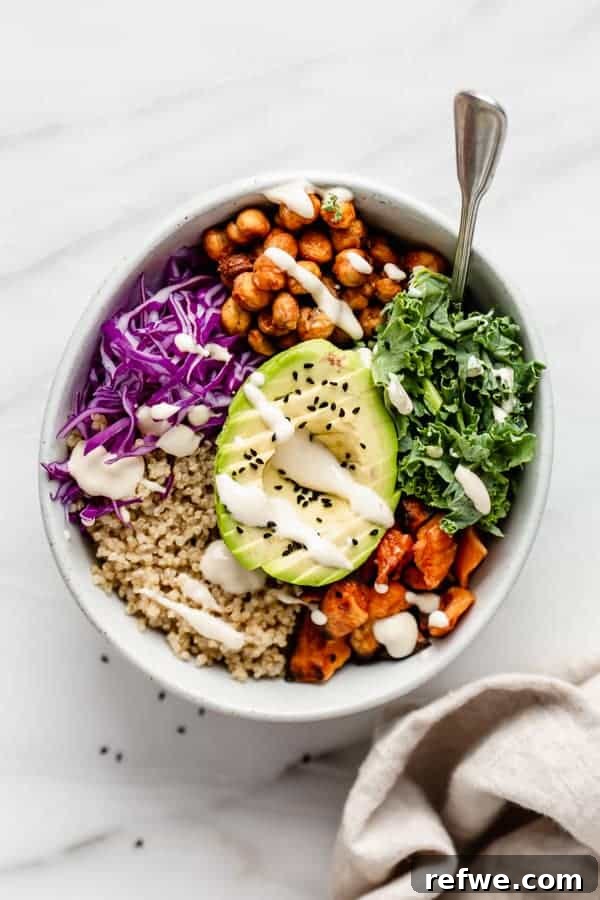
The Ultimate Guide to Plant-Based Protein Sources
Understanding Protein: Your Body’s Essential Building Block
Protein is a vital macronutrient, playing a fundamental role in nearly every bodily function. It’s not just for building muscles; protein is essential for repairing tissues, producing enzymes and hormones, and supporting a robust immune system. Our bodies are complex structures, intricately built from countless proteins, which are themselves composed of smaller units called amino acids. There are 20 different amino acids that our bodies use to create proteins, but your body specifically needs 22 amino acids to function properly, nine of which are considered “essential” because the body cannot produce them on its own and must obtain them through diet. The remaining 13 are “non-essential” as the body can synthesize them.
A food source that contains all nine essential amino acids in sufficient quantities is often referred to as a “complete protein.” While many animal products are naturally complete proteins, the notion that plant proteins are inherently inferior is a common misconception. As you’ll discover, a diverse plant-based diet easily provides all the essential amino acids your body needs.
The average recommendation for protein intake varies based on age, activity level, and overall health, but a general guideline is approximately 0.8 grams of protein per kilogram of body weight. For instance, a person weighing 70 kg (154 lbs) would aim for around 56 grams of protein daily. However, everyone’s body is unique, and individual needs can differ significantly, especially for athletes or those with specific health goals. It’s crucial to listen to your body and adjust your intake accordingly to support your personal health and energy levels.
Do Plants Provide Sufficient Protein? Absolutely!
Yes, plants are incredibly rich sources of protein! The idea that a plant-based diet lacks protein is one of the most persistent myths. While it’s true that many individual plants may not contain all 22 amino acids in the same proportions as a complete protein source (often referred to as “incomplete proteins”), this does not mean a plant-based diet is deficient. The key lies in variety.
By consuming a wide range of plant foods throughout the day, vegetarians and vegans can effortlessly obtain all the essential amino acids. The body maintains a “pool” of amino acids, drawing from various sources consumed over several hours to create complete proteins. This means you don’t need to meticulously combine specific plant proteins at every single meal. Eating a diverse array of whole plant foods – such as grains, legumes, nuts, seeds, and vegetables – naturally ensures your body absorbs all the essential nutrients and amino acids it requires to thrive.
Why Choose Plant-Based Protein? Beyond Just Muscle Building
Opting for plant-based protein sources offers a myriad of health and environmental benefits:
- Rich in Fiber: Unlike animal proteins, plant proteins are packed with dietary fiber, which is crucial for digestive health, blood sugar regulation, and promoting a feeling of fullness.
- Abundant in Micronutrients: Plant foods come with an impressive array of vitamins, minerals, and phytonutrients (beneficial plant compounds) that support overall health and disease prevention.
- Heart Health: Diets rich in plant proteins are often lower in saturated fat and cholesterol, contributing to better cardiovascular health and reducing the risk of heart disease.
- Antioxidant Power: Many plant proteins are loaded with antioxidants, which combat oxidative stress and protect your cells from damage.
- Sustainability: Plant-based protein production generally requires fewer natural resources (land, water) and generates lower greenhouse gas emissions compared to animal agriculture, making it a more environmentally friendly choice.
Key Plant-Based Protein Sources: A Detailed Breakdown
1. Beans: The Versatile Powerhouses
Beans are undeniably one of the most affordable, accessible, and nutrient-dense sources of plant protein. They are incredibly versatile, fitting seamlessly into soups, stews, salads, and countless other dishes. Beyond their impressive protein content, beans are brimming with fiber, complex carbohydrates, and essential minerals like iron, magnesium, and folate. Combining beans with grains, such as rice or corn, creates a complete protein source, offering all essential amino acids.
- Black Beans: Known for their rich, earthy flavor and creamy texture, black beans are a staple in many cuisines. Their dark color signals a strong antioxidant profile. They are also a good source of fiber, iron, and magnesium. Perfect in burritos, chili, or as a base for veggie burgers. Approximately 7 grams of protein per ½ cup (cooked).
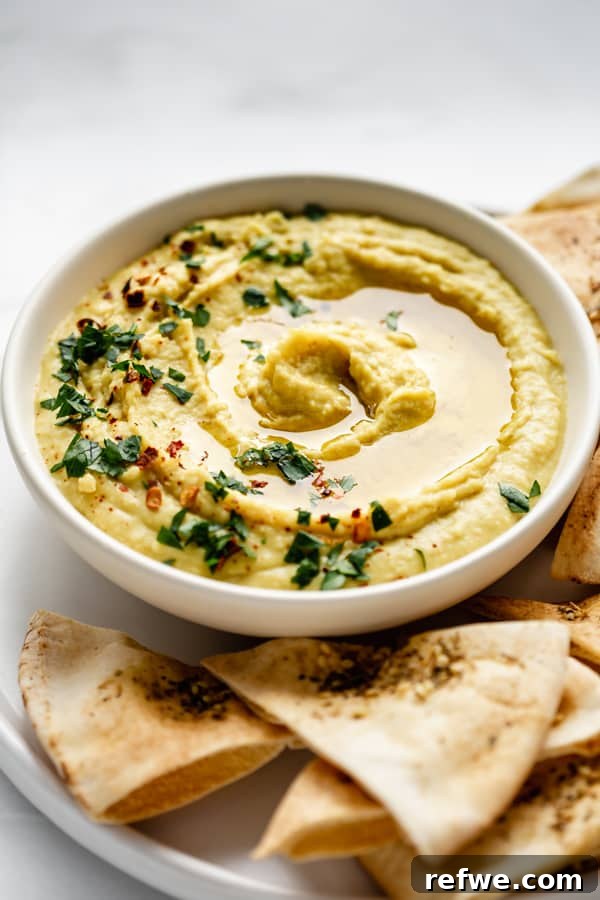
- Chickpeas (Garbanzo Beans): The beloved foundation of hummus, chickpeas are incredibly versatile. They have a slightly nutty flavor and a firm texture, making them excellent in salads, roasted as a crispy snack, or pureed into dips and spreads. They offer a good balance of protein and fiber. Approximately 8 grams of protein per ½ cup (cooked).
- White Beans (Cannellini, Great Northern, Navy): With a milder flavor and softer, creamier texture than chickpeas, white beans are ideal for enriching soups, stews, and casseroles. They blend beautifully into dips and spreads, adding a smooth, rich consistency. They are also high in fiber and iron. Approximately 7 grams of protein per ½ cup (cooked).
- Edamame: These vibrant green soybeans are a complete protein, offering all essential amino acids. Edamame makes a delightful snack on its own, either steamed in the pod or shelled, and is a fantastic addition to stir-fries, salads, and grain bowls. They are also rich in fiber, vitamin K, and folate. Approximately 8 grams of protein per ½ cup (shelled, cooked).
2. Nuts: Nutrient-Dense and Convenient
Nuts are not only delicious but also nutritional powerhouses, packed with healthy fats, fiber, vitamins, and minerals, in addition to protein. They are exceptional sources of antioxidants, which protect your cells from damage caused by free radicals. Nuts are incredibly easy to integrate into your daily diet – sprinkle them over yogurt, salads, or oatmeal, or enjoy them as a satisfying snack. They are also excellent for making homemade nut butters and plant milks.

- Almonds and Almond Butter: These popular nuts are a fantastic source of vitamin E, magnesium, and healthy monounsaturated fats. They provide a satisfying crunch and a subtly sweet flavor. Enjoy them raw, roasted, or as creamy almond butter spread on toast or in smoothies. Almonds: approximately 7g protein per ¼ cup. Almond Butter: approximately 6g protein in 2 tablespoons.
- Walnuts: Distinctive for their brain-like shape, walnuts are celebrated for being one of the best plant-based sources of omega-3 fatty acids, which are crucial for brain and heart health. They have a slightly bitter, earthy flavor that complements both sweet and savory dishes. Approximately 5g of protein per ¼ cup.
- Pecans: With their buttery texture and rich, sweet flavor, pecans are often favored in desserts but are equally delicious in savory applications. They are rich in antioxidants and healthy fats. Approximately 3g of protein in a 1 oz (about ¼ cup) serving.
- Cashews: Known for their creamy texture and mild, sweet flavor, cashews are incredibly versatile. They are frequently used to create rich, dairy-free sauces, creams, and cheeses in plant-based cooking. Cashews are also a good source of magnesium and zinc. Approximately 5g of protein in 1 oz (about ¼ cup) serving.
- Peanuts and Peanut Butter: Though botanically legumes, peanuts are nutritionally classified and consumed as nuts. They are one of the most popular and affordable choices, packed with protein and healthy fats. Excellent for post-workout recovery or as a satisfying snack. Peanuts: approximately 7g of protein in 1 oz. Peanut Butter: approximately 7g of protein in 2 tablespoons.
3. Seeds: Tiny Dynamos of Nutrition
It makes intuitive sense that seeds are incredibly healthy for us; they are, after all, the embryonic beginnings of new plant life. Seeds are concentrated sources of fiber, healthy fats (including omega-3s), vitamins, minerals, and powerful antioxidants. Incorporating them into your diet is simple – sprinkle them on salads, blend into smoothies, or use them as a crunchy topping for almost any meal.
- Buckwheat: Despite its name, buckwheat is not a form of wheat but a gluten-free pseudo-cereal, actually a fruit seed related to rhubarb. It’s unique among plant foods for being a complete protein, containing all essential amino acids. Buckwheat groats have a robust, earthy flavor and can be cooked like rice or used in porridges and salads. Approximately 6 grams of protein per 1 cup (cooked).
- Hemp Seeds (Hemp Hearts): These small, soft seeds have a mild, nutty flavor and are incredibly easy to incorporate into almost any dish. They are a complete protein source and are rich in omega-3 and omega-6 fatty acids in an optimal ratio, as well as magnesium and zinc. Sprinkle them on salads, blend into smoothies, or stir into oatmeal. Approximately 6g of protein in just 2 tablespoons.
- Quinoa: Another pseudo-cereal often mistaken for a grain, quinoa is a powerhouse seed known for being a complete protein. It’s also packed with fiber, magnesium, iron, and various antioxidants. Its fluffy texture and mild flavor make it a perfect base for buddha bowls, salads, or as a side dish. Approximately 8g of protein per 1 cup (cooked).
- Sunflower Seeds: These popular seeds offer a delightful crunch and a mild, nutty flavor. They are an excellent source of vitamin E, magnesium, and selenium. Best enjoyed out of the shell, they add great texture to salads, granola, baked goods, or can be eaten as a simple snack. Approximately 3g of protein in 2 tablespoons.
- Pumpkin Seeds (Pepitas): Often overlooked, pumpkin seeds are incredibly nutritious. They are exceptionally high in iron, magnesium, and zinc, and provide a good source of healthy fats. Their slightly chewy texture and nutty flavor make them a wonderful addition to granola, soups, salads, and baked goods. Approximately 5g of protein per ¼ cup.
- Tahini: This creamy paste made from ground sesame seeds is a staple in Middle Eastern cuisine. Tahini is a nutrient-dense food, providing significant amounts of iron, magnesium, B vitamins, and healthy fats. It’s essential for hummus, but also wonderful in dressings, sauces, and even desserts. Approximately 7g of protein in 2 tablespoons.
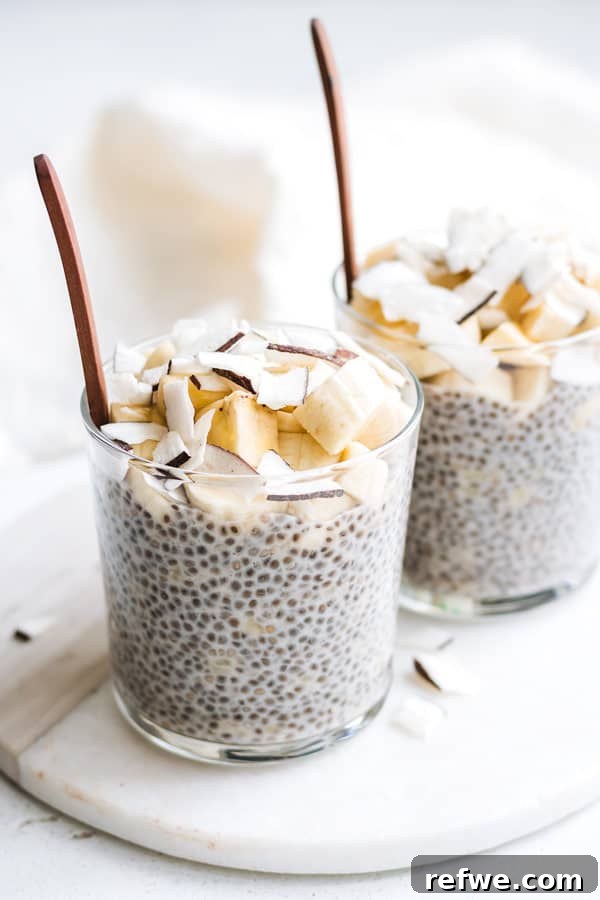
- Chia Seeds: The namesake of many healthy food blogs, chia seeds truly live up to their superfood status. They are an excellent source of omega-3 fatty acids, fiber, and minerals like calcium and magnesium. When combined with liquid, they form a gel, making them a wonderful egg substitute in baking and the perfect base for nutritious chia puddings. Approximately 5g of protein in just 2 tablespoons.
4. Whole Grains: Sustained Energy and Nutrition
Whole grains are a cornerstone of many healthy plant-based diets, and for good reason. They are not only excellent sources of complex carbohydrates, providing sustained energy, but also deliver a wealth of nutrients, including fiber, B vitamins, and various minerals. Regular consumption of whole grains can contribute to lower blood cholesterol levels, improved digestive health, and a reduced risk of heart disease – benefits long recognized and even advertised on cereal boxes!
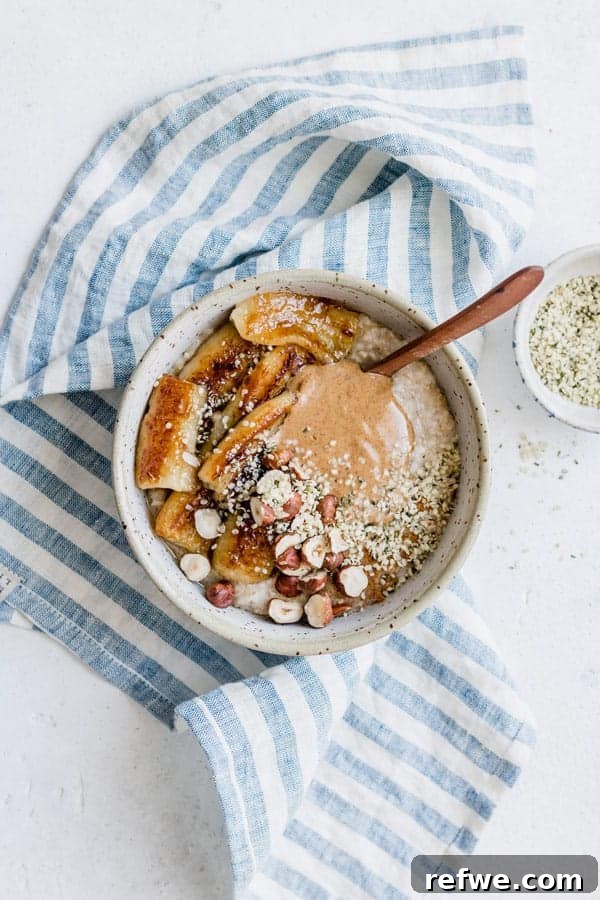
- Rolled Oats (and other Oat varieties): Oats are a versatile and nutrient-packed whole grain. Oatmeal, in particular, offers a good amount of protein, significantly more fiber, and less starch than brown rice, making it an excellent choice for a hearty, sustained-energy breakfast. Whether you prefer quick oats, rolled oats, or steel-cut oats, they are easy to prepare and can be customized with fruits, nuts, and seeds. Approximately 5g of protein per ⅕ of a cup (dry, about ½ cup cooked).
- Sprouted Bread: Made from whole grains that have begun to sprout, sprouted bread often boasts a higher nutrient profile and improved digestibility compared to conventional breads. The sprouting process can increase the availability of amino acids, making it a surprisingly good source of plant protein. Look for it in the refrigerated or freezer section of your grocery store. Approximately 6g of protein in one slice.
- Bean/Lentil Pasta: A fantastic gluten-free alternative to traditional wheat pasta, varieties made from black beans, lentils, or chickpeas offer a significantly higher protein content, transforming a simple pasta dish into a more substantial and satisfying meal. These types of pasta can help keep you feeling fuller for longer, making them a smart choice for any meal. Many brands contain over 20g of protein per serving.
5. Vegetables and Legumes: Everyday Protein Boosters
While often celebrated for their vitamins and minerals, many vegetables and legumes also contribute a notable amount of protein to your diet. Incorporating a diverse array of these foods not only ensures a wide spectrum of nutrients but also boosts your daily protein intake naturally. It’s a win-win for flavor, health, and variety!
- Peas (Green Peas): These small, sweet legumes are more than just a colorful side dish. Peas are surprisingly rich in protein and fiber, and they also contain leucine, an essential amino acid crucial for muscle protein synthesis and metabolism, which can be harder to find in higher quantities in some other plant-based foods. Fresh or frozen, they are easy to add to almost any meal. Approximately 9g of protein per cup (cooked).
- Broccoli: This cruciferous vegetable is a nutritional powerhouse, offering not only protein but also a significant amount of vitamin C, vitamin K, fiber, and calcium (one cup provides about 30 percent of your daily calcium needs!). Enjoy it steamed, roasted, or in stir-fries. Approximately 3g of protein per cup (chopped).
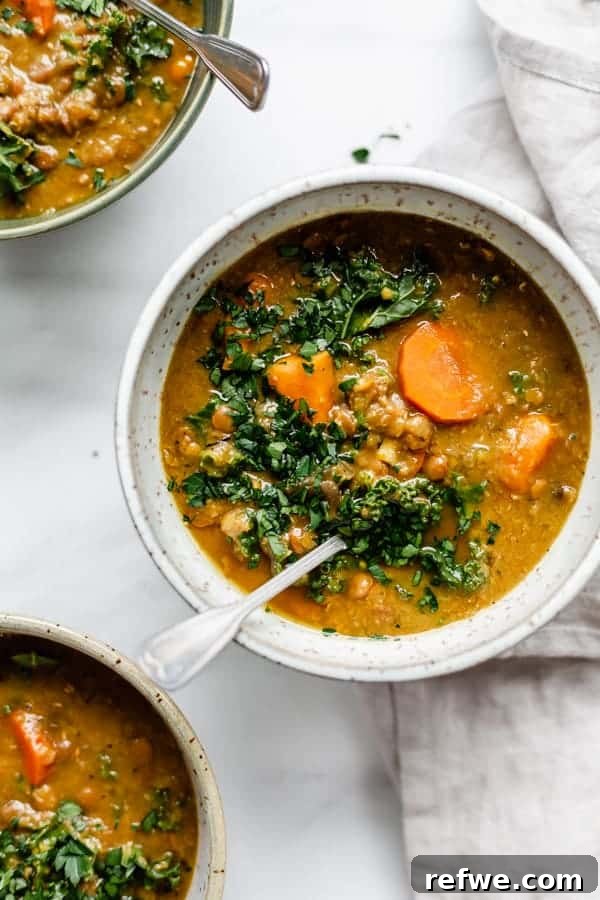
- Lentils: Lentils are truly a plant-based diet superstar. They are incredibly affordable, cook relatively quickly, and boast an impressive protein and fiber content. Their mild, earthy flavor makes them incredibly versatile, readily absorbing the spices and flavors they’re cooked with. From hearty stews and soups to savory salads and plant-based burgers, lentils are a fantastic way to boost your protein intake and provide a satisfying, substantial texture to meals. Approximately 9g of protein per ½ cup (cooked).
Other High-Protein Plant-Based Staples: Tofu, Tempeh, and Nutritional Yeast
Beyond the categories above, there are specific plant-based foods that stand out for their exceptionally high protein content and versatility. These are classic mainstays in the plant-based community for a reason, offering fantastic alternatives for those looking to diversify their protein sources.
While some people initially report apprehension about preparing them, often citing texture concerns, mastering these ingredients can unlock a world of delicious and protein-packed meals. Many concerns around soy-based products, like tofu and tempeh, have been debunked by scientific research, which often shows soy consumption to be beneficial, even linked to helping fight certain cancers.
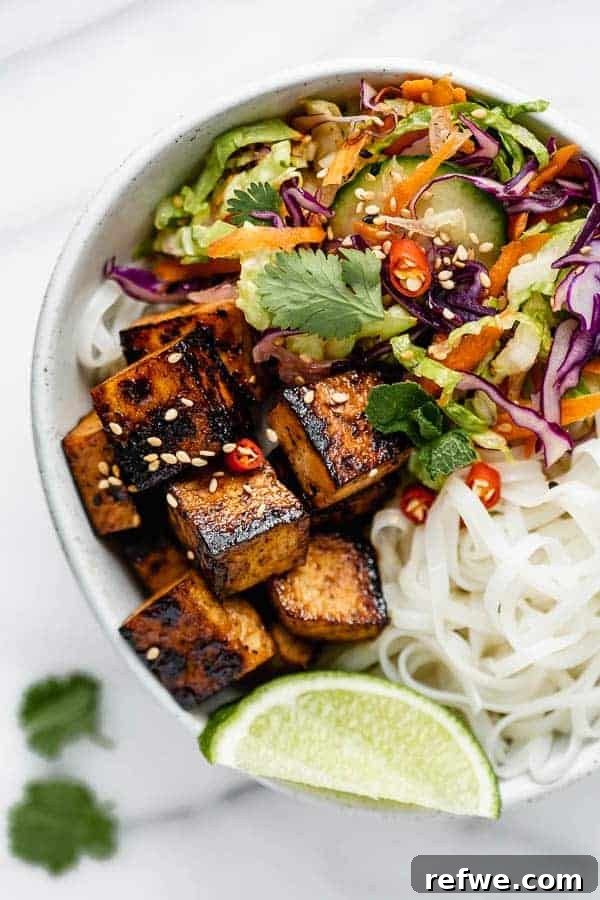
- Tofu (Extra Firm): Made from condensed soy milk pressed into solid white blocks, tofu is a marvel of culinary versatility. Its mild flavor makes it a master of disguise, readily absorbing the flavors of marinades, sauces, and spices. For the highest protein content and best texture for frying, baking, or grilling, opt for extra-firm or super-firm varieties. Tofu is also a good source of calcium and iron. Approximately 10 grams of protein per cup (firm/extra-firm).
- Tempeh: Hailing from Indonesia, tempeh is a fermented soybean product that offers a firmer, chewier texture and a distinct nutty, earthy flavor compared to tofu. Because it’s fermented, tempeh is often easier to digest and provides beneficial probiotics. It works exceptionally well as a meat substitute in stir-fries, sandwiches, and chili, adding a robust texture and flavor profile. Approximately 15g of protein per ½ cup.
- Nutritional Yeast: Often affectionately called “nooch,” nutritional yeast is a deactivated yeast product with a cheesy, umami flavor, making it everyone’s favorite vegan cheese substitute. This golden, flaky dust is not only a good source of protein but is also fortified with B vitamins, including vitamin B12, which is crucial for those on a plant-based diet. Sprinkle it on popcorn, pasta, salads, or use it to make creamy cheese sauces. Approximately 8g of protein per ¼ cup.
Maximizing Plant Protein in Your Diet: Practical Tips
Incorporating enough protein into a plant-based diet is simpler than you might think. Here are some actionable tips to ensure you’re getting all the protein your body needs:
- Diversify Your Plates: Don’t rely on just one or two sources. Mix and match different categories of plant proteins throughout the day – think oats for breakfast, a lentil salad for lunch, and a tofu stir-fry for dinner.
- Prioritize Protein at Each Meal: Aim to include at least one significant source of plant protein in every meal and snack. This helps with satiety and consistent amino acid intake.
- Smart Snacking: Opt for protein-rich snacks like a handful of almonds, edamame, hummus with veggies, or a chia pudding.
- Legumes Are Your Friend: Make beans and lentils a regular part of your diet. They are inexpensive, versatile, and packed with protein and fiber.
- Don’t Forget Seeds and Nuts: Sprinkle them generously on everything from salads and soups to smoothies and oatmeal for an easy protein boost.
- Explore Whole Grains: Choose whole grains like quinoa, buckwheat, and whole wheat bread for their added protein and fiber content.
- Experiment with Tofu and Tempeh: Don’t be afraid to try different cooking methods – baking, frying, grilling – and experiment with various marinades to find what you love.
- Meal Prep for Success: Prepare batches of cooked grains, legumes, or roasted tofu/tempeh at the beginning of the week to easily add to your meals when you’re short on time.
Delicious High-Protein Plant-Based Recipes to Fuel Your Day
Ready to put this knowledge into practice? Here are some simple yet incredibly delicious recipes that are naturally high in plant-based protein. Feel free to mix and match the protein sources discussed above to suit your taste and availability, making these recipes truly your own. Experiment, enjoy, and discover how vibrant and satisfying a high-protein plant-based diet can be!
- Vegan Bibimbap
- Quinoa Tabbouleh Salad
- Hearty Vegan Breakfast Burrito
- Easy Hummus Toast (4 Ways)
- Nourishing Buddha Bowl with Maple Roasted Chickpeas
- Vietnamese Noodle Bowls with Lemongrass Tofu
- The Best Chickpea Veggie Burgers
- Almond Butter Stuffed Dates
By embracing the rich diversity of plant-based protein sources, you can ensure a diet that is not only nutritionally complete but also incredibly varied, flavorful, and beneficial for your overall well-being. Happy eating!