
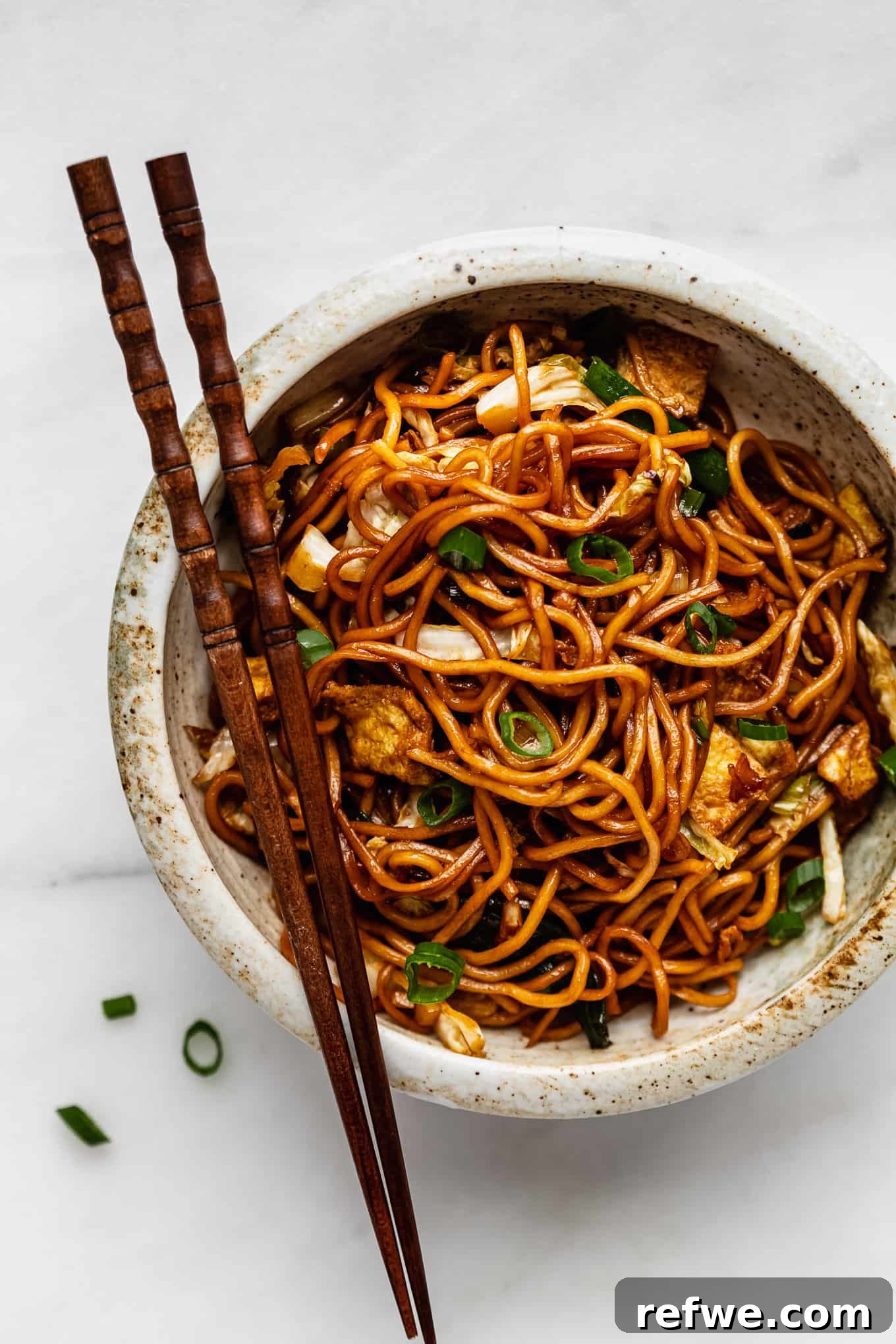
Authentic & Easy Mie Goreng: Your New Favorite Indonesian Fried Noodles Recipe
Embark on a culinary journey to the vibrant streets of Indonesia with this incredible Mie Goreng recipe! This beloved fried noodle dish is a cornerstone of Indonesian street food, renowned for its irresistible blend of sweet, savory, and subtly spicy flavors. What makes this recipe truly special is its incredible simplicity and speed – it comes together in just about 15 minutes, making it the perfect solution for a hearty, flavorful, and satisfying weeknight dinner. Get ready to ditch the takeout and create an authentic taste of Indonesia right in your own kitchen!
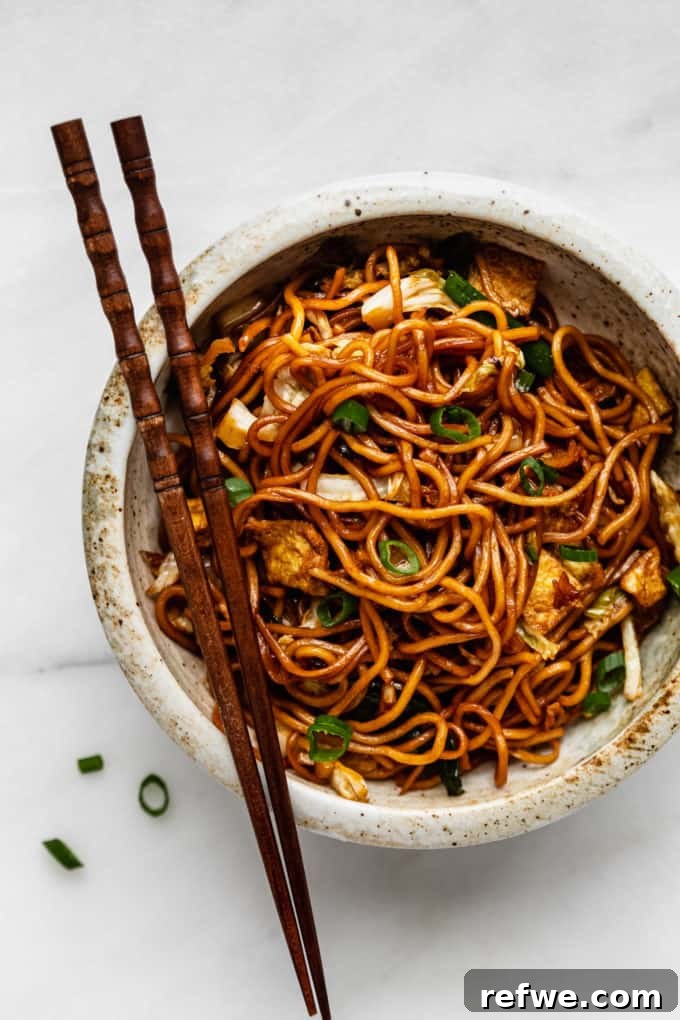
What Exactly Is Mie Goreng?
If you’re a connoisseur of noodle dishes that strike a perfect balance between sweet, savory, and a touch of saltiness, then you are destined to fall in love with Mie Goreng. At its heart, Mie Goreng is an Indonesian stir-fried noodle dish made with readily available ingredients, ensuring a quick and easy meal on your table in mere minutes.
The name “Mie Goreng” directly translates to “fried noodles,” a simple yet accurate description of this dynamic dish. It typically features yellow wheat noodles (such as classic egg noodles or even instant ramen for convenience), fresh cabbage for crunch, scrambled egg for texture and protein, and often includes various proteins like chicken, shrimp, or beef. All these ingredients are tossed together in a rich, aromatic stir-fry sauce that is the true soul of Mie Goreng.
This dish holds an iconic status across Indonesia, widely available everywhere from bustling street food carts and humble warungs to upscale restaurants. While it originated as a popular and accessible street food, its widespread appeal means it transcends all dining categories. While there are similarities to Malaysian Mee Goreng, the Indonesian version boasts its own distinct flavor profile, largely thanks to the unique blend of spices and the crucial use of Kecap Manis, an Indonesian sweet soy sauce.
This particular recipe focuses on a delightful vegetarian rendition, featuring a generous amount of vegetables and eggs. However, its versatility allows for easy customization with any additional protein you might desire.
Why This Mie Goreng Recipe Will Become Your Go-To
Prepare to add this incredible Mie Goreng recipe to your regular rotation for countless reasons:
- Perfect for Busy Weeknights: Say goodbye to lengthy cooking sessions! This entire recipe is prepared efficiently in a single pan or wok, requiring only about 15 minutes from start to finish. This means less time cooking, less time cleaning, and more time enjoying a satisfying meal with your loved ones.
- Endlessly Customizable: The beauty of Mie Goreng lies in its adaptability. You are encouraged to experiment with your favorite vegetables and proteins. For an extra boost of plant-based protein, consider adding crispy tofu or savory tempeh. Craving more greens? Spinach, bok choy, or Chinese broccoli are fantastic additions that add both nutrients and vibrant color.
- Superior to Takeout: Why order expensive, often greasy takeout when you can create a healthier, more flavorful, and incredibly fresh version at home? This homemade Mie Goreng is not only more economical but also allows you to control the ingredients, ensuring a meal that is both delicious and wholesome.
- Explosion of Flavor: The unique blend of sweet, savory, and spicy notes, enhanced by the deep umami of Kecap Manis, creates a complex flavor profile that tantalizes the taste buds. Each bite offers a harmonious balance that is truly addictive.
- Beginner-Friendly: Don’t be intimidated by exotic-sounding dishes! Mie Goreng is surprisingly simple to master, even for novice cooks. The stir-fry method is straightforward, and our step-by-step instructions will guide you to success.
Choosing the Best Noodles for Your Mie Goreng
The foundation of any great noodle dish is, of course, the noodles themselves! Mie Goreng is traditionally crafted with yellow wheat noodles, which bear a resemblance to the noodles commonly used in Chinese stir-fries like Vegetable Lo Mein. The good news is that you have a range of options, from fresh to dried to instant, making this dish accessible no matter what you have on hand or can find at your local grocery store. Here are some excellent choices:
- Chow Mein Noodles: Often labeled as “chow mein noodles” in Asian grocery stores, these yellow wheat noodles are an ideal choice for authentic Mie Goreng. You can find them both dried and fresh. Fresh noodles tend to have a chewier texture and cook very quickly.
- Instant Ramen Noodles: For ultimate convenience and speed, instant ramen noodles are a fantastic substitute. Discard the seasoning packet and simply cook the noodles according to package directions before adding them to your stir-fry. They absorb flavors beautifully and are widely available.
- Spaghetti Noodles: While certainly not traditional, spaghetti is a surprisingly effective pantry staple if you’re in a pinch. Its robust texture holds up well to stir-frying and sauce coating. Just remember to cook them al dente before adding to the pan.
- Rice Ramen Noodles (Gluten-Free Option): If you’re looking to make your Mie Goreng gluten-free, rice ramen noodles are an excellent alternative. They offer a similar texture and absorbency to wheat noodles, ensuring everyone can enjoy this delicious dish.
- Udon Noodles: While thicker than traditional Mie Goreng noodles, udon can also be used for a chewier, heartier version of the dish. Their plump texture makes them incredibly satisfying.
Whichever noodle you choose, ensure they are cooked according to their package instructions, usually to al dente, before adding them to the stir-fry. This prevents them from becoming soggy and allows them to absorb the rich flavors of the sauce perfectly.
Essential Ingredients for a Flavorful Mie Goreng
Crafting the perfect Mie Goreng starts with a thoughtful selection of fresh ingredients and a distinctive sauce. Here’s a breakdown of what you’ll need to bring this Indonesian classic to life:
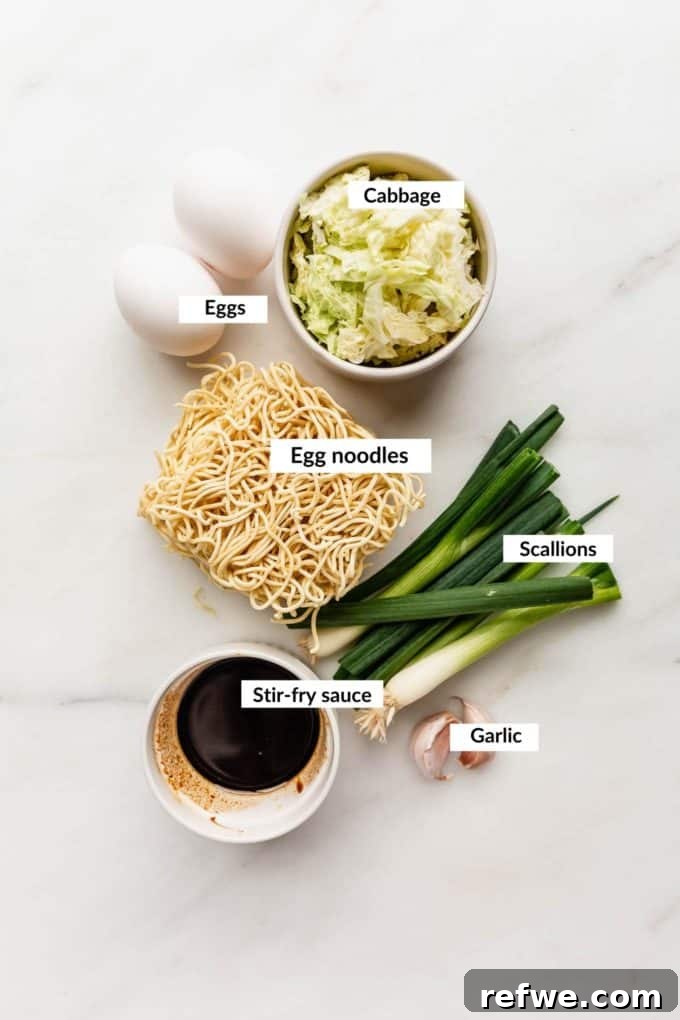
- Noodles: As discussed, choose your preferred type – instant, dried, or fresh egg noodles are traditional and highly recommended. Cook them just before stir-frying to maintain their ideal texture.
- Scallions/Green Onions: These are indispensable! Sautéed scallions bring a distinct aromatic depth and a subtle peppery bite to the stir-fry that regular onions simply can’t replicate. Use both the white and green parts for maximum flavor and visual appeal.
- Garlic: A non-negotiable ingredient in Indonesian cuisine, fresh minced garlic provides a foundational layer of pungent, earthy flavor that elevates the entire dish.
- Cabbage: Whether you opt for common green cabbage or the milder Nappa cabbage, this vegetable adds essential bulk, a pleasant crunch, and a subtle sweetness that complements the rich sauce. It also provides a welcome textural contrast to the soft noodles.
- Egg: While optional, scrambled egg is a hallmark of traditional Mie Goreng. It’s cooked separately, then torn into small, fluffy pieces and mixed into the noodles, adding not only delicious flavor but also a boost of protein and a delightful texture.
- Stir-Fry Sauce: This is where the magic truly happens. Our signature sauce is a harmonious blend designed to deliver that authentic Mie Goreng taste:
- Kecap Manis: The star of the show. This Indonesian sweet soy sauce provides a deep, caramelized sweetness and a thick, syrupy consistency.
- Soy Sauce: Adds a fundamental layer of umami and saltiness, balancing the sweetness of the Kecap Manis.
- Ketchup: A surprising but traditional ingredient that contributes tanginess, a touch of sweetness, and a lovely reddish hue to the sauce.
- Vegetarian Oyster Sauce: Offers a rich, savory, and slightly sweet umami depth without any seafood. Essential for that authentic “wok hei” flavor.
- Sesame Oil: A fragrant finishing oil that imparts a nutty aroma and a glossy sheen to the noodles.
- Sriracha (optional): For those who enjoy a little heat, a dash of Sriracha can be added to the sauce, or served on the side for individual preference.
Understanding and Substituting Kecap Manis (Indonesian Sweet Soy Sauce)
Kecap Manis is more than just an ingredient; it’s a fundamental flavor component in Indonesian cooking, particularly in dishes like Mie Goreng. It gives the noodles their characteristic dark, glossy finish and deeply complex sweet-savory profile.
What exactly is Kecap Manis?
Kecap Manis is a thick, dark, and syrupy sweet soy sauce. Its consistency is often compared to molasses, but its flavor is distinctly different. It’s primarily made from palm sugar, fermented soy sauce, and a blend of aromatic spices, which are slowly reduced to create its rich, caramelized taste. This unique sweetness and umami depth are what make it a signature ingredient in many Indonesian and Malaysian dishes.
You can typically find authentic Kecap Manis at most well-stocked Asian grocery stores. It’s also conveniently available for purchase online through retailers like Amazon.
While highly recommended for the most authentic flavor, if you find yourself without Kecap Manis, don’t despair! Here are several excellent substitutes that will still yield a delicious dish:
- Equal Parts Dark Soy Sauce and Honey: Dark soy sauce provides the color and deep umami, while honey contributes the necessary sweetness and a similar viscosity.
- Equal Parts Regular Soy Sauce and Honey: A good alternative if dark soy sauce isn’t available. You might lose a bit of the deep color, but the flavor will still be fantastic.
- Equal Parts Soy Sauce and Brown Sugar: Brown sugar offers a molasses-like sweetness that closely mimics the palm sugar in Kecap Manis. Mix until the sugar is fully dissolved.
- Hoisin Sauce: This Chinese BBQ sauce offers a sweet, tangy, and savory profile that can stand in for Kecap Manis in a pinch. It’s thicker and has a distinct flavor of its own, but it will still contribute to a delicious stir-fry.
- Molasses and Soy Sauce: A smaller amount of molasses mixed with soy sauce can also work, but use molasses sparingly as its flavor is very strong.
When using a substitute, start with the recommended quantities in the recipe and adjust to your taste, aiming for a balance of sweetness and savoriness.
How to Make Flavorful Mie Goreng: Step-by-Step Instructions
Follow these simple steps to create a mouthwatering plate of Indonesian Fried Noodles in no time!
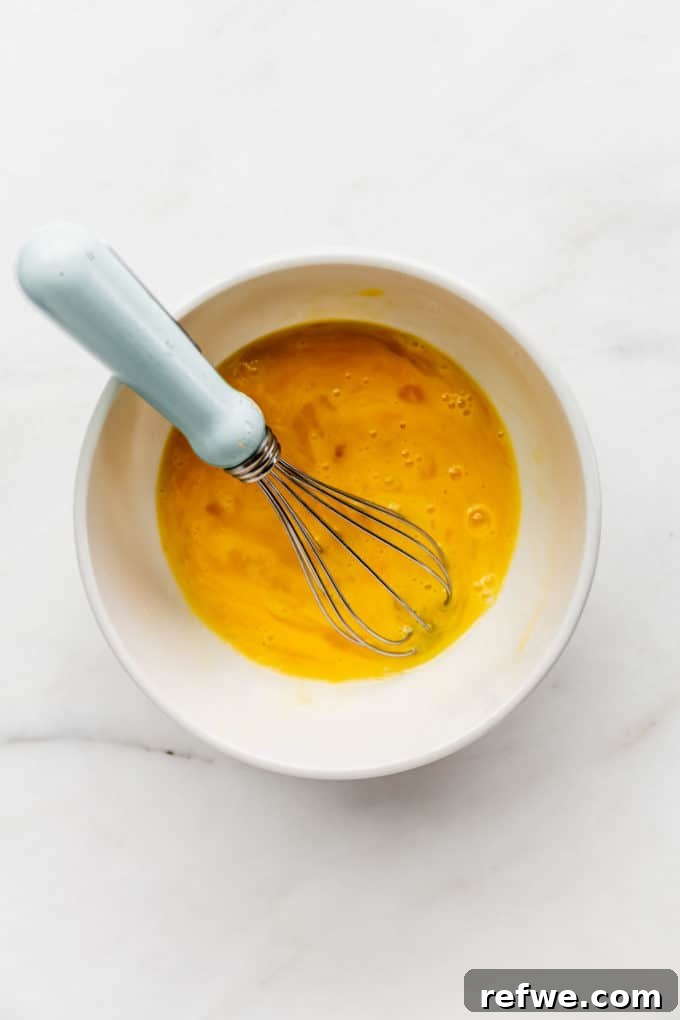
Step 1: Prepare the Eggs
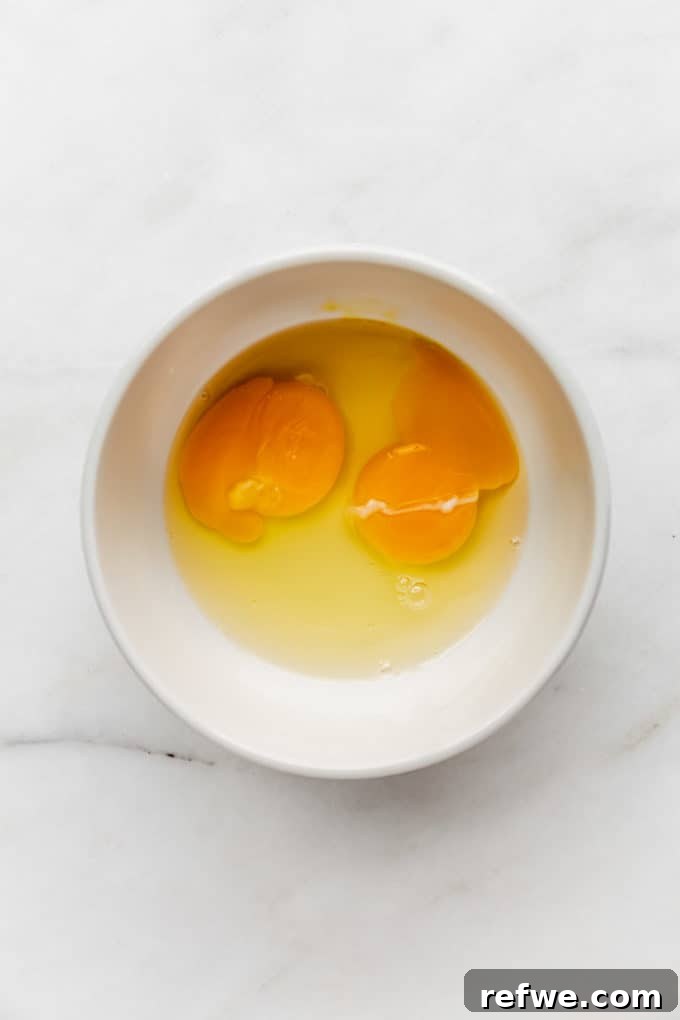
Crack two eggs into a small bowl and whisk them vigorously until the yolks and whites are fully combined and slightly frothy. Whisking ensures a uniform omelette texture, making it easier to cook and integrate into the noodles.
Step 2: Cook the Omelette
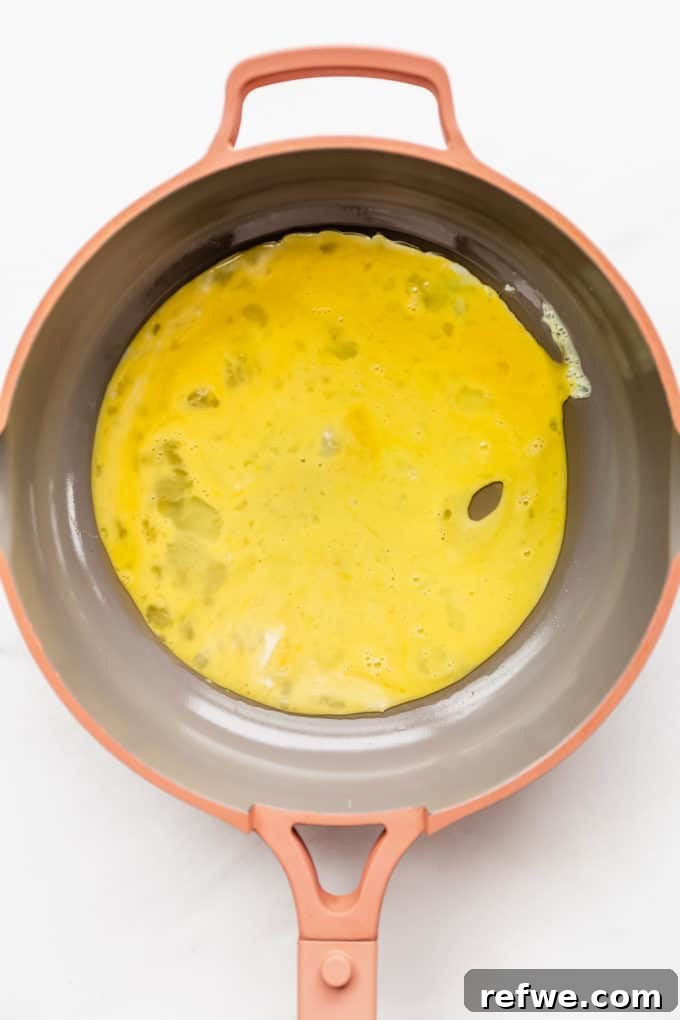
Heat 1 tablespoon of vegetable oil in a large pan or wok over medium-high heat. Once hot, pour the whisked egg mixture into the pan. Quickly swirl the pan to spread the egg thinly and evenly across the base, forming a round omelette. Allow it to cook for 1-2 minutes on each side until it is lightly golden and set.
Chef’s Tip: Don’t stress if the omelette tears when you flip it! Since you’ll be cutting it into smaller pieces anyway, perfection isn’t necessary here. The goal is simply to cook the egg through.

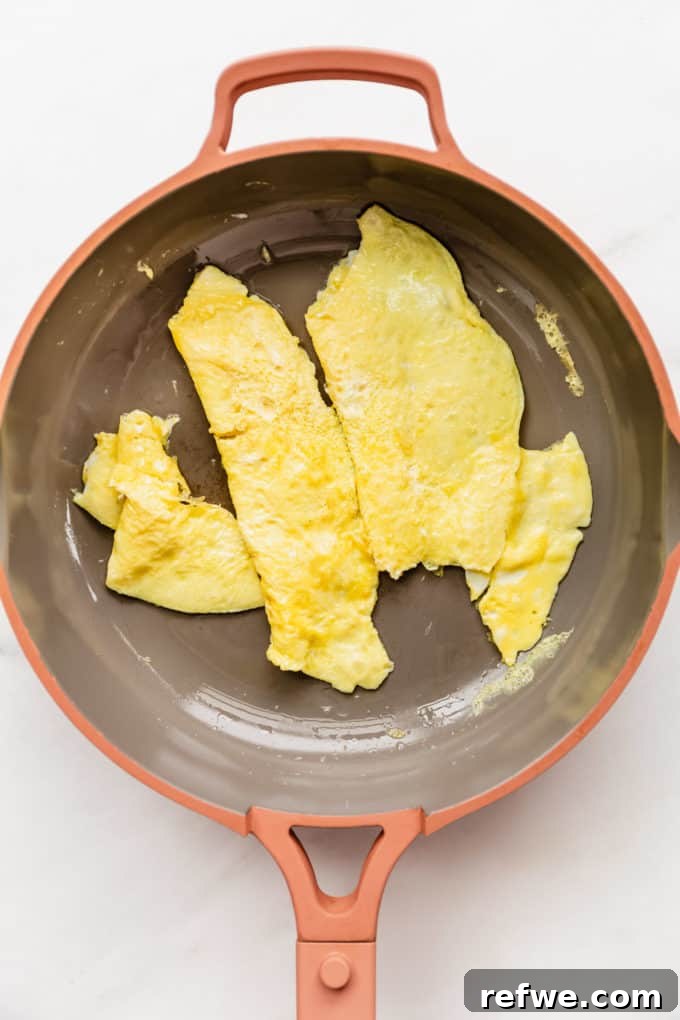
Step 3: Prepare the Omelette Pieces
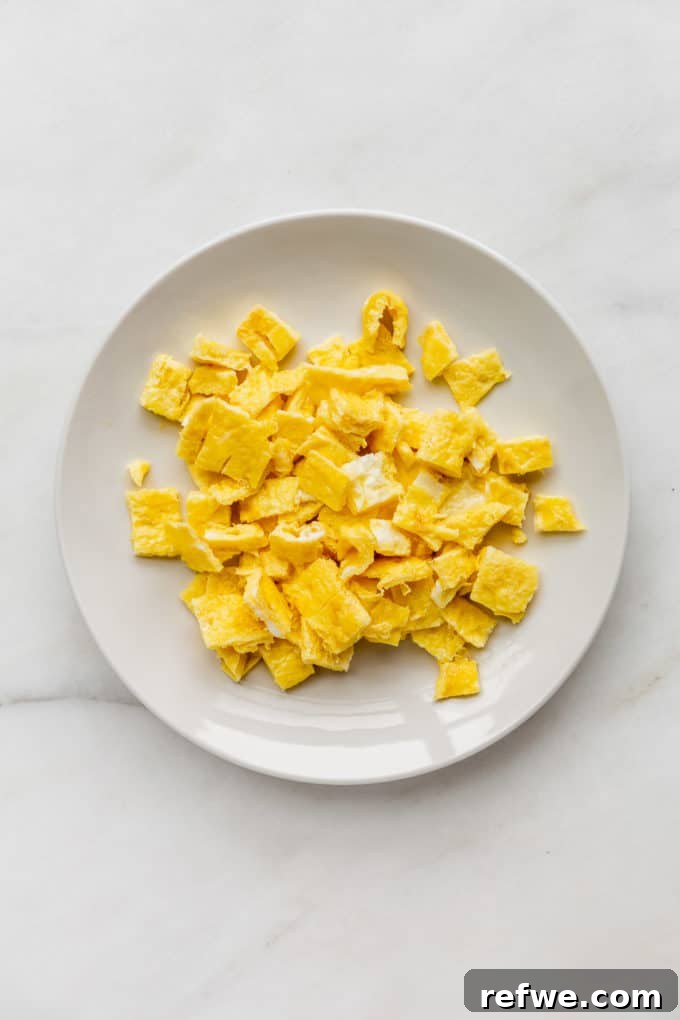
Once your omelette is cooked, carefully remove it from the pan and transfer it to a cutting board. Using a knife, slice it into thin strips or small, bite-sized pieces. These flavorful egg pieces will be added back into the stir-fry later, contributing texture and protein to the finished dish. Set them aside.
Step 4: Sauté Aromatics and Vegetables
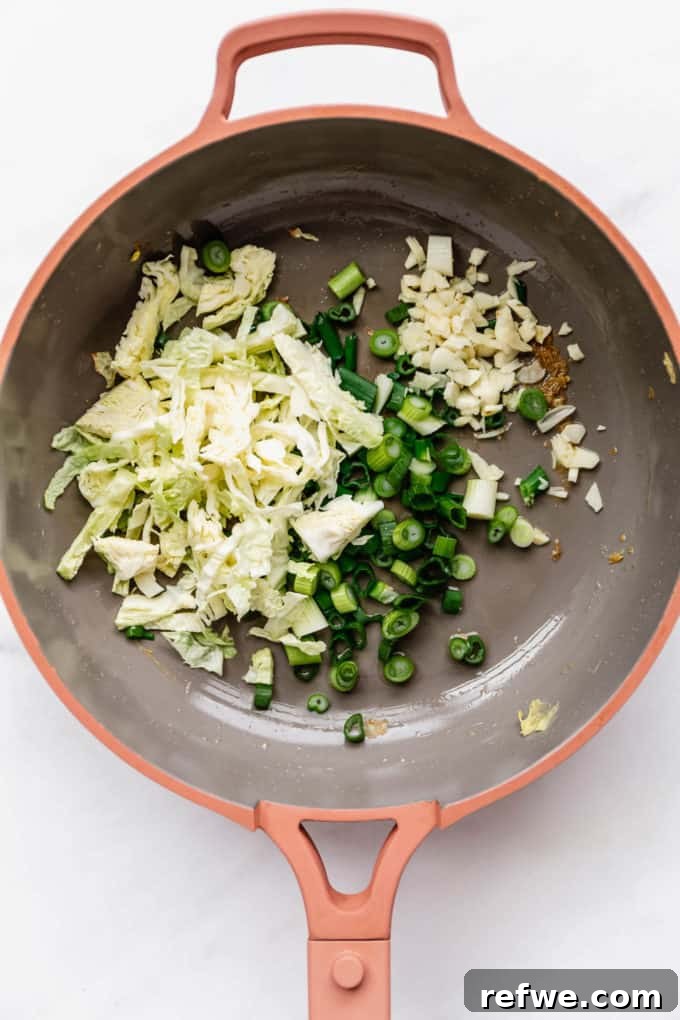
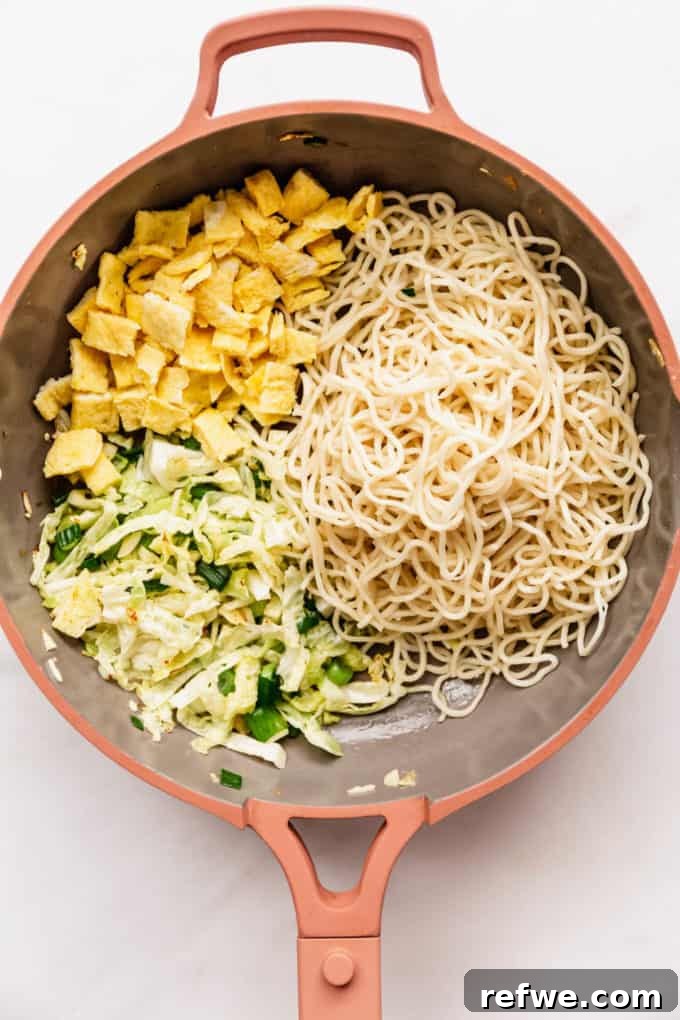
Add the remaining vegetable oil to the same pan or wok and heat it over medium-high heat. Add the chopped scallions (white and light green parts), shredded cabbage, and minced garlic. Sauté these aromatics and vegetables for about 2 minutes, stirring frequently, until they are slightly softened and fragrant. The high heat helps to develop their flavors quickly. Now, add your pre-cooked noodles and the prepared omelette pieces to the pan with the sautéed vegetables.
Step 5: Combine with Stir-Fry Sauce
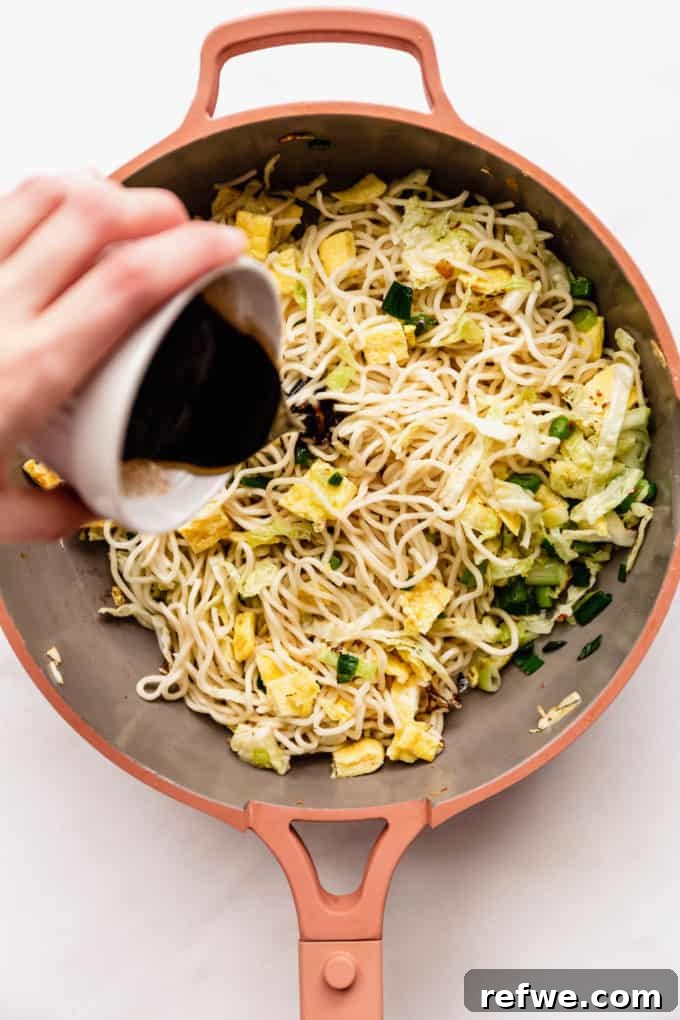
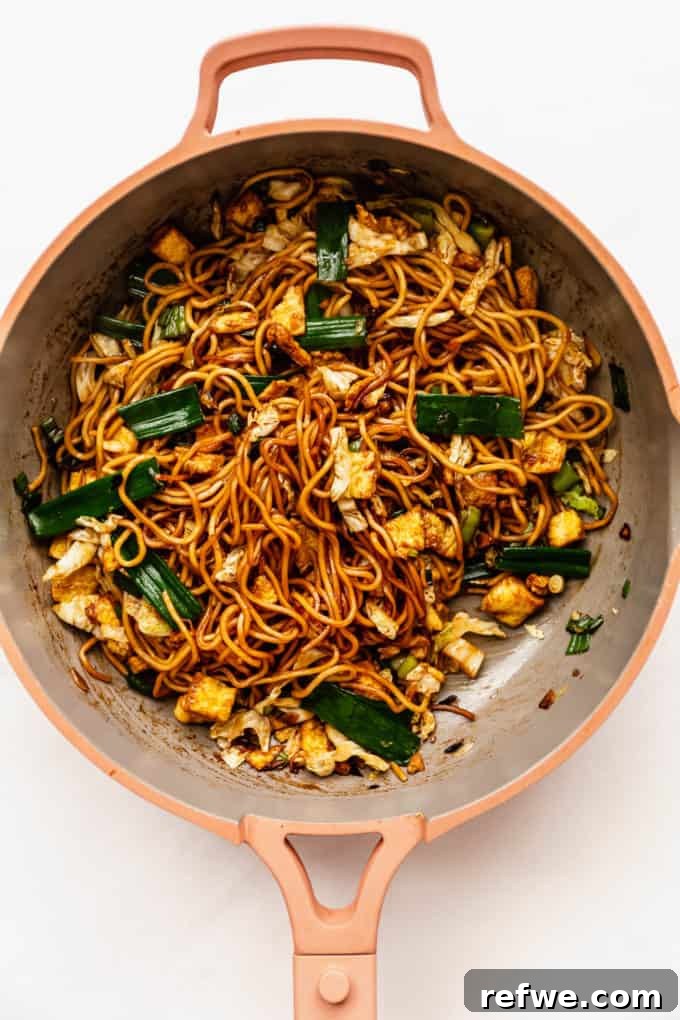
Pour your pre-mixed stir-fry sauce evenly over the noodles, vegetables, and egg in the pan. Using tongs or spatulas, toss and stir everything together vigorously. Continue mixing for 1-2 minutes until all the noodles and ingredients are thoroughly coated in the rich, glossy sauce and heated through. This ensures every bite is packed with flavor.
Step 6: Serve and Enjoy
Remove the pan from the heat immediately. Mie Goreng is best enjoyed piping hot and fresh off the stove to preserve its optimal texture and vibrant flavors. Transfer the noodles to serving bowls and garnish with additional sliced scallions, a sprinkle of fresh chili flakes, or a squeeze of fresh lime juice for an extra zing. Serve it as a complete meal or alongside other Indonesian delights.
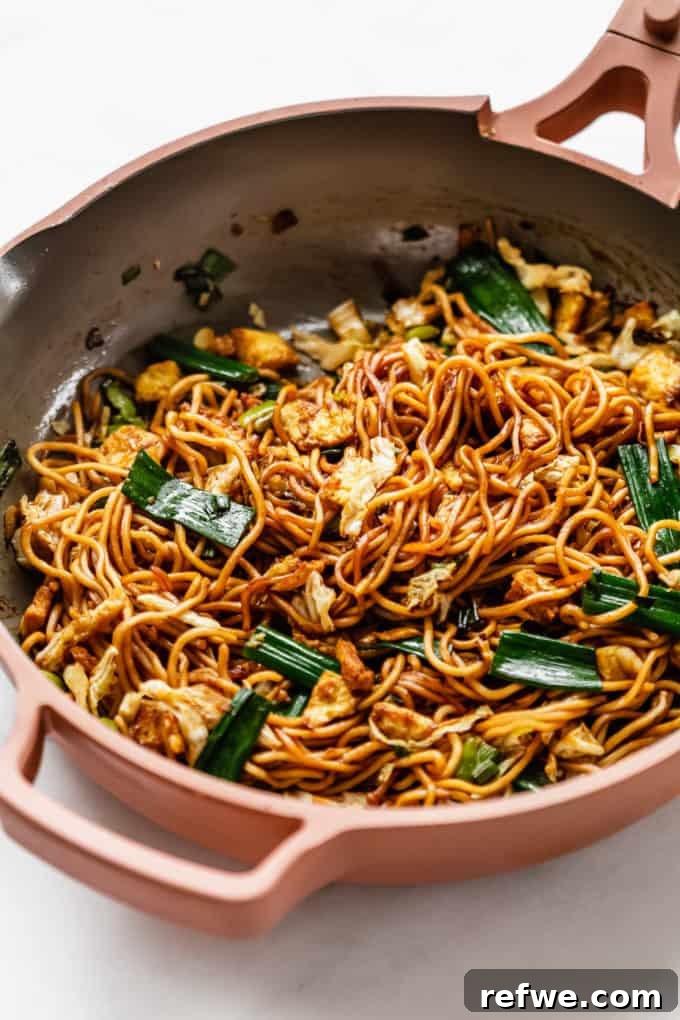
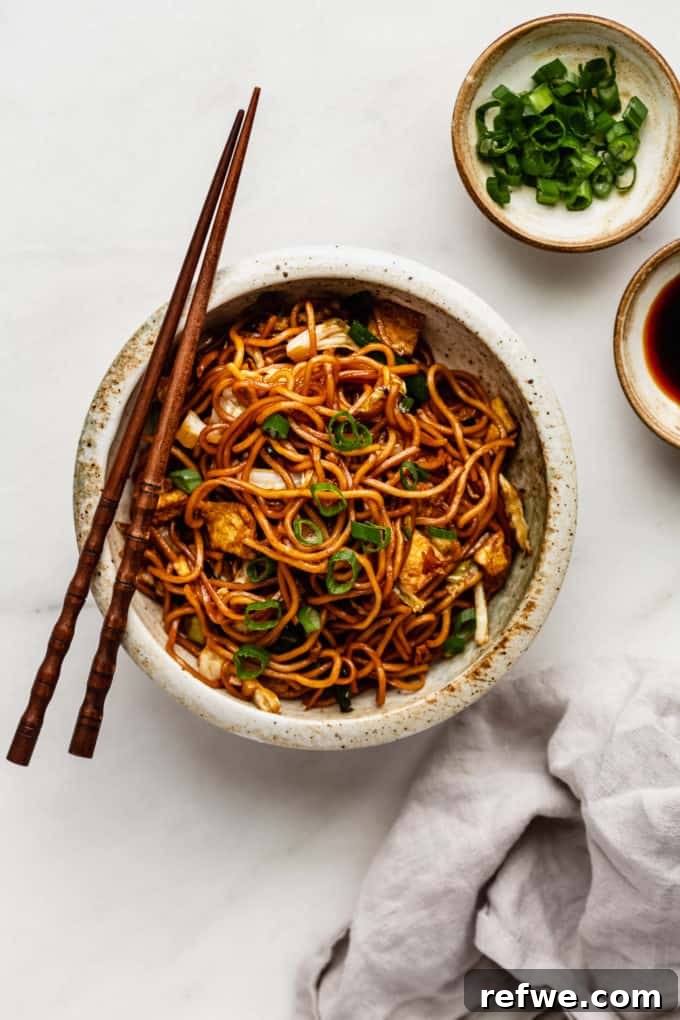
Elevate Your Mie Goreng: Delicious Optional Add-Ins
One of the many joys of cooking Mie Goreng at home is the freedom to customize it to your personal preference. There are countless variations found across Indonesia, and you can easily adapt this recipe with various vegetables and proteins. Here are some popular suggestions to inspire your next stir-fry:
Vegetables to Boost Flavor & Nutrition:
Add any of these during Step 4 with the cabbage and scallions, adjusting cooking time as needed for tenderness:
- Bean Sprouts: For a refreshing crunch and authentic street food feel, add bean sprouts in the last minute of cooking.
- Carrots: Thinly sliced or julienned carrots add a touch of sweetness and vibrant color.
- Red Pepper: Diced red bell pepper contributes a sweet, mild flavor and additional color.
- Garlic Sprouts: If you can find them, garlic sprouts offer a delicate garlic flavor and a unique texture.
- Tomato: Wedges of fresh tomato can be added towards the end for a burst of juicy acidity.
- Mushrooms: Sliced shiitake, oyster, or button mushrooms add an earthy umami depth.
- Chinese Broccoli (Gai Lan): A classic Asian green, it provides a slight bitterness that beautifully balances the sweet sauce.
- Bok Choy: Its tender leaves and crunchy stems are a great addition, offering a mild, fresh taste.
Protein Options for a Heartier Meal:
If adding protein, cook it first in the pan (before the eggs, or after the eggs are removed), then set aside and add back with the noodles and egg in Step 4.
- Tofu: Extra-firm tofu, pressed and cubed, then fried until golden and crispy, is an excellent plant-based option.
- Tempeh: Marinated and pan-fried tempeh offers a nutty flavor and satisfying texture.
- Shrimp/Prawns: Quick-cooking shrimp are a popular choice, adding a sweet, succulent seafood element.
- Chicken: Sliced chicken breast or thigh, marinated and stir-fried, is a classic protein addition.
- Beef: Thinly sliced beef, tenderized and quickly stir-fried, can also be a delicious choice.
- Pork: Sliced pork belly or tenderloin adds richness and flavor.
Storing and Reheating Your Delicious Mie Goreng
Leftover Mie Goreng is a rare commodity, but should you have any, it’s easily stored and reheated for another quick meal.
Storage: Any leftover Mie Goreng noodles should be transferred to an airtight container and stored in the refrigerator for up to 3 days. It’s important to note that this recipe does not freeze well. The noodles tend to become mushy and the texture can significantly degrade upon thawing, so freezing is not recommended.
Reheating: To best enjoy your leftover noodles, you have a couple of options:
- Stovetop Method: The preferred method for reheating. Simply add your noodles to a pan or wok and stir-fry them over medium heat for a few minutes until heated through. This method helps to revive some of the texture.
- Microwave Method: For a quicker reheat, place the noodles in a microwave-safe dish and warm them up in the microwave in 1-minute intervals, stirring in between, until hot.
Pro Tip for Reheating: If you find the noodles have clumped together or dried out a bit after refrigeration, add a small splash of water or vegetable broth to the pan or microwave dish when heating them up. This will help to loosen them, prevent sticking, and bring back a bit of moisture, making them easier to toss and enjoy.
Expert Tips for Crafting the Perfect Mie Goreng
Achieving restaurant-quality Mie Goreng at home is simpler than you think with these helpful tips:
- Prepare the Stir-Fry Sauce First: This is a golden rule for all stir-fries. Before you even turn on the heat, measure and mix all your sauce ingredients in a bowl. This crucial step ensures that when it’s time to add the sauce, you can do so quickly and efficiently, preventing your vegetables and noodles from overcooking. It also guarantees an even distribution of flavor throughout the dish.
- If You Have a Wok, Use It: While a large pan will certainly get the job done, a wok is the ideal vessel for stir-frying. Its sloped sides and high heat retention allow for quick, even cooking and create that desirable “wok hei” – a smoky, charred flavor that is a hallmark of authentic stir-fries. The shape also makes tossing ingredients much easier.
- Cook Proteins Before the Noodles: If you’re incorporating chicken, shrimp, tofu, or tempeh, cook your chosen protein first until it’s nearly done. Remove it from the pan, then proceed with the vegetables and noodles. Add the protein back into the wok during the final step along with the sauce. This prevents overcooking and ensures perfectly tender protein.
- Serve Immediately: Stir-fried noodles are at their absolute best when served hot and fresh. As they cool, noodles can start to clump together and lose their ideal texture. For the ultimate enjoyment, gather everyone at the table before the last toss, and serve your Mie Goreng right off the stove.
- Don’t Overcrowd the Pan: For a truly great stir-fry, it’s essential to cook in batches if your pan isn’t large enough. Overcrowding lowers the pan’s temperature, steaming the ingredients instead of stir-frying them, which can lead to soggy noodles and vegetables. Ensure there’s enough space for ingredients to make direct contact with the hot surface.
- Have Everything Prepped (Mise en Place): Stir-frying is a very fast cooking method. Once you start, there’s no time to chop. Ensure all your vegetables are chopped, garlic minced, noodles cooked, and sauce mixed before you begin cooking. This preparation will make the cooking process smooth and stress-free.
Mie Goreng Frequently Asked Questions
Mie Goreng offers a complex and incredibly addictive flavor profile that is sweet, salty, and savory, often with a hint of spiciness. The dominant notes come from the sweet soy sauce (Kecap Manis), balanced by savory soy sauce, a touch of tangy ketchup, and aromatic garlic and scallions. It’s a harmonious blend that keeps you coming back for more!
While takeout versions of Mie Goreng can sometimes be laden with excessive oils and sugars, making it at home gives you complete control over the ingredients. This homemade version is significantly healthier, allowing you to moderate oil, sugar, and sodium content, making it a wonderful part of a balanced and nutritious diet.
Mie Goreng originates from Indonesia, where it is a tremendously popular and iconic dish. It’s enjoyed across the archipelago and variations can be found throughout Southeast Asia, each region adding its unique touch to this beloved fried noodle classic.
Mie Goreng is substantial enough to be enjoyed as a complete meal on its own. However, it also pairs wonderfully with other Asian dishes served family-style. Consider serving it alongside a refreshing Thai Mango Salad, light and fresh Rice Paper Spring Rolls, or a flavorful Vegetarian Mapo Tofu for a more elaborate feast.
Absolutely! To make this Mie Goreng recipe vegan, simply omit the egg. You can substitute the egg with scrambled tofu or increase the amount of vegetables or other plant-based proteins to maintain the dish’s heartiness.
A large wok is ideal for stir-frying due to its high heat retention and sloped sides that make tossing ingredients easy. If you don’t have a wok, a large, heavy-bottomed skillet or a cast-iron pan will also work well. The key is to use a pan that can get very hot and accommodate all your ingredients without overcrowding.
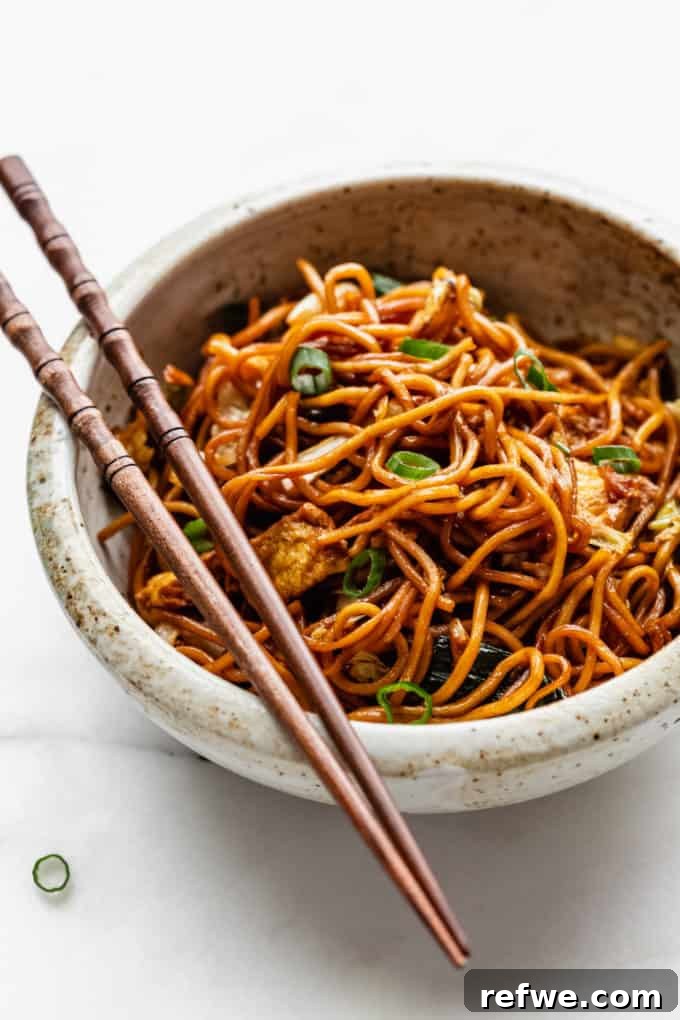
More Delicious Noodle Recipes to Explore
If you loved this Mie Goreng, be sure to explore more fantastic noodle dishes that are quick, easy, and packed with flavor:
- Yaki Udon
- Ramen Noodle Stir Fry
- Life-Changing Peanut Butter Noodles
- Thai Drunken Noodles
- Teriyaki Noodles
- Sesame Ginger Noodles
If you tried this Mie Goreng or any other recipe on the blog, please let us know how you liked it by leaving a comment and rating below! We love hearing from you. Be sure to follow along on Pinterest, Instagram, and Facebook for even more deliciousness and culinary inspiration!
Mie Goreng (Indonesian Fried Noodles)
5 from 1 review
- Author: Jessica Hoffman
- Prep Time: 5 minutes
- Cook Time: 10 minutes
- Total Time: 15 minutes
- Yield: 4 servings
- Category: Main
- Method: Stir-fry
- Cuisine: Indonesian
- Diet: Vegetarian
Description
Mie Goreng, packed with authentic flavor and ready in just 15 minutes, will quickly become your new favorite weeknight meal!
Ingredients
Units
For the Stir Fry
- 2 tbsp vegetable oil
- 2 eggs
- 1/3 cup shredded cabbage
- 4 scallions, chopped
- 3 garlic cloves, chopped
- 400 grams of egg noodles or ramen noodles, cooked according to package directions.
For the Stir Fry Sauce
- 2 tbsp Kecap Manis (sweet soy sauce)* (see notes for substitutes)
- 2 tbsp soy sauce
- 2 tbsp ketchup
- 1 tbsp vegetarian oyster sauce
- 1 tbsp sesame oil
- 1 tsp sriracha (optional, for heat)
Instructions
- In a small bowl, mix all the stir-fry sauce ingredients until well combined. Set aside.
- Heat 1 tbsp of vegetable oil in a large pan or wok over medium-high heat. Whisk the eggs in a bowl, then pour them into the hot pan, tilting to spread evenly into a thin omelette. Cook for 1-2 minutes per side until set. (Don’t worry if it breaks when you flip it, as it will be chopped).
- Remove the cooked omelette from the pan and cut it into small strips or pieces. Set aside.
- Heat the remaining 1 tbsp of oil in the same pan over medium-high heat. Add the chopped scallions (white and light green parts), shredded cabbage, and minced garlic. Sauté for 2 minutes until fragrant and slightly softened.
- Add the cooked noodles and the prepared omelette pieces back to the pan with the sautéed vegetables. Toss everything together to combine.
- Pour the pre-mixed stir-fry sauce into the pan. Continue to toss and stir vigorously until all the noodles and ingredients are thoroughly coated in the sauce and heated through.
- Remove from heat and serve immediately, garnished with additional scallions, chili, or lime wedges if desired.
Notes
*You can substitute Kecap Manis with equal parts dark or light soy sauce and honey, dark or light soy sauce and brown sugar, or even hoisin sauce. Adjust to your preferred level of sweetness and saltiness.
To make this recipe vegan, simply omit the egg entirely. You can also add scrambled firm tofu as a plant-based protein alternative.
Feel free to add any proteins you love, such as chicken, shrimp, or more tofu/tempeh, to this recipe. Cook the proteins first until nearly done, then remove from the pan before adding vegetables, and reintroduce with the noodles in step 5.
Store any leftovers in an airtight container in the refrigerator for up to 3 days. Reheat on the stovetop or in the microwave, adding a splash of water or broth if the noodles seem dry.
Nutrition
- Serving Size: 1/4 of the recipe
- Calories: 430
- Sugar: 4.2g
- Fat: 14.5g
- Saturated Fat: 2g
- Carbohydrates: 58g
- Fiber: 1.5g
- Protein: 14.7g