
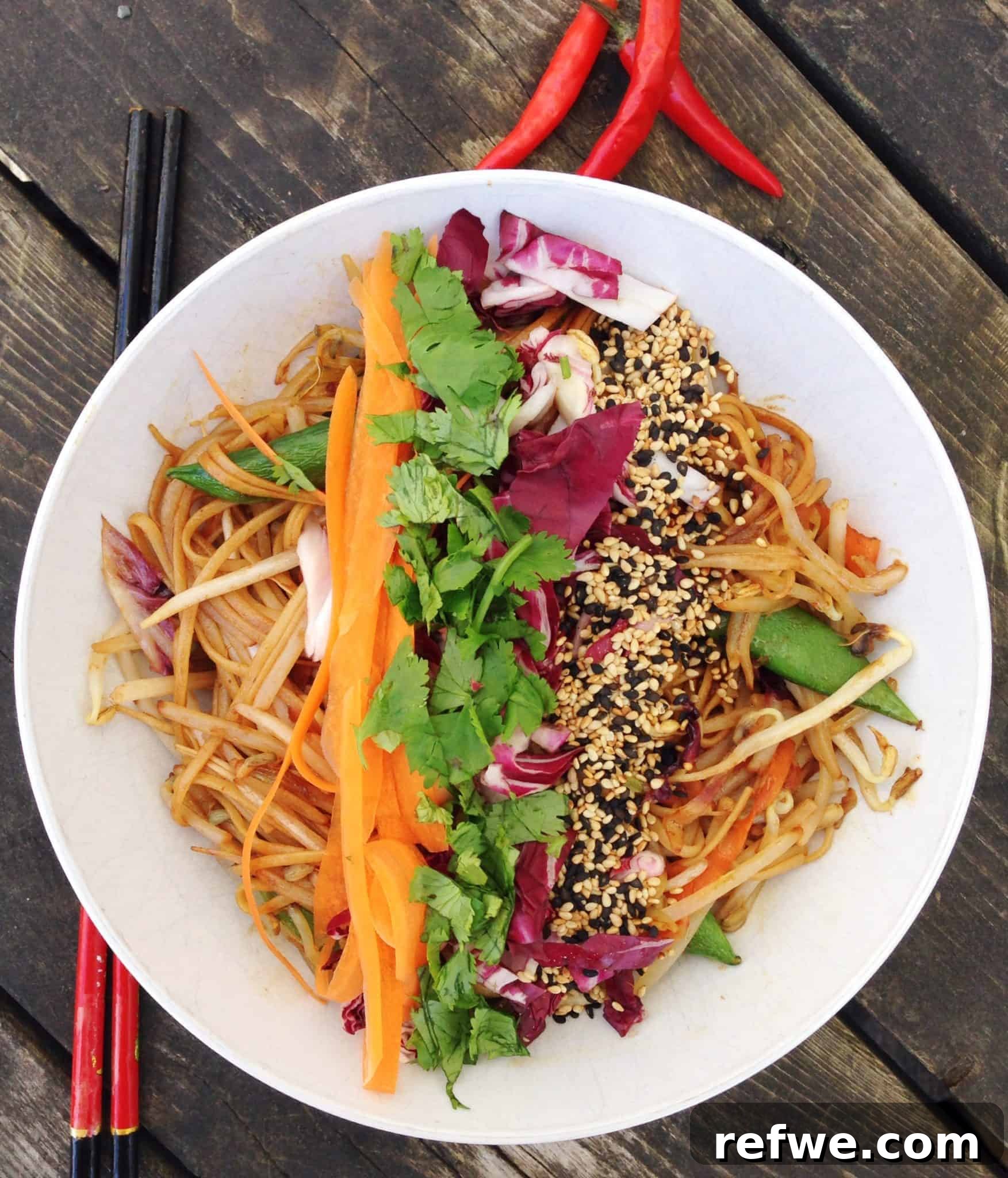
Healthy Pad Thai: A Nutritious and Flavorful Homemade Delight
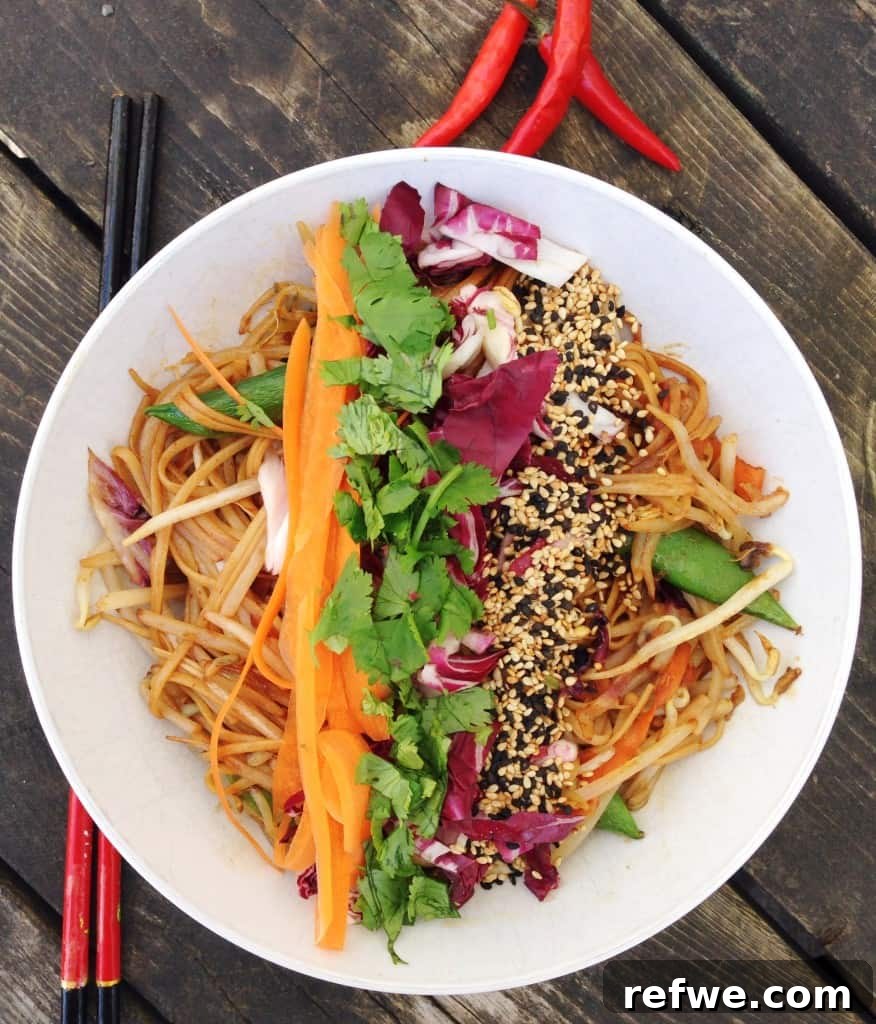
Pad Thai has always held a special place in my heart, a vibrant symphony of flavors that instantly transports me to the bustling streets of Thailand. It’s truly one of my all-time favorite dishes, a cornerstone in my culinary repertoire. However, the joy of ordering Pad Thai at many restaurants often comes with a hidden caveat: it’s typically far from a healthy option, laden with excessive oils, sugars, and sodium. This realization sparked a quest to recreate this beloved classic in a way that aligns with a healthy lifestyle without compromising on its iconic taste.
My culinary journey took an exciting turn during a recent trip to Thailand, where I had the incredible opportunity to immerse myself in local cooking classes. Learning directly from Thai cooks how Pad Thai is traditionally prepared was an eye-opening experience. It wasn’t just about mastering a recipe; it was about understanding the cultural nuances and the heart poured into every dish. This authentic experience deepened my appreciation for Thai cuisine and inspired me to bring those genuine flavors into my kitchen in a wholesome way. This “Healthy Pad Thai” recipe is the delicious culmination of that journey, capturing all the exquisite tastes of Thailand while significantly boosting its nutritional value.
The Essence of Pad Thai: A Symphony of Flavors
The magic of an exceptional Pad Thai, whether traditional or a healthier adaptation, lies in its perfectly balanced flavor profile. Achieving that quintessential Thai taste requires a harmonious interplay of salty, sweet, sour, and spicy notes. This delicate balance is paramount and is what truly distinguishes a great Pad Thai from an ordinary one. In classic Thai cooking, this intricate flavor harmony is achieved through key ingredients like fish sauce for saltiness and umami, a touch of sugar (traditionally palm sugar, here we use honey for a healthier twist) for sweetness, fresh lime juice for that essential sour tang, and fiery Thai chilies to provide a delightful kick. My healthy rendition meticulously respects this traditional flavor foundation, ensuring every forkful delivers that authentic Thai experience you crave.
Beyond taste, this recipe focuses heavily on nutrient density. I believe in maximizing the goodness in every meal, which is why I generously load my Healthy Pad Thai with an abundance of fresh vegetables. These vibrant additions not only enhance the dish’s nutritional value but also add delightful textures and colors, making each serving a feast for both the eyes and the palate. From crisp carrots to tender snap peas, every veggie contributes to a wholesome and satisfying meal, transforming a typically indulgent dish into a guilt-free pleasure.
Why Choose This Healthy Pad Thai Recipe?
In a world where convenience often trumps nutrition, this healthy Pad Thai stands out as a beacon of flavor and wellness. Many restaurant versions of this beloved Thai noodle dish, while undeniably delicious, often come loaded with excessive amounts of oil, sugar, and sodium, turning a potentially wholesome meal into an occasional indulgence. My goal with this recipe was to capture the authentic, complex flavors of traditional Pad Thai while making it a regular, guilt-free staple in your home. By opting for nutrient-dense ingredients and mindful cooking techniques, we transform this classic into a meal that nourishes your body without sacrificing an ounce of taste.
The Power of Fresh Vegetables in Pad Thai
One of the easiest ways to boost the health factor of any dish is to pack it with fresh vegetables, and Pad Thai is no exception. This recipe calls for a generous helping of shredded carrots, crisp snap peas, fresh bean sprouts, and aromatic garlic chives. These aren’t just for show; they contribute essential vitamins, minerals, and dietary fiber, making your meal more satisfying and beneficial. Feel free to get creative and add other vibrant vegetables you love, such as thinly sliced bell peppers for sweetness, broccoli florets for an extra crunch, or even some sautéed mushrooms for an earthy depth. The more color on your plate, the more diverse the nutrients!
Smart Ingredient Swaps for a Healthier Dish
Achieving a healthier Pad Thai doesn’t mean reinventing the wheel; it means making smart, intentional choices with ingredients. Instead of conventional rice noodles, we opt for brown rice noodles, offering a higher fiber content and a more sustained energy release. For cooking, avocado oil or sunflower oil provides a healthy fat source with a high smoke point, ideal for stir-frying. And for that crucial sweet element, honey serves as a natural alternative to refined sugars, offering a nuanced sweetness that complements the other flavors beautifully. The cornerstone of the sauce, fish sauce, remains for its irreplaceable umami depth, while fresh lime juice delivers a bright, zesty finish. These thoughtful substitutions ensure you enjoy all the robust flavors of Pad Thai with added health benefits.
Want more healthy recipes delivered to your inbox? Sign up for our newsletter and get this recipe along with weekly healthy meal ideas!
Print Recipe
Healthy Pad Thai
-
Author:
Jess -
Prep Time:
10 mins -
Cook Time:
5 mins -
Total Time:
15 mins -
Yield:
2 servings -
Category:
Main Dish, Asian -
Method:
Stir-fry, Quick Cook -
Cuisine:
Thai
Description
This healthy Pad Thai recipe is a quick and satisfying stir-fry featuring tender brown rice noodles, an abundance of fresh vegetables, and a perfectly balanced sweet, sour, salty, and spicy sauce. Inspired by traditional Thai cooking methods and adjusted for a lighter, more nutritious meal, it’s perfect for a speedy weeknight dinner that doesn’t compromise on flavor or health.
Ingredients
- 5 ounces brown rice noodles
- 1/2 cup shredded carrots
- 1/2 cup snap peas
- 1/4 cup garlic chives, roughly chopped (or green onions)
- 1 cup bean sprouts
- 1/4 cup fresh cilantro, roughly chopped
- 2 tbsp crushed peanuts, for garnish
- 1 tbsp avocado oil (or sunflower oil)
- For the Sauce:
- 1 1/2 tbsp fish sauce
- 1 1/2 tbsp honey (or maple syrup for a vegan alternative)
- 1 tbsp oyster sauce (optional; use mushroom sauce or soy sauce for vegan)
- Juice of 1/2 lime, plus extra wedges for serving
- 1 Thai chili, finely chopped (adjust to your preferred spice level, or use sriracha)
Instructions
- Prepare Noodles: Place brown rice noodles in a large bowl. Cover them completely with warm water and let them soak for 5-10 minutes, or until they become pliable but are still slightly firm to the bite. This prevents them from becoming mushy during the stir-frying process. Drain the noodles thoroughly in a colander.
- Stir-fry Noodles: Heat the avocado oil in a large skillet or wok over medium-high heat until shimmering. Add the soaked and drained noodles to the hot pan and stir-fry for about 1 minute, using tongs or a spatula to separate the strands and ensure even cooking.
- Add Vegetables: Incorporate the shredded carrots, snap peas, garlic chives (or green onions), and bean sprouts into the skillet. Continue to cook for another minute, tossing all the ingredients together vigorously until the vegetables are slightly tender-crisp but still retain a vibrant color and crunch.
- Combine with Sauce: Pour the prepared sauce (which includes fish sauce, honey, oyster sauce, lime juice, and chopped chili) evenly over the noodles and vegetables. Toss everything together, ensuring all ingredients are thoroughly coated in the flavorful sauce. Cook for an additional 1-2 minutes, allowing the sauce to thicken slightly and cling beautifully to the noodles.
- Finish with Cilantro: Remove the skillet from the heat. Stir in the fresh cilantro, gently folding it into the Pad Thai until just combined. The residual heat will slightly wilt the cilantro, releasing its aroma.
- Serve: Carefully transfer the Healthy Pad Thai to a large serving plate or individual bowls. Garnish generously with crushed peanuts for added texture and a refreshing squeeze of fresh lime juice just before serving. Enjoy this delicious and nutritious homemade Thai delight immediately!
Nutrition Facts
- Serving Size: 1/2 recipe
- Calories: 358 kcal
- Sugar: 20g
- Fat: 11g
- Saturated Fat: 2g
- Carbohydrates: 58g
- Fiber: 5g
- Protein: 13g
- *Nutrition information is an estimate and may vary based on specific ingredients and preparation methods.
Tips for the Perfect Healthy Pad Thai
- Garlic Chives vs. Spring Onions: Garlic chives offer a distinct, subtle garlicky flavor that works wonderfully in Pad Thai. However, if they are hard to find in your local grocery store, spring onions (also known as green onions or scallions) make an excellent and readily available substitute. They provide a milder oniony kick that complements the dish beautifully.
- Taste and Adjust: Before transferring your Healthy Pad Thai to a plate, always take a moment to taste it. The beauty of homemade cooking is the ability to customize flavors to your personal preference! If you prefer a bolder spice, don’t be shy to add a pinch more finely chopped Thai chili or a dash of sriracha. If it needs more tang, another squeeze of fresh lime will do the trick. A little more fish sauce can enhance the savory umami depth, and a touch more honey can balance the sweetness.
- Protein Power-Up: This recipe provides a fantastic vegetarian base, but feel free to boost its protein content for a heartier meal. Add thinly sliced chicken breast, succulent shrimp, cubed firm tofu, or even scrambled eggs during the stir-frying process. Cook your chosen protein until almost done before adding the noodles and vegetables, then combine everything at the end.
- Vegan Adaptations: For a completely vegan Pad Thai, some simple substitutions can be made. Replace fish sauce with a high-quality vegetarian fish sauce alternative or tamari/soy sauce. Omit oyster sauce, or opt for a vegetarian mushroom-based oyster sauce to maintain that rich umami flavor. Ensure your chosen brown rice noodles are certified vegan. Maple syrup can also be used in place of honey for the sweetener.
- Noodle Perfection: The key to achieving perfectly chewy and non-mushy Pad Thai noodles is not to overcook them during the soaking stage. Soaking them until pliable but still slightly firm prevents them from becoming waterlogged. They will continue to cook briefly in the hot wok, reaching ideal tenderness.
Why This Recipe is a Weeknight Winner
Beyond its delicious taste and impressive nutritional profile, this Healthy Pad Thai shines as an ideal weeknight meal. With just 10 minutes of active prep and a mere 5 minutes of cook time, it’s significantly faster than ordering takeout and infinitely more rewarding. It’s a fantastic way to introduce fresh, vibrant flavors into your routine, providing a wholesome alternative to heavier meals without sacrificing the comfort and satisfaction of a hearty noodle dish. Plus, by making it yourself, you have full control over the ingredients, ensuring quality and catering to any dietary preferences or restrictions. Embrace the joy of cooking and bring the authentic taste of Thailand into your home with this easy, healthy, and incredibly flavorful recipe. Your taste buds and your body will thank you!