
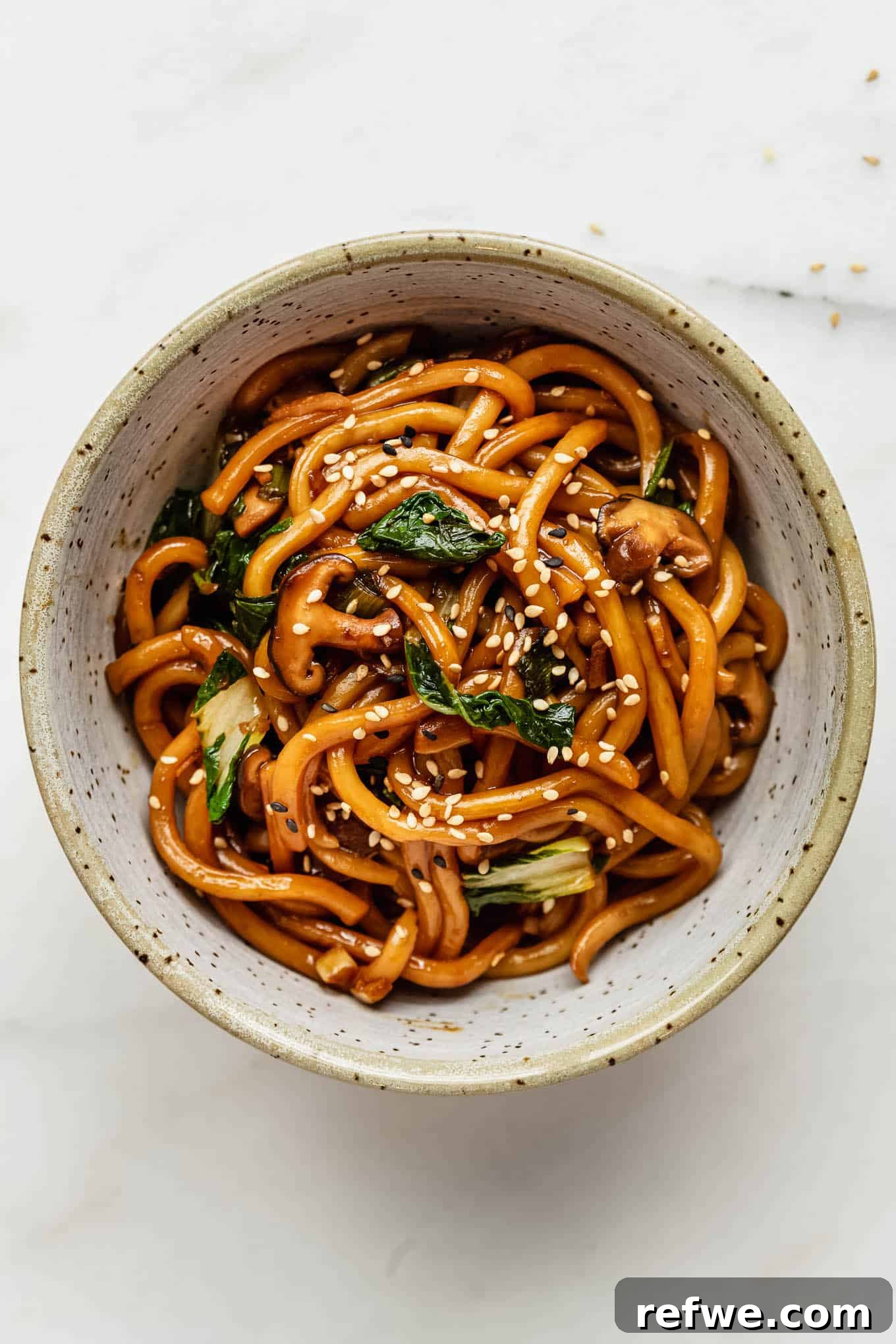
Yaki Udon is a wonderfully satisfying and incredibly fast Japanese stir-fried noodle dish that brings the vibrant flavors of an Izakaya (Japanese pub) directly to your kitchen. Perfect for those busy weeknights when you need a wholesome, flavorful meal on the table in just 15 minutes, this recipe guarantees a taste experience far superior to any takeout. Get ready to master the art of homemade udon stir-fry, a dish that’s as easy to prepare as it is delightful to devour.
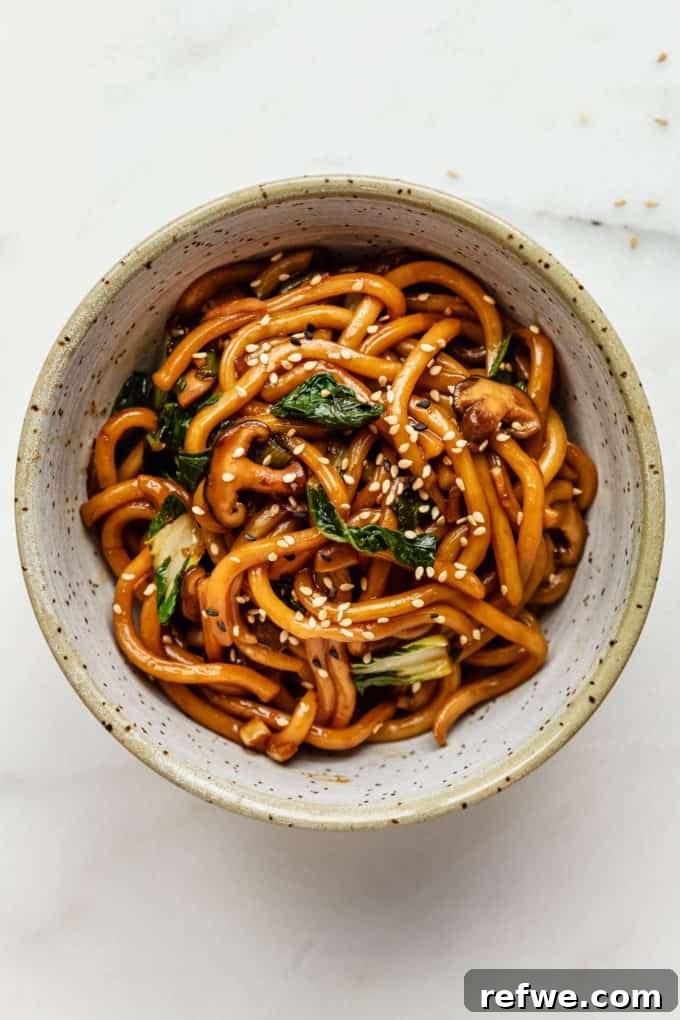
What Exactly is Yaki Udon Stir-Fry?
Originating from Japan, “Yaki Udon” literally translates to “fried udon.” It’s a classic Japanese stir-fried noodle dish featuring thick, chewy udon noodles tossed with a rich, savory, soy-based sauce and an assortment of fresh vegetables. While often found on menus in Izakayas alongside other popular dishes like yakisoba, Yaki Udon distinguishes itself with its signature udon noodles. These robust, wheat-flour noodles boast a unique ‘slurpable’ and springy texture that makes them incredibly satisfying in a stir-fry. Our vegetarian version focuses on vibrant vegetables and an umami-packed sauce, ensuring a deeply flavorful experience without needing any meat.
Unlike thinner ramen or soba noodles, udon noodles are known for their substantial bite and smooth, slightly elastic quality. This makes them excellent at absorbing the delicious stir-fry sauce, delivering an explosion of flavor in every mouthful. The simplicity of Yaki Udon, combined with its profound flavor, makes it a favorite among Japanese comfort foods. Whether you’re a seasoned chef or a beginner in the kitchen, Yaki Udon is an accessible and rewarding dish that promises maximum flavor with minimal effort.
Why This Yaki Udon Recipe Will Become Your New Go-To
- Effortless Weeknight Dinner: Bid farewell to stressful cooking! This recipe is engineered for speed, allowing you to whip up a gourmet-quality meal in a mere 15 minutes, making it perfect for even the busiest evenings. Cleanup is also minimal, thanks to the one-pan nature of the stir-fry, which simplifies post-dinner chores.
- Infinitely Customizable: This Yaki Udon serves as a fantastic base for creativity. While our recipe is vegetarian, it’s incredibly versatile. Easily swap or add your favorite vegetables, such as bell peppers, carrots, or snap peas. For an extra protein boost, consider incorporating pan-fried tofu, succulent shrimp, tender chicken, or thinly sliced beef to tailor it perfectly to your preferences and dietary needs.
- Superior to Takeout: Why order in when you can create a healthier, more cost-effective, and undeniably more delicious version at home? When you cook Yaki Udon yourself, you control the ingredients, ensuring freshness and quality, all while saving money and savoring superior, authentic flavors. Plus, it’s often faster than waiting for delivery!
- Nutritious & Wholesome: Packed with fresh, nutrient-dense vegetables and a balanced sauce, this Yaki Udon is a wholesome meal option. It provides essential vitamins, minerals, and fiber from the vegetables, coupled with a satisfying carb base from the udon noodles to keep you energized and full.
- Beginner-Friendly: With straightforward steps and common ingredients, this recipe is perfect for those new to Asian cooking or stir-frying. Achieve impressive results with ease and confidence, making it a great entry point into Japanese cuisine.
Understanding Udon Noodles: Your Guide to Buying the Best
The star of our dish is, of course, the udon noodle. These distinctive Japanese noodles are crafted from wheat flour, water, and salt, resulting in their characteristic thick, chewy, and somewhat elastic texture. Finding the right udon noodles is key to achieving that authentic Yaki Udon experience. You can typically find them in the Asian section of most large grocery stores or, for a wider selection, at your local Asian market, often conveniently located near the ramen and rice noodles.
Udon noodles are available in several forms, each with its own advantages for different cooking styles and convenience levels:
- Frozen Udon Noodles: These are widely available in the freezer section of most Asian grocery stores and are often considered the best choice after fresh. They are usually pre-cooked, so they only require a quick boil (about 1-2 minutes) in hot water to defrost and separate the strands. Their texture remains wonderfully chewy and springy, making them ideal for stir-fries where they absorb the sauce beautifully.
- Packaged (Vacuum-Sealed) Udon Noodles: Commonly found in the refrigerated or dry goods section of larger supermarkets, these noodles are also typically pre-cooked. Similar to frozen udon, a brief dip in boiling water for a minute or so is highly recommended. This helps to loosen them up and prevents them from clumping together in the stir-fry, ensuring each noodle is perfectly coated.
- Fresh Udon Noodles: If you’re lucky enough to find them in the refrigerator section of an Asian market, fresh udon noodles offer the absolute best texture. They are uncooked and usually lightly dusted with flour or cornstarch to prevent sticking. These require a few minutes of boiling (always follow package instructions) before adding to your stir-fry, resulting in an unparalleled, delightful chewiness that’s truly authentic.
- Dry Udon Noodles: Sold in packages, similar to dry pasta, these need to be fully cooked in boiling water for several minutes before use, just like any other dried noodle. While a viable option, they may sometimes have a slightly less springy and chewy texture compared to fresh or frozen varieties, making them a good fallback but not usually the top recommendation.
Choosing the Ideal Udon Noodles for Your Stir-Fry
Rest assured, any of these udon noodle varieties will work wonderfully for this Yaki Udon recipe. Your choice largely depends on what’s available to you and your personal preference for texture. However, for the most authentic and satisfying results, we highly recommend fresh udon noodles if you can get your hands on them; their texture is truly unmatched. If fresh isn’t an option, frozen udon noodles are an excellent second choice, as they often maintain a great chewiness very similar to fresh. Packaged, vacuum-sealed udon noodles are also perfectly acceptable and offer superb convenience for a quick meal.
The most important thing to remember, regardless of the type you choose, is to prepare them according to their specific package directions. This typically involves a quick boil to separate the strands and ensure they are properly cooked before adding them to your stir-fry. Pre-cooking and separating your noodles will prevent them from becoming gummy or sticking together in the wok, ensuring each strand is perfectly cooked and ready to absorb all the delicious sauce.
Essential Ingredients for a Flavorful Yaki Udon Stir-Fry
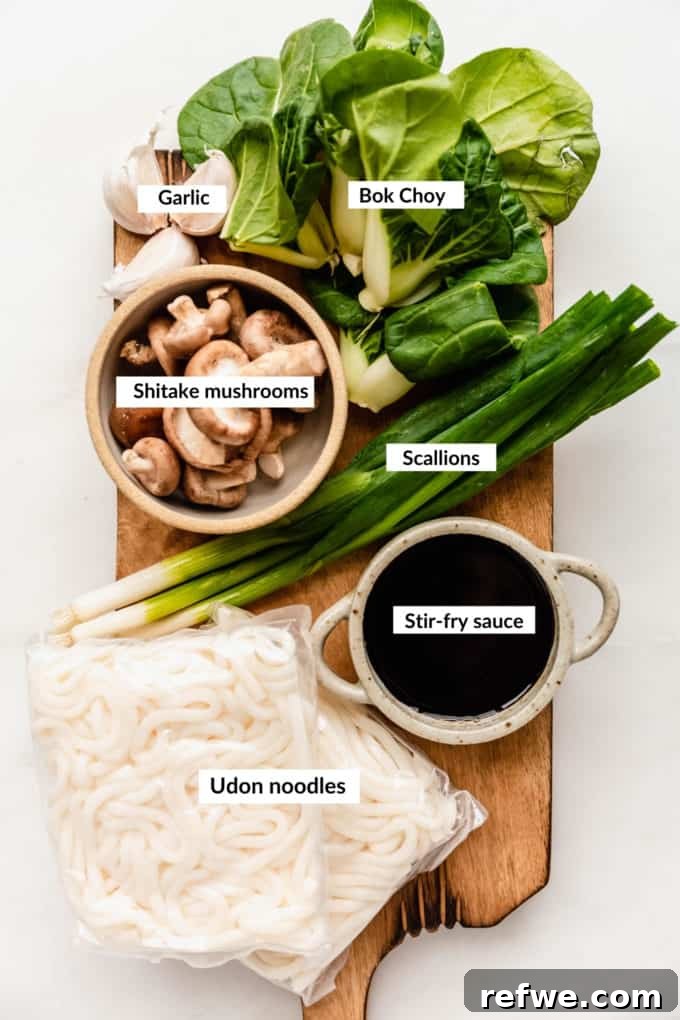
Creating an exceptional Yaki Udon relies on a perfect balance of fresh produce and a meticulously crafted, perfectly balanced sauce. Here’s a closer look at the key components that bring this dish to life:
- Udon Noodles: As previously discussed, fresh, frozen, or packaged udon noodles are all suitable. The key is to ensure they are prepared as per package instructions – usually a quick boil to separate them – before adding them to your wok or skillet.
- Scallions (Green Onions): These provide a mild, subtly sweet, and aromatic oniony flavor, forming a crucial foundation for the stir-fry. Sautéing them at the very beginning helps release their delicious essence, permeating the entire dish. While a regular onion can be substituted in a pinch, scallions offer a distinct, delicate flavor that truly elevates the authentic taste of Yaki Udon.
- Garlic: An indispensable aromatic in almost any stir-fry, garlic adds a pungent, deeply savory depth that is foundational to the rich flavor profile of Yaki Udon. Always opt for freshly minced garlic for the most vibrant and impactful taste.
- Shiitake Mushrooms: These distinctive Asian mushrooms are celebrated for their rich, earthy, and intensely umami-packed flavor, which is a hallmark of Japanese cuisine. They add a wonderful, meaty texture and profound depth to the stir-fry. If fresh shiitake are unavailable, dried shiitake (rehydrated) or cremini (baby bella) mushrooms can be a good substitute, though the flavor will be slightly different.
- Baby Bok Choy: A vibrant, leafy green vegetable from the cabbage family, baby bok choy adds a touch of freshness, a subtle sweetness, and a satisfying tender-crisp texture when cooked properly. Its mild flavor complements the savory sauce beautifully. You can also use regular bok choy, Chinese broccoli (gai lan), spinach, or even Napa cabbage as excellent alternatives.
- Stir-Fry Sauce: The heart and soul of any good stir-fry, our Yaki Udon sauce is a harmonious blend of sweet, savory, and spicy notes, designed to perfectly coat and flavor the thick udon noodles:
- Light Soy Sauce: Provides the primary salty and umami base for the sauce. Use a good quality Japanese soy sauce for the best results.
- Dark Soy Sauce: Offers a deeper, richer color and a slightly sweeter, less intensely salty flavor profile compared to light soy sauce. It contributes significantly to the dish’s appealing dark, glossy sheen.
- Vegetarian Oyster Sauce: (or regular if you are not vegetarian) This ingredient is crucial for adding a complex, savory, and slightly sweet umami boost that defines authentic stir-fry depth. It provides a richness that is hard to replicate.
- Mirin: A sweet Japanese rice wine that is fundamental in many Japanese dishes. It adds a subtle sweetness, depth, and a beautiful, glossy sheen to the sauce, enhancing its overall appeal.
- Honey (or Agave): This balances the savory and umami elements of the sauce with a touch of natural sweetness, creating a perfectly rounded flavor.
- Sriracha: For those who appreciate a pleasant kick of heat, sriracha complements the other flavors beautifully. Adjust the amount to your personal spice preference, or omit it for a milder version.
How to Make Yaki Udon: Step-by-Step Perfection
Follow these simple, clear steps to create a restaurant-quality Yaki Udon at home in just minutes. Precision in preparation and careful attention to heat management are your keys to success!
Step 1: Prepare Aromatics and First Batch of Vegetables
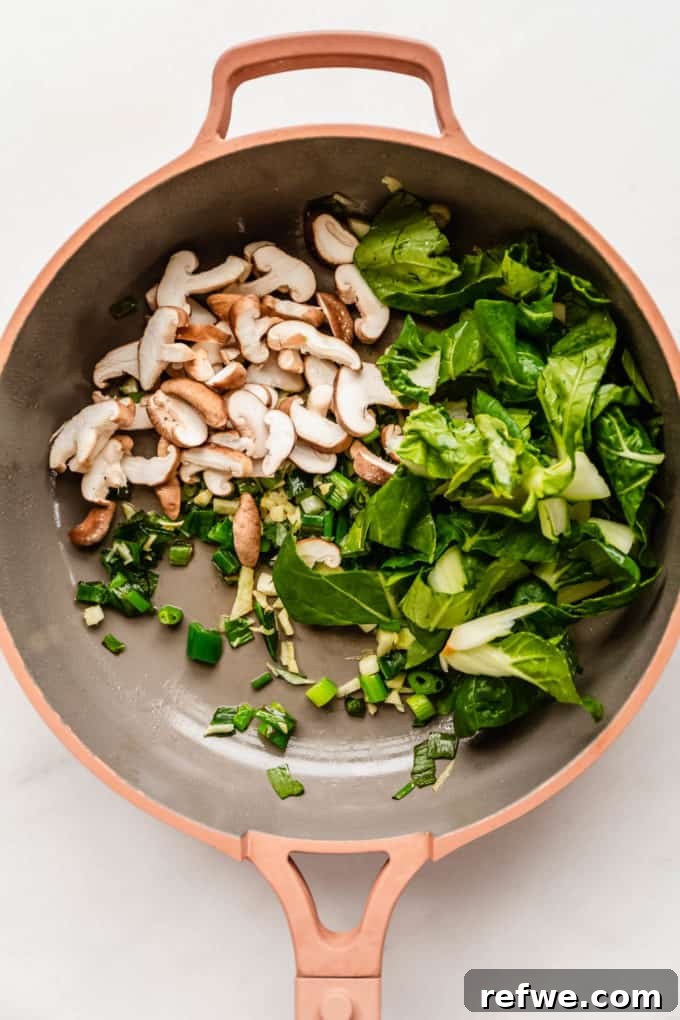
Begin by heating the vegetable oil in a large skillet or, ideally, a wok over medium-high heat. Allow the oil to become shimmering and hot. Once ready, add the chopped scallions and freshly minced garlic to the pan. Sauté these aromatics for about 1 minute, stirring constantly, until they release their wonderfully fragrant essence. This initial step is crucial for building the foundational flavor of your entire stir-fry. Immediately after, add the sliced shiitake mushrooms and the chopped baby bok choy to the pan, ensuring they are evenly distributed.
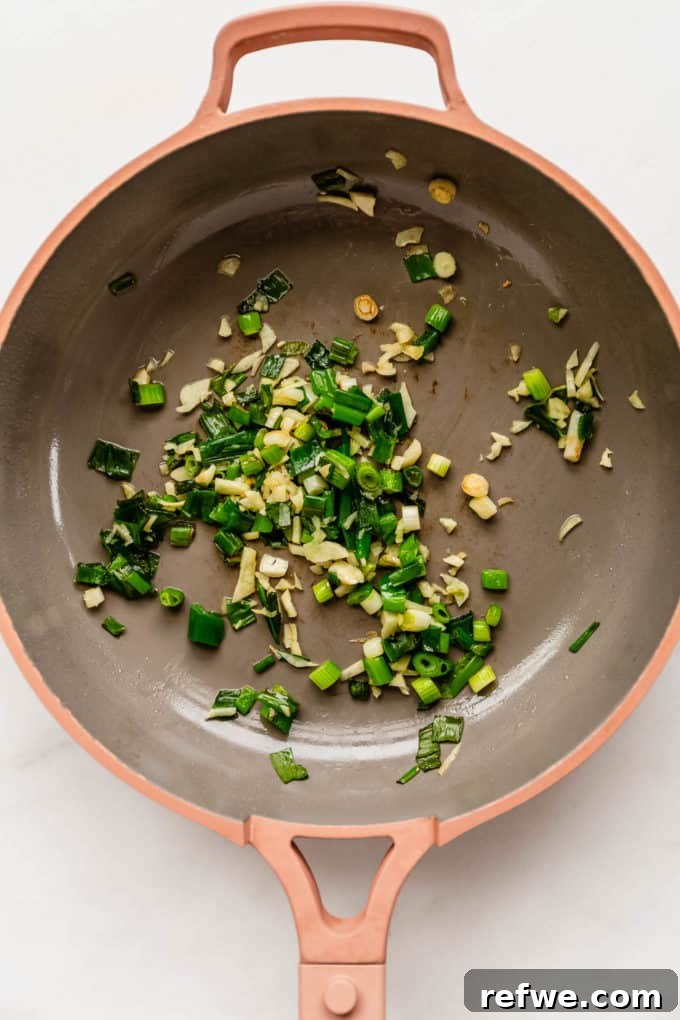
Step 2: Sauté Vegetables and Prepare Noodles
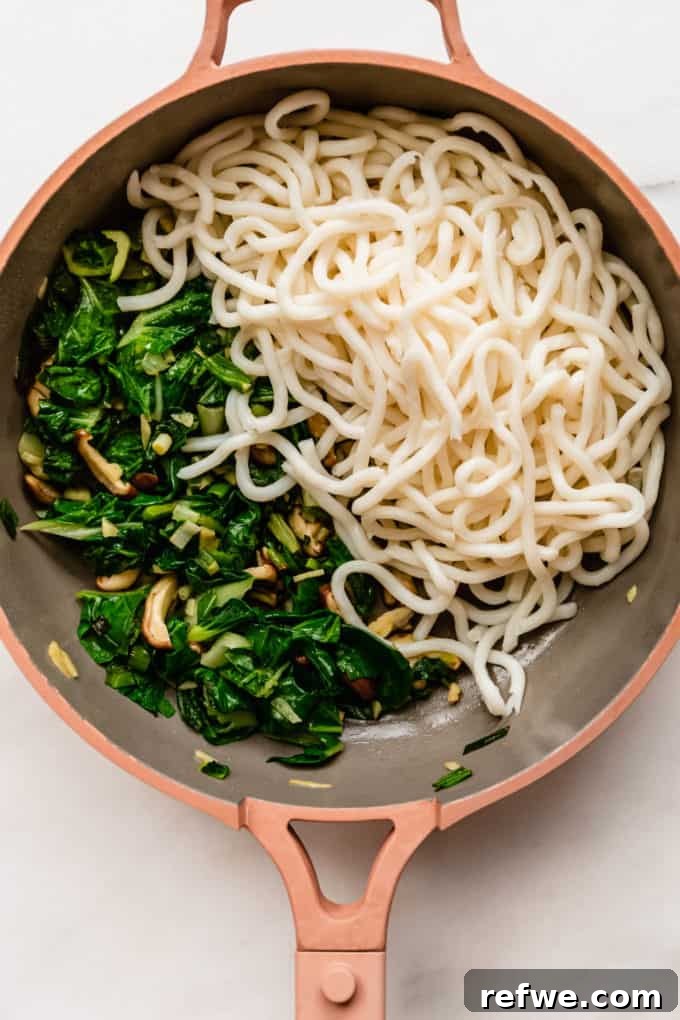
Continue to sauté the shiitake mushrooms and bok choy for an additional 3-4 minutes. Keep stirring frequently to ensure even cooking and prevent sticking. You’ll observe that the bok choy will significantly reduce in volume as it cooks down, becoming tender-crisp while retaining a slight bite. While the vegetables are cooking, it’s time to prepare your udon noodles. If using frozen or packaged udon, boil them for approximately one minute in a separate pot of hot water. This quick boil serves to defrost them and, more importantly, to separate the noodle strands. Once separated and pliable, drain them thoroughly in a colander, ensuring no excess water remains clinging to the noodles.
Step 3: Combine, Sauce, and Serve Immediately
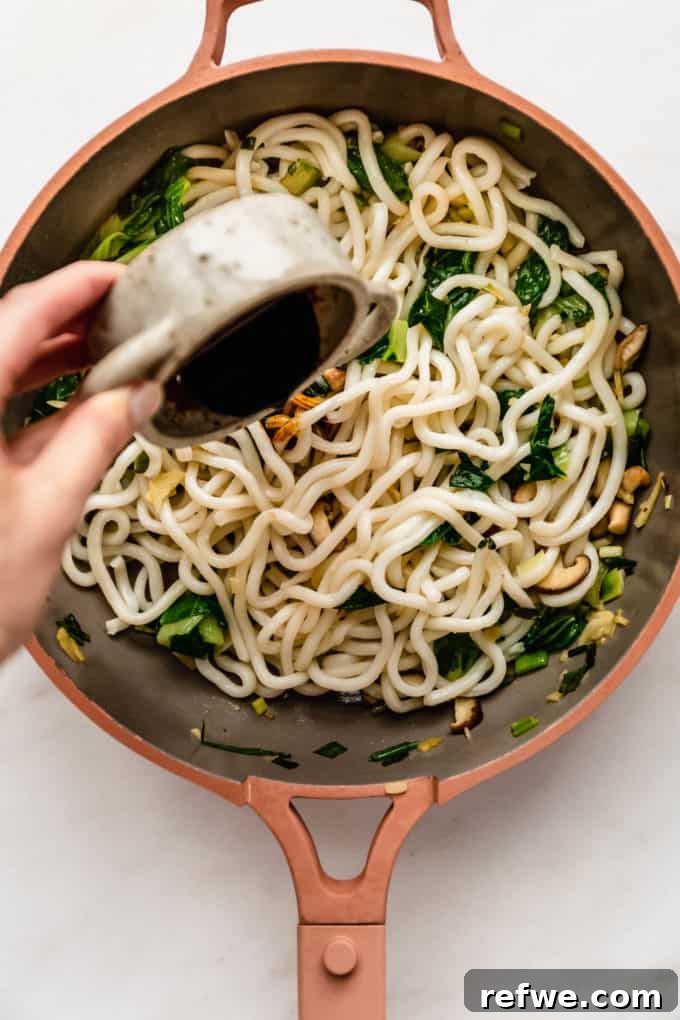
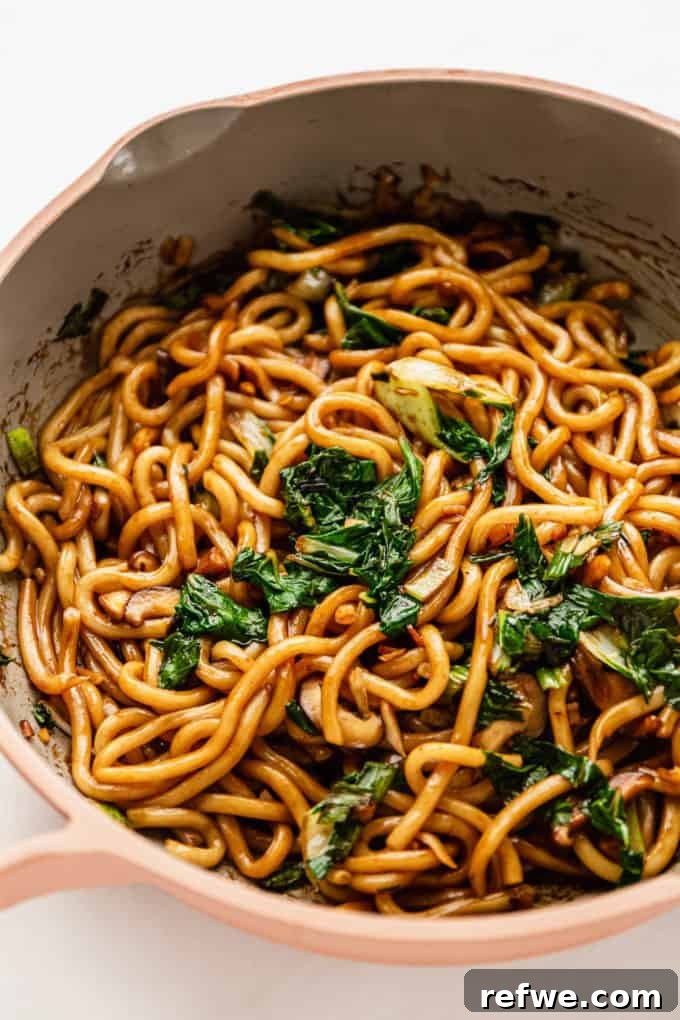
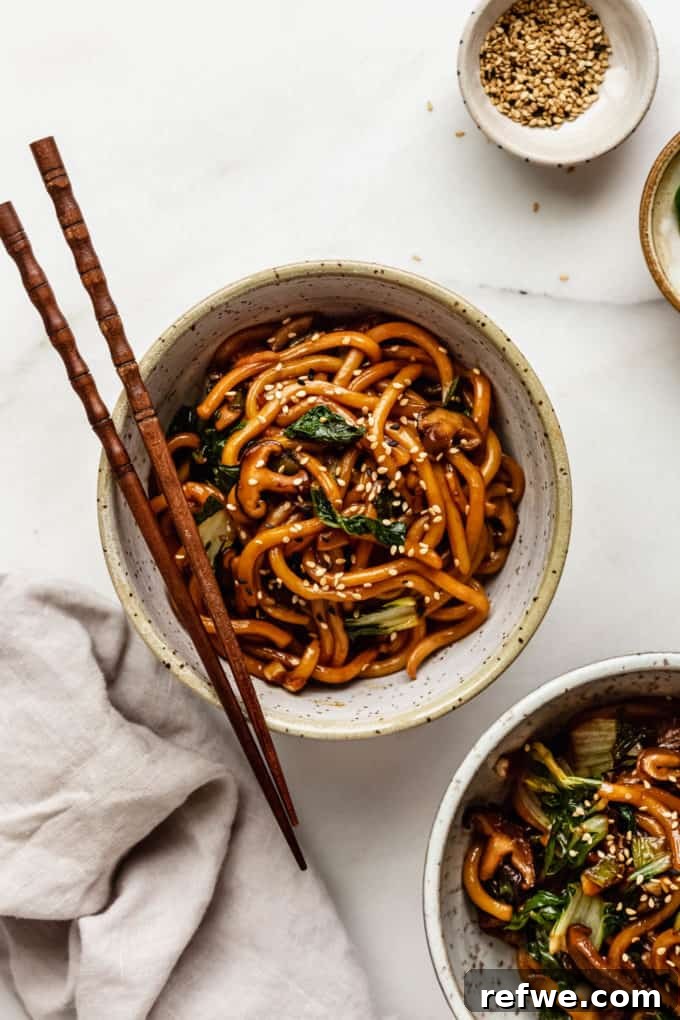
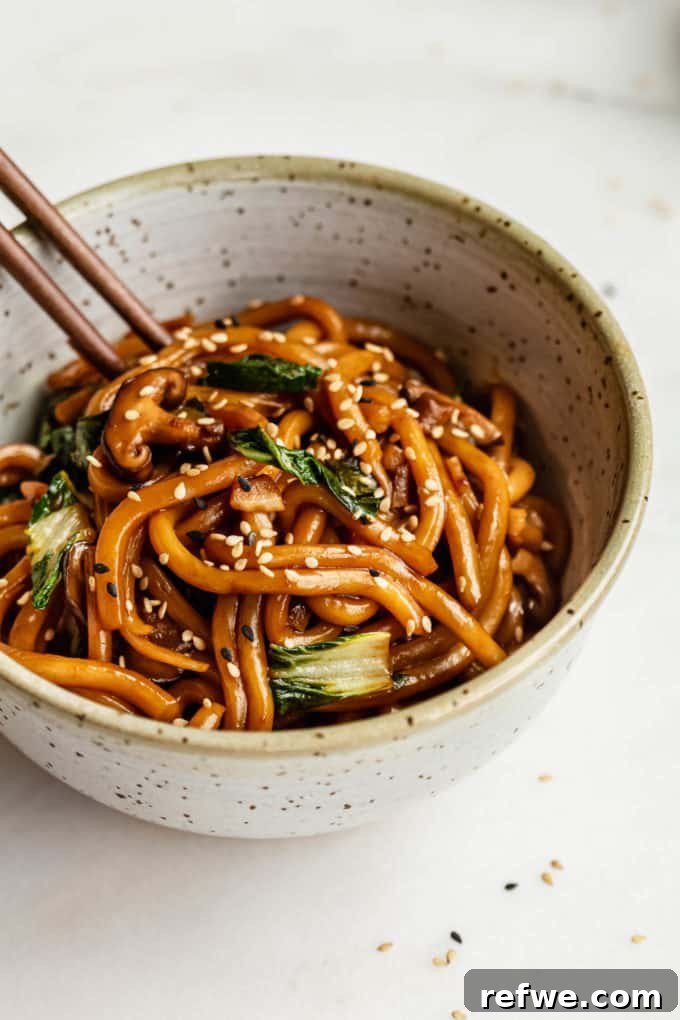
Once your vegetables are tender-crisp and your noodles are perfectly prepared and drained, add the udon noodles to the pan with the sautéed vegetables. Now, pour the pre-mixed stir-fry sauce evenly over all the ingredients. Using tongs or a spatula, toss everything together thoroughly and vigorously until the noodles and vegetables are completely and evenly coated with the rich, glossy sauce. For an extra layer of flavor and texture, a fantastic chef’s tip is to let the noodles sit undisturbed in the pan for 30-60 seconds after tossing. This allows them to develop a slight char and crispiness on the bottom, adding a delightful depth and textural contrast that is highly prized in stir-fries. Taste the dish and adjust any seasonings if needed – perhaps a touch more soy sauce for saltiness, a drizzle of honey for sweetness, or extra sriracha for more heat. Remove the pan from heat immediately. Garnish your freshly made Yaki Udon with a sprinkle of toasted sesame seeds or some extra chopped scallions for freshness and an appealing presentation. Serve this delicious Japanese stir-fry immediately, as udon noodles are always best enjoyed fresh and hot!
Pro Tips for Perfecting Your Yaki Udon
Achieving restaurant-quality Yaki Udon at home is simple with these expert tips and tricks:
- Master the Sauce in Advance: This is a true game-changer for efficiency and flavor consistency. Combine all the stir-fry sauce ingredients in a small bowl or jar before you even begin heating your pan. This way, when it’s time to add the sauce, you can simply pour it in and focus on tossing, preventing any last-minute scrambling and ensuring a perfectly even distribution of flavor throughout the dish.
- Ensure Proper Noodle Separation: This step is critical for a great texture. Especially with packaged or frozen udon noodles, they can often be clumped together. It is absolutely essential to separate them before adding them to your stir-fry. The easiest and most effective method is a quick plunge into boiling water for about a minute. This not only loosens them but also ensures each noodle strand cooks individually and gets coated with sauce, rather than clumping into a sticky mass.
- Utilize a Wok for Superior Results: If you own a wok, this is the ideal cooking vessel for making stir-fries. Its unique wide, sloping sides and exceptional high heat retention allow for quick, even cooking and help develop the distinct “wok hei” (breath of the wok) flavor. A wok also makes it much easier to achieve that desirable crispy char on the noodles, which adds incredible depth and textural contrast. If you don’t have a wok, a large, heavy-bottomed skillet or cast-iron pan will also work effectively, just ensure it’s large enough to handle all the ingredients without overcrowding.
- Serve Immediately for Peak Experience: Like most stir-fried dishes, Yaki Udon is undoubtedly best enjoyed fresh off the heat. The noodles are at their peak chewiness, the vegetables at their tender-crisp best, and the sauce is perfectly clinging to every component. Plan to serve this dish as soon as it’s ready to experience the ultimate culinary delight.
- Embrace the Char: Don’t be afraid to let the noodles develop a slight crispiness or char on the bottom. This is achieved by allowing them to sit undisturbed for a short period (as described in Step 3). This subtle char adds a wonderful textural contrast and a deeper, more caramelized flavor that significantly enhances the dish.
Storing and Reheating Leftover Yaki Udon
While Yaki Udon is undoubtedly best enjoyed fresh, you can certainly save any leftovers to savor later. Properly stored, your Yaki Udon will still be delicious for another quick meal.
- Storage: To ensure freshness and safety, transfer any leftover Yaki Udon into an airtight container as soon as it has cooled sufficiently (within two hours of cooking). Refrigerate it promptly, and it will keep well for up to 4 days. It is generally not recommended to freeze cooked udon noodles, as the freezing and thawing process can significantly alter their unique texture, often making them mushy or less appealing upon reheating.
- Reheating: For the best results when reheating, the stovetop method is preferred. Place the noodles in a pan over medium heat and stir-fry gently until they are warmed through. This method helps to restore some of the stir-fried texture. Alternatively, you can use a microwave for convenience, heating in short bursts (30-60 seconds) and stirring in between to ensure even heating. If you notice the noodles have clumped together or become a bit dry after refrigeration, a simple trick is to add a splash of water or vegetable broth (1-2 tablespoons) during reheating. This will help to loosen them up, restore some moisture, and make them easier to separate, ensuring a more pleasant eating experience.
Yaki Udon FAQ: Frequently Asked Questions
Where can I find udon noodles?
Udon noodles are increasingly accessible! You can find fresh or frozen varieties in the refrigerator or freezer sections of most well-stocked Asian grocery stores. These are often preferred for their authentic texture. Packaged, vacuum-sealed udon noodles are also commonly stocked in the Asian foods aisle of larger supermarkets, usually positioned alongside other dry noodles like ramen or rice vermicelli. Always check the labels for specific cooking instructions, as preparation can vary slightly depending on the type and brand.
What are udon noodles made from?
Traditional udon noodles are made primarily from a simple combination of wheat flour, water, and salt. This straightforward composition, coupled with a specific kneading and cutting process, gives them their characteristic thick, white, chewy, and smooth texture. Their relatively neutral flavor profile makes them incredibly versatile, allowing them to readily absorb the flavors of sauces and broths, making them ideal for dishes like Yaki Udon.
Are udon noodles gluten-free?
Traditionally, authentic udon noodles are made from wheat flour and are therefore not gluten-free. For individuals with gluten intolerance or celiac disease, this means traditional udon should be avoided. However, with the growing demand for gluten-free options, some specialty stores and health food markets may offer gluten-free versions of udon noodles made from alternative flours such as rice flour, buckwheat flour (often labeled as soba but can be udon-like), or other gluten-free grains. If you need a gluten-free option, always check the ingredient list carefully or consider substituting udon in this recipe with your favorite certified gluten-free noodles, adjusting cooking times as needed.
What’s the difference between Yaki Udon and Yakisoba?
While both Yaki Udon and Yakisoba are popular Japanese stir-fried noodle dishes, the primary difference lies in the type of noodle used. Yaki Udon features thick, wonderfully chewy udon noodles, which are known for their substantial bite and smooth texture. Yakisoba, on the other hand, uses thinner, often wavy, wheat-based noodles that are more similar in appearance and texture to Chinese Lo Mein noodles. Additionally, the sauces, while both savory and soy-based, tend to differ subtly; Yakisoba sauce is often characterized by being a bit tangier and sweeter, sometimes incorporating Worcestershire sauce-like notes, whereas Yaki Udon sauce focuses more on a rich umami and balanced sweetness.
What is Yaki Udon sauce made of?
Yaki Udon sauce recipes can vary regionaly and by personal preference, but generally, they are designed to be savory, slightly sweet, and intensely umami-rich. Our recipe utilizes a fantastic and well-balanced blend of key components: light soy sauce (to provide the primary salty and deep umami base), dark soy sauce (to contribute a richer color and a slightly sweeter, less salty depth), vegetarian oyster sauce (for its complex savory notes and essential umami boost), mirin (a sweet Japanese rice wine that adds subtle sweetness and a beautiful sheen), honey or agave (to further balance the savory elements with natural sweetness), and sriracha (for a pleasant kick of heat that can be adjusted to your liking). This combination creates a rich, versatile, and incredibly delicious sauce that perfectly coats the thick udon noodles.
Is udon better than ramen?
This is purely a matter of personal preference and often sparks friendly culinary debates! Both udon and ramen noodles are fundamental staples in Japanese cuisine, each offering a distinct culinary experience. Udon noodles are beloved for their thick, soft, and wonderfully chewy texture, which makes them incredibly satisfying in hearty stir-fries and robust soups. Ramen noodles, conversely, are typically thinner, firmer, and often have a slightly springier bite, famously featured in rich, complex broths. If you appreciate a substantial, ‘slurpable’ noodle that effectively soaks up sauce or broth, udon might be your preference. If you prefer a thinner, more resilient noodle with a bit more bite in a soupy context, ramen might win out for you. Both are undeniably delicious and have their unique charm, so don’t hesitate to try both and decide for yourself!
What can I substitute for mirin?
Mirin, a sweet Japanese rice wine, is a crucial ingredient for achieving an authentic flavor profile, adding subtle sweetness, depth, and gloss to the sauce. If you don’t have mirin on hand, a few substitutes can work effectively. The best alternatives are dry sherry or dry white wine, which can be used in equal amounts (1 tablespoon for 1 tablespoon of mirin). For a non-alcoholic option, rice vinegar can be used, but due to its acidity, use only 1 teaspoon for every tablespoon of mirin required, and you might want to add a tiny pinch of sugar (about 1/4 teaspoon) to balance the flavor profile and mimic mirin’s sweetness more closely.
Explore More Delicious Noodle Recipes
If you’ve fallen in love with the ease, speed, and incredible flavor of this Yaki Udon, you’ll surely enjoy exploring other fantastic noodle dishes. From spicy to savory, these recipes offer diverse tastes and textures to inspire your culinary adventures. Expand your noodle repertoire with these delightful options:
- Mie Goreng Recipe
- Chili Noodles
- Stir-Fried Ramen
- Thai Red Curry Noodles
- Life-Changing Peanut Butter Noodles
- 15 Minute Garlic Noodles
- Vegan Pad Thai
We truly hope you thoroughly enjoy preparing and savoring this incredible Yaki Udon Stir-Fry! It’s a dish that consistently delivers on flavor and convenience. If you tried this recipe or any other on our blog, we would absolutely love to hear from you. Please take a moment to share your experience by leaving a comment and rating below. Your valuable feedback not only inspires us but also helps fellow home cooks discover delicious new meals. Don’t forget to follow us on Pinterest, Instagram, and Facebook for daily recipe inspiration, cooking tips, and behind-the-scenes glimpses of our kitchen adventures!
Yaki Udon Recipe Card
5 from 10 reviews
- Author: Jessica Hoffman
- Prep Time: 5 minutes
- Cook Time: 10 minutes
- Total Time: 15 minutes
- Yield: 4 servings
- Category: Main
- Method: Stir-fry
- Cuisine: Japanese
- Diet: Vegetarian
Description
This Yaki Udon recipe brings together thick, chewy noodles, vibrant vegetables, and a rich, savory stir-fry sauce in just 15 minutes, making it the ultimate quick and satisfying weeknight meal.
Ingredients
Stir fry
- 2 tbsp vegetable oil
- 4 scallions, chopped
- 4 garlic cloves, chopped
- 1 cup sliced shiitake mushrooms
- 3 cups chopped baby bok choy
- 500 grams udon noodles, cooked according to package directions
Stir fry sauce
- 2 tbsp vegetarian oyster sauce (or regular if you aren’t vegetarian)
- 1 tbsp dark soy sauce
- 1 tbsp light soy sauce
- 1 tbsp mirin (can substitute 1 tbsp dry sherry or 1 tsp rice vinegar)
- 1 tbsp honey or agave
- 1 tsp sriracha
Instructions
- Mix all stir-fry sauce ingredients together in a small bowl and set aside. This ensures everything is ready when needed.
- Heat the vegetable oil in a large skillet or wok over medium-high heat until shimmering. Add the chopped scallions and minced garlic, sautéing for 1 minute until fragrant.
- Add the sliced shiitake mushrooms and chopped baby bok choy to the pan. Sauté for 3-4 minutes, stirring frequently, until the vegetables are tender-crisp and the bok choy has significantly reduced in volume.
- Add the prepared udon noodles and the pre-mixed stir-fry sauce to the pan. Toss everything thoroughly using tongs or a spatula until the noodles and vegetables are evenly coated with the glossy sauce.
- For a delightful crispy char, let the noodles sit undisturbed in the pan for 30-60 seconds. Remove from heat immediately and serve piping hot, garnished with sesame seeds or extra scallions if desired.
Notes
Storage: Store any leftover Yaki Udon in an airtight container in the refrigerator for up to 4 days. Freezing is not recommended as it alters the noodle texture.
Reheating: Reheat on the stovetop over medium heat, stirring until warmed through. Add a splash of water or vegetable broth if noodles appear dry or clumpy.
Sauce Preparation: Preparing the stir-fry sauce in advance makes the cooking process much smoother and faster, allowing you to focus on the stir-frying itself.
Noodle Separation: Always separate packaged or frozen noodles by briefly boiling them before adding them to the stir-fry. This prevents clumping and ensures even sauce coating.
Wok Advantage: Using a wok provides optimal heat distribution and surface area for stir-frying, helping achieve the best texture and char on your noodles.
Serve Fresh: For the best eating experience, serve your Yaki Udon immediately after cooking, when the flavors and textures are at their peak freshness and warmth.
Nutrition
- Serving Size: 1/4 of recipe
- Calories: 260
- Sugar: 5g
- Sodium: 500mg
- Fat: 12g
- Saturated Fat: 2g
- Carbohydrates: 36g
- Fiber: 2.4g
- Protein: 5g