
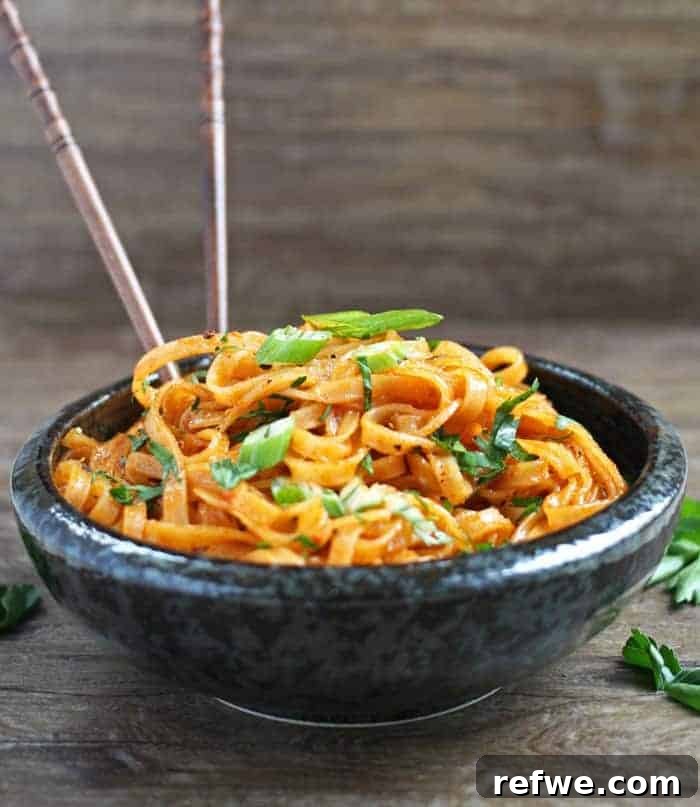
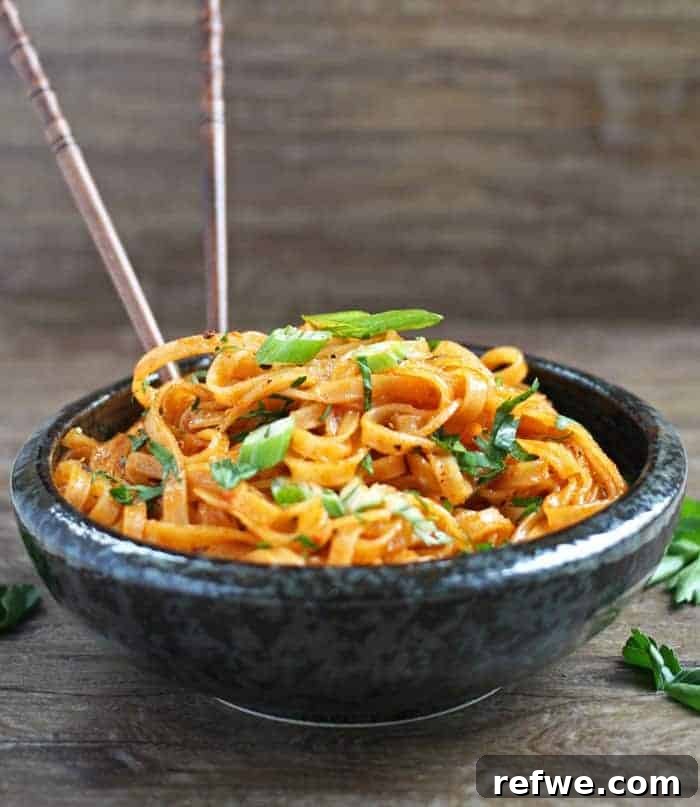
Indulge in Creamy Coconut Curry Linguini: A Thai-Inspired Fusion for an Unforgettable Meal
Few places on Earth capture the heart and soul quite like Thailand. My visits to this vibrant country have left an indelible mark, fueling a deep admiration for its rich cultural tapestry and, perhaps most notably, its extraordinary culinary landscape. Thai food, with its intricate balance of sweet, sour, salty, and spicy, has unequivocally become one of my absolute favorite cuisines. The memories of bustling markets, aromatic street food stalls, and the warm hospitality of its people still resonate with me, inspiring a continuous exploration of these incredible flavors right in my own kitchen.
A Culinary Journey: Bringing Thai Flavors Home
On my last adventure through Thailand, I was incredibly fortunate to immerse myself in local cooking classes. This hands-on experience was transformative, providing me with invaluable skills and authentic techniques for preparing traditional Thai dishes. It wasn’t just about following recipes; it was about understanding the philosophy behind the cuisine, the importance of fresh ingredients, and the art of balancing complex flavors. These lessons ignited a passion to infuse genuine Thai essence into my cooking, often with a creative twist that marries familiar textures with exotic tastes. The inspiration drawn from those sun-drenched kitchens continues to be a driving force in my culinary experiments, guiding me to create dishes that are both authentic in spirit and innovative in execution.
Introducing Coconut Curry Linguini: A Harmonious Fusion
Today, I’m thrilled to share a recipe that perfectly embodies this fusion: my Coconut Curry Linguini. Imagine the comforting creaminess and satisfying texture of a classic Fettuccine Alfredo, but reimagined with the bright, bold, and utterly captivating flavors of Thailand. This dish transcends traditional boundaries, blending the best of both worlds into a single, sensational meal. It’s an innovative take on pasta that promises to surprise and delight your palate, offering a unique experience that’s both familiar and excitingly new. The unexpected combination creates a symphony of flavors that will transport you straight to Southeast Asia with every bite.
Why You’ll Love This Quick & Flavorful Thai Pasta
This Coconut Curry Linguini quickly rose to the top of my list of go-to recipes for a reason. It’s not just incredibly delicious; it’s also remarkably quick to prepare, making it the perfect solution for those busy weeknights when you crave something extraordinary without spending hours in the kitchen. The dish is packed with an explosion of flavor, from the rich and velvety coconut milk to the aromatic red curry paste, bright lime, and fresh herbs. It’s a testament to how simple, quality ingredients can come together to create a profoundly satisfying and impressive meal that tastes like it took all day to make. If you’re looking for a dish that delivers big on flavor with minimal effort, this is it!
Print
Coconut Curry Linguini
- Author: Jess
- Prep Time: 15 mins
- Cook Time: 10 mins
- Total Time: 25 mins
- Yield: 2 servings
- Category: Main
- Method: Cook
- Cuisine: Thai
Description
A creamy and flavorful Coconut Curry Linguini, blending traditional Italian pasta texture with the vibrant, aromatic spices of authentic Thai cuisine. This quick and easy dish is perfect for a weeknight meal that tastes like a gourmet experience.
Ingredients
- 1–2 tablespoons of red curry paste (adjust to your preferred spice level)
- 1 can (13.5 oz / 400ml) of full-fat coconut milk (or light for a lower-fat option)
- 2 tablespoons of honey (or agave syrup for a vegan alternative)
- 1–2 tablespoons of fish sauce (or soy sauce / tamari for vegan)
- 1 teaspoon of paprika
- 1 fresh lime (for juice and optional wedges for serving)
- 1/2 cup of fresh Thai basil leaves (or sweet basil if Thai is unavailable)
- 7 oz. (approx. 200g) of rice linguini or flat rice noodles (about half a standard pack)
- Thinly sliced green onions, for garnish
- A handful of fresh coriander (cilantro), chopped, for garnish
Instructions
- Prepare Your Rice Noodles: Begin by placing your dry rice noodles in a large heatproof bowl. Pour hot (not boiling) water over them, ensuring they are fully submerged. Let them soak as you prepare the sauce; this softens them to the right al dente stage, ready to finish cooking in the curry.
- Toast the Curry Paste: In a large saucepan or deep skillet, add your chosen amount of red curry paste. Heat it over medium-low heat for about 1 minute, stirring continuously. This crucial step “toasts” the paste, awakening its complex flavors and releasing its fragrant aromatics. Be careful not to burn it.
- Incorporate Coconut Cream: Open your can of coconut milk without shaking. Gently scoop off the thick layer of coconut cream that has risen to the top and add it to the saucepan with the curry paste. Stir until the cream and paste are thoroughly combined, creating a rich, vibrant base. Reserve the remaining coconut water for later.
- Build the Flavor Profile: Next, stir in the honey (or agave for a vegan option), fish sauce (or soy sauce/tamari), paprika, and the freshly squeezed juice from half of your lime. Mix well, then taste the sauce. This is your opportunity to customize: add more honey for sweetness, more lime juice for tartness, or a dash more curry paste for extra heat. Adjust until it perfectly suits your preference.
- Infuse with Thai Basil: Gently tear or chop your Thai basil leaves and add them to the sauce. Stir them in and allow them to simmer for a few minutes. The heat will help the basil’s essential oils infuse into the sauce, contributing a wonderful fragrant layer.
- Drain the Noodles: While your sauce is simmering, check your rice noodles. They should be softened but still have a slight bite – they are not fully cooked yet. Carefully drain them, discarding the water.
- Combine Noodles and Sauce: Increase the heat to medium-high. Add the drained rice noodles to the saucepan with the sauce. Stir continuously for approximately 3-5 minutes, ensuring the noodles are fully coated and absorb the delicious liquid. During this time, the noodles will finish cooking to perfection.
- Achieve Creamy Perfection: As the noodles cook in the sauce, they will absorb the remaining coconut liquid, resulting in a beautifully thick, rich, and creamy sauce that clings wonderfully to each strand of linguini. This creates that irresistible Alfredo-like texture with distinctly Thai flavors.
- Serve and Garnish: Plate your Coconut Curry Linguini generously. For a burst of freshness and extra flavor, top with plenty of chopped fresh coriander (cilantro), thinly sliced green onions, and an extra squeeze of lime juice if desired. Enjoy immediately!
Nutrition
- Serving Size: 1/2 recipe
- Calories: 492
- Sugar: 23g
- Fat: 29g
- Saturated Fat: 25g
- Carbohydrates: 57g
- Fiber: 6g
- Protein: 5g
Essential Ingredients for Authentic Thai-Inspired Flavor
The magic of Coconut Curry Linguini lies in its carefully chosen ingredients, each playing a vital role in creating its distinctive flavor profile. Understanding these components will help you appreciate the depth and balance of this dish, ensuring you can recreate its deliciousness in your own kitchen.
Red Curry Paste: The Heart of the Curry
Thai red curry paste is the backbone of this recipe, providing its characteristic warmth, spice, and aromatic foundation. Made from a blend of red chilies, galangal, lemongrass, kaffir lime peel, and various spices, it’s a powerhouse of flavor. The amount you use can be adjusted to your spice preference; start with a smaller quantity and add more if you desire a fierier kick. Opt for a good quality brand for the best results, as the paste truly makes or breaks the dish. This ingredient is key to unlocking those unmistakable authentic Thai notes that make this linguini so special.
Creamy Coconut Milk: Richness and Smoothness
Coconut milk is what gives this linguini its luxurious, creamy texture, mimicking the richness of a traditional Alfredo sauce while introducing a tropical sweetness. It also mellows the spice from the curry paste and binds all the flavors together. For a truly decadent sauce, use full-fat coconut milk, as the cream that separates provides incredible richness. If you’re looking to lighten the dish, light coconut milk can be used, though it might result in a slightly thinner sauce. Remember to shake the can well before opening to ensure a uniform consistency, or follow the instructions in the recipe to scrape off the cream layer for a richer start.
Bright Lime: A Zesty Finish
Fresh lime juice is indispensable for cutting through the richness of the coconut milk and curry, adding a crucial bright, tangy counterpoint that elevates all the other flavors. It provides that signature Thai zest and freshness, balancing the heat and sweetness. The acidity from the lime brightens the entire dish, preventing it from tasting heavy. Always use freshly squeezed lime juice for the best possible taste; bottled lime juice simply won’t deliver the same vibrant punch and complex aroma that fresh lime provides.
Fish Sauce or Soy Sauce: Umami Depth
Fish sauce (Nam Pla) is a cornerstone of Thai cooking, imparting a savory depth and umami that cannot be replicated by salt alone. It’s a powerful flavor enhancer that adds complexity and a well-rounded taste to the sauce. If you’re vegetarian or vegan, or simply prefer not to use fish sauce, high-quality soy sauce or tamari makes an excellent substitute, providing a similar savory element. Just be mindful of the salt content in your chosen alternative and adjust the seasoning of the dish accordingly to prevent it from becoming too salty.
Thai Basil: Aromatic Freshness
Thai basil, with its distinct anise-like flavor and slight peppery notes, adds an incredible layer of aromatic freshness to the curry. It’s different from common sweet basil and is highly recommended for an authentic taste that truly captures the essence of Thai cuisine. Its unique profile complements the other spices beautifully. If you absolutely cannot find Thai basil, regular sweet basil can be used, but be aware that the flavor profile will be slightly altered. Chop it just before adding to retain its vibrancy and prevent bruising.
Rice Linguini: The Perfect Canvas
While traditional Italian linguini pasta is often wheat-based, we opt for rice noodles (often found in “linguini” or “fettuccine” shapes) to keep this dish gluten-free and aligned with a more Asian noodle profile. These noodles have a wonderful, slightly chewy texture that readily absorbs the creamy curry sauce, making every bite a delight. They cook quickly and become beautifully tender without becoming mushy, providing the ideal base for our flavorful sauce. Their neutral flavor allows the vibrant curry to truly shine.
Chef’s Tips for the Perfect Coconut Curry Linguini
While this recipe is straightforward, a few expert tips can elevate your Coconut Curry Linguini from great to unforgettable. Paying attention to these small details will ensure a perfect result every time you cook.
- Don’t Overcook Noodles: Rice noodles cook very quickly. Soaking them in hot water until al dente, then finishing them directly in the sauce, is the key to preventing them from becoming mushy and ensuring they absorb maximum flavor. Keep a close eye on them during the final cooking stage to achieve that perfect bite.
- Balance the Flavors: Thai cuisine is all about balancing the four main flavors: sweet, sour, salty, and spicy. Don’t be afraid to taste and adjust the sauce throughout the process. A little more lime can brighten it, a touch more honey can mellow the spice, and an extra splash of fish sauce can add crucial umami depth. Trust your palate!
- Quality of Curry Paste Matters: The flavor and authenticity of your curry paste will significantly impact the final dish. Invest in a good quality Thai red curry paste from an Asian market or reputable brand for the most authentic and robust flavor. Poor quality paste can result in a bland or unbalanced curry.
- Fresh Herbs are Best: Fresh lime, Thai basil, coriander, and green onions are not just garnishes; they contribute essential freshness, aroma, and a burst of flavor that cannot be replicated with dried alternatives. Don’t skip them, as they are crucial for the vibrant taste of this dish.
- Full-Fat vs. Light Coconut Milk: For the creamiest, most satisfying result that truly mimics the indulgence of Alfredo, full-fat coconut milk is highly recommended. If you’re watching calories or fat intake, light coconut milk works, but be aware the sauce might be slightly less rich and may require a touch more simmering to thicken.
Creative Variations and Serving Suggestions
This Coconut Curry Linguini is wonderfully versatile, offering a fantastic base for customization. Feel free to experiment with additional ingredients to make it truly your own and cater to different tastes or dietary needs.
- Add Protein: Sautéed chicken breast strips, shrimp, thinly sliced beef, or pan-fried tofu cubes would be excellent additions to this dish. Add them to the sauce along with the noodles, ensuring they are cooked through and coated in the creamy curry goodness. For a plant-based option, chickpeas or edamame can also be stirred in.
- Incorporate More Vegetables: Boost the nutritional content and add delightful texture with extra vegetables. Bell peppers (red, yellow, or orange), snap peas, baby corn, sliced mushrooms, or a handful of fresh spinach would all work beautifully. Add them to the sauce a few minutes before the noodles so they cook until tender-crisp, retaining their vibrant color and nutrients.
- Spice it Up (or Down): For those who love extra heat, add a few thin slices of fresh bird’s eye chilies along with the curry paste, or a pinch of red pepper flakes during the sauce preparation. If you prefer milder flavors, start with the lower amount of curry paste and taste before adding more.
- Explore Different Noodles: While linguini-style rice noodles are recommended for their texture, you could also experiment with wider flat rice noodles (often used for Pad See Ew), vermicelli, or even traditional Italian spaghetti for a more classic pasta texture that still holds the sauce well.
- Garnishes Galore: Beyond fresh coriander and green onions, consider toasted crushed peanuts for a delightful crunch, a sprinkle of toasted sesame seeds for added texture and nutty flavor, or a drizzle of chili oil for an extra layer of heat and visual appeal. A wedge of lime on the side allows for individual adjustment of tartness.
Nutritious & Delicious: The Benefits of Coconut Curry Linguini
Beyond its incredible taste, this Coconut Curry Linguini offers several nutritional benefits, making it a wholesome choice for your meal rotation. Coconut milk, while rich, provides healthy fats in the form of medium-chain triglycerides (MCTs), which can offer a quick source of energy and are easily digestible. Fresh herbs such as coriander and Thai basil are packed with beneficial antioxidants, vitamins, and minerals that contribute to overall well-being. Furthermore, using rice noodles makes this dish naturally gluten-free, catering to those with dietary sensitivities or preferences. With the option of light coconut milk and the easy integration of plenty of fresh vegetables, it can easily be adapted to be a wholesome and satisfying meal that nourishes both body and soul without compromising on flavor.
A Taste of Thailand, Anytime You Crave It
Whether you’re a seasoned fan of Thai cuisine or looking to explore new and exciting flavors, this Coconut Curry Linguini offers a delightful and accessible culinary adventure. It perfectly blends the comforting familiarity of pasta with the vibrant, aromatic spices of Thailand, creating a dish that’s both exotic and incredibly comforting. Quick, easy, and bursting with flavor, it’s destined to become a staple in your recipe repertoire, offering a gourmet experience that can be whipped up on any busy weeknight. So, gather your ingredients, fire up your stove, and prepare to transport your taste buds to the sun-drenched beaches and bustling markets of Thailand with every delicious spoonful. Don’t forget to share your creations with us!
*If you want to make a lower-fat version of this recipe, you can use a can of light coconut milk, though it might result in a slightly thinner sauce.