
Welcome to the definitive guide on chia seeds, a tiny yet mighty superfood that has captured the attention of health enthusiasts worldwide. From boosting bone strength with calcium to supporting optimal digestion with ample fiber, chia seeds offer a remarkable array of nutritional advantages. This comprehensive guide will illuminate why chia seeds are so beneficial, how to effortlessly incorporate them into your daily diet, and what essential factors to consider when making a purchase. Prepare to unlock the full potential of these ancient power-packed seeds!
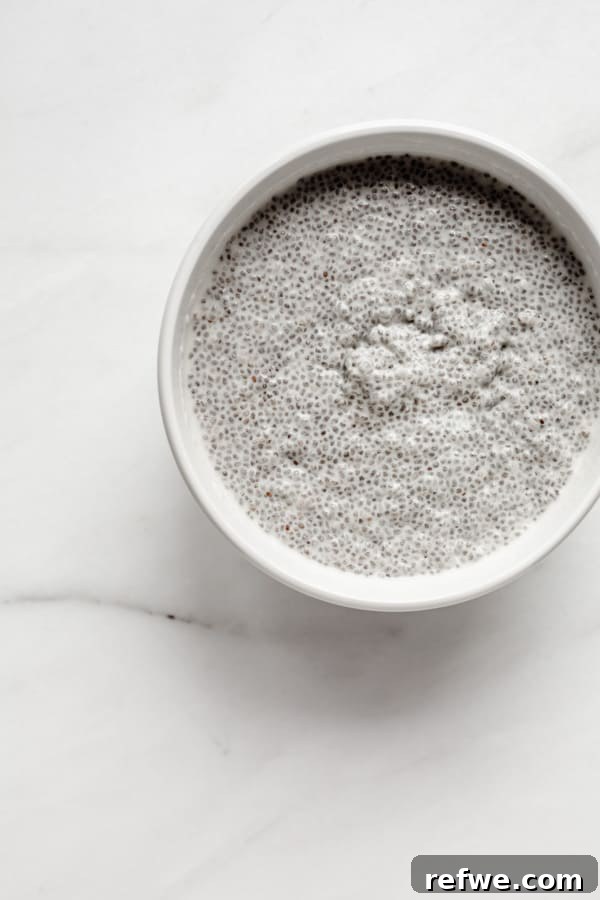
Table of Contents
- What Are Chia Seeds?
- Where to Buy Chia Seeds
- How to Use Chia Seeds
- Perfect Chia Pudding Ratio
- Creative Ways to Eat Chia Seeds
- White vs. Black Chia Seeds: What’s the Difference?
- Chia Seed Troubleshooting: Common Issues and Solutions
- Are Chia Seeds Truly Good for You? Unpacking the Benefits
- Chia Seeds FAQ
- Delicious Chia Seed Recipes to Try
What Are Chia Seeds?
Chia seeds are tiny, oval-shaped seeds derived from the desert plant Salvia hispanica, a member of the mint family. Originating from Central and South America, these remarkable seeds were a staple food for ancient Aztec and Mayan civilizations, valued for their incredible energy-boosting properties and medicinal benefits. The word “chia” itself is derived from the Mayan word for “strength,” a testament to their powerful nutritional profile.
Despite their diminutive size, chia seeds pack a mighty punch. They are renowned for their ability to absorb up to 10-12 times their weight in liquid, forming a unique gel-like consistency. This makes them incredibly versatile for cooking and baking, serving as a natural thickener or even a vegan egg substitute. Beyond their culinary applications, chia seeds are celebrated for a myriad of health benefits, offering an impressive array of nutrients, including all three essential Omegas (3, 6, and 9), high levels of protein, healthy fats, and dietary fiber. They are incredibly easy to prepare and seamlessly integrate into a wide range of recipes, making them an accessible superfood for everyone.
Where to Buy Chia Seeds
In today’s health-conscious world, sourcing chia seeds is easier than ever. You can find them readily available in most major grocery stores, typically located in the health food aisle, near nuts and other seeds, or even in the baking section. Many bulk food stores also offer them in self-serve bins, which can be a cost-effective option for regular users. When purchasing, look for reputable brands and consider opting for organic varieties to ensure you’re getting the highest quality product free from pesticides and harmful chemicals. Always check the expiration date to ensure freshness and optimal nutritional value.
How to Use Chia Seeds
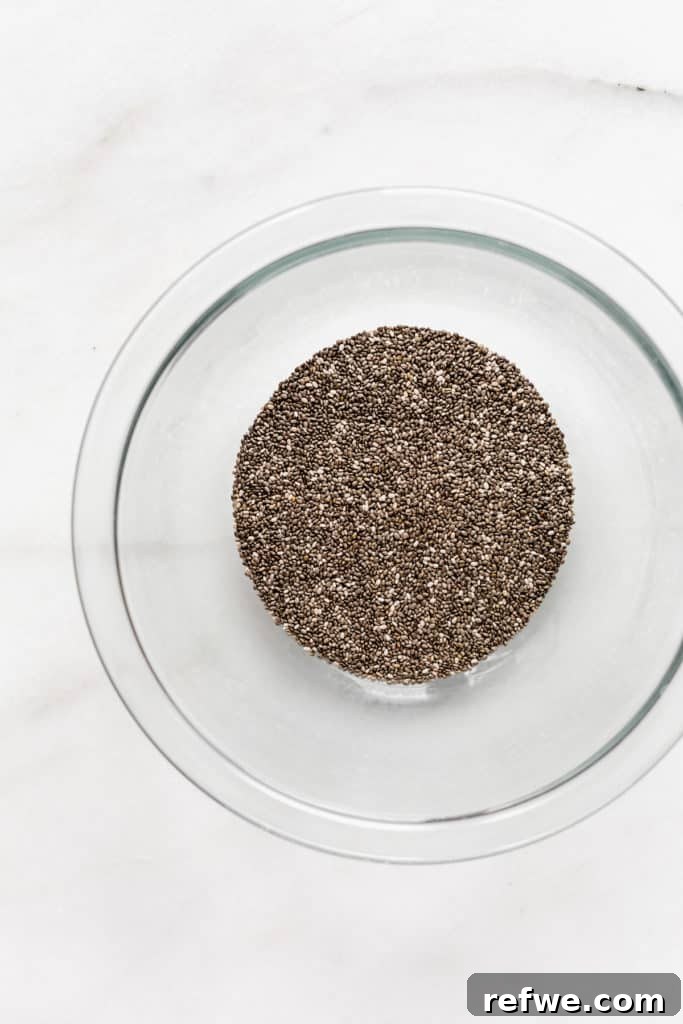
The versatility of chia seeds is one of their most appealing attributes. While they can be eaten raw, their most common and often preferred method of preparation involves soaking them. When soaked, chia seeds develop a unique gelatinous texture, which is a result of their soluble fiber absorbing liquid. This transformation not only makes them easier to digest for some but also unlocks their potential as a fantastic thickener and binder in various dishes.
By soaking chia seeds in milk (dairy or plant-based), fruit juices, or even savory sauces, you can create a delightful range of dishes. Popular examples include creamy Vanilla Chia Pudding, vibrant Chia Seed Jam, or indulgent Chocolate Chia Mousse. Remember, chia seeds possess an impressive ability to expand significantly, absorbing both the liquid and the flavors they’re immersed in, often up to 10-12 times their original size. The key to achieving the desired texture lies in the ratio of seeds to liquid. Adding more chia seeds necessitates a proportionate increase in liquid; otherwise, some seeds may remain raw and crunchy, which is perfectly fine if that’s your preference, but not ideal for a gel-like consistency.
While eating them raw is absolutely safe and beneficial, soaking helps activate their gelling properties, which is crucial for recipes like puddings and smoothies. To ensure perfect results, understanding the optimal chia-to-liquid ratio is essential, as it directly impacts the final texture of your dish.
Perfect Chia Pudding Ratio
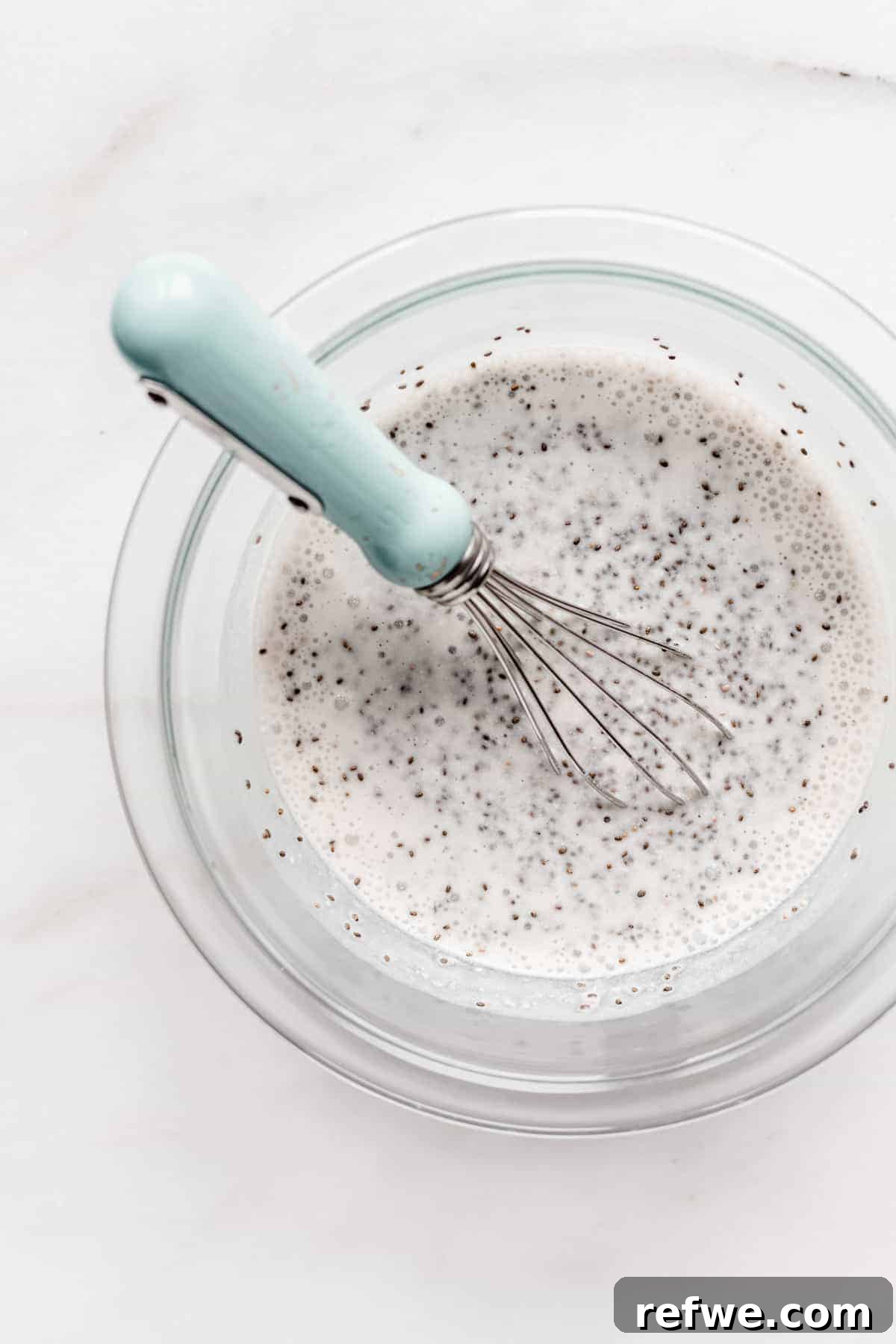
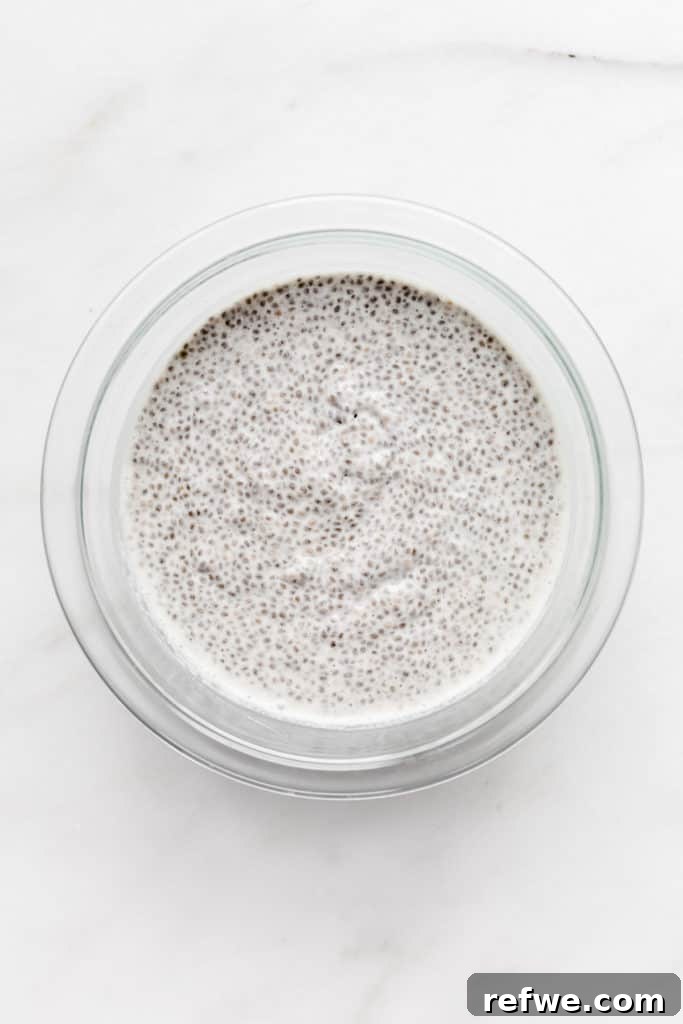
Achieving your desired chia pudding consistency is all about the right ratio of chia seeds to liquid. Here are the general guidelines to help you create perfect puddings every time:
- For a Runnier, Lighter Consistency: You’ll need approximately 6 parts liquid for every 1 part chia seeds.
- Example: Use 1/4 cup of chia seeds with 1 1/2 cups of liquid (e.g., almond milk, coconut water). This results in a softer, more fluid pudding, great for layering or as a drinkable snack.
- For a Thicker, Creamier Consistency: Aim for 4 parts liquid per 1 part chia seeds.
- Example: Combine 1/4 cup of chia seeds with 1 cup of liquid. This ratio yields a richer, spoonable pudding that holds its shape well, ideal for breakfast bowls or desserts.
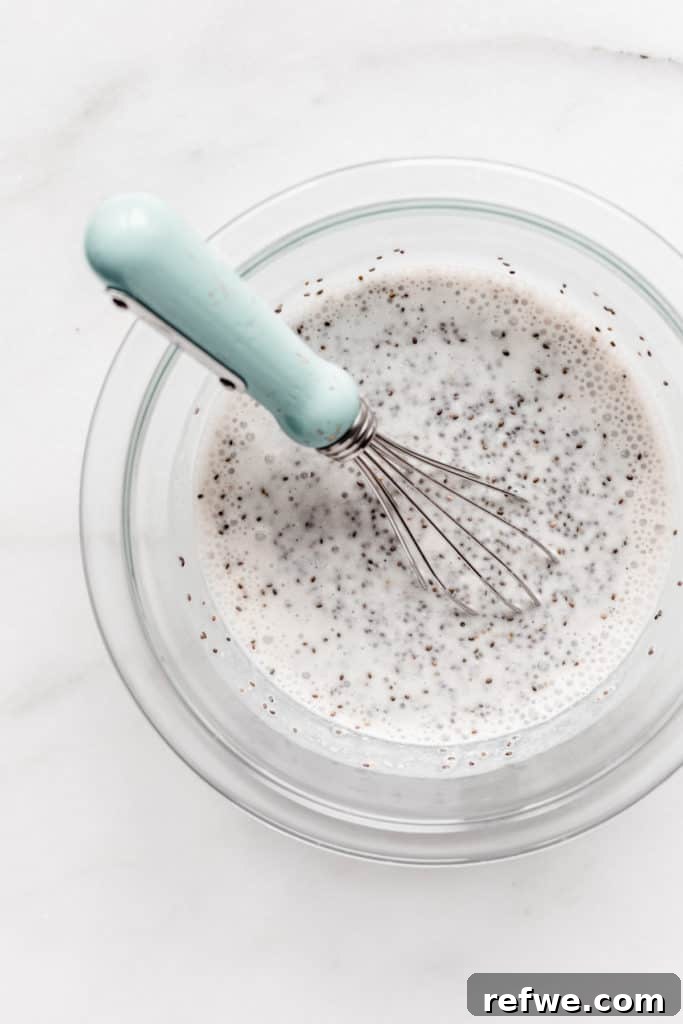
Feel free to experiment with these ratios to find your personal preference. Remember to stir the mixture thoroughly upon combining the ingredients to prevent clumping and ensure even gelling.
Creative Ways to Eat Chia Seeds
Chia seeds are incredibly versatile, fitting seamlessly into both sweet and savory dishes. Their mild flavor means they readily absorb the tastes of other ingredients, making them an excellent addition to almost any meal. Here’s a comprehensive look at the various delicious ways you can enjoy chia seeds:
1. Baked Goods, Granolas, & Energy Bites
If the texture of chia pudding isn’t your favorite, don’t worry! Chia seeds can be easily incorporated into a wide array of baked goods, where their presence is often virtually undetectable. They act as a fantastic binder and add a powerful nutritional boost without altering the flavor profile. Try adding them to recipes like these Healthy Lemon Muffins, Banana Bread Granola, or even no-bake snacks such as Key Lime Energy Bites. They enhance texture, add a slight crunch if unsoaked, and significantly increase the fiber and omega-3 content of your favorite treats.
2. Irresistible Puddings
As previously mentioned, chia pudding stands as one of the most beloved and popular ways to enjoy these super seeds. It’s a delectable, convenient, and healthy option, perfect for a fulfilling breakfast, a satisfying snack, or a guilt-free dessert. The possibilities for flavor combinations are endless! Explore delightful variations from Blueberry Chia Pudding to Mango Chia Pudding. Simply customize with your favorite fresh fruits, nuts, seeds, or a drizzle of maple syrup for added sweetness. It’s an ideal choice for meal prepping, as it can be made ahead and stored in the refrigerator for several days.
3. Savory Culinary Creations
While chia seeds are often associated with sweet breakfast items, their mild taste makes them a fantastic addition to savory dishes as well. Don’t limit their potential! Sprinkle a tablespoon or two into your superfood salad for an extra textural element and nutritional kick. They can also effectively replace flax seeds or breadcrumbs as a binder in recipes, such as this hearty vegan lentil loaf. Consider using them to thicken soups, stews, or even as a coating for baked tofu or vegetables, adding a subtle crunch and a boost of goodness.
4. Refreshing Drinks
Incorporating chia seeds into your beverages is an effortless way to boost your daily nutrient intake. Add 1-2 teaspoons of chia seeds to your morning Healthy Breakfast Smoothies for an extra dose of fiber, protein, and healthy fats. They will thicken your smoothie slightly and keep you feeling fuller for longer. For a truly refreshing and hydrating afternoon pick-me-up, try a traditional Mexican Chia Fresca – simply add chia seeds to water with a squeeze of lime or lemon and a touch of natural sweetener. It’s an ancient energy drink that’s both simple and incredibly beneficial.
5. Effortless Sprinkles & Toppings
Chia seeds excel as a versatile “sprinkle” that can elevate almost any sweet or savory dish. Their small size and subtle crunch make them an ideal topping for an array of foods, providing an instant nutritional upgrade. Try sprinkling them generously over your morning smoothie bowls, such as this vibrant Strawberry Smoothie Bowl, layered Fruit and Yogurt Parfaits, or even on hearty Buddha Bowl Recipes. They add a delicate texture and a healthy dose of fiber and omega-3s to oatmeal, toasts, salads, and even soups, making every bite more nutritious.
White vs. Black Chia Seeds: What’s the Difference?
When you browse the health food aisle, you might notice two distinct varieties of chia seeds: black and white. While black chia seeds are significantly more common and widely available, the differences between the two are surprisingly minimal, primarily aesthetic. Both types boast an impressive nutritional profile, making them equally beneficial superfoods.
Subtle distinctions do exist, however. Black chia seeds tend to have a slightly higher protein content, while white chia seeds are often found to contain marginally more Omega-3 fatty acids. These differences are so minor that they are generally negligible in the context of a balanced diet. Ultimately, the choice between black and white chia seeds often comes down to personal preference or the visual appeal desired in a dish; for instance, white chia seeds might be preferred in lighter-colored puddings or smoothies where black specks aren’t desired.
Crucially, regardless of color, it is important to avoid brown chia seeds if you encounter them. True, high-quality chia seeds are either black or white. Brown seeds are often unripe or inferior quality, and as a result, they will not offer the same robust nutritional value or desirable gelling properties as their black or white counterparts. Always opt for uniformly black or white seeds for the best results and maximum health benefits.
Chia Seed Troubleshooting: Common Issues and Solutions
While chia seeds are remarkably easy to use, encountering issues during preparation can be a bit disheartening, especially if you’re new to this superfood. Fear not! Here are some common challenges users face and practical solutions to ensure your chia seed experience is always successful and enjoyable.
Why Aren’t My Chia Seeds Gelling?
- Time is Key: Gelling chia seeds requires patience! For that perfect gel-like consistency in recipes like chia pudding, the seeds need adequate time to absorb the liquid. While you might see some gelling in 5-10 minutes, optimal results are achieved when they sit for a minimum of 20-30 minutes, or even better, several hours or overnight in the refrigerator. Stir them well initially, then give them another stir after 5-10 minutes to break up any clumps and ensure even hydration.
- Sufficient Liquid: If your chia seeds aren’t gelling, it’s highly likely there isn’t enough liquid in the mixture. Not all seeds will hydrate properly if they’re not fully submerged. Ensure you have at least 4 parts liquid for every 1 part chia seeds for a thick gel, or 6 parts liquid for a thinner consistency. Don’t be afraid to add a little more liquid if your mixture seems too dry.
- Seed Quality & Storage: The age and quality of your chia seeds can impact their absorption capabilities. Old or improperly stored chia seeds may lose their ability to gel effectively. Always check the expiration dates on your packaging. To maintain their freshness and potency, store your chia seeds in an airtight container in a cool, dry, dark place.
Why Does My Stomach Hurt After Eating Chia Seeds?
- Fiber Overload: Chia seeds are exceptionally rich in dietary fiber, which is fantastic for digestive health, but can sometimes cause discomfort if your body isn’t accustomed to it. Common symptoms include bloating, gas, or stomach cramps. If you’re new to chia seeds, introduce them gradually into your diet, starting with small quantities (e.g., 1 teaspoon per day) and slowly increasing your intake as your digestive system adjusts.
- Hydration & Soaking: Due to their incredible ability to absorb liquid, chia seeds can absorb water from your body if not consumed with sufficient fluids. This can lead to constipation or digestive upset. Always ensure you drink plenty of water throughout the day, especially when consuming chia seeds. Soaking your chia seeds before eating them can significantly help ease digestion, as they will have already expanded and formed their gel, reducing the work your digestive system has to do. Eating them raw without enough liquid can sometimes be a harsher experience for sensitive stomachs.
- Portion Control: When it comes to fiber, more isn’t always better, especially for sensitive guts. Eating an excessive amount of chia seeds in one sitting can indeed put a strain on your gut, leading to uncomfortable bloating or “movement” issues. For optimal digestion and to avoid discomfort, try not to exceed 2 tablespoons of dry chia seeds per day, particularly if you are still adjusting to them. Listen to your body and adjust your intake accordingly.
Are Chia Seeds Truly Good for You? Unpacking the Benefits
Without a doubt, chia seeds are a nutritional powerhouse, punching far above their weight class in terms of health benefits. Each tiny seed is packed with an impressive concentration of essential nutrients. A standard serving size of two tablespoons (approximately 28 grams) might seem small, but it delivers a significant amount of goodness, especially once hydrated. Chia seeds are loaded with health benefits, including a high content of dietary fiber, quality protein, healthy fats (especially Omega-3s), calcium, and powerful antioxidants. Interestingly, the healthy fats within chia seeds are naturally protected by these antioxidants, preventing them from going rancid even when stored at room temperature for extended periods.
Let’s delve deeper into their remarkable nutritional profile:
- Exceptional Fiber Content: Chia seeds are one of the best sources of fiber on the planet. Just two tablespoons provide a substantial portion of your daily recommended fiber intake. This high fiber content is crucial for digestive health, promoting regularity, and feeding beneficial gut bacteria. It also contributes to satiety, helping you feel fuller for longer, and aids in stabilizing blood sugar levels, preventing sharp spikes after meals.
- Rich in Omega-3 Fatty Acids: These tiny seeds are an outstanding plant-based source of Alpha-Linolenic Acid (ALA), a vital Omega-3 fatty acid. Chia seeds are predominantly rich in Omegas 3, 6, and 9, with Omega-3s being the most abundant. Omega-3s are renowned for their anti-inflammatory properties and their role in supporting brain health, cognitive function, and cardiovascular well-being. Regular intake can help lower blood pressure, reduce cholesterol levels, and decrease the risk of heart disease and stroke.
- Quality Protein Source: For a plant-based food, chia seeds offer a surprisingly good amount of protein, containing all nine essential amino acids, making them a “complete protein.” This is particularly beneficial for vegetarians, vegans, and anyone looking to increase their protein intake for muscle repair, growth, and overall bodily function.
- Bone Health Boosters: Far from just dairy products, chia seeds are an excellent source of several nutrients vital for bone health. They contain significant amounts of calcium, phosphorus, magnesium, and manganese – all essential minerals that contribute to strong, healthy bones and teeth, helping to reduce the risk of osteoporosis.
- Abundant Antioxidants: The generous supply of antioxidants in chia seeds helps protect your body’s cells from damage caused by free radicals. This cellular protection contributes to overall health, reduces inflammation, and may even play a role in preventing chronic diseases.
In summary, incorporating chia seeds into your diet is a simple yet effective strategy to boost your nutrient intake, support various bodily functions, and promote long-term health and well-being. Their impressive nutritional density truly earns them their superfood status.
Chia Seeds FAQ
Yes, absolutely! Raw chia seeds carry the same fantastic health benefits as soaked chia seeds. They offer a slight crunch and can be sprinkled directly onto meals or blended into smoothies. They’re a particularly great option to add to no-bake granola bars, yogurt, or oatmeal for an immediate nutritional boost and textural contrast.
For texture and binding properties in baking (like replacing eggs), ground flaxseeds are often considered a good substitute for chia seeds. However, it’s important to note that flaxseeds typically have a more earthy flavor profile than chia seeds and, while they form a gel, their gelling properties are slightly different. Psyllium husk can also be used as a thickener, but it’s pure fiber and lacks the comprehensive nutritional profile of chia.
On their own, raw chia seeds are incredibly mild and have a very subtle, almost neutral flavor, which some describe as slightly nutty. This blandness is a huge advantage, as it means they readily adapt and take on the flavor of whatever ingredients you’re cooking or mixing them with. This makes them incredibly versatile for both sweet and savory applications without overpowering other flavors.
While no single food is a magic bullet for weight loss, chia seeds can certainly be a valuable aid in a healthy weight management plan. They are exceptionally high in fiber and Omega-3s, which contribute to satiety and metabolic health. Because chia seeds absorb liquid and expand significantly in your stomach, they help you feel fuller for longer, potentially reducing overall calorie intake and curbing cravings. Their protein content also helps maintain muscle mass during weight loss.
Yes, absolutely! Drinking chia water, often called “Chia Fresca,” is a fantastic way to hydrate and get a dose of nutrients. The best way to prepare this is to add 1-2 tablespoons of chia seeds to about 500ml (around 2 cups) of water. Stir well and let it sit for at least an hour, or even overnight in the refrigerator, to allow the seeds to fully gel. For an extra burst of flavor and additional nutrients, you can add a squeeze of lemon or lime juice, a few berries, or a slice of cucumber.
For most healthy adults, a general recommendation is to consume 20 grams (approximately 1.5 to 2 tablespoons) of chia seeds, up to two times per day, totaling around 40 grams (or 3-4 tablespoons). However, if you are new to consuming chia seeds or a high-fiber diet, it’s best to start with a smaller amount, such as 1 teaspoon, and gradually increase your intake over several days or weeks to allow your digestive system to adjust and avoid any potential discomfort.
Unlike flaxseeds, which require grinding for optimal nutrient absorption, chia seeds can be consumed whole. Their outer shell is porous, allowing digestive enzymes to access the nutrients inside without needing to be broken down first. However, some people prefer to grind them for specific recipes or for an even smoother texture in drinks or smoothies, but it’s not strictly necessary for digestion or nutrient uptake.
Delicious Chia Seed Recipes to Try
Now that you’re well-versed in the incredible benefits and versatile uses of chia seeds, it’s time to put your knowledge into practice! These delightful recipes will inspire you to grab that bag of chia seeds from your pantry and embark on a culinary adventure. From creamy puddings to hearty breads, each recipe showcases chia seeds in unique and delicious ways, proving just how adaptable this superfood truly is. Enjoy exploring new flavors and textures!
- Classic Vanilla Chia Pudding
- Snickers Chia Pudding
- Quick & Easy Chia Seed Jam
- Golden Milk Latte Chia Pudding
- Superfood Granola Bars
- Whole-Grain Buckwheat & Chia Bread
- Vegan Double Chocolate Chia Mousse
- Tropical Coconut Chia Pops
- Sweet and Salty Maple Pecan Granola
- Chai Latte Chia Pudding
- Cinnamon Apple Chia Pudding