
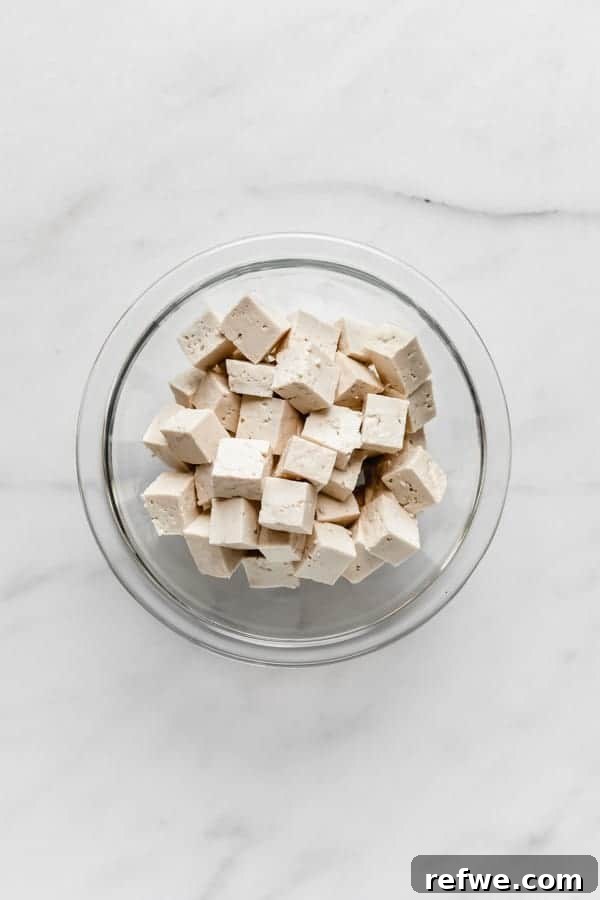
The Ultimate Guide to Cooking Tofu: Mastering This Versatile Plant-Based Protein
Often perceived as a mystery ingredient, tofu is in fact a culinary marvel, offering incredible versatility and the potential for countless delicious dishes. However, many home cooks grapple with transforming it from a bland block into a flavorful centerpiece. If you’ve ever ended up with dry, crumbly, or uninspiring tofu, you’re not alone. This comprehensive guide is meticulously designed to demystify tofu, equipping you with all the essential knowledge and techniques to confidently cook it to perfection every time. We’ll delve into the diverse world of tofu types, explore crucial preparation steps like pressing and marinating, and share expert cooking methods to ensure your tofu dishes are always brimming with flavor, satisfying texture, and never, ever boring!
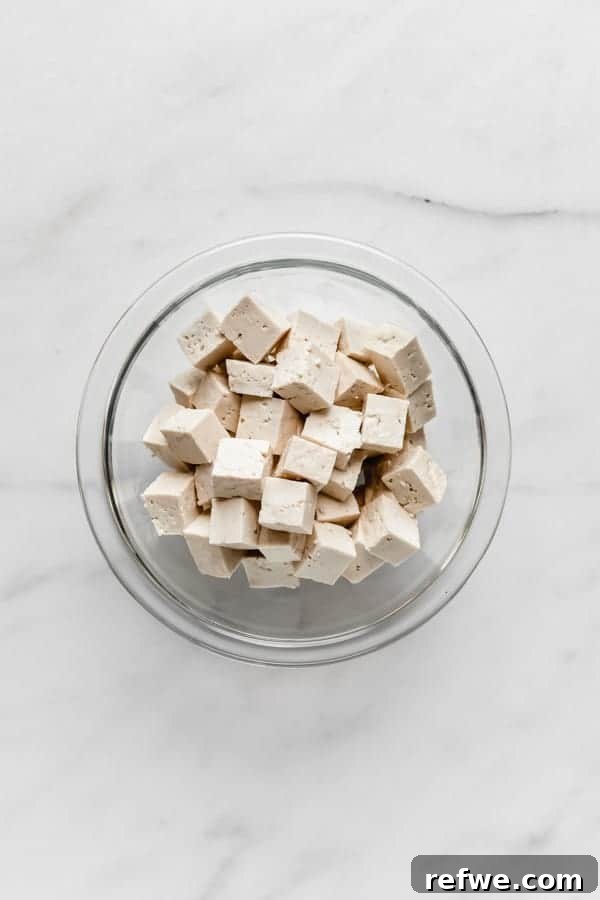
What is Tofu? Unveiling the Ancient Superfood
At its core, tofu is a remarkable plant-based food crafted from soybeans, specifically by coagulating soy milk and then pressing the resulting curds into solid, white blocks. This age-old process bears a striking resemblance to the traditional methods used to make dairy cheese. Originating in China over two millennia ago, tofu quickly became a dietary cornerstone in East Asian cuisines before gaining widespread global recognition for its exceptional nutritional value and unparalleled adaptability in the kitchen.
Beyond its culinary flexibility, tofu is a powerhouse of nutrition, boasting an impressive array of health benefits. It stands out as an excellent source of high-quality protein, uniquely containing all nine essential amino acids, thereby qualifying as a complete protein. Moreover, tofu is abundantly rich in vital minerals such as iron, calcium (especially when coagulated with calcium sulfate), manganese, selenium, and phosphorus. It also provides a good supply of magnesium, copper, zinc, and vitamin B1. Its naturally low saturated fat content, coupled with the presence of beneficial isoflavones, contributes significantly to heart health and may offer protective effects against certain cancers, osteoporosis, and menopausal symptoms. Tofu is not just incredibly nutritious but also an exceptionally affordable and environmentally sustainable plant-protein source, making it an ideal choice for healthy, conscious eating and a cornerstone of any balanced plant-based diet.
Exploring the Main Types of Tofu and Their Distinct Culinary Applications
A fundamental key to successful tofu cooking lies in understanding the various types available, as each variety possesses unique textural properties perfectly suited for specific dishes. The primary differentiation among tofu types is their inherent water content, which directly dictates their firmness and how they behave during cooking. The five main categories of tofu you’ll encounter are silken, soft, medium, firm, and extra-firm. As you progress along this firmness spectrum, more water has been meticulously pressed out, resulting in a denser, more concentrated block with a higher proportion of protein and fat per serving.
- Silken Tofu: The Creamy Chameleon
Often labeled as “soft” or “Japanese-style” tofu, silken tofu possesses the highest water content, giving it an extraordinarily delicate, custard-like consistency. It is typically unpressed and usually found in aseptic packaging, ensuring it remains shelf-stable until opened. Silken tofu is the star for blending into exquisitely creamy sauces, enriching smoothies, crafting luxurious desserts (like vegan cheesecakes or mousses), and making smooth dressings or dips. Its superb emulsifying properties also make it an ideal dairy or egg substitute in many recipes. - Soft Tofu: The Tender Texturizer
Slightly firmer than its silken counterpart, soft tofu still maintains a very delicate structure but can hold its shape a little better. It offers a smooth yet subtly less uniform texture than silken. Soft tofu excels in traditional Asian brothy soups, such as miso soup, enriching stews, and purees where a tender, melt-in-your-mouth quality is desired. It readily absorbs the nuanced flavors of the liquids it’s immersed in, making it perfect for absorbing umami-rich broths. - Medium Tofu: The Balanced Builder
This type strikes a versatile balance between the tenderness of soft tofu and the resilience of firm. It’s delicate enough to crumble easily but sturdy enough to be gently pan-fried or incorporated into stir-fries without completely disintegrating. Medium tofu is frequently lauded as the ideal variety for creating remarkably authentic scrambled “eggs” due to its crumbly yet substantial texture. It can also be baked in certain dishes or used to add a pleasant body to lighter curries and stews. - Firm Tofu: The Everyday Essential
As a widely popular and readily available choice, firm tofu offers a robust balance of texture and absorbency. It holds its shape exceptionally well when sliced, cubed, or crumbled, making it suitable for an expansive range of cooking methods. This variety is fantastic for baking until golden, incorporating into vibrant stir-fries, grilling for smoky notes, or even substituting for ricotta cheese in Italian-inspired comfort foods like lasagna or stuffed shells. Its capacity to readily soak up marinades makes it a go-to for countless delicious recipes. - Extra-Firm Tofu: The Meaty Powerhouse
The densest and “meatiest” of all varieties, extra-firm tofu boasts the least amount of water, resulting in a distinctly chewy texture and remarkable sturdiness. This makes it perfect for dishes where you want the tofu to maintain its integrity and provide a substantial bite. Extra-firm tofu is ideal for achieving incredibly crispy results when pan-fried, baked, roasted, grilled, or air-fried. Its low water content also means it’s packed with the highest concentration of protein, making it a powerful and satisfying addition to hearty, wholesome meals and meat-substitute preparations.
The Essential First Step: How to Press and Drain Tofu for Optimal Flavor and Texture
One of the most transformative and crucial steps to elevating your tofu dishes, particularly when working with firmer varieties, is proper pressing. This often-overlooked technique makes a monumental difference in the final taste and texture of your meal. It’s important to remember that silken, soft, and even medium tofu are intentionally high in water content and should generally not be pressed, as their delicate, unadulterated textures are fundamental to their specific culinary applications.
However, for firm and extra-firm tofu, the act of draining and pressing is a culinary game-changer. Removing this excess water performs several critical functions: it concentrates the tofu’s subtle flavor, significantly improves its texture (rendering it less crumbly and more cohesive, firmer, and chewier), and, most importantly, creates tiny porous spaces within the tofu block, allowing marinades and seasonings to be absorbed much more deeply and effectively. This crucial step ensures your tofu can truly soak up and deliver the vibrant flavors you impart.
Effective Tofu Pressing Methods:
You have a couple of highly effective and reliable methods for pressing tofu, depending on your kitchen tools:
- Utilizing a Tofu Press: For those who frequently incorporate tofu into their cooking, investing in a dedicated tofu press is a highly worthwhile endeavor. These ingenious kitchen gadgets are specifically designed to efficiently and consistently remove liquid with minimal effort. They often provide a more controlled and mess-free pressing experience compared to makeshift methods, making the process quick and simple.
- The Convenient DIY Method with Household Items: If you don’t yet own a specialized tofu press, fear not! You can easily achieve excellent results using common household items. Begin by wrapping your entire block of firm or extra-firm tofu in several layers of clean paper towels or a thick, absorbent kitchen towel. Next, place the wrapped tofu in a shallow dish or on a plate with raised edges (this is vital for catching the expelled water). Finally, position a heavy object evenly on top of the tofu. A cast-iron skillet, a sturdy stack of cookbooks, or heavy cans of food all work wonderfully as weights. The sustained pressure from these weights will gradually and effectively press out the water.
For most firm and extra-firm varieties, pressing for a duration of 20-30 minutes is typically ideal to remove a sufficient amount of liquid. For an even denser, chewier texture and maximum marinade absorption, you can extend the pressing time to up to an hour, replacing the paper towels if they become thoroughly saturated. You will be astonished by the sheer volume of water that is released from the tofu!
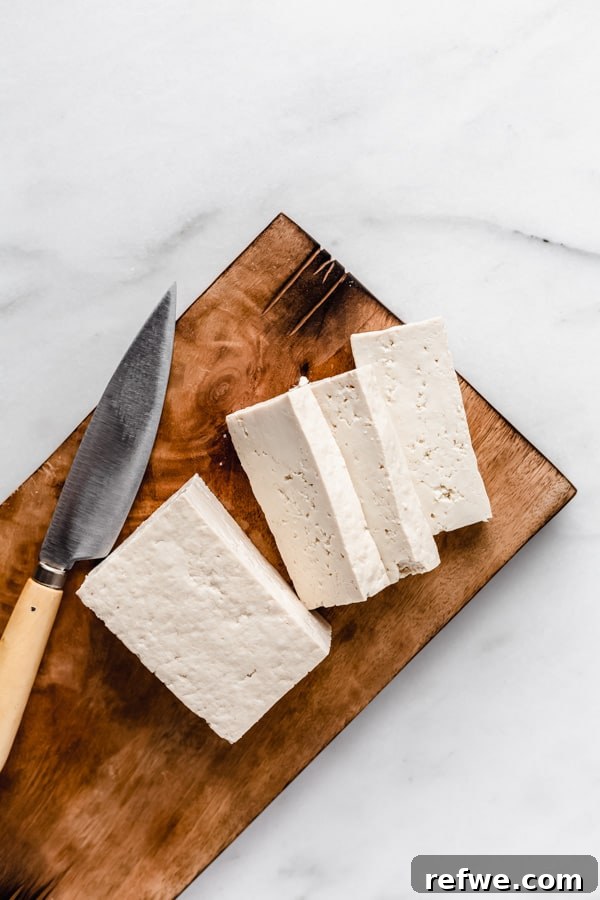
Infusing Flavor: The Art and Science of Marinating Tofu
Given tofu’s wonderfully neutral and subtle inherent flavor, it acts as a perfect culinary blank canvas, eagerly absorbing and showcasing any flavors it is steeped in. This unique characteristic makes marinating tofu one of the absolute best and most effective ways to create dishes that are truly bursting with flavor and deeply satisfying. Envision your pressed tofu as a dense sponge, primed and ready to soak up every drop of deliciousness you introduce to it.
Much like other protein sources, tofu will profoundly adopt the flavor profile of its marinade. This means that utilizing creative, vibrant, and potent marinades is not just recommended, but essential for transforming plain tofu into an unforgettable culinary delight. The possibilities are virtually endless: from savory soy-ginger-garlic concoctions to sweet and spicy peanut sauces, zesty lemon-herb blends, or smoky barbecue infusions. The most effective marinades strike a harmonious balance of essential components: an acid (like vinegar or citrus juice), an umami component (such as soy sauce, tamari, miso, or nutritional yeast), a touch of sweetness (from maple syrup, agave, or brown sugar), and fragrant aromatics (like minced garlic, grated ginger, herbs, and spices).
For optimal and deep flavor absorption, medium to extra-firm tofu varieties are unequivocally your best choice, always after having been properly pressed. These denser, less watery types are far more receptive to soaking up the intricate flavors of your marinade. To achieve an even greater boost in absorption and impart a delightfully chewier, more substantial texture, consider a clever trick: freezing your pressed tofu before marinating. When tofu freezes, the water content expands, forming ice crystals. Upon thawing, these crystals leave behind small, internal pockets and a more porous, sponge-like structure, allowing the marinade to penetrate significantly deeper into the tofu. Simply freeze a pressed block of tofu (you can even slice it first), then thaw it completely, give it another gentle squeeze to remove any residual water, and then proceed with your marinating.
Once thoroughly marinated, your flavor-packed tofu is perfectly poised for its final cooking stage. You can bake it until it achieves a glorious golden-brown crispness, grill it to impart a tantalizing smoky char, or pan-fry it to develop a beautiful, caramelized sear and a delightful exterior crunch. The marinade not only infuses the tofu with incredible taste but also contributes to forming that coveted, flavorful crust when cooked.
Mastering Tofu Preparation: Specific Techniques for Every Type
To truly unlock the maximum potential of each tofu variety in your kitchen, let’s explore the best and most effective ways to prepare them.
Silken Tofu: The Blender’s Best Friend for Creamy Creations
Silken tofu excels when incorporated into blended dishes, offering an unparalleled creaminess and luxurious richness without imparting any discernible strong flavor of its own. Its extraordinarily smooth, almost pourable consistency makes it an ideal ingredient for a wide array of applications:
- Velvety Sauces & Dressings: Effortlessly transform soups, pasta sauces, salad dressings, and even homemade mayonnaise or aioli into wonderfully smooth, rich, and dairy-free creations.
- Nutrient-Rich Smoothies: Boost the protein content and add an irresistible creaminess to your morning smoothies or post-workout shakes.
- Decadent Desserts: Craft unbelievably luscious vegan cheesecakes, airy chocolate mousses, creamy puddings, and silky custards that impress every time.
- Effective Egg Substitute: Its natural binding and emulsifying properties make it an excellent, reliable egg substitute in various baking applications, particularly for quiches, custards, and even certain vegan frittatas.
- Recipe Idea: This vibrant and utterly delicious Caprese quiche from Emilie Eats brilliantly showcases silken tofu’s ability to create a creamy, egg-like filling, offering a high-protein, plant-based breakfast or brunch option!
- Pro Tip: It is crucial to remember that the delicate nature and inherently high water content of silken tofu are precisely what make it so unique and useful. Therefore, never attempt to press silken tofu; doing so would irrevocably destroy its signature smooth, custard-like texture, rendering it unusable for its intended purposes.
Soft Tofu: Perfect for Broths, Soups, and Gentle Dishes
Soft tofu, with a texture that is slightly less smooth than silken but still exquisitely delicate, performs exceptionally well in dishes where it can gently melt or absorb the surrounding liquids. It’s a superb and traditional addition to:
- Heartwarming Brothy Soups: It is a classic and beloved component of numerous Asian-inspired meals, most notably miso soup and ramen, where its tenderness and ability to absorb savory broths create a comforting and harmonious texture contrast.
- Creamy Puddings & Dressings: While silken tofu offers ultimate smoothness, soft tofu can still be blended for slightly thicker, more rustic creamy dishes, adding body and protein.
- Delicate Raw Preparations: Soft tofu can be wonderfully enjoyed raw, often gently warmed in a flavorful sauce or broth, allowing it to subtly absorb the essence of its accompaniments. It’s often served simply with a drizzle of soy sauce, sesame oil, and scallions.
- Recipe Idea: Experience its delicate charm and incredible flavor absorption in this super-simple yet deeply satisfying vegan ramen, where soft tofu becomes wonderfully tender and infused with the rich, umami broth!
- Pro Tip: Soft tofu is a highly effective flavor sponge. To ensure an enjoyable experience, make certain your broth, sauce, or dressing is exquisitely seasoned and rich in flavor, as the tofu will readily absorb its taste profile, making a delicious liquid base absolutely key to savoring this type of tofu.
Medium Tofu: The Versatile Crumbly and Scramble Option
Medium tofu, boasting more resilience than soft tofu yet still retaining a relative delicacy, offers fantastic culinary versatility. It’s robust enough to hold its shape reasonably well but sufficiently soft to crumble beautifully, making it an excellent choice for a variety of preparations:
- Superior Scrambled Tofu: It is widely regarded as the premier variety for crafting deliciously authentic scrambled tofu, delivering a texture remarkably akin to traditional scrambled eggs, especially when seasoned correctly.
- Dynamic Stir-fries & Curries: When crumbled or gently cubed, medium tofu adds a lovely, satisfying texture to stir-fries or curries, effectively absorbing the sauces while maintaining some structural integrity, preventing it from becoming completely mushy.
- Enriching Soups: While soft tofu is ideal for smooth soups, medium tofu can contribute a more substantial, textured element to heartier soups, such as certain variations of miso or vegetable stews.
- Diverse Egg Substitutes: Beyond scrambles, its unique texture profile makes it a highly effective and versatile egg replacement in a broad spectrum of savory dishes, including savory pies and fillings.
- Recipe Idea: Medium tofu contributes a wonderful, satisfying texture and protein boost to this easy and incredibly flavorful vegan fried rice, absorbing the savory notes of the dish perfectly!
- Pro Tip: To genuinely amplify and mimic the distinctive “eggy” flavor in plant-based scrambles and other savory dishes, incorporate a small pinch of kala namak salt (also known as black salt). Its unique sulfuric notes emulate the taste of eggs with surprising accuracy. Definitely give it a try for an authentic touch that will elevate your vegan egg dishes!
Firm Tofu: The Everyday Culinary Workhorse for Dynamic Dishes
Firm tofu stands as a truly popular and exceptionally versatile choice, making it a staple for everyday plant-based cooking. Its desirable ability to maintain its shape admirably while remaining tender and highly absorbent allows it to be perfectly suited for an extensive range of preparations:
- Crispy Baked Tofu: Cube it, marinate it, and bake it until delightfully golden and crispy for flavorful pieces that are perfect additions to bowls, salads, wraps, or as a standalone main course.
- Vibrant Stir-frying: It holds up beautifully against the high heat and vigorous tossing characteristic of a stir-fry, absorbing rich sauces while retaining its distinct shape and satisfying bite.
- Smoky Grilling: Sliced into thicker slabs, firm tofu can be expertly grilled to perfection, developing attractive char marks and imparting a wonderful smoky flavor, making it ideal for summer barbecues.
- Hearty Scrambling & Crushing: While medium tofu excels for softer scrambles, firm tofu also works exceptionally well for a denser, more robustly textured scramble. It can also be easily crushed and seasoned to ingeniously mimic ground meat in various recipes.
- Vegan Ricotta Substitute: Its adaptable texture makes it an excellent and convincing plant-based substitute for ricotta cheese in classic Italian dishes like lasagna, stuffed shells, or even savory tarts.
- Recipe Idea: This vibrant and aromatic Thai Green Curry Tofu is one of my absolute favorite recipes, perfectly showcasing firm tofu’s ability to absorb rich, complex curry flavors any time of the year!
- Pro Tip: For stir-fries, curries, or any sauced dish, consider pan-frying or air-frying your marinated firm tofu separately until it achieves a beautiful golden and slightly crispy exterior *before* incorporating it into the main dish. This crucial step helps the tofu maintain its desired texture and prevents it from becoming mushy when simmered in a sauce.
Extra-Firm Tofu: The Meat-Like Texture Champion for Robust Meals
Extra-firm tofu is arguably one of the most common and widely celebrated types due to its incredibly dense, “meaty” texture and exceptional versatility in holding up to various cooking methods. With its significantly low water content, it’s the ideal choice for achieving substantial, satisfying results that can easily anchor any meal:
- Effortless Sautéing: This is one of the easiest and most frequently employed preparation methods. Cubes or slabs sauté beautifully, quickly developing a desired golden, crisp exterior and a tender interior.
- Hearty Roasting & Baking: Excellent for crafting one-pan sheet pan meals or roasting until it achieves a deeply golden color and a wonderfully chewy texture.
- Robust Grilling & Barbecuing: Its inherently robust nature makes it perfectly suited for grilling as “steaks” or on skewers, as it holds up magnificently to high heat and develops an irresistible smoky char.
- Mimicking Ground Meat: Its remarkable density makes it superb for crumbling to emulate ground meat in tacos, hearty chili, pasta sauces, or savory sloppy joes.
- Achieving Air-Fried Perfection: The air fryer is a fantastic appliance for cooking extra-firm tofu, yielding incredibly crispy results with minimal oil and effort.
- Recipe Idea: These incredibly flavorful Spicy Satay Power Bowls are wonderfully easy for meal prep and brimming with healthy flavors and delightful textures, with perfectly cooked extra-firm tofu providing a deeply satisfying protein punch!
- Pro Tip: For achieving the absolute ultimate crispiness when preparing extra-firm tofu, particularly for baking, pan-frying, or air frying, lightly toss your pressed and marinated tofu pieces in 1-2 tablespoons of cornstarch or arrowroot powder before cooking. This simple step creates an incredible, crunchy coating that will impress, as beautifully demonstrated in recipes like these spring roll bowls with crispy tofu.
Advanced Tofu Cooking Tips for Perfect Results Every Time
Beyond the fundamental preparation steps, these expert tips and tricks will consistently elevate your tofu dishes from merely good to truly extraordinary, guaranteeing maximum flavor, optimal texture, and a satisfying culinary experience.
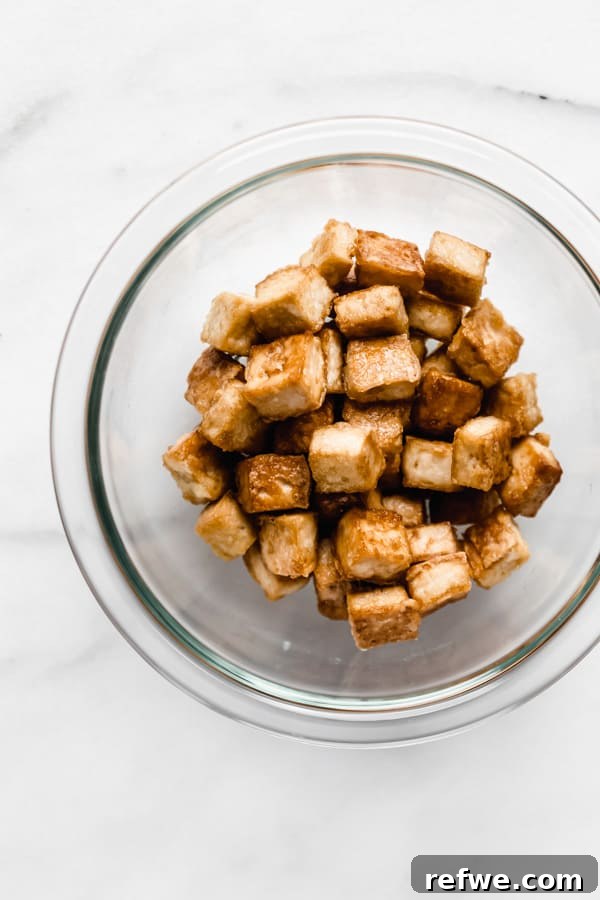
- Achieving the Ultimate Crispy Baked Tofu: For a super crispy exterior that boasts a glorious golden-brown color and a satisfyingly crunchy bite, always begin by pressing and cutting your tofu into desired shapes (cubes, triangles, or slabs). Then, toss the pieces generously in 1-2 tablespoons of cornstarch or arrowroot powder to create a light, even coating. Arrange the tofu in a single layer on a parchment-lined baking sheet, ensuring there’s ample space between pieces to prevent steaming. Bake at a high temperature, typically between 400-425 degrees F (200-220 degrees C), for 20-30 minutes, remembering to flip the pieces halfway through for even browning. This combination of high heat and the starch coating is absolutely paramount for achieving that coveted, irresistible crunch.
- Mastering Pan-Frying or Deep-Frying Tofu: When frying tofu, whether you’re pan-frying for a quick, golden sear or deep-frying for ultimate indulgence, always opt for extra-firm tofu and exert maximum effort to press out as much liquid as possible. This crucial step not only significantly reduces oil splattering but also ensures the tofu can achieve that coveted, remarkably crispy, and beautifully golden-brown crust. Use a neutral, high-heat cooking oil, and crucially, avoid overcrowding the pan or fryer basket, which can lower the oil temperature and lead to soggy tofu.
- The Golden Rule for Marinating Tofu: Skip the Oil in the Marinade! When crafting your delicious marinades, it is generally best practice to completely skip adding olive oil or other common cooking oils (unless it’s a very small amount of a highly flavorful oil like toasted sesame oil, added purely for its aromatic contribution). The scientific reason is simple: water and oil do not mix. Since tofu is primarily water-based, even after thorough pressing, oil in the marinade can create an oily barrier on the tofu’s surface, effectively preventing the tofu from absorbing all the other delicious, water-soluble flavors present in your marinade. Instead, add your cooking oil directly to the pan or baking sheet when you are ready to cook the tofu, allowing the tofu to absorb maximum flavor from the marinade first.
- Perfecting Stir-Fried Tofu: For succulent, deeply flavorful, and beautifully textured stir-fried tofu that avoids sticking or becoming mushy, cook it on a consistently high heat and don’t be afraid to use a sufficient amount of oil in your pan or wok. Since tofu has very little natural fat to begin with, it benefits significantly from a good couple of tablespoons of high-heat oil to properly brown and crisp up. Allow the tofu to cook undisturbed on each side until it develops a gorgeous golden-brown crust before flipping. This meticulous technique consistently yields super crispy, intensely flavorful tofu that holds its own brilliantly in any stir-fry dish.
- Freeze for a Chewier, Meatier Texture: For a distinctively firmer, chewier, and even meatier texture that absorbs marinades exceptionally well, try freezing your pressed (firm or extra-firm) tofu. Simply place the whole block, or pre-cut pieces, in a freezer-safe bag or container and freeze until solid. Once completely thawed, the tofu will have a visibly more porous, spongy texture and will release even more water when pressed again. This unique textural transformation makes it an absolute dream for absorbing marinades and achieving a satisfying chewiness in cooked dishes.
- Choosing Organic Tofu: A Healthier and More Conscious Choice: Whenever possible, make the conscious choice to opt for organic tofu. Soy is a crop that is unfortunately frequently sprayed with various pesticides, and genetically modified (GM) soy is also common in conventional farming. By purchasing organic tofu, you ensure you are consuming non-GMO tofu that is free from these potentially harmful chemicals, making it a healthier, safer, and more environmentally conscious choice for you and your family.
- Avoid Overcrowding the Pan or Baking Sheet: This is a crucial rule for achieving crispy tofu, regardless of the cooking method. Whether you are baking, pan-frying, or stir-frying, always ensure your tofu pieces are arranged in a single layer with sufficient space between each piece. Overcrowding a pan or baking sheet dramatically lowers the cooking temperature and creates steam, which is the arch-enemy of crispiness. Steam will prevent the tofu from browning and crisping up properly. If necessary, cook your tofu in multiple smaller batches to ensure perfectly crispy results every time.
Your Most Common Tofu Questions, Answered Comprehensively
Let’s address some of the frequently asked questions about this incredibly versatile and nutritious plant-based protein, providing clear and detailed answers to enhance your understanding and confidence.
- Can I eat raw tofu? Yes, absolutely! Tofu is entirely safe to consume directly from the package, both cooked and raw. In fact, softer variations of tofu, such as silken and soft, are particularly delightful when enjoyed raw (or gently warmed in a flavorful broth or sauce), offering a delicate, creamy texture. Firmer variations of tofu, while safe raw, generally taste best and have a more appealing texture when cooked, as cooking enhances their firmness and allows them to absorb flavors more deeply. Always ensure your tofu is fresh, properly stored, and from a reputable source.
- Is it okay to eat tofu every day? For the vast majority of individuals, incorporating tofu daily as a regular part of a balanced and varied diet is perfectly healthy and can even be highly beneficial. Tofu is a nutrient-dense food that contributes significantly to protein intake, especially for those adhering to plant-based diets. While historical concerns about soy intake have been raised, extensive and robust scientific research generally supports the safety and potential health benefits of regular soy consumption for healthy individuals. However, if you have a known soy sensitivity, allergy, or specific underlying health conditions (such as certain thyroid disorders), it is always prudent to consult with a healthcare professional or a registered dietitian to determine the most appropriate dietary choices for your individual needs.
- What does tofu taste like? On its own, tofu possesses a remarkably mild, almost neutral flavor profile, which can sometimes be described as subtly nutty or faintly beany. Crucially, this neutral quality is one of its greatest culinary assets! Its inherent blandness is precisely what allows it to fully absorb and showcase the vibrant flavors of whatever marinades, sauces, or seasonings you choose to cook it with. Tofu is truly a culinary chameleon, capable of transforming to adopt sweet, savory, spicy, umami, or tangy notes with impressive ease. Approach it not as a substitute that “should taste like chicken or beef,” but rather as a unique ingredient with the exceptional ability to become whatever delicious flavor you desire.
- Is tofu healthy? Yes, tofu is unequivocally an incredibly healthy food! As previously highlighted, it is a complete protein, meaning it contains all the essential amino acids our bodies need. It is also notably low in saturated fat, entirely cholesterol-free, and a commendable source of dietary fiber, iron, calcium, and other vital minerals such like magnesium and zinc. Tofu’s plant-based nature and rich nutrient profile contribute significantly to heart health, promote strong bones, and support overall well-being. It stands as a fantastic, versatile staple for anyone seeking to incorporate more wholesome, nutrient-dense plant-based foods into their diet.
- Can I freeze tofu? Absolutely, tofu freezes exceptionally well, and doing so can actually dramatically enhance its texture for certain applications! Freezing tofu is not only an excellent way to preserve it for later use but also a clever trick to achieve a chewier, more “meaty” consistency. If you have leftover tofu in an opened package, simply wrap it tightly in plastic wrap or place it in a freezer-safe bag. You can even freeze an unopened block in its original packaging. Once thawed, the tofu will exhibit a much chewier, meatier, and significantly more porous texture, making it even more adept at absorbing marinades and achieving wonderfully crispy results when cooked. To use, simply thaw it completely (you can even press it lightly again to remove any extra water released during thawing) and then proceed with your chosen recipe.
Ready to Cook? Delicious Tofu Recipes to Ignite Your Culinary Inspiration!
Now that you’re thoroughly equipped with a wealth of knowledge and expert techniques on how to master tofu, it’s the perfect time to put your newfound skills to the test! Here’s a carefully curated list of truly delicious and diverse tofu recipes that will undoubtedly inspire your next plant-based culinary adventure. From savory, handheld sandwiches to richly flavored curries and crispy delights, there’s an exciting tofu dish here to satisfy every craving and suit every occasion.
- Tofu Banh Mi Sandwich
- Kung Pao Tofu
- Tofu Tikka Masala
- Scrambled Tofu Breakfast Tacos
- Spicy Baked Peanut Butter Tofu
- 15-Minute Lemongrass Tofu
- Tofu Satay with Cauliflower Fried Rice
- Thai Red Curry Tofu Tacos
- Thai Coconut Curry Tofu
- Banh Mi Bowls with Sticky Tofu
- Vegan Pad Thai
- Vegan Bibimbap
- Vegan Poke Bowls