
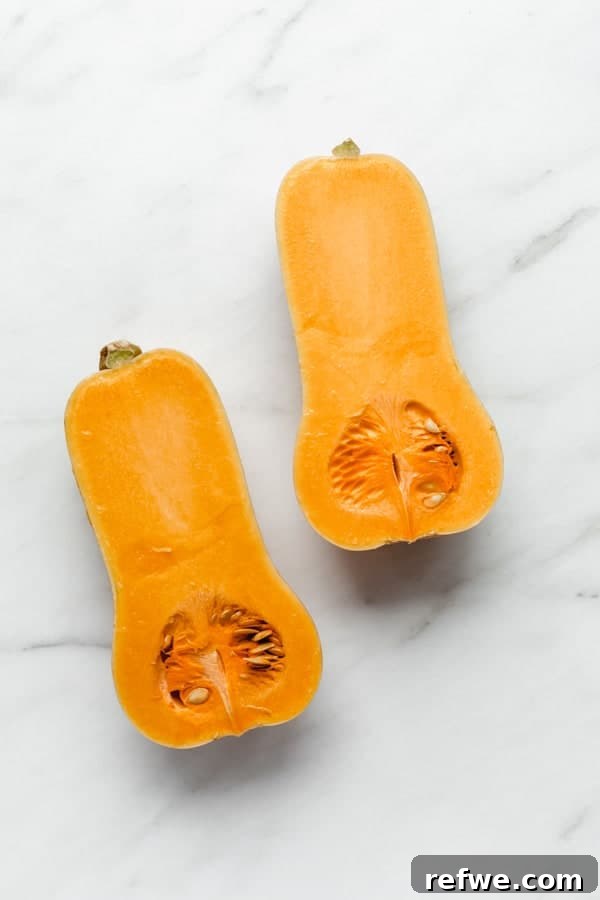
Butternut squash is a quintessential ingredient for adding warmth, rich flavor, and essential nutrients to your culinary creations. This ultimate guide offers expert tips and detailed instructions on how to perfectly prepare and cook butternut squash, ensuring delicious results every time. Whether you’re a seasoned chef or a home cooking enthusiast, master the art of transforming this versatile winter squash into comforting and healthy meals.
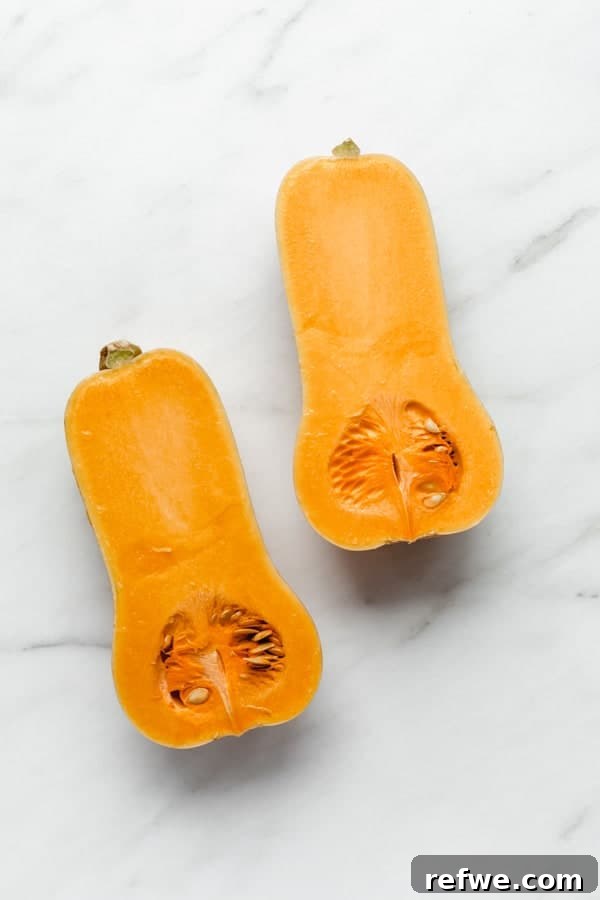
What is Butternut Squash? A Versatile Winter Delight
Butternut squash is a highly popular variety of winter squash, easily recognized by its distinctive bell-like or oblong shape, tough golden-tan skin, and vibrant orange flesh. It boasts a naturally sweet, nutty, and slightly earthy flavor profile that becomes even more pronounced and delicious when cooked. Often used in savory dishes, its inherent sweetness also makes it a fantastic addition to various sweet recipes.
Botanically speaking, butternut squash is classified as a fruit because it contains seeds, though culinarily it is almost universally treated as a vegetable. It’s a true superstar of fall and winter cuisine, making appearances in everything from hearty soups and stews to comforting roasted side dishes and even desserts. Its creamy texture when cooked makes it a favorite for purees and sauces.
Beyond its delightful taste and versatility, butternut squash is an excellent source of numerous essential nutrients, making it a powerful addition to any healthy diet. It’s exceptionally rich in Vitamin A (primarily in the form of beta-carotene, which gives it its signature orange hue), Vitamin C, Vitamin E, and several B vitamins. Additionally, it provides significant amounts of dietary fiber, potassium, magnesium, and manganese. These nutrients contribute to improved vision, enhanced immune function, healthy skin, and robust digestive health, making butternut squash not just tasty, but incredibly good for you.
How to Select the Perfect Butternut Squash
Choosing a ripe and flavorful butternut squash is the first step to a delicious meal. Follow these expert tips to ensure you pick the best squash at the grocery store or farmer’s market. These guidelines can also be applied when selecting other varieties of winter squash.
- Feel the Weight: Always pick a squash that feels surprisingly heavy for its size. A heavier squash indicates denser flesh and less water content, which translates to more flavor and a better texture when cooked. This density is a key indicator of quality and ripeness.
- Inspect the Skin for Blemishes: While small scratches or minor imperfections on the skin are generally normal and cosmetic, always steer clear of any squash with soft spots, deep cuts, or mushy areas. These are clear indicators that the squash may be bruised internally or has begun to spoil. A healthy squash should have firm, unbroken skin all around, without any dark, sunken, or moldy patches.
- Examine the Color and Texture: Look for a squash with a uniform, deep beige to golden-tan color. The skin should ideally be more matte than shiny. A shiny skin can sometimes indicate that the squash was picked too early and isn’t fully ripe, while a duller, matte finish often suggests ripeness and full flavor development. Avoid any squash with green patches, as this also indicates immaturity.
- Tap for Sound: Gently make a fist and knock on the squash. A good, ripe butternut squash should produce a hollow sound, similar to tapping on a ripe watermelon. This resonant sound signifies that the squash is mature and has a healthy, desirable internal structure, not over-watered or stringy.
Once you’ve selected your ideal butternut squash, proper storage is key to maintaining its freshness. Uncut butternut squash can be stored in a cool, dry place, like a pantry or cellar, for an impressive period of one to two months, sometimes even longer, thanks to its thick, protective skin. Avoid refrigerating whole squash as cold temperatures can degrade its flavor and texture.
Essential Tools for Preparing Butternut Squash
Prepping butternut squash can seem daunting due to its tough skin, but with the right tools, it becomes a smooth and safe process. Here’s what you’ll need to efficiently prepare your squash for cooking:
- A Sharp Chef’s Knife: This is arguably the most crucial tool. A sharp, heavy-duty chef’s knife is essential for safely and effectively cutting through the squash’s hard exterior. Using a dull knife will require more force, increasing the risk of slips and injury, and making it difficult to achieve clean, even cuts. Safety first when handling tough vegetables!
- Sturdy Cutting Board: Ensure your cutting board is stable and doesn’t slip on your counter. Placing a damp paper towel or a non-slip mat underneath can prevent it from sliding, adding an important layer of safety during the cutting process. A large board provides ample space for handling the squash.
- Vegetable Peeler: A good quality vegetable peeler (either a swivel or Y-peeler) will make removing the tough skin much easier. While not always necessary for certain cooking methods like roasting halves, it’s indispensable for cubing or dicing the squash, ensuring a tender bite in every piece.
- Large Spoon or Ice Cream Scoop: To efficiently scoop out the seeds and stringy pulp from the squash cavity, a sturdy spoon or an ice cream scoop works wonders. Its sturdy edge makes quick work of cleaning out the squash.
- Baking Sheet and Parchment Paper: When roasting butternut squash, lining your baking sheet with parchment paper is highly recommended. It prevents the squash from sticking to the tray, promotes better caramelization for enhanced flavor and color, and makes cleanup significantly easier, saving you scrubbing time.
- Optional: Pastry Brush or Tongs: A pastry brush is useful for evenly coating squash pieces with olive oil or other seasonings before roasting. Tongs can be handy for tossing and flipping the squash during cooking to ensure even browning.

Step-by-Step Guide to Slicing Butternut Squash
Slicing butternut squash can seem challenging due to its firm flesh and awkward shape, but with the right technique and a sharp knife, it becomes much simpler and safer. Follow these steps for efficient preparation:
- 1. Wash and Stabilize: Begin by thoroughly washing the exterior of the butternut squash under cold running water to remove any dirt or residues. Dry it completely with a clean kitchen towel. Place the squash on a stable, non-slip cutting board to prevent it from rolling during the cutting process.
- 2. Trim the Ends for Stability: Using your sharp chef’s knife, carefully slice off the top ½ to 1 inch of the squash where the stem was. Repeat this process for the bottom ½ to 1 inch (the base). Trimming both ends creates flat, stable surfaces, which are crucial for safely handling and cutting the squash.
- 3. Peel the Skin (Optional but Recommended for Cubes): This step is often debated and depends on your recipe. If you plan to roast the squash in large halves or wedges and then scoop out the tender flesh for pureeing (like for soup), peeling beforehand isn’t strictly necessary as the skin becomes tender enough to remove easily after cooking. However, if you’re dicing or cubing the squash for roasting, stir-fries, or other applications where the skin would be tough to eat, a sharp vegetable peeler is recommended. Peel carefully from top to bottom, removing all the tough outer skin. For an easier peel, refer to our “Smart Butternut Squash Preparation Hacks” section for a helpful microwave trick.
- 4. Halve the Squash Lengthwise: Stand the squash upright on one of its trimmed flat ends. Carefully and slowly slice it in half lengthwise, from top to bottom, often referred to as “hot dog style.” You will now have two equal halves. Always be mindful of the knife’s path and keep your fingers safely tucked away.
- 5. Deseed the Cavity: Using a sturdy spoon or an ice cream scoop, thoroughly scrape out the stringy flesh and seeds from the hollow cavity of both halves. Discard the pulp, but don’t toss the seeds just yet! Butternut squash seeds can be cleaned, seasoned, and roasted for a delicious, crunchy snack, similar to pumpkin seeds.
- 6. Slice into Desired Shapes: From here, you have several options depending on your specific recipe:
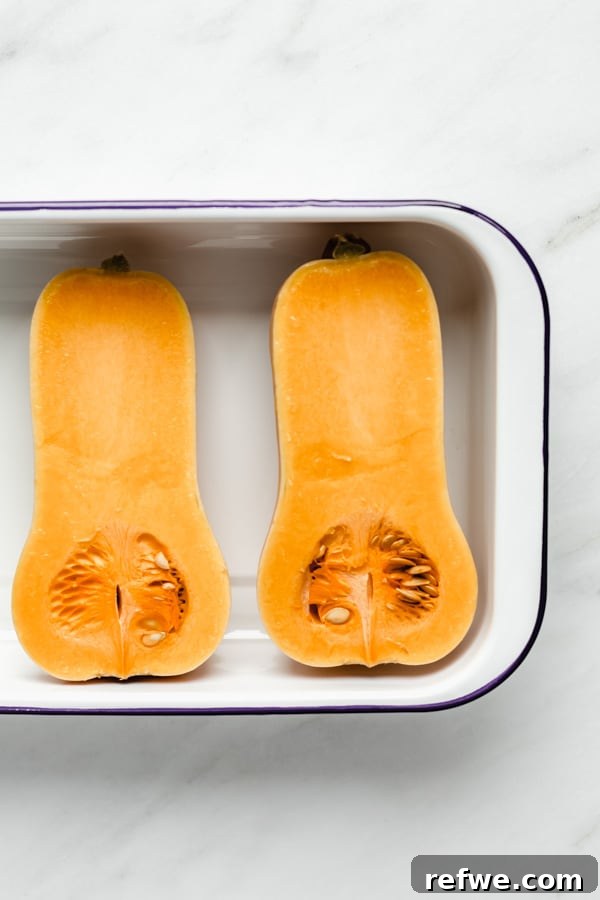
- For Roasting Halves: You can simply leave the halves as they are, ready to be seasoned and roasted. This is ideal for stuffing or when you plan to scoop out the flesh for purees.
- For Cubes or Dices: If you’re making roasted butternut squash cubes, purees, or adding them to stews or curries, slice each half vertically into planks (about ½ to 1 inch thick), then turn the planks and dice them into uniform ½-inch to 1-inch cubes. Consistency in size is key for even cooking.
- For Wedges or Rounds: Cut the halves into thicker wedges for a heartier side dish. If desired, you can even slice the unpeeled squash into rounds before peeling the outer rim, though this method is less common.
- 7. Store Prepared Squash: If you’re not using the sliced or cubed squash immediately, it can be stored in an airtight container in the refrigerator for up to 3 to 5 days. For longer storage, freeze the prepared squash. Spread the cubes in a single layer on a baking sheet and freeze until solid to prevent clumping, then transfer to a freezer-safe bag or container. It will keep well for up to three months, perfect for quick meal prep.
Mastering How to Cook Butternut Squash
Butternut squash is incredibly versatile and can be cooked in numerous ways, each yielding a slightly different texture and flavor profile. However, **roasting remains the most popular, efficient, and flavor-enhancing method**, bringing out its natural sweetness and creating wonderfully caramelized edges. It can be roasted in various forms, but cutting it in half or into uniform cubes are the most common and practical approaches for optimal results.
Roasting Butternut Squash: The Essential Method
Roasting transforms butternut squash, making it perfect as a delicious side dish, a hearty addition to salads, or a flavorful base for purees and soups.
- Preparation for Roasting:
- Seasoning: Whether you’re roasting halves or cubes, toss the squash pieces with a generous drizzle of good quality olive oil or avocado oil. Season simply yet effectively with salt and freshly ground black pepper. For added depth of flavor, consider incorporating fresh herbs like rosemary, thyme, or sage. Spices such as cinnamon, nutmeg, a pinch of cayenne pepper, or smoked paprika can also enhance its natural sweetness or add a savory kick, depending on your desired outcome.
- Arrangement: Spread the seasoned squash pieces in a single layer on a parchment-lined baking sheet. It is crucial to avoid overcrowding the pan, as this will cause the squash to steam rather than roast, preventing optimal caramelization and browning. Use two baking sheets if necessary to ensure ample space between pieces.
- Optimal Roasting Temperature: The secret to perfectly roasted butternut squash lies in a hot oven. **The ideal temperature range is 400-425 degrees F (200-220 degrees C).** A high temperature ensures that the exterior caramelizes beautifully, developing rich flavors and a slightly crisp texture, while the interior becomes incredibly tender and creamy.
- Roasting Times: Cooking times will vary depending on the size and cut of your squash, as well as your oven’s calibration:
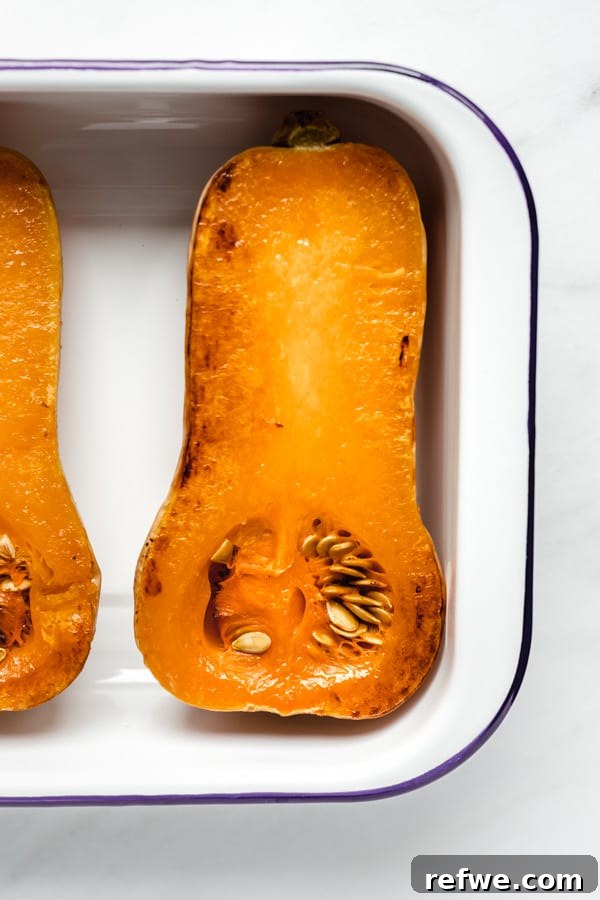
- Large Halves: If roasting a whole large squash cut in half, it will typically take anywhere from 30-60 minutes to roast. The exact time depends significantly on the squash’s size and thickness. It’s done when the flesh is easily pierced with a fork and the cut edges show appealing signs of golden-brown caramelization.
- Cubed Squash: Butternut squash cut into uniform ½-inch to 1-inch cubes will generally roast faster, requiring about 25-35 minutes. For even browning and tenderness, toss the cubes halfway through the cooking time. They are ready when they are fork-tender and exhibiting delicious browned and slightly crispy edges.
- Doneness Check: Regardless of the cut, the squash should be fork-tender throughout, meaning a fork slides into the thickest part with minimal resistance. The exterior should also have a lightly browned, caramelized crust. This indicates maximum flavor development and a desirable texture.
- Storage of Cooked Squash: Once roasted, allow the squash to cool completely to room temperature before storing. Transfer it to an airtight container and keep it in the refrigerator for about three to five days. Cooked butternut squash also freezes exceptionally well; portion it into freezer-safe bags or containers and it will last for up to three months, perfect for future meals.
Other Popular Cooking Methods for Butternut Squash
While roasting is a beloved method, don’t hesitate to explore other cooking techniques to bring out different facets of butternut squash’s flavor and texture:
- Steaming or Boiling: These methods are ideal for achieving a very tender texture without browning, making them perfect for purees, baby food, or when you need a smooth consistency. Peel and cube the squash, then steam until tender (about 10-15 minutes) or boil in lightly salted water (about 15-20 minutes, depending on cube size).
- Slow Cooking: Perfect for hands-off preparation, especially for soups, stews, or mashed squash. Simply add cubed squash to your slow cooker with a bit of liquid (vegetable broth or water) and let it cook until exceptionally tender, usually 3-4 hours on high or 6-8 hours on low.
- Pressure Cooking (Instant Pot): An incredibly fast and efficient method for perfectly tender squash. Cut the squash into cubes or halves, add about a cup of water or broth to the Instant Pot, and cook on high pressure for 7-10 minutes, followed by a quick pressure release.
- Air Frying: For crispier, smaller batches of cubed squash, air frying is a fantastic modern option. Toss the cubed squash with olive oil and seasoning, then air fry at 375-400°F (190-200°C) for 15-20 minutes, shaking the basket occasionally, until the squash is tender on the inside and beautifully browned and slightly crispy on the outside.
Smart Butternut Squash Preparation Hacks
Beyond the basics, these clever tips and tricks can make preparing butternut squash even easier, more efficient, and more enjoyable, helping you get the most out of this versatile winter vegetable:
- Easy Peeling with the Microwave: If you find peeling raw butternut squash challenging due to its exceptionally hard skin, a quick zap in the microwave can work wonders to soften it. Begin by cutting several deep slits into the skin with a sharp knife (this is crucial to allow steam to escape and prevent the squash from bursting!). Then, microwave the squash on high for 3-5 minutes. Let it rest for 1-2 minutes until it’s cool enough to handle, and you’ll find the softened skin much easier to remove with a vegetable peeler or even a knife. This trick significantly reduces the effort required for peeling and makes the process much safer.
- Pre-Cut vs. Fresh: While pre-cut butternut squash available in grocery stores can save a significant amount of time and effort, it often comes at a higher cost and may not always be as fresh or flavorful as a whole squash. For the best taste, texture, and value, cutting your own squash and freezing it for later use is highly recommended. This approach not only ensures peak freshness but also actively helps in reducing food waste by allowing you to prepare large batches and use them precisely as needed, preventing spoilage.
- Embrace Spiralizing for Healthy Alternatives: For a fun and healthy alternative to traditional pasta, try spiralizing butternut squash! A spiralizer can transform butternut squash into long, thin “noodles” or “fettuccine” strands. These squash noodles are fantastic lightly sautéed, roasted, or even eaten raw in salads for added crunch and nutrition. They offer a unique texture and are a great way to incorporate more vegetables into your diet, especially when making recipes like spiralized butternut squash pasta or adding to Asian-inspired dishes.
- Don’t Waste the Seeds: Just like pumpkin seeds, the seeds from butternut squash are perfectly edible and delicious when roasted! After scooping them out, rinse them thoroughly under cold water to remove any clinging pulp, then pat them completely dry with a towel. Toss the cleaned seeds with a little olive oil and salt (or your favorite spices like chili powder, garlic powder, or smoked paprika), and roast at 300°F (150°C) for 15-20 minutes, or until they are golden brown and delightfully crisp. They make a fantastic, nutritious snack or a crunchy topping for salads, soups, and yogurt.
Butternut Squash Frequently Asked Questions
Here are answers to some of the most common questions about butternut squash, providing you with even more insights to confidently cook and enjoy this fantastic winter vegetable:
- How long can you store butternut squash?
- Uncooked and Uncut: Whole, raw butternut squash has an impressive shelf life. When stored in a cool, dark, and dry place (like a pantry, cellar, or even a countertop away from direct sunlight), it can stay fresh for an extended period, typically one to three months, sometimes even longer, thanks to its robust, thick skin.
- Once Sliced or Cubed: Prepared but uncooked butternut squash (sliced or cubed) should be stored in an airtight container in the refrigerator and used within 3 to 5 days to maintain freshness and prevent spoilage.
- Cooked: Cooked butternut squash can be stored in an airtight container in the fridge for up to 3 to 5 days. For longer preservation, cooked butternut squash also freezes exceptionally well for up to 3 months, making it excellent for meal prepping.
- Can you eat butternut squash raw?
Technically, yes, you can eat butternut squash raw, though it’s not commonly recommended or widely enjoyed. Raw butternut squash is quite tough, starchy, and has a milder, less developed flavor compared to its cooked counterpart. While it can be thinly shaved into salads for texture, cooking the squash vastly improves its texture, making it tender and creamy, and significantly enhances its natural sweetness and nutty flavors, making it much more palatable and delicious.
- What does butternut squash taste like?
Butternut squash has a distinctive and appealing flavor profile that makes it a favorite. It is primarily sweet, with strong nutty, earthy, and sometimes buttery undertones. Many people describe its taste as a pleasant cross between sweet potato and pumpkin, with a hint of butterscotch when fully roasted and caramelized. Its smooth, creamy texture when cooked also contributes significantly to its delightful eating experience.
- Do you peel butternut squash before cooking?
It depends on how you plan to use it. If you are cubing or dicing the squash for roasting, stir-fries, curries, or other dishes where the skin would be tough and unpleasant to eat, then yes, you should peel it before cooking using a vegetable peeler. However, if you are roasting the squash in two halves (especially for purees or soups where you’ll simply scoop out the tender flesh), you don’t necessarily need to peel it beforehand. The skin softens during cooking, making it easy to scoop out the cooked flesh once it’s done.
- Can you eat the skin of butternut squash?
While the skin of some squash varieties, like delicata squash, is thin and perfectly edible (and often left on), butternut squash skin is generally considered too tough and fibrous to be enjoyable to eat. Even after cooking, it typically remains quite firm and unappetizing for most people. For the best culinary experience, it’s best to peel butternut squash if you intend to consume the whole piece, or simply scoop out the tender flesh from cooked halves.
- Can you cook butternut squash in the microwave?
Absolutely! The microwave is a great option for quickly softening butternut squash, whether you intend to finish cooking it or just soften it for easier peeling. To cook it, wash the squash, make several deep slits or pierce it all over with a knife (this is vital to prevent steam buildup and potential explosion), and place it on a microwave-safe plate. Cook on high power for about 10-15 minutes, depending on the size of the squash, or until it feels tender when pierced with a fork. Let it cool slightly before handling, then you can easily scoop out the flesh for purees, or proceed with peeling if needed for other recipes.
- Is butternut squash healthy?
Yes, butternut squash is exceptionally healthy and a nutritional powerhouse! It’s a low-calorie, nutrient-dense food packed with essential vitamins, minerals, and dietary fiber. It’s an excellent source of beta-carotene (which converts to Vitamin A, crucial for vision and skin health), Vitamin C (for immune support), Vitamin E, several B vitamins, potassium (important for blood pressure), and magnesium. These nutrients collectively support vision, immune health, digestion, and overall well-being, making it a fantastic addition to a balanced diet.
- Can I freeze cooked butternut squash?
Yes, cooked butternut squash freezes very well, making it ideal for meal prepping. Once cooked (e.g., roasted, steamed, or pureed), let it cool completely to room temperature. You can then transfer it to freezer-safe bags or airtight containers. For best results, portion it into single-serving sizes. It will maintain its quality in the freezer for up to 3 months. This is perfect for quickly adding to soups, smoothies, sauces, or even for making homemade baby food.
Inspiring Butternut Squash Recipes to Try
Now that you’re a butternut squash preparation expert, it’s time to put your newfound skills to the test! This incredibly versatile squash shines in a wide array of dishes, offering both sweet and savory applications. Here are some delectable butternut squash recipes to inspire your next culinary adventure, ranging from hearty mains to comforting sides and nourishing soups:
- Creamy Vegan Butternut Squash Mac and Cheese: A healthier, dairy-free twist on a classic comfort food, featuring the rich, velvety creaminess of butternut squash for an irresistible sauce.
- Date Night Roasted Butternut Squash Risotto: An elegant and deeply flavorful risotto, perfect for a special evening, showcasing the tender sweetness of perfectly roasted squash in a creamy Arborio rice base.
- Homemade Butternut Squash Ravioli with Garlic Infused Olive Oil: Indulge in delicate homemade pasta pockets filled with a sweet and savory butternut squash mixture, exquisitely finished with aromatic garlic-infused olive oil.
- Quick and Easy Instant Pot Butternut Squash Soup: A velvety smooth and incredibly flavorful soup, made effortlessly and quickly in your Instant Pot for a warm, satisfying, and wholesome meal on any busy day.
- Nourishing Butternut Squash and Ginger Detox Soup: A light yet deeply flavorful soup combining the wholesome goodness of butternut squash with the zing of fresh ginger and turmeric for a health-boosting, immune-friendly meal.
- Spicy Thai Butternut Squash Soup: A vibrant and aromatic soup with a delightful kick, blending the natural sweetness of squash with rich, complex Thai flavors like coconut milk, red curry paste, and lime.
- Comforting Butternut Squash and Apple Soup: A harmonious and comforting blend of sweet, roasted butternut squash and crisp, tart apples, creating a deliciously balanced and soul-warming soup perfect for autumn evenings.
- Hearty Curried Butternut Squash and Sweet Potato Soup: A robust and flavorful soup, combining the earthy warmth of curry spices with the natural sweetness of butternut squash and sweet potato for a truly satisfying and nutritious dish.
With these comprehensive tips, clever hacks, and inspiring recipes, you’re now well-equipped to confidently choose, prepare, and cook butternut squash, unlocking its delicious and nutritious benefits all season long!