
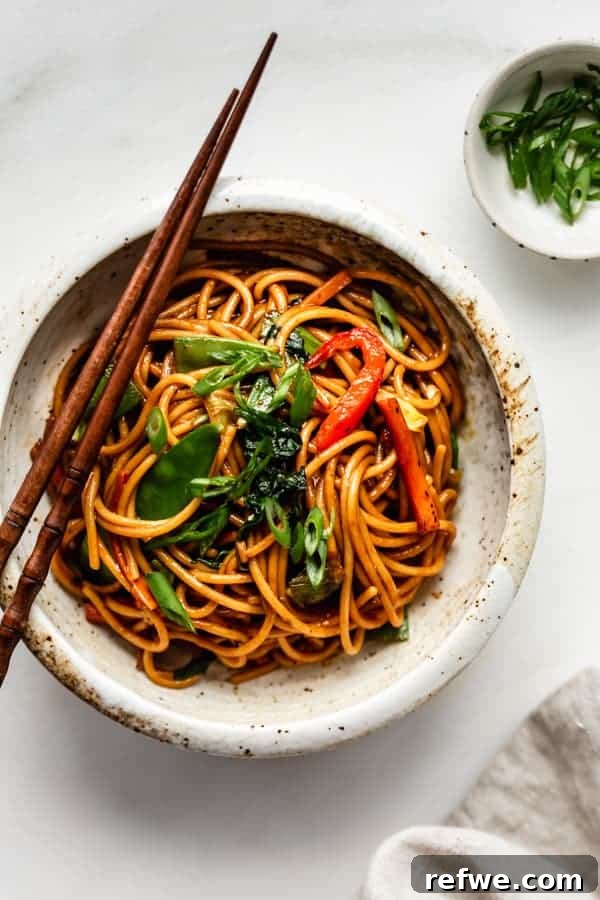
Looking for a delicious, quick, and healthy dinner that comes together in a flash? This Vegetable Lo Mein recipe is your answer! In under 30 minutes, you can create a vibrant, flavorful noodle dish that’s perfect for busy weeknights. It’s incredibly versatile, packed with good-for-you vegetables, and can easily be adapted to be gluten-free or vegan to suit your dietary needs. Say goodbye to takeout and hello to your new favorite homemade stir-fry!
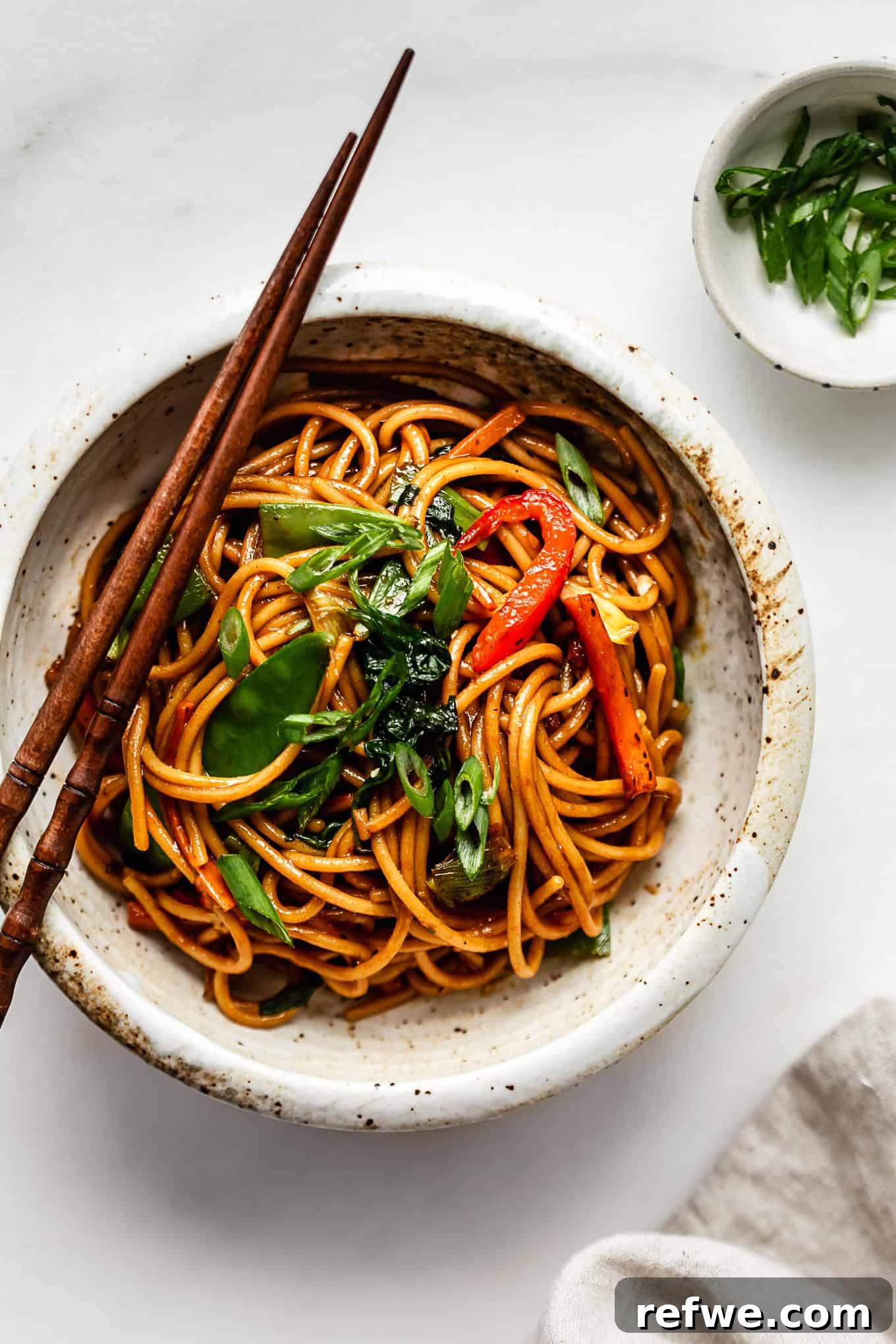
Healthy Vegetable Lo Mein: A Flavorful and Quick Weeknight Meal
When it comes to speedy and satisfying weeknight dinners, noodles are often my top choice. From zesty Thai Red Curry Noodles to savory Vegan Singapore Noodles, these dishes consistently deliver on flavor and convenience, typically requiring less than half an hour to prepare. They’re not just fast; they’re also wonderfully filling and utterly delicious, making them a staple in any busy household.
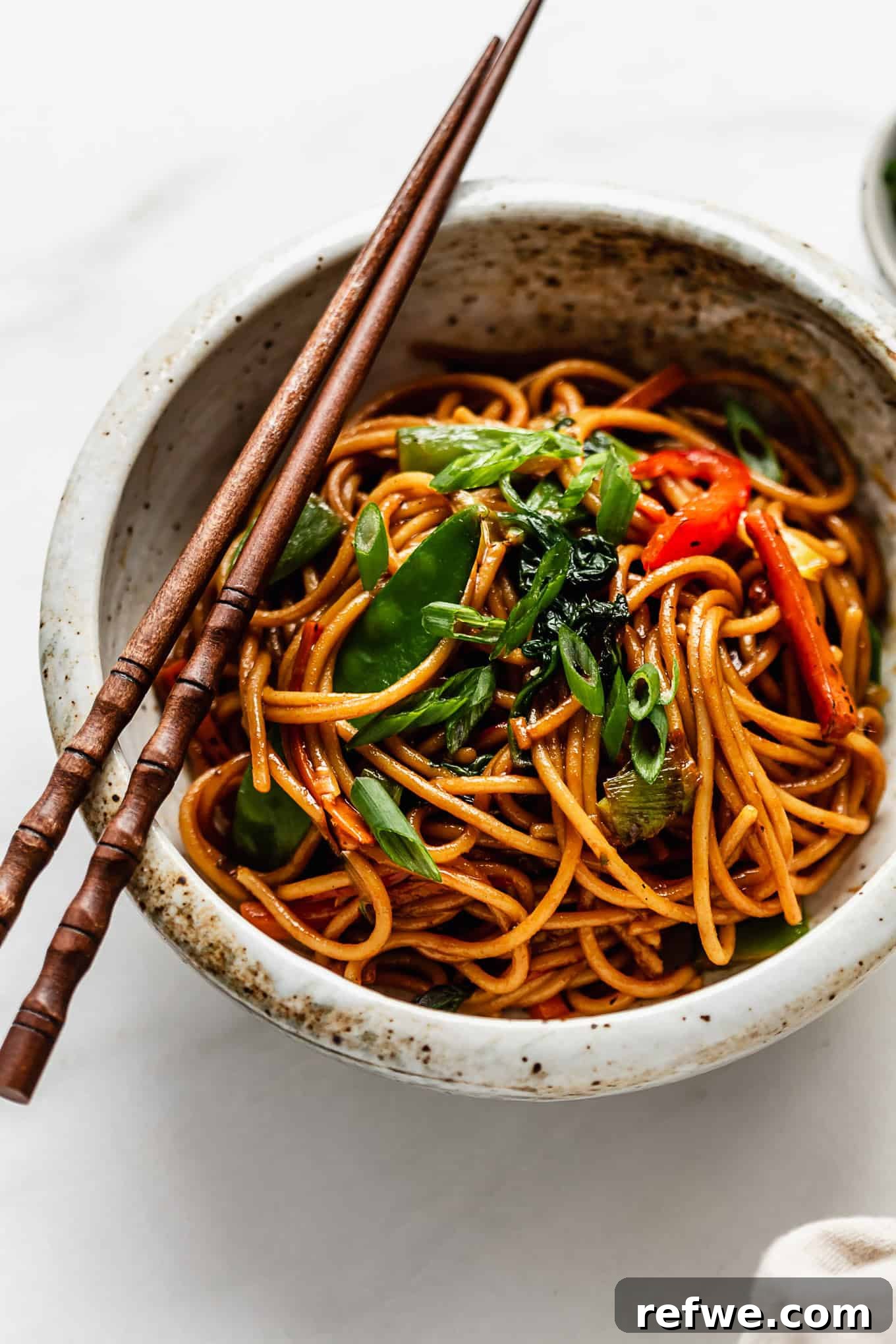
This particular recipe for Vegetable Lo Mein stands out for its generous inclusion of wholesome, fresh vegetables. Imagine a vibrant medley of crisp snow peas, tender spinach, sweet red bell peppers, and finely julienned carrots, all tossed with perfectly cooked noodles. But don’t feel limited to these suggestions! This recipe is incredibly adaptable, inviting you to add any other vegetables you adore, such as florets of broccoli, chopped kale, sliced mushrooms, or even bok choy. It’s a fantastic way to clear out your fridge and ensure you’re getting a rainbow of nutrients.
While rooted in traditional Chinese Lo Mein, this recipe offers my own simplified and health-conscious interpretation, perfect for home cooks. We focus on maximizing flavor with minimal fuss, ensuring every bite is as delicious as it is nourishing. The noodles are coated in a rich, balanced sauce featuring savory soy sauce, aromatic sesame oil, a hint of sweet coconut sugar, and the umami depth of vegetarian oyster sauce. For those seeking a gluten-free vegetable lo mein, simply opt for tamari instead of regular soy sauce and choose gluten-free noodles like rice spaghetti. If you’re aiming for a vegan lo mein, the vegetarian oyster sauce (which is mushroom-based) is already suitable, just ensure your noodles are egg-free.
Why This Easy Vegetable Lo Mein Will Become Your New Favorite
- Lightning-Fast Preparation: This recipe truly comes together in under 30 minutes, making it an ideal choice for those hectic weeknights when cooking time is precious. Spend less time in the kitchen and more time enjoying a wholesome meal.
- Fantastic for Meal Prep: These noodles are renowned for holding up exceptionally well in the fridge. Prepare a double batch and enjoy convenient, healthy leftovers for lunch or dinner the next day, saving you even more time.
- Packed with Nutrients & Fully Customizable: Loaded with fresh, vibrant vegetables, this dish is a powerhouse of vitamins and fiber. The recipe is incredibly flexible, allowing you to easily incorporate your favorite seasonal produce or whatever you have on hand, ensuring you never get bored.
- Healthier Takeout Alternative: Achieve authentic Lo Mein flavors at home with healthier ingredients and without the excess oil or sodium often found in restaurant versions. You control exactly what goes into your meal.
Essential Ingredients for a Delectable Veggie Lo Mein
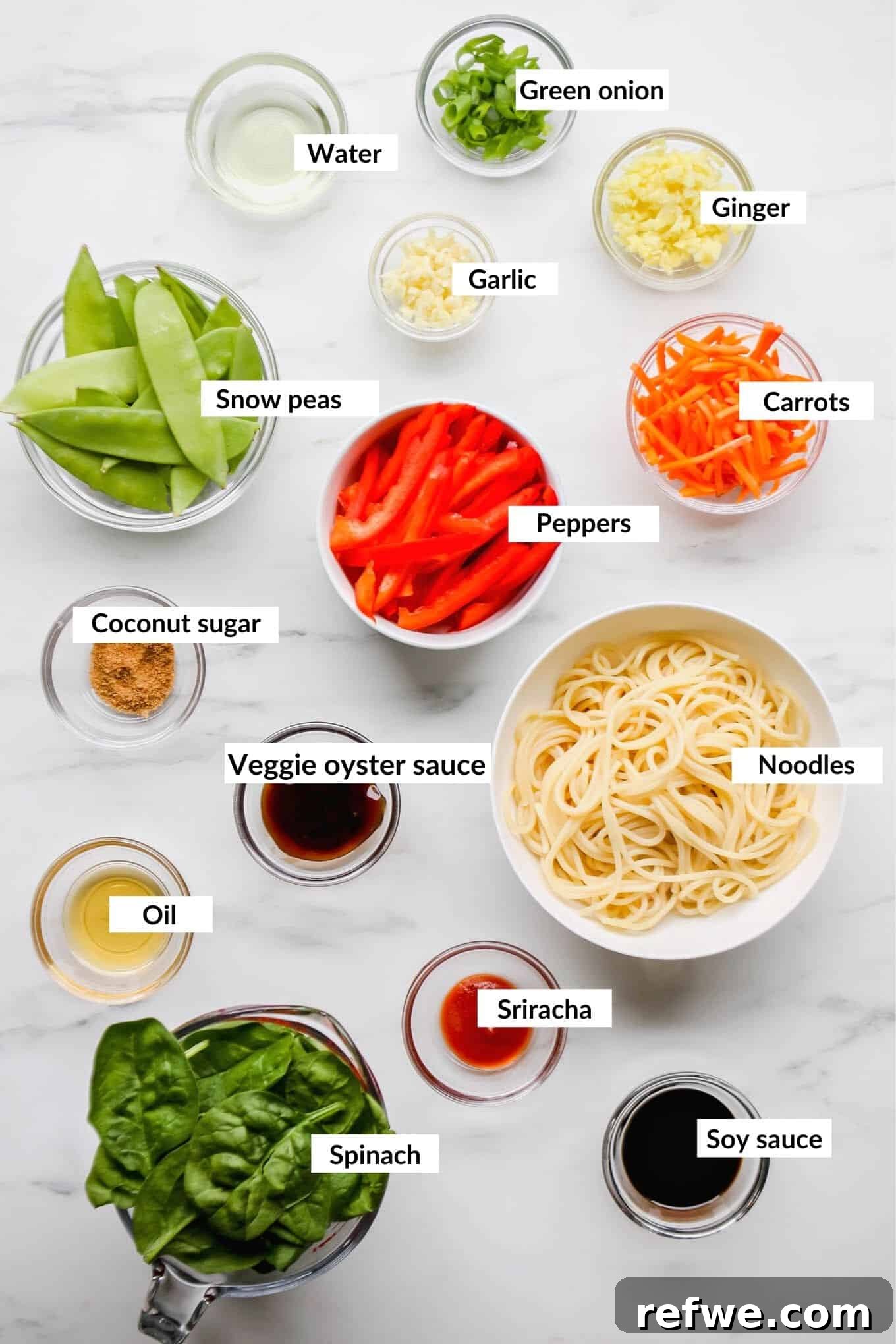
Creating this flavorful Vegetable Lo Mein requires a combination of fresh produce, hearty noodles, and a rich, savory sauce. Here’s a detailed look at the components that make this dish truly special:
Fresh Produce: The Heart of Your Lo Mein
- Green Onions: Adds a fresh, pungent onion flavor that brightens the dish. Used for both sautéing and garnishing.
- Fresh Ginger: Provides a warm, spicy, and aromatic kick that is quintessential in Asian cuisine.
- Garlic: Essential for a robust flavor base, offering a fragrant depth to the stir-fry.
- Carrots: Sliced into julienne strips, they add natural sweetness, color, and a pleasant crunch.
- Red Bell Peppers: Contributes vibrant color, a sweet flavor, and a tender-crisp texture.
- Snow Peas: Offer a delightful snap and subtle sweetness, enhancing the overall texture.
- Spinach: A nutritional powerhouse that wilts down beautifully, adding a mild, earthy flavor and a boost of greens. Feel free to use a generous amount, as it reduces significantly during cooking.
- Other great additions: Broccoli florets, sliced mushrooms, bok choy, snap peas, kale, or napa cabbage.
Noodles: The Foundation
- Lo Mein Noodles: Traditionally, these are Chinese egg noodles, known for their springy texture. You can find them fresh or dried in most Asian markets or the international aisle of larger supermarkets.
- Substitutes: If Lo Mein noodles are unavailable, regular spaghetti noodles make an excellent stand-in. For a gluten-free Lo Mein, use rice spaghetti or other gluten-free noodle varieties.
The Flavorful Lo Mein Sauce: The Soul of the Dish
- Vegetable Oil: For sautéing and stir-frying your aromatics and vegetables.
- Vegetarian Oyster Sauce: A key ingredient for umami depth and a rich, slightly sweet, and savory flavor. Made from mushrooms, it’s perfect for a vegetarian or vegan lo mein.
- Soy Sauce: The cornerstone of the sauce, providing essential saltiness and savory notes. For a gluten-free option, use tamari or a certified gluten-free soy sauce.
- Sesame Oil: Adds a distinctive nutty aroma and flavor, best added at the end or used sparingly in the stir-fry itself.
- Coconut Sugar: Balances the savory elements with a touch of natural sweetness. Regular granulated sugar can be substituted.
- Sriracha (Optional): For those who enjoy a little heat, Sriracha adds a pleasant spicy kick that complements the other flavors beautifully. Adjust to your preferred spice level.
- Water or Vegetable Broth: Used as needed to prevent sticking and create a luscious sauce consistency.
Unlocking the Secret to Perfect Lo Mein Sauce
Lo Mein sauce is more than just a condiment; it’s the rich, savory heart of the dish, tying all the ingredients together with its distinctive flavor profile. Traditionally, it’s crafted from a harmonious blend of soy sauce, aromatic sesame oil, and the deep umami of oyster sauce.
In this particular recipe, we’ve thoughtfully adapted the classic by utilizing vegetarian oyster sauce. This fantastic alternative is derived from mushrooms, primarily oyster mushrooms, offering all the complex, savory notes of traditional oyster sauce without any animal products. This makes our Lo Mein perfectly suitable for vegetarians and vegans alike, ensuring no compromise on taste or texture.
The resulting Lo Mein sauce is a masterful balance of flavors: distinctly salty from the soy sauce, subtly sweet from the coconut sugar, and profoundly savory with a hint of nuttiness from the sesame oil. It’s a robust, well-rounded sauce designed to generously coat every strand of noodle and vegetable, delivering a powerful punch of authentic Asian-inspired taste in every bite.
Choosing the Best Noodles for Your Lo Mein
The right noodles are crucial for achieving that authentic Lo Mein experience. The most common and traditional choice for Lo Mein is Chinese egg noodles. These noodles are known for their delightful chewiness and ability to absorb the rich sauce, making them ideal for stir-frying.
You can typically find Chinese egg noodles in various forms – fresh, dried, or even frozen – at most well-stocked grocery stores, especially in the international or Asian food aisle. If you have a local Asian market nearby, you’ll likely find an even wider selection of high-quality options.
However, if Chinese egg noodles are not readily available, don’t let that deter you! You have excellent alternatives:
- Plain Spaghetti Noodles: A widely accessible and surprisingly effective substitute. Their texture is similar enough to hold the sauce well.
- Rice Spaghetti/Gluten-Free Noodles: For those following a gluten-free diet, rice spaghetti or other gluten-free noodle varieties work perfectly. Just ensure they are boiled al dente to prevent them from becoming mushy during the stir-fry.
- Ramen Noodles (without seasoning packet): Can also be used in a pinch for a quick fix, though their texture might be slightly different from traditional Lo Mein noodles.
Regardless of your choice, the key is to cook the noodles according to package directions, being careful not to overcook them. Remember, they will continue to soften slightly when tossed with the hot vegetables and sauce in the pan.
How to Make the Best Vegetable Lo Mein: A Step-by-Step Guide
Creating this flavorful Vegetable Lo Mein is a straightforward process that yields incredibly satisfying results. Follow these simple steps for a perfect dish:
Step 1: Prepare Your Noodles to Perfection
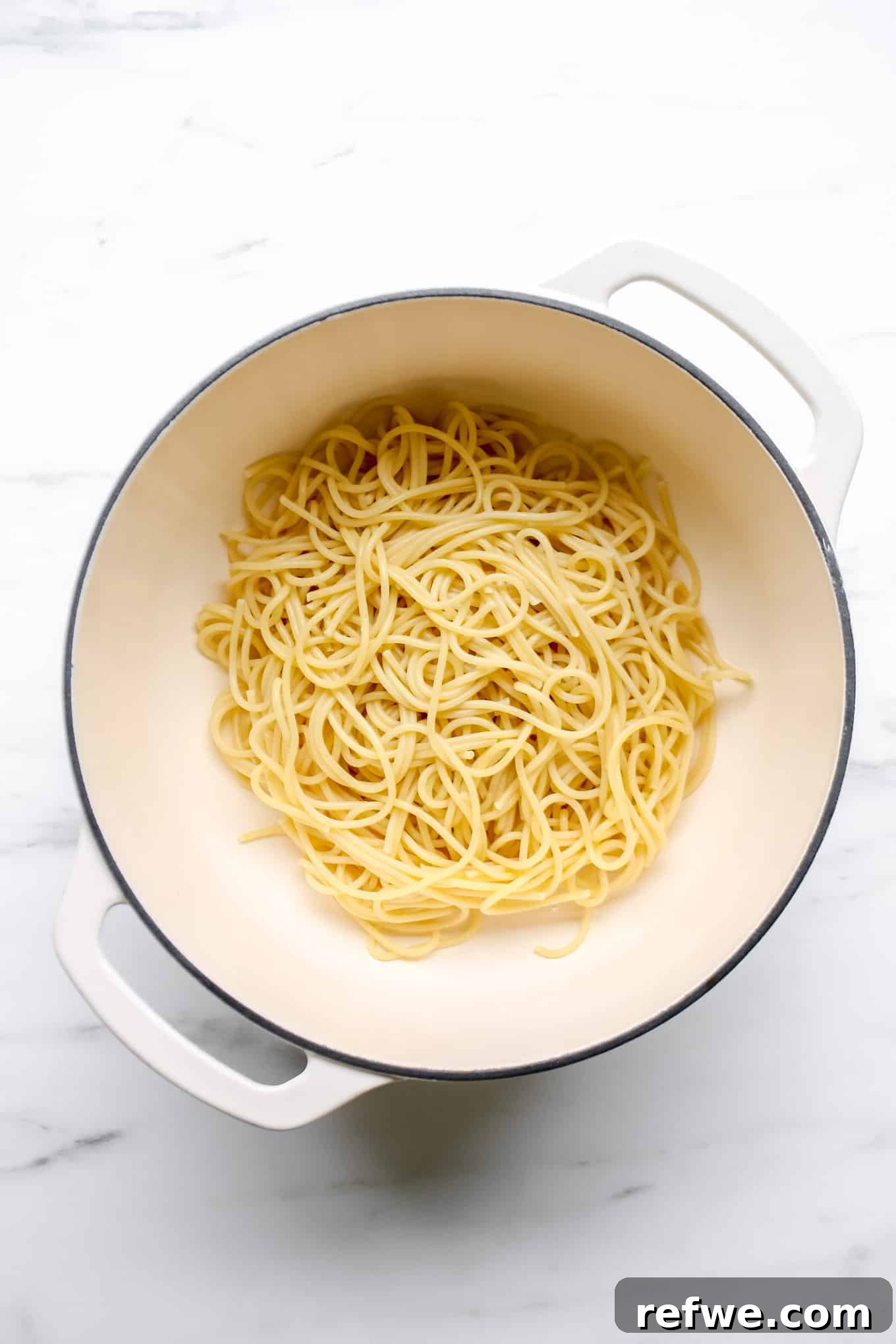
Begin by cooking your chosen Lo Mein noodles (or spaghetti/gluten-free alternative) in a large pot of boiling water, strictly following the package instructions. This is a critical step: ensure you cook them to be slightly undercooked, or “al dente.” They should still have a bit of a bite, as they will continue to cook and absorb flavor when you stir-fry them with the vegetables and sauce. Overcooked noodles can become mushy, so keep a close eye on them. Once cooked, drain them well and set aside.
Step 2: Sauté Aromatics and Stir-Fry Vegetables
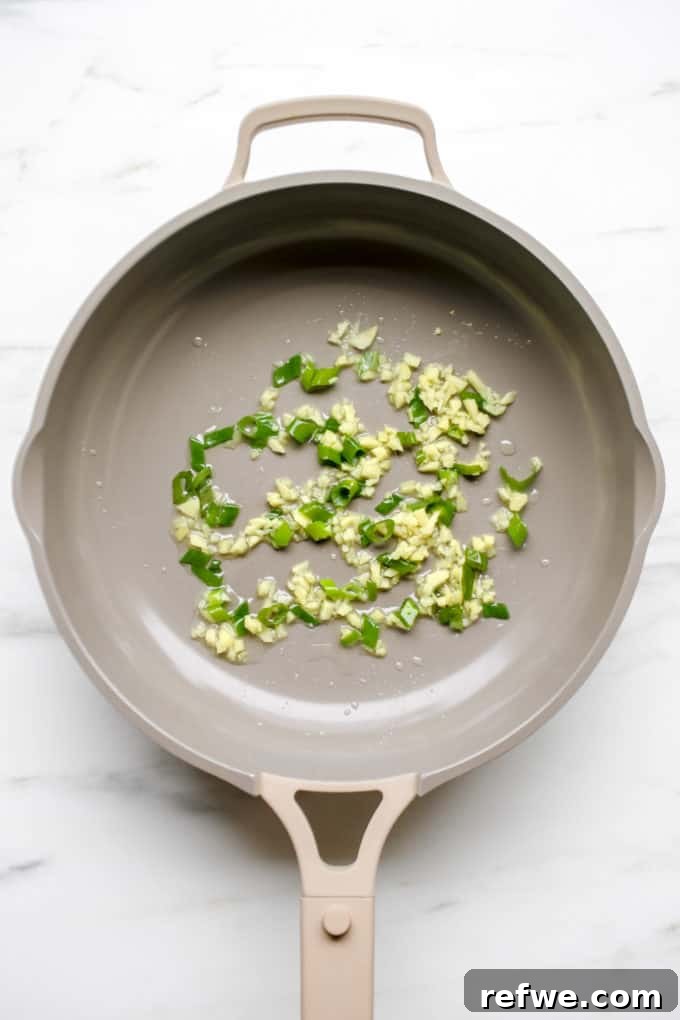
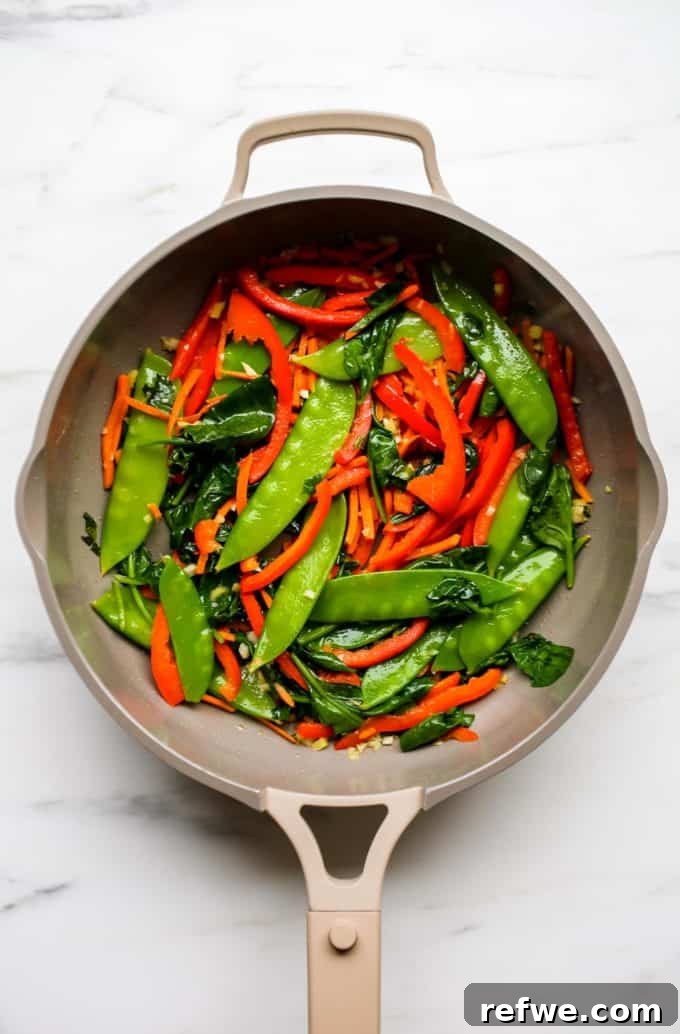
Heat 1-2 tablespoons of vegetable oil in a large skillet or wok over medium-high heat. Once shimmering, add the chopped green onions and minced ginger. Sauté for about 2 minutes until fragrant and slightly softened. Next, introduce the minced garlic, julienned carrots, and sliced red peppers. Stir-fry these harder vegetables for another 2-3 minutes, allowing them to become tender-crisp. Finally, add the snow peas and a generous amount of fresh spinach. Don’t be shy with the spinach – it will wilt down significantly, adding wonderful volume and nutrition to your dish. Continue to stir-fry until the spinach has fully wilted.
Step 3: Combine Noodles, Veggies, and Sauce
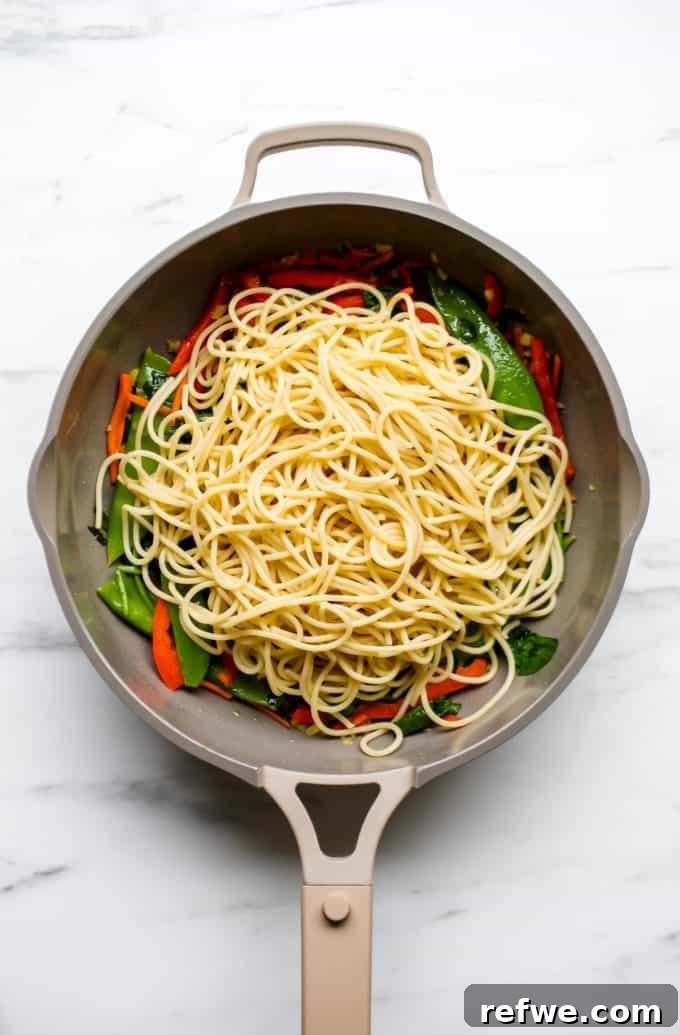
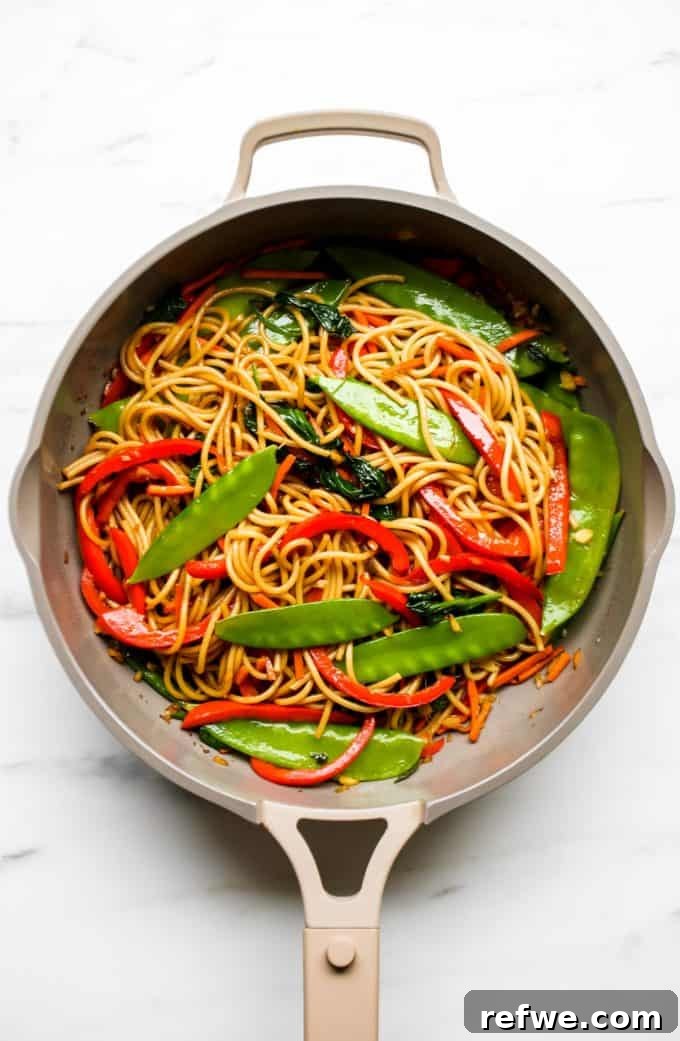
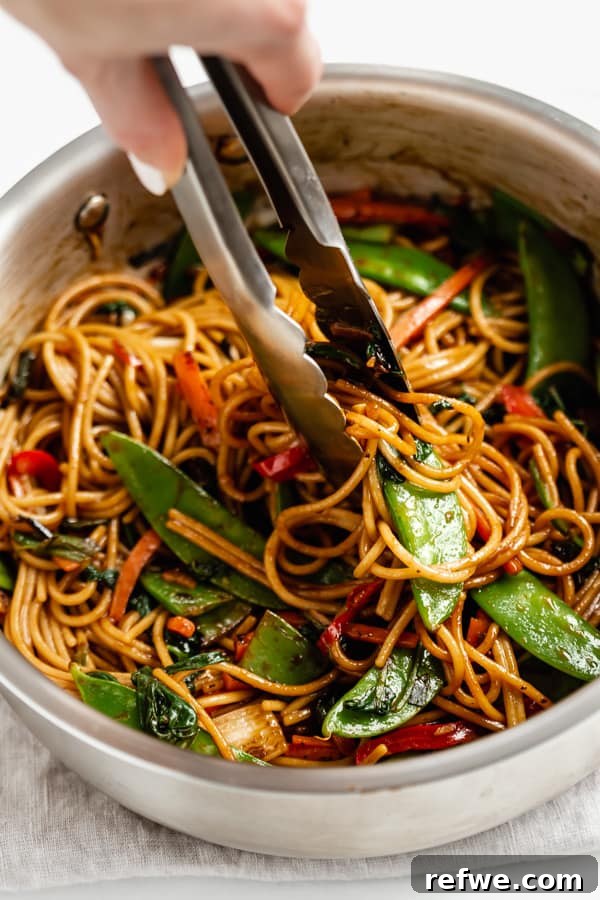
Once your vegetables are perfectly stir-fried, add the cooked and drained noodles directly into the pan. Immediately pour the pre-mixed Lo Mein sauce over the noodles and vegetables. Using tongs or two spatulas, toss everything together vigorously. Ensure that every strand of noodle and every piece of vegetable is thoroughly coated in the rich, glossy sauce. If you notice the noodles starting to stick to the bottom of the pan, add a small splash (1-2 tablespoons) of water or vegetable broth to help deglaze the pan and loosen the noodles. Continue tossing for another 1-2 minutes to allow the flavors to meld and the noodles to finish cooking through.
Step 4: Serve and Enjoy!
Remove the pan from the heat and serve your freshly made Vegetable Lo Mein immediately. For an extra touch of freshness and flavor, you can optionally garnish with some additional sliced green onions or a drizzle of sesame oil. This dish is best enjoyed hot, straight from the pan. Any leftovers can be stored in an airtight container in the fridge for up to three days, making it perfect for meal prepping.
Storing and Reheating Your Delicious Veggie Lo Mein
One of the many advantages of this Vegetable Lo Mein recipe is how wonderfully it keeps, making it ideal for meal prep and enjoying throughout the week. To maintain its freshness and flavor, store any leftover Lo Mein in a sealed, airtight container in the fridge. It will stay delicious for up to 3 days.
When you’re ready to enjoy your leftovers, reheating is a breeze. You can either warm the Lo Mein in the microwave for a few minutes until heated through, or for best results, reheat it in a pan on the stove over medium heat. If you find that the noodles have stuck together or become a bit dry from being in the fridge, simply add a small splash of water or vegetable broth to the pan while reheating. This will help loosen the noodles, restore their tender texture, and refresh the sauce, bringing your Lo Mein back to life as if it were freshly made.
Lo Mein vs. Chow Mein: Understanding the Key Difference
While both Lo Mein and Chow Mein are beloved Chinese noodle dishes, they are often confused. The primary distinction between the two lies in their cooking method, which profoundly impacts their texture and overall character.
Both dishes typically utilize similar types of Chinese egg noodles, but how these noodles are prepared makes all the difference:
- Lo Mein (捞面): The term “Lo Mein” literally translates to “tossed noodles.” In this method, the noodles are first boiled until soft and tender. After boiling, they are added to a hot wok or pan along with vegetables, protein, and a flavorful sauce, then gently tossed or stirred. The goal is for the noodles to remain soft and chewy, absorbing the sauce without crisping up. This results in a saucier, more succulent noodle dish.
- Chow Mein (炒面): “Chow Mein” means “fried noodles.” For Chow Mein, the noodles are often pre-boiled, but then they are stir-fried until they become delightfully crispy, sometimes even a bit charred, creating distinct crunchy textures. The sauce is usually lighter, allowing the crispness of the noodles to shine.
In summary: Lo Mein noodles are soft and tossed with sauce, while Chow Mein noodles are stir-fried until crispy.
For home cooks, Lo Mein tends to be significantly easier to make, as achieving perfectly crispy Chow Mein noodles can be a bit more challenging. Furthermore, without the extensive deep-frying often associated with crispy Chow Mein, Lo Mein is generally considered a healthier option, making it an excellent choice for a nutritious and delicious homemade meal.
Pro Tips for Crafting the Best Homemade Vegetable Lo Mein
- Preheat Your Pan Thoroughly: Before adding any oil or vegetables, ensure your skillet or wok is piping hot. This crucial step helps prevent vegetables from sticking to the surface and creates that desirable sizzling effect, mimicking the intense heat of a professional wok. A hot pan ensures your vegetables stir-fry quickly and retain their crisp-tender texture, rather than steaming.
- Slightly Undercook Your Noodles: When boiling your noodles, aim for an al dente texture – slightly firm to the bite. Remember, they will continue to cook and soften as they mingle with the hot vegetables and sauce during the stir-frying process. If you cook them fully beforehand, you risk ending up with mushy, overcooked noodles in your final dish.
- Don’t Be Afraid to Add Plenty of Greens: Leafy greens like spinach, kale, or bok choy seem voluminous when raw, but they wilt down considerably during cooking. Feel free to pile them high in your pan; you’ll be surprised how much they shrink, integrating beautifully into the dish and boosting its nutritional value.
- Taste and Adjust Seasoning as You Go: The exact amount of sauce needed can vary slightly depending on the quantity of vegetables and noodles you use. Always taste your Lo Mein before serving. You might find it needs a tiny extra splash of soy sauce for saltiness, a pinch more sugar for sweetness, or an additional dash of sriracha for heat. Don’t hesitate to adjust to your personal preference for a perfectly balanced flavor.
- Consider Adding Protein: While this is a vegetable Lo Mein, you can easily turn it into a more substantial meal by adding your favorite protein. Pan-fried tofu, tempeh, seitan, edamame, or even pre-cooked chicken or shrimp would be excellent additions.
Frequently Asked Questions About Veggie Lo Mein
What vegetables can I add to Lo Mein?
The beauty of Lo Mein is its versatility! You can truly add almost any vegetable you love. Beyond the recipe’s core ingredients, great options include broccoli florets, bok choy, Chinese broccoli, snap peas, mushrooms, bell peppers of any color, green beans, or shredded cabbage. Don’t be afraid to experiment with seasonal produce!
Where can I buy Lo Mein sauce?
While making homemade Lo Mein sauce is quick and easy, you can find pre-made Lo Mein sauce in the Asian section of most major grocery stores or at your local Asian supermarket. Just be sure to check the ingredients if you have specific dietary needs, such as gluten-free or vegetarian.
How do I make Lo Mein sauce from scratch?
Our homemade Lo Mein sauce is wonderfully simple. It’s made by combining soy sauce (or tamari for gluten-free), vegetarian oyster sauce, a touch of sesame oil, coconut sugar for sweetness, and sriracha for a hint of spice. Whisk these ingredients together in a small bowl until well combined, and you’re ready to go! You can even prepare a larger batch and store any extra sauce in your fridge for a week or two, ready for your next stir-fry.
What protein can I add to vegan Lo Mein?
To boost the protein content of your vegan Lo Mein, consider adding firm or extra-firm tofu (pressed and pan-fried or baked until crispy), savory tempeh, chewy seitan, or vibrant edamame beans. These options will add texture and make your dish even more satisfying.
Can I make this recipe gluten-free?
Absolutely! To make this Vegetable Lo Mein gluten-free, simply ensure you use tamari (a gluten-free alternative to soy sauce) instead of regular soy sauce and choose certified gluten-free noodles, such as rice spaghetti or other gluten-free Asian noodle varieties.
Is this recipe spicy?
The recipe includes 1 tsp of sriracha, which provides a mild to moderate kick, depending on your spice tolerance. If you prefer a milder dish, you can reduce or omit the sriracha. For more heat, feel free to add an extra dash!
More Delicious Vegetable Noodle Recipes to Explore
If you love this Vegetable Lo Mein, you’ll surely enjoy these other quick and flavorful noodle dishes:
- Spicy Sichuan Noodles: A bold and fiery noodle dish packed with aromatic flavors.
- 15 Minute Garlic Noodles: Simple yet incredibly flavorful noodles that come together in a flash.
- Thai Drunken Noodles: A vibrant and aromatic Thai classic with a perfect balance of sweet, savory, and spicy notes.
If you tried this Vegetable Lo Mein or any other recipe on the blog, please let us know how you liked it by leaving a comment and rating below! We love hearing from you. Be sure to follow along on Pinterest, Instagram, and Facebook for even more delicious and healthy recipe inspiration!
Vegetable Lo Mein Recipe
5 from 4 reviews
-
Author:
Jessica Hoffman -
Prep Time:
15 minutes -
Cook Time:
15 minutes -
Total Time:
30 minutes -
Yield:
4 servings -
Category:
Main -
Method:
Stir-fry -
Cuisine:
Chinese
Description
This Vegetable Lo Mein comes together in under 30 minutes for a quick and easy weeknight dinner!
Ingredients
- 1–2 tbsp vegetable oil
- 3 green onions, chopped
- 1 2-inch piece of ginger, chopped
- 3 garlic cloves, chopped
- 1 large carrot, julienned
- 1 red pepper, julienned
- 1 cup snow peas
- 2 cup spinach
- 5–6 ounces Chinese egg noodles, or gluten-free spaghetti if needed (*use spaghetti for vegan option), cooked.
- 1 tbsp vegetarian oyster sauce
- 1 tbsp dark soy sauce (*use tamari for gluten-free)
- 1 tsp sesame oil
- 1 tsp coconut sugar (can sub regular sugar)
- 1 tsp sriracha
- 1–2 tbsp water or vegetable stock as needed
Instructions
- Heat the vegetable oil in a large pan, then add the green onions and ginger and let cook on medium-high heat for 2 minutes.
- Next add the garlic, carrot, pepper and snow peas and mix everything together, letting cook for another 2-3 minutes until the veggies are tender, then add the spinach and mix until wilted.
- Add in the noodles and sauces and stir until everything is mixed together. If the noodles stick to the pan a bit, add 1-2 tbsp of water or vegetable stock to help deglaze.
- Remove from heat and serve immediately.
Notes
Preheat the pan before adding the oil and vegetables. This will help prevent the veggies from sticking to the pan, and also ensure that the pan is super hot, giving it a nice sizzle similar to a wok.
Slightly undercook the noodles before adding them to the pan. The noodles will continue to cook as they stir-fry, so if you cook them completely before adding them to the pan, you’ll end up with slightly overcooked noodles.
Always taste and adjust accordingly. Depending on exactly how many veggies and noodles you use, you may end up needing slightly more sauce. Taste and adjust seasoning if needed before serving. (You may just need a tiny extra splash of soy sauce!)
Nutrition
- Serving Size: 1/4 recipe
- Calories: 200
- Sugar: 4g
- Sodium: 280mg
- Fat: 4.6g
- Carbohydrates: 32g
- Fiber: 3g
- Protein: 7g