
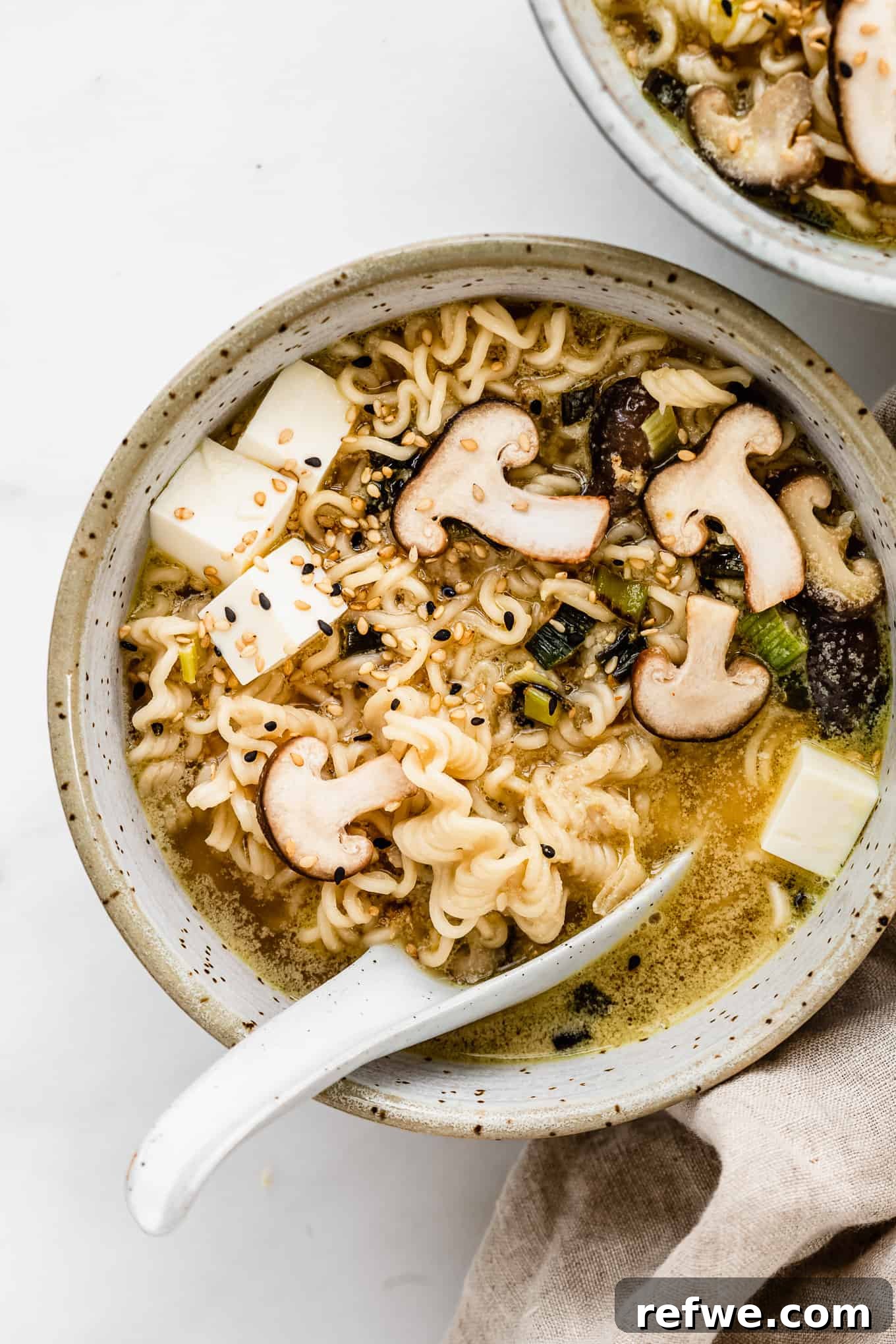
Craving a deeply flavorful, comforting bowl of ramen that tastes like it’s been simmering for hours, but comes together in mere minutes? Look no further! This incredible Vegan Miso Ramen Soup is designed for speed without sacrificing a single drop of its rich, savory essence. Ready in just 15 minutes, it’s the perfect solution for a cozy, healthy, and incredibly satisfying meal. The best part? It’s entirely plant-based, making it naturally vegan and vegetarian-friendly, packed with gut-healthy fermented ingredients.
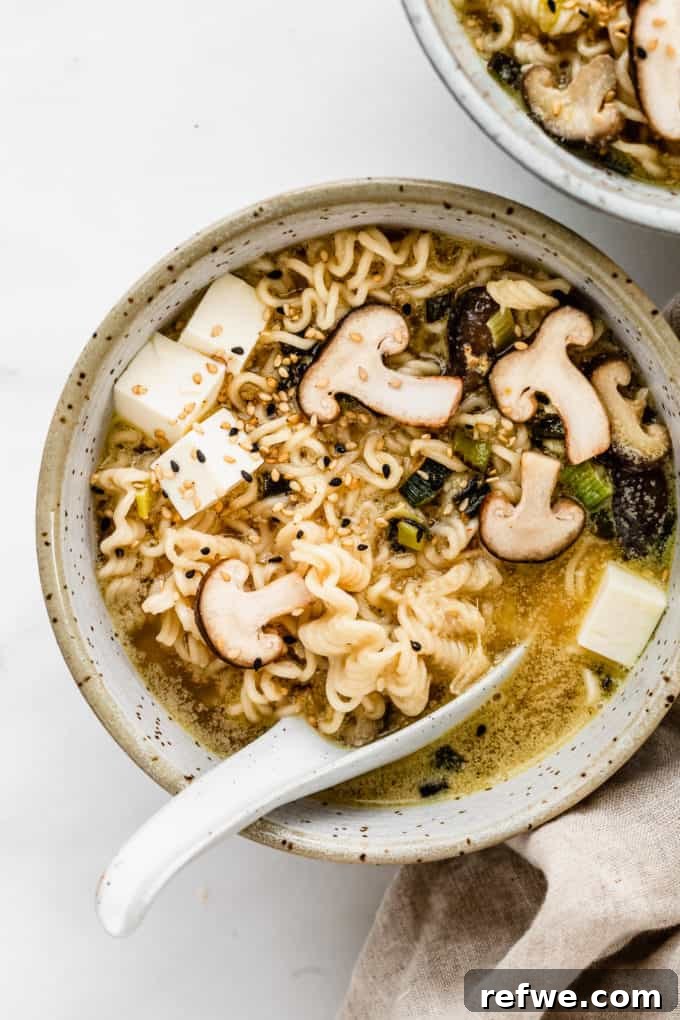
What is Miso Ramen and Why is it So Delicious?
Ramen soup holds a special place in the hearts of food lovers worldwide, revered for its harmonious blend of chewy noodles, a soul-warming broth, and an array of flavorful toppings. It’s the ultimate comfort food, capable of transforming a simple meal into an experience.
While classic ramen often features meat-based broths, the beauty of Miso Ramen lies in its remarkable versatility and inherent depth of flavor, making it a star in the vegetarian and vegan culinary world. So, what exactly makes Miso Ramen stand out?
Miso Ramen is a traditional Japanese noodle soup distinguished by its broth, which is heavily flavored with miso paste. Miso paste, a cornerstone of Japanese cuisine, is created from fermented soybeans, often combined with grains like rice or barley, salt, and koji (a type of fungus used for fermentation). This fermentation process is what imbues miso with its signature umami flavor – a savory richness that tantalizes the taste buds. It’s one of the three primary ramen seasoning categories, alongside Shio (salt-based) ramen and Shoyu (soy sauce-based) ramen.
For those seeking a plant-based ramen, miso paste is an absolute game-changer. Its inherent umami, savory notes, and creamy texture effortlessly create a robust and satisfying broth, mirroring the depth typically found in meat-based counterparts. This recipe harnesses the power of miso to deliver a broth that is not just flavorful, but also incredibly nourishing, making it a perfect choice for a wholesome vegan meal.
Sourcing Your Miso Paste: Where to Buy and What to Look For
As miso paste gains popularity beyond Japanese kitchens, finding this fermented superfood has become increasingly easy. You can typically find miso paste in the refrigerated section of most large chain grocery stores, dedicated Asian grocery stores, and health food stores. Its growing recognition as a “health food” – thanks to its probiotic properties that support gut health – means it’s often prominently featured.
When shopping for miso, always head to the refrigerated section; miso is a living product and needs to be kept cool to maintain its quality and probiotic benefits. Look for reputable brands and, if possible, opt for organic, non-GMO varieties. Once opened, miso paste can last for several months in the refrigerator, ensuring you always have this versatile ingredient on hand for future culinary adventures.
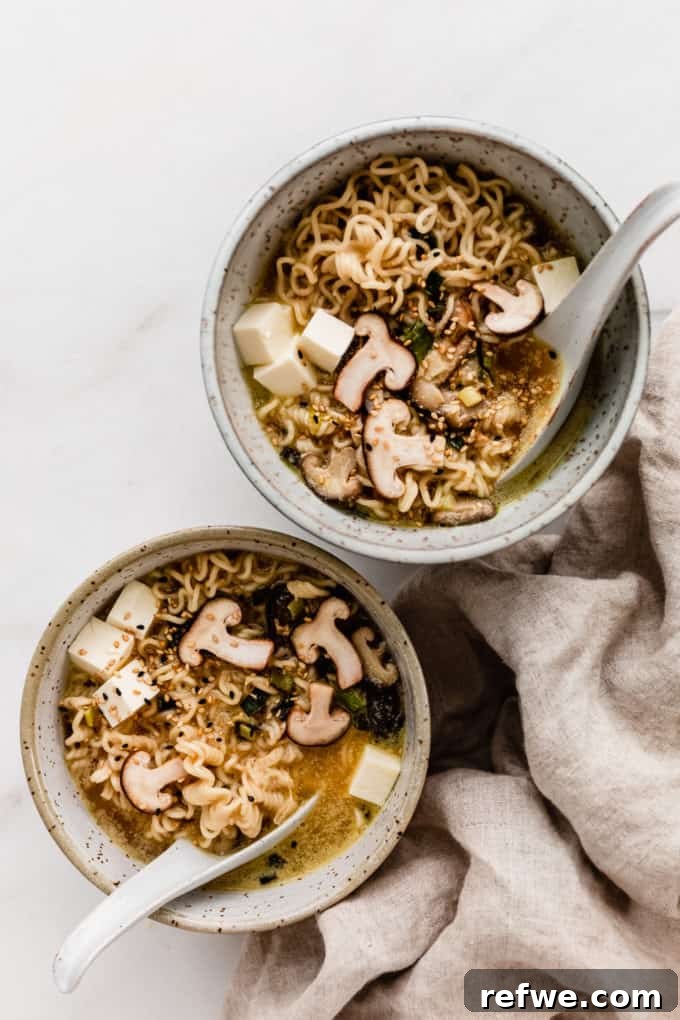
Exploring the World of Miso Paste Varieties
The world of miso paste is diverse, with various types offering distinct flavors, colors, and textures, all stemming from differences in fermentation time, ingredients, and ratios. While many traditional Japanese classifications exist, in North American grocery stores, miso is often categorized by color, which generally correlates with its intensity and fermentation period. Here’s a breakdown of the most common types you’ll encounter:
1. White Miso (Shiro Miso):
Shiro Miso, meaning “white miso,” is characterized by its light color and relatively short fermentation period, typically just a few months. This results in a mild, slightly sweet flavor profile that is less salty than other types. Its delicate nature makes it incredibly versatile, perfect for lighter dishes. It’s an excellent choice for crafting nuanced soups, delicate salad dressings, and tender marinades, where you want a subtle umami kick without overpowering other ingredients.
2. Yellow Miso (Shinshu Miso):
Yellow miso, or Shinshu Miso, is fermented for a longer duration than white miso, usually several months to a year. This extended fermentation gives it a slightly darker yellow-brown hue and a more pronounced, saltier, and subtly acidic taste. Despite its bolder profile compared to white miso, it remains quite balanced and adaptable. Yellow miso is fantastic in heartier soups, rich marinades for vegetables or tofu, and creamy sauces, adding a deeper layer of umami complexity.
3. Red Miso (Aka Miso):
Aka Miso, or “red miso,” boasts the longest fermentation time, often aged for one to three years. This extensive aging process is responsible for its deep reddish-brown color and intensely bold, robust, salty, and sharp flavor. Red miso is powerful and should be used sparingly to avoid overwhelming your dish. It excels in rich, slow-cooked dishes like stews, glazes, and hearty sauces, where its strong umami can truly shine. Some adventurous chefs even incorporate small amounts into desserts for an unexpected savory depth. When substituting red miso for white or yellow, always reduce the quantity significantly.
Choosing the Ideal Miso Paste for Your Ramen Soup
For this quick and easy Miso Ramen recipe, balance is key. Therefore, I highly recommend opting for white miso (Shiro Miso) or yellow miso (Shinshu Miso). These varieties offer a perfect harmony of mild sweetness, savory umami, and a gentle saltiness that will enhance the broth without dominating the other fresh ingredients.
While red miso offers a captivating depth, its intense and robust flavor can sometimes be too strong for a lighter, faster ramen broth, potentially overwhelming the delicate nuances of the other components. If you’re an experienced miso enthusiast and prefer a bolder taste, you could experiment with a very small amount of red miso, perhaps blended with white or yellow, but for beginners or a classic experience, stick to the milder types.
Essential Ingredients for a Flavorful Vegan Miso Ramen
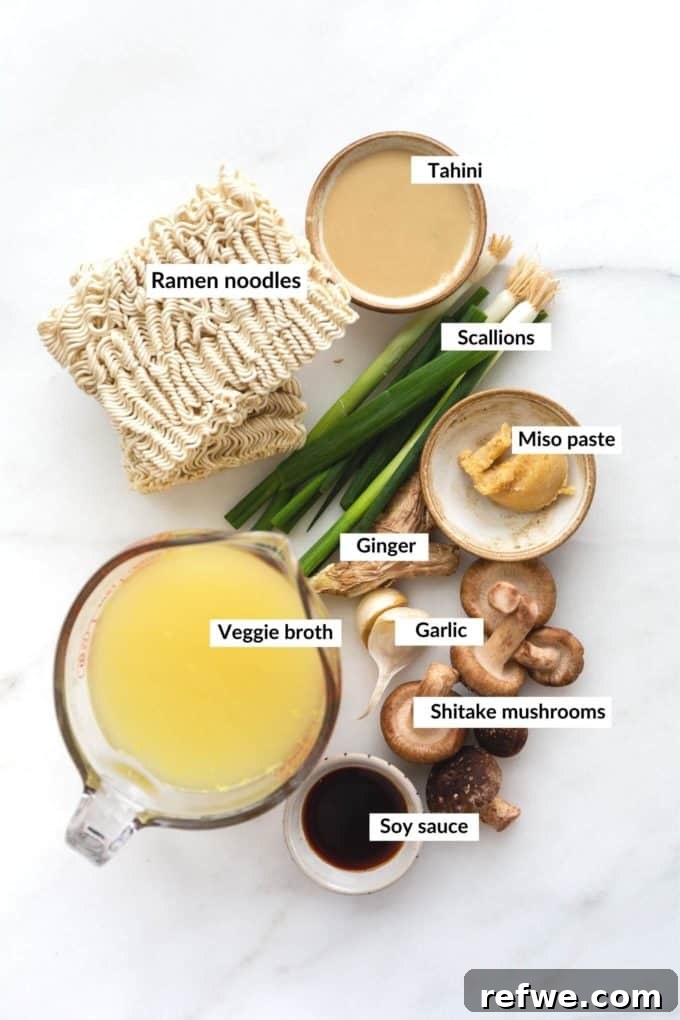
Crafting this quick and healthy Miso Ramen requires a selection of fresh, vibrant ingredients that build layers of complex flavor. Each component plays a crucial role in achieving that rich, authentic taste:
- Ramen Noodles: The heart of any ramen bowl. You can use either dried or fresh ramen noodles; both will provide that satisfying chewiness. Look for good quality instant ramen without the flavor packets, or fresh noodles from an Asian market.
- Scallions (Green Onions): These provide a subtle, mild onion flavor that forms an aromatic base when sautéed, and a fresh garnish when sliced for serving.
- Fresh Ginger: A critical ingredient for adding warmth, a spicy kick, and a distinct fragrant aroma that brightens the entire soup. Always use fresh ginger for the best flavor.
- Fresh Garlic: Along with ginger and scallions, garlic creates the aromatic foundation of the broth, infusing it with a pungent, savory depth. Avoid powdered garlic for this recipe.
- Shiitake Mushrooms: Essential for a rich, umami-packed vegetarian broth. Shiitake mushrooms provide a “meaty” texture and a profound savory flavor that beautifully replaces the pork often found in traditional ramen. Use fresh shiitake for the best texture and flavor, or rehydrated dried shiitake.
- White or Yellow Miso Paste: The absolute star of the show! As discussed, this fermented soybean paste is the key to creating the iconic umami, savory, and slightly sweet flavor of Miso Ramen.
- Tahini: This is our secret ingredient for achieving a wonderfully creamy, rich mouthfeel in the broth, reminiscent of tonkotsu ramen. If you can find Japanese sesame paste (nerigoma), it’s an excellent authentic alternative, but tahini works beautifully.
- Vegetable Broth: Use a high-quality vegetable broth or stock as the liquid base for your soup. Opt for a low-sodium version to control the overall saltiness.
- Soy Sauce or Tamari: Adds another layer of umami, depth, and seasoning to the broth. Use tamari for a gluten-free option.
- Chili Paste (Optional): For those who enjoy a little heat, a dash of chili paste (like sriracha or gochujang) can add a pleasant warmth and kick to your ramen.
- Soft or Silken Tofu (Optional): A fantastic source of plant-based protein and a wonderful textural addition. Soft or silken tofu melts into the broth, absorbing flavors and adding to the creaminess.
How To Make Quick and Creamy Vegan Miso Ramen
Step 1: Build Your Aromatic Base
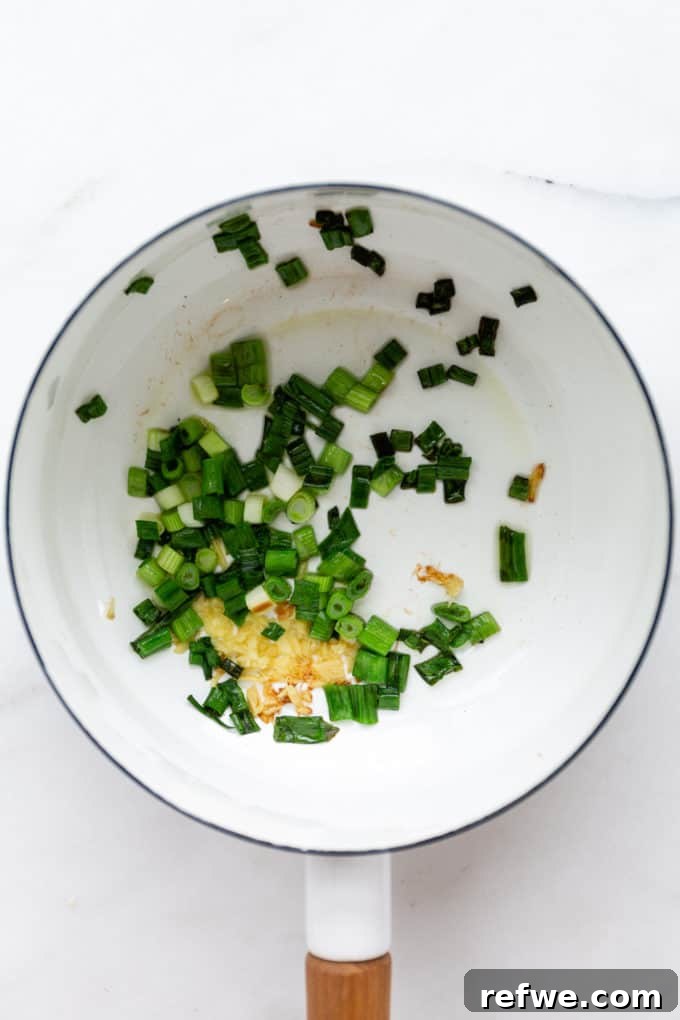
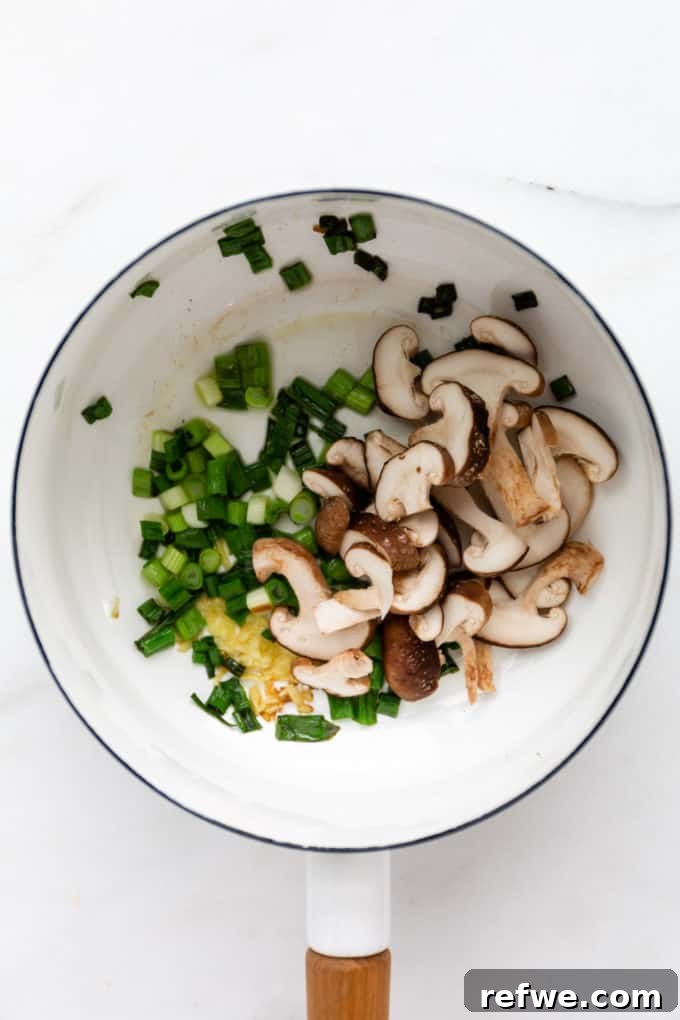
Begin by heating a large pot over medium-high heat. Add your chosen oil (avocado or vegetable oil works well). Once shimmering, toss in the chopped scallions and grated ginger. Sauté for about 1-2 minutes until fragrant. Next, add the sliced shiitake mushrooms and chopped garlic. Continue to sauté for another 2-3 minutes, allowing the mushrooms to brown slightly. Resist the urge to stir constantly; letting the mushrooms sit undisturbed for a minute or two will help them develop a beautiful caramelization and deeper flavor.
-

Sautéing the aromatics to release their fragrant oils. -
Mushrooms caramelizing, adding essential umami to the base.
Step 2: Infuse with Miso and Create the Broth
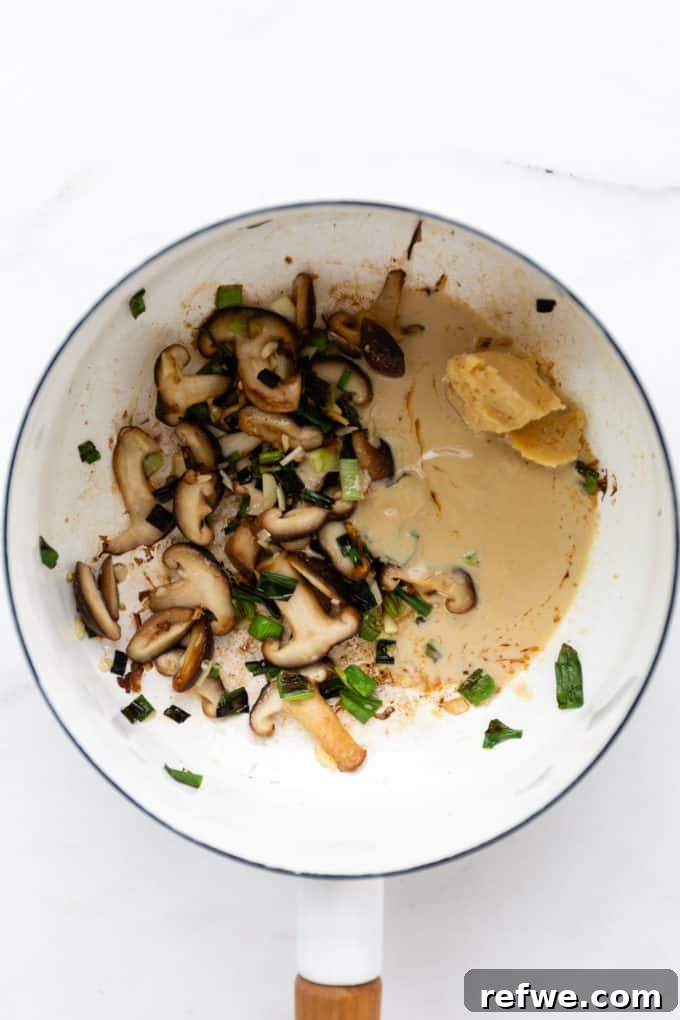
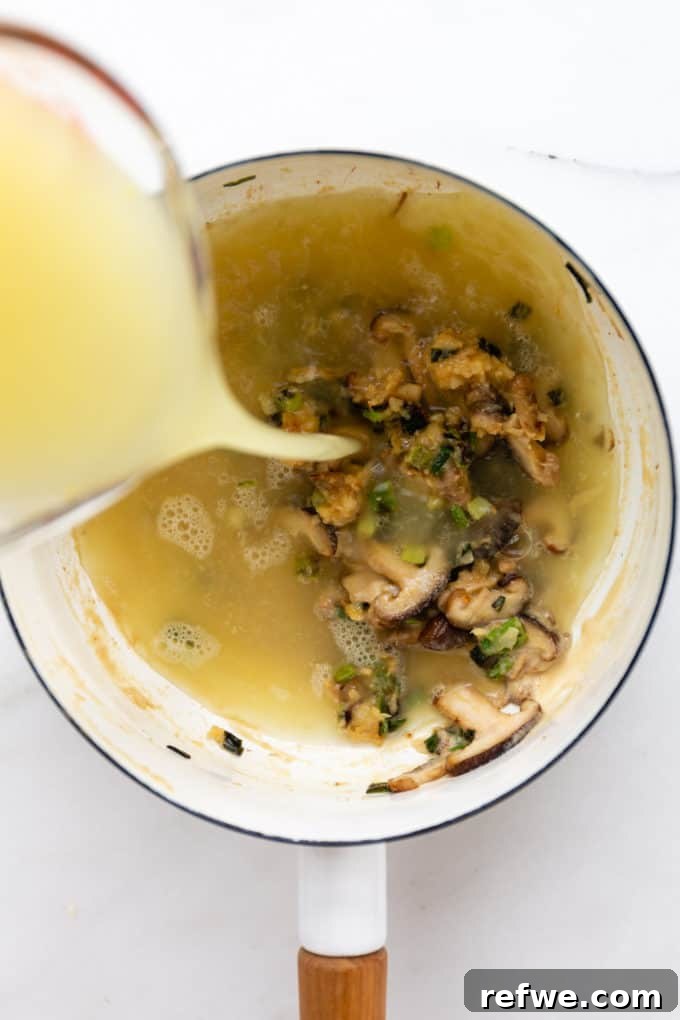
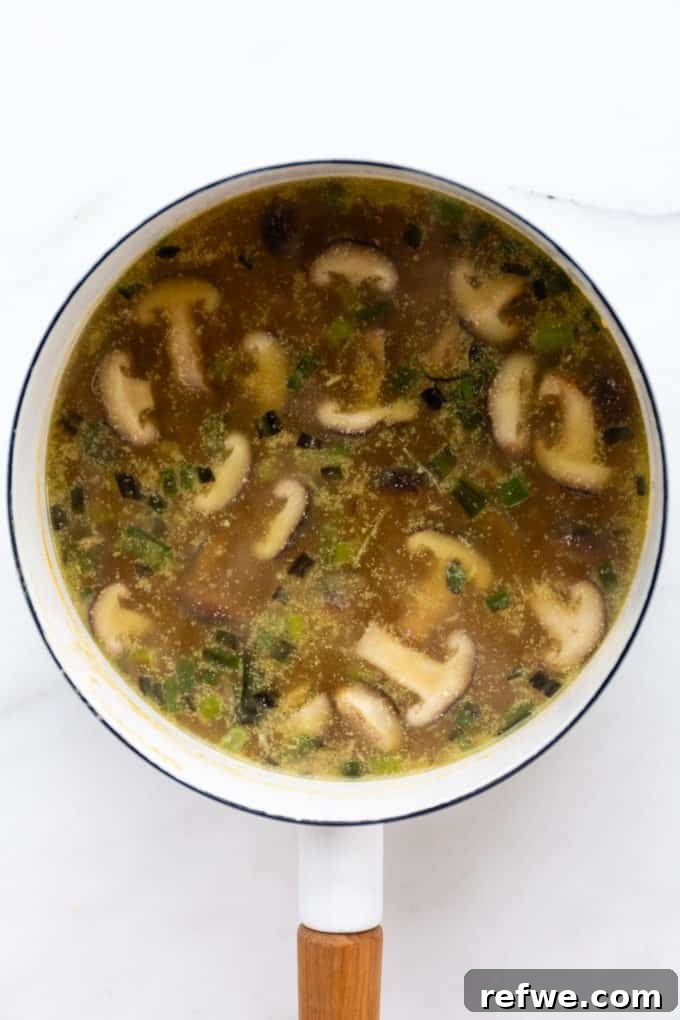
Reduce the heat to medium. Add the tahini and miso paste directly into the pot with the sautéed aromatics. Stir everything together thoroughly, allowing the miso and tahini to warm and blend with the vegetables. This step helps to bloom the miso’s flavor and ensures a smooth, creamy broth. Then, pour in the vegetable broth and soy sauce (or tamari). If you desire a spicy kick, now is the time to add your chili paste. Bring the mixture to a gentle simmer.
Chef’s Tip: If you don’t have chili paste, a dash of sriracha, a pinch of red chili flakes, or even a swirl of chili oil can provide that desired heat!
-
Blending miso and tahini for a rich, creamy base. -
Adding vegetable broth to create the flavorful soup.
Step 3: Cook Noodles and Serve
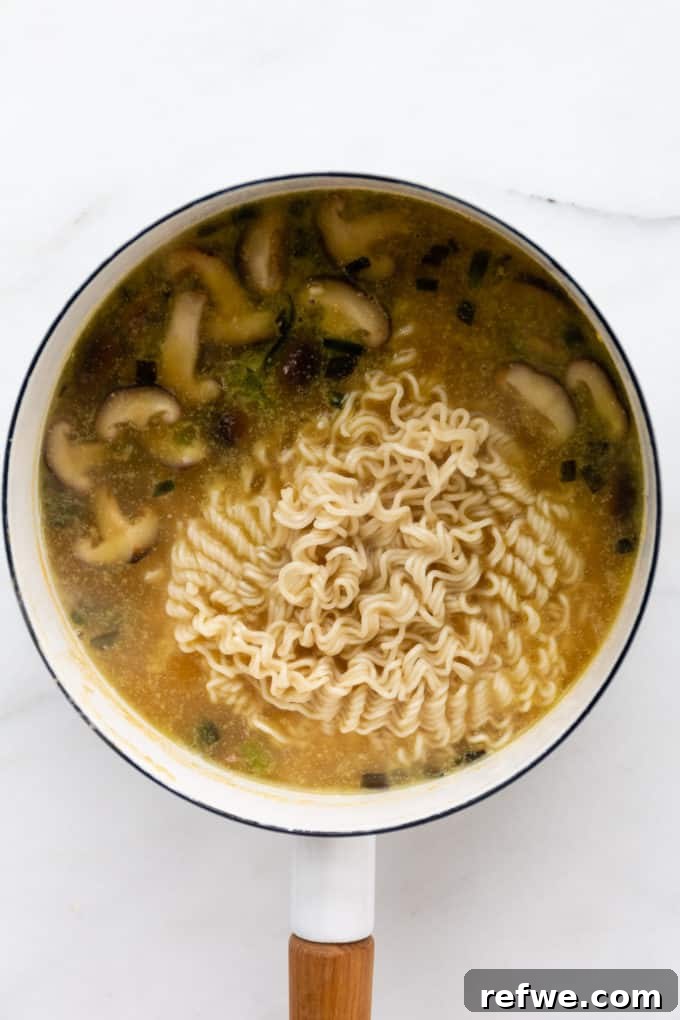
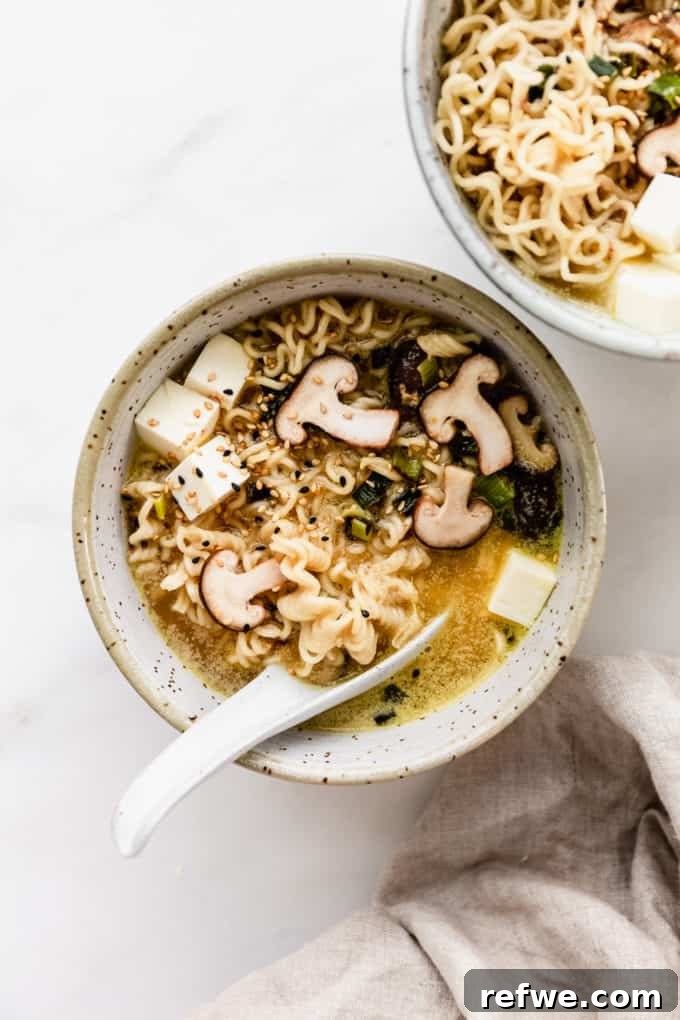
Once the broth reaches a light boil, add the ramen noodles. Cook for 2-3 minutes, or according to package directions, until the noodles are tender but still retain a pleasant chewiness. Just before serving, gently stir in the soft tofu (if using) and any other desired mix-ins or toppings. Ladle the hot ramen into bowls and enjoy immediately.
-
The delicious miso broth reaching a gentle boil. -
Adding ramen noodles to cook directly in the flavorful broth.
Elevate Your Bowl: Miso Ramen Toppings and Customizations
While the Miso Ramen broth is undeniably delicious on its own, one of the greatest joys of ramen is the opportunity to customize it with an array of fresh and flavorful toppings. These additions enhance both the visual appeal and the textural and taste complexity of your meal. Feel free to experiment and discover your favorite combinations!
- Nori (Dried Seaweed): Adds a distinct oceanic, umami flavor and a satisfying crisp texture.
- Jammy Egg: For a vegetarian (not vegan) option, a perfectly soft-boiled egg with a jammy yolk adds richness and protein.
- Sliced Green Onions: Provides a fresh, pungent crunch and vibrant color, perfect as a garnish.
- Sweet Corn Kernels: Offers a burst of sweetness and a lovely pop of texture.
- Steamed Spinach or Bok Choy: Wilted greens add essential vitamins and a fresh, earthy counterpoint.
- Bean Sprouts: Delivers a refreshing, crisp texture that contrasts beautifully with the soft noodles.
- Thinly Sliced Radish: Adds a peppery bite and a beautiful splash of color.
- Extra Shiitake Mushrooms: Sautéed or fresh, for more earthy, umami goodness.
- Bamboo Shoots: Offers a unique tangy flavor and crunchy texture.
- Pickled Ginger: A zesty, slightly spicy condiment that cleanses the palate.
- Kimchi: For those who love fermented foods, kimchi brings a spicy, tangy, and probiotic boost.
- Sriracha or Chili Oil: Drizzle for an extra layer of heat and a vibrant visual.
- Sesame Oil: A few drops of toasted sesame oil right before serving adds a nutty, aromatic finish.
- Sesame Seeds: Toasted sesame seeds provide a subtle crunch and nutty aroma.
FAQs For Making Perfect Miso Ramen at Home
When storing leftover Miso Ramen, it’s crucial to store the broth and the noodles separately. If kept together, the noodles will rapidly absorb all the broth, becoming soggy and leaving you with very little liquid. To prevent this, place cooked ramen noodles in one airtight container and the miso broth in a separate airtight container. Both can be refrigerated.
To reheat, simply combine the stored noodles and broth in a pot on the stovetop over medium heat until warmed through, or heat them together in a microwave-safe bowl. Add any fresh toppings after reheating.
When stored properly (broth and noodles separate), this Miso Ramen will stay fresh and delicious for up to 3 days in the refrigerator.
Yes, the miso broth can be frozen for longer storage! Pour cooled broth into freezer-safe containers or bags and freeze for up to 2-3 months. Thaw in the refrigerator overnight before reheating and adding fresh noodles and toppings.
Pro Tips for the Ultimate Miso Ramen Experience
- Miso Selection is Key: As mentioned, stick with white or yellow miso paste for this recipe. Their milder flavors ensure a balanced soup that highlights all ingredients without becoming overly salty or pungent. Red miso can be too intense for this quick broth.
- Make it Gluten-Free: Easily adapt this recipe for gluten-free diets. Simply use gluten-free ramen noodles (or substitute with rice noodles) and ensure your soy sauce is replaced with gluten-free tamari.
- Noodle Timing Matters: Always add the ramen noodles to the broth right before serving. The longer noodles sit in the hot broth, the more liquid they will absorb, resulting in soggy noodles and a diminished broth volume. Cook them just until tender, then serve immediately.
- Don’t Boil Miso Aggressively: Miso paste contains beneficial probiotics and delicate enzymes. While it needs to be warmed to blend into the broth, avoid a vigorous, rolling boil once the miso has been added. A gentle simmer is ideal to preserve its nutritional value and complex flavor.
- Taste and Adjust: Always taste your broth before serving and adjust seasonings as needed. You might want a little more soy sauce for umami, a pinch of salt, or an extra spoonful of miso paste for deeper flavor. Remember, you can always add more, but you can’t take it away!
- Meal Prep Friendly: Prepare the broth in advance and store it separately from uncooked noodles. When you’re ready to eat, simply heat the broth, cook fresh noodles, and add your favorite toppings for a super-fast, fresh meal.
More Soup Recipes You’ll Love
- Quick & Easy Vegan Ramen
- Northern-Style Thai Coconut Soup
- Vegan Pho Soup
- Korean Tofu Soup
If you tried this Vegan Miso Ramen or any other recipe on the blog, please let me know how you liked it by leaving a comment and rating below! Your feedback helps other home cooks discover delicious plant-based meals. Be sure to follow along on Pinterest, Instagram, and Facebook for even more deliciousness and healthy recipe inspiration!
Quick & Easy Vegan Miso Ramen
- Author: Jessica Hoffman
- Prep Time: 5 minutes
- Cook Time: 10 minutes
- Total Time: 15 minutes
- Yield: 2 servings
- Category: Main Dish
- Method: Cook
- Cuisine: Japanese
- Diet: Vegan, Vegetarian, Plant-Based
Description
This lightning-fast recipe delivers incredibly rich and healthy vegan miso ramen in just 15 minutes. It’s perfect for a satisfying, flavor-packed meal that tastes like it took hours!
Ingredients
- 2 tbsp avocado oil (or vegetable oil)
- 4 scallions, chopped
- 1 tbsp grated fresh ginger
- 2 garlic cloves, minced
- 1/2 cup shiitake mushrooms, sliced (fresh or rehydrated dried)
- 1 1/2 tbsp white or yellow miso paste
- 2 tbsp tahini (or Japanese sesame paste)
- 4 cups vegetable broth
- 1-2 tbsp tamari (or soy sauce, use gluten-free if needed)
- 2 tsp Sriracha or chili paste (optional, for spice)
- 2 packs of ramen noodles (use gluten-free if desired)
- 1 pack soft or silken tofu, cubed (optional, for protein)
Instructions
- Heat the avocado oil in a large pot over medium-high heat. Add the chopped scallions and grated ginger and sauté for 1-2 minutes until fragrant.
- Add the sliced shiitake mushrooms and minced garlic. Sauté for another 2-3 minutes, allowing the mushrooms to brown slightly for deeper flavor.
- Reduce heat to medium. Stir in the miso paste and tahini, mixing thoroughly with the aromatics.
- Pour in the vegetable broth, tamari (or soy sauce), and Sriracha (if using). Bring the soup to a gentle simmer, avoiding a vigorous boil.
- Add the ramen noodles to the simmering broth and cook for 2-3 minutes, or according to package instructions, until soft.
- Stir in the cubed soft tofu (if using). Ladle the hot ramen into bowls and serve immediately with your favorite toppings.
Notes
*Start with 1 tablespoon of tamari and add more to taste if you prefer a saltier broth.
Store leftovers by separating the noodles and broth into airtight containers. Refrigerate for up to 3 days. This prevents noodles from becoming soggy.
For a gluten-free soup, ensure you use gluten-free ramen noodles (or rice noodles) and tamari instead of soy sauce.
Always add noodles to the broth just before serving to maintain their texture and prevent them from absorbing too much liquid.
Nutrition (per serving, estimated)
- Serving Size: 1/2 of the recipe (approx. 2 cups)
- Calories: 405
- Sugar: 5g
- Fat: 5g
- Saturated Fat: 1g
- Carbohydrates: 50g
- Fiber: 5g
- Protein: 20g