
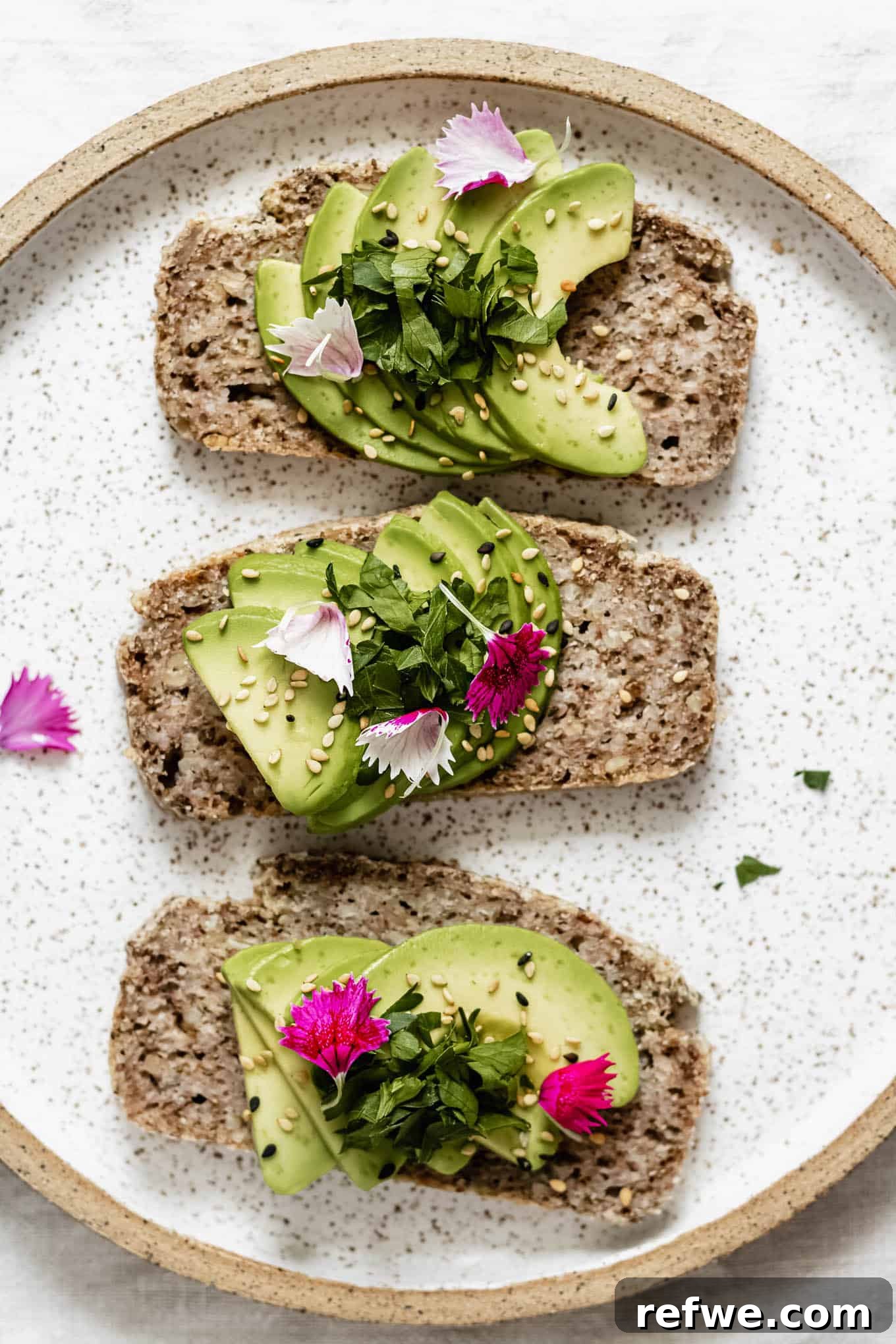
Embark on a culinary adventure with this incredible **Whole-Grain Buckwheat Chia Bread** – a truly revolutionary recipe that redefines healthy baking. This hearty, wholesome loaf is not only naturally **vegan and gluten-free**, but it also boasts an effortless preparation method, requiring **no yeast, no kneading, and absolutely no rise time**. Get ready to welcome a new staple into your kitchen, a bread that promises both exceptional taste and impressive nutritional benefits, perfect for any time of day!
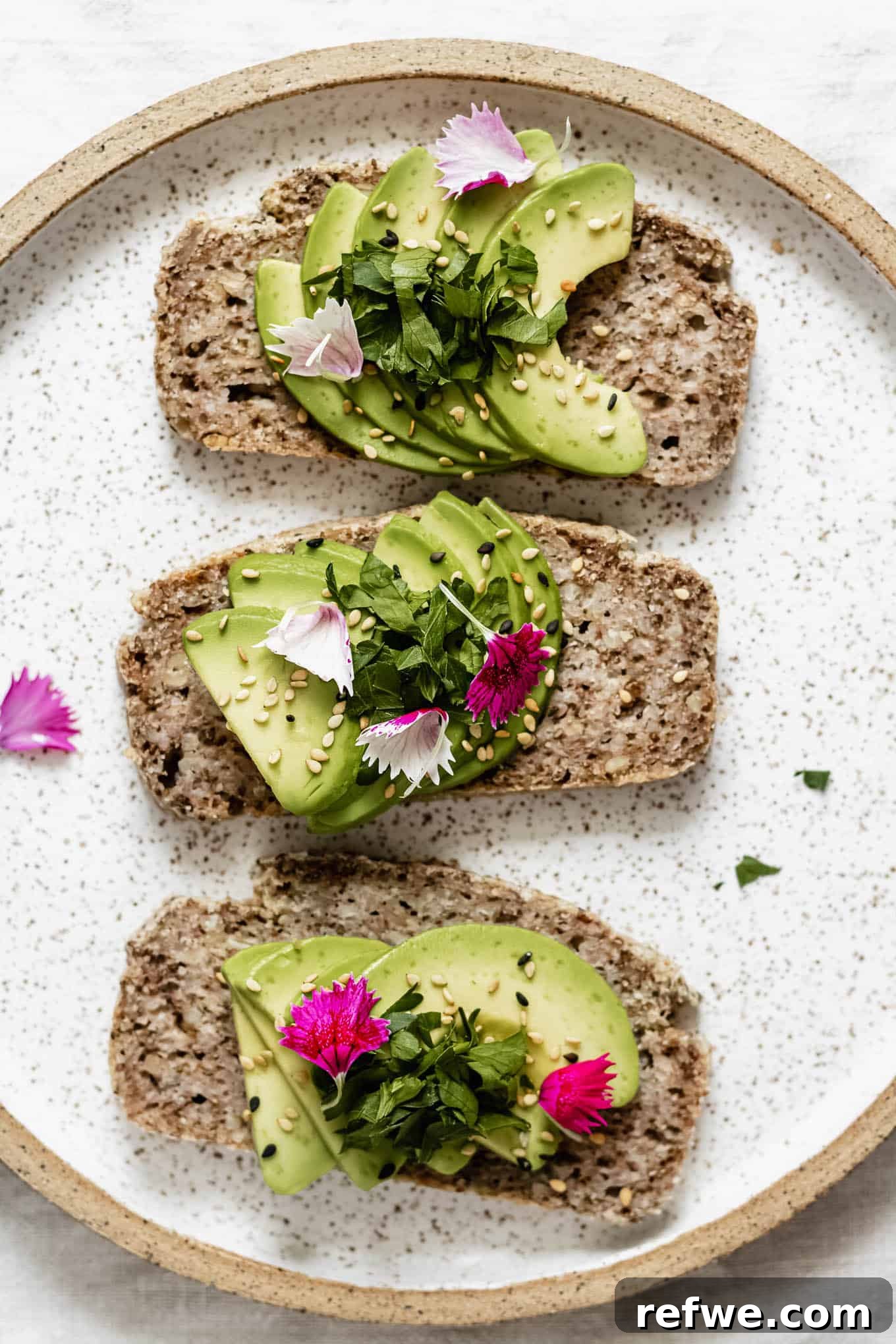
While buckwheat flour shines in delightful recipes like Buckwheat Flour Pancakes and Buckwheat Flour Waffles, its culinary potential extends far beyond breakfast treats. Prepare to be amazed as we unveil a simple yet profound method to transform humble buckwheat groats into a robust, flavorful bread.
This recipe for whole-grain buckwheat & chia bread genuinely borders on the unbelievable in its simplicity and results. Imagine combining buckwheat groats with the miraculous binding power of chia seeds and a select handful of other pantry staples. A quick blend, a bake in the oven, and voilà – you’ve created a wholesome, gluten-free, and vegan bread that’s packed with goodness. It’s a game-changer for anyone seeking a healthy, homemade bread alternative without the complexities of traditional baking.
One of the most appealing aspects of this **Buckwheat Chia Bread** is its minimal requirements: **no yeast**, which means no waiting for dough to rise; **no kneading**, saving you time and effort; and consequently, **no rest time** to slow down your baking process. It’s truly a grab-and-go recipe from start to finish!
Unveiling Buckwheat: A Gluten-Free Grain Alternative
Despite its misleading name, “buckwheat” is not a type of wheat at all. It belongs to a fascinating category of foods known as **pseudocereals**, which are consumed and utilized much like grains but are botanically distinct. Other notable members of this healthful family include quinoa and amaranth. These pseudocereals share many nutritional characteristics with true grains but are inherently gluten-free, making them invaluable for individuals with celiac disease or gluten sensitivity.
Buckwheat groats are, in fact, the seeds of a flowering plant, and they are 100% naturally **gluten-free**. These triangular seeds are often ground into a fine flour, which serves as an excellent substitute for wheat flour in a myriad of recipes, from baking to cooking. Historically, buckwheat has been cultivated for thousands of years, particularly in Asia, and is prized for its resilience and nutritional density. Its growing popularity in Western diets is a testament to its versatility and health benefits.
Exploring the Unique Flavor Profile of Buckwheat
Buckwheat offers a distinctive flavor that is often described as **nutty, earthy, and possessing a subtle bitterness**. This complex taste profile bears a resemblance to wheat, yet it stands in a league of its own. When raw, the groats can have a milder, slightly grassy note. However, the true magic of buckwheat’s flavor is unlocked through cooking or, more specifically, **toasting**. Toasting buckwheat groats intensifies their inherent nutty essence, deepening their flavor and adding a delightful aroma that permeates your kitchen. This process not only enhances the taste but also contributes to a richer, more satisfying bread.
In this buckwheat chia bread, the flavor of the groats forms the backbone, providing a rustic and wholesome foundation that pairs wonderfully with sweet or savory toppings. It’s a flavor that grows on you, offering a sophisticated alternative to more common breads.
The Nutritional Powerhouse: Why Buckwheat Bread is Exceptionally Good for You
The short answer? **Absolutely!** Buckwheat bread is a nutritional champion, making it an excellent choice for a healthy lifestyle. This delicious loaf is inherently **gluten-free**, making it safe and enjoyable for those with dietary restrictions. It’s also a **whole-grain** option, meaning it retains all parts of the grain – the bran, germ, and endosperm – which are rich in nutrients.
Beyond being gluten-free and whole-grain, this bread is remarkably **packed with fiber and protein**, two essential macronutrients that contribute to satiety, digestive health, and sustained energy. Furthermore, buckwheat is an excellent source of a **variety of vital minerals**, including magnesium, manganese, copper, and iron, as well as several B vitamins. These micronutrients play crucial roles in countless bodily functions, from energy production to bone health.
Incorporating buckwheat bread into your diet can support overall well-being. Its high fiber content aids digestion and helps regulate blood sugar levels, while its protein contributes to muscle maintenance and repair. Whether enjoyed as a healthy breakfast to kickstart your day or a satisfying lunch base, this bread can be topped with an endless array of ingredients to suit your preferences, from creamy avocado to savory hummus.
Is Buckwheat Truly Gluten-Free, and How Does It Compare to Wheat?
To reiterate, buckwheat is indeed a **pseudo-grain**, a botanical term for seeds that are consumed as grains but do not grow on grasses like wheat, barley, or rye. This crucial distinction means that, contrary to its name, buckwheat **contains no wheat whatsoever** and is therefore completely **gluten-free**. This makes it a safe and beneficial choice for individuals avoiding gluten, whether due to celiac disease, non-celiac gluten sensitivity, or simply a preference for a gluten-free diet.
When comparing buckwheat to traditional whole wheat, its nutritional advantages become even more apparent. Buckwheat boasts an impressive **four times as much fiber as whole wheat**. This significantly higher fiber content not only aids in digestion but also promotes prolonged feelings of fullness, helping to manage appetite and support weight management. For those prioritizing gut health, stable energy levels, and sustained satiety, buckwheat bread stands out as a superior and incredibly healthy option.
Is Buckwheat Chia Bread Suitable for a Vegan Diet?
Yes, absolutely! This specific Buckwheat Chia Bread recipe is **100% vegan-friendly**. It is meticulously crafted without the inclusion of any animal products, meaning there are **no eggs or dairy products** used in its preparation. This makes it a fantastic and reliable option for anyone following a vegan lifestyle, ensuring that every slice aligns perfectly with ethical and dietary choices. Enjoy this delicious bread with peace of mind, knowing it’s entirely plant-based.
Unlocking the Superpower of Chia Seeds: Tiny Seeds, Massive Benefits
Don’t let their small stature fool you – **chia seeds** are an absolute powerhouse of nutrition, deserving of their superfood status! A standard serving size, typically two tablespoons, delivers an impressive array of nutrients: nearly **5 grams of protein** and a remarkable **10 grams of fiber**. Beyond these macronutrients, chia seeds are also densely packed with essential micronutrients, including **calcium, iron, zinc, and magnesium**, all vital for various bodily functions.
One of the most celebrated benefits of chia seeds is their rich content of **Omega-3 fatty acids**. These healthy fats are crucial for heart health, known to help lower blood pressure and cholesterol levels, and reduce inflammation throughout the body. Furthermore, the unique ability of chia seeds to absorb liquid and form a gel acts as a natural binder in this bread recipe, replacing eggs and contributing to its moist, tender texture. For an even deeper dive into the incredible nutritional profile and diverse uses of these tiny titans, be sure to explore my comprehensive Ultimate Guide to Chia Seeds.
Crafting Your Wholesome Loaf: A Step-by-Step Guide to Making Buckwheat Chia Bread
Creating this delicious and healthy bread is surprisingly straightforward, even for novice bakers. The process is designed for ease and efficiency, ensuring a delightful outcome with minimal fuss.
The first crucial step begins with preparing your **chia gel**. In a medium bowl, combine the chia seeds with water. Give the mixture a good whisk to ensure even distribution and prevent clumps. Then, simply set it aside for approximately 20 minutes. During this resting period, you’ll observe the magical transformation as the chia seeds absorb the water, expanding and thickening into a viscous, gel-like consistency. This “chia egg” is what provides the essential binding properties to our gluten-free, egg-free bread.
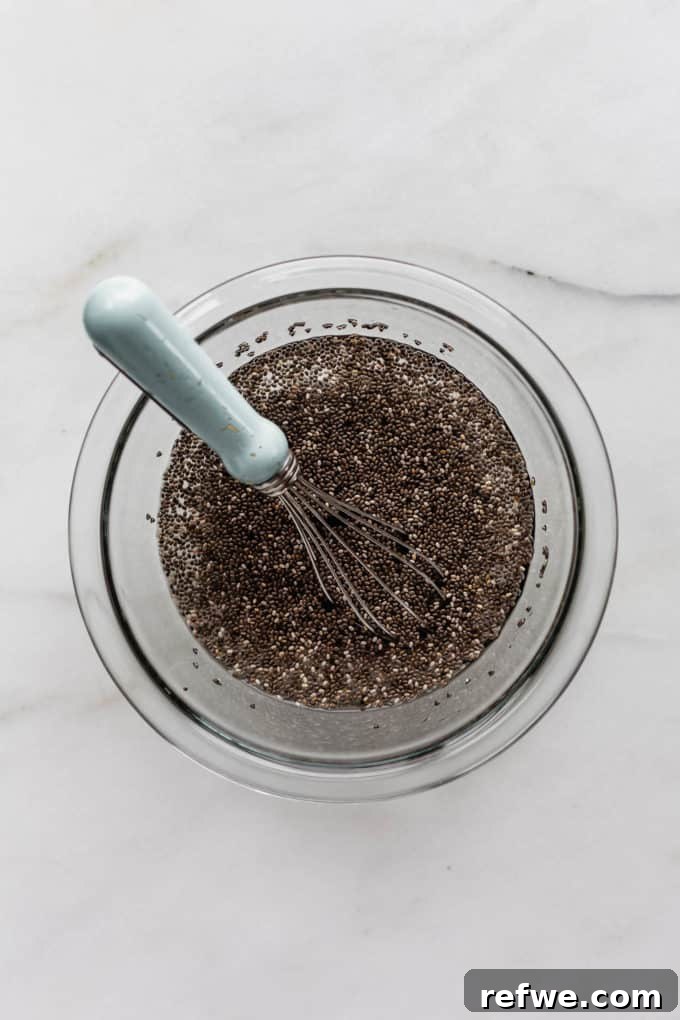
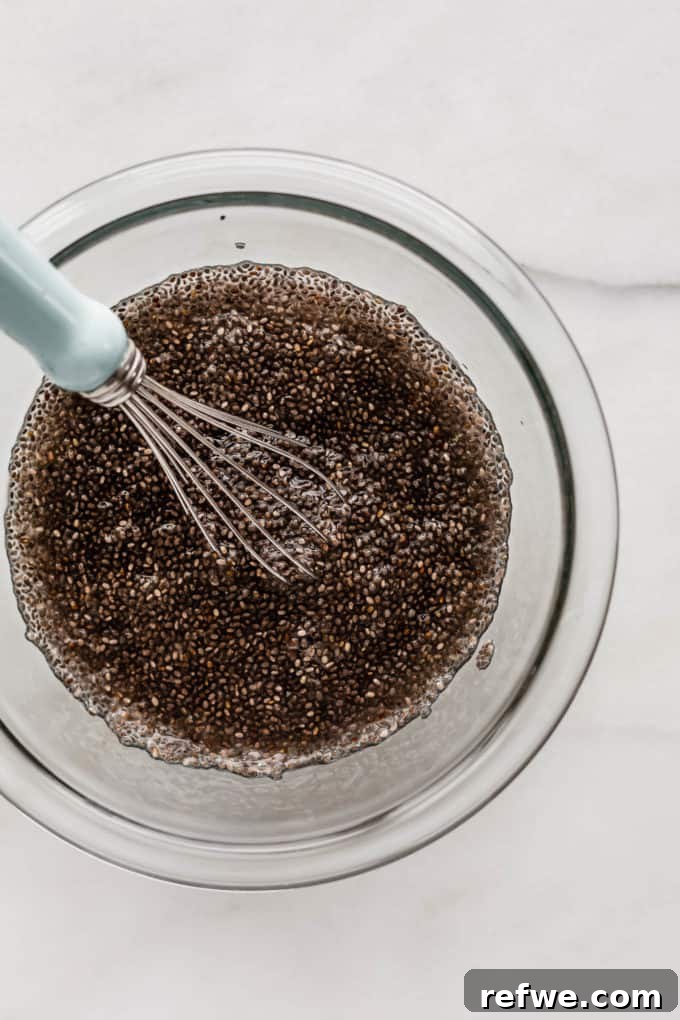
While your chia gel is setting, preheat your oven and prepare your loaf pan. Once the chia gel is ready, gather all the remaining bread ingredients. Next, the process simplifies even further: add the prepared chia gel along with the soaked buckwheat groats, flax seeds, sunflower seeds, olive oil, maple syrup, baking powder, and salt to a sturdy **food processor**. This powerful kitchen tool is key to achieving the desired dough consistency.
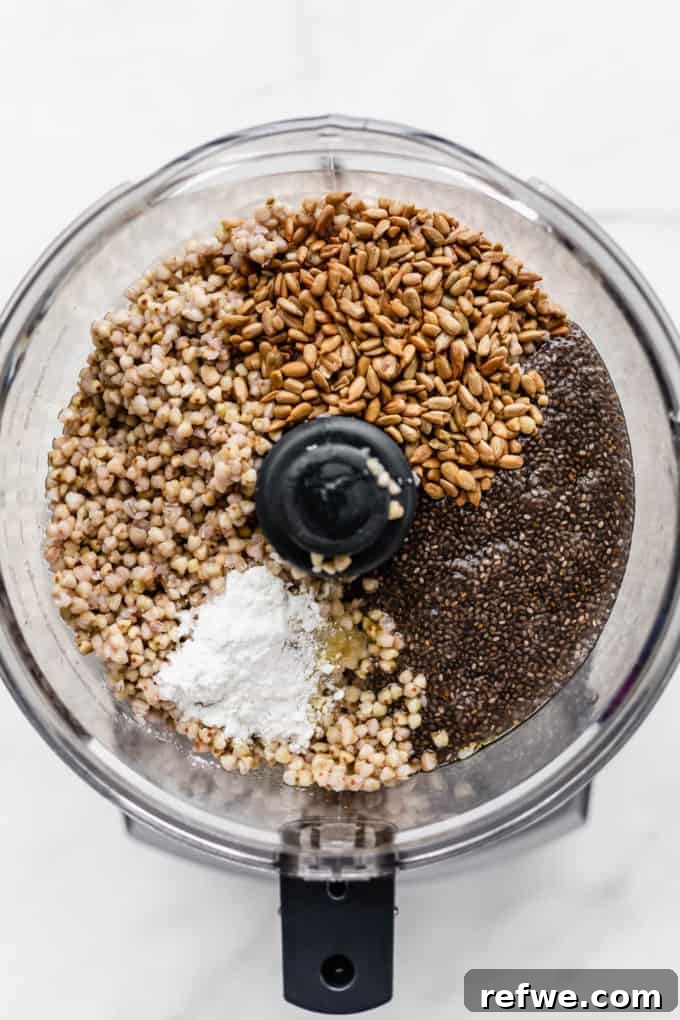
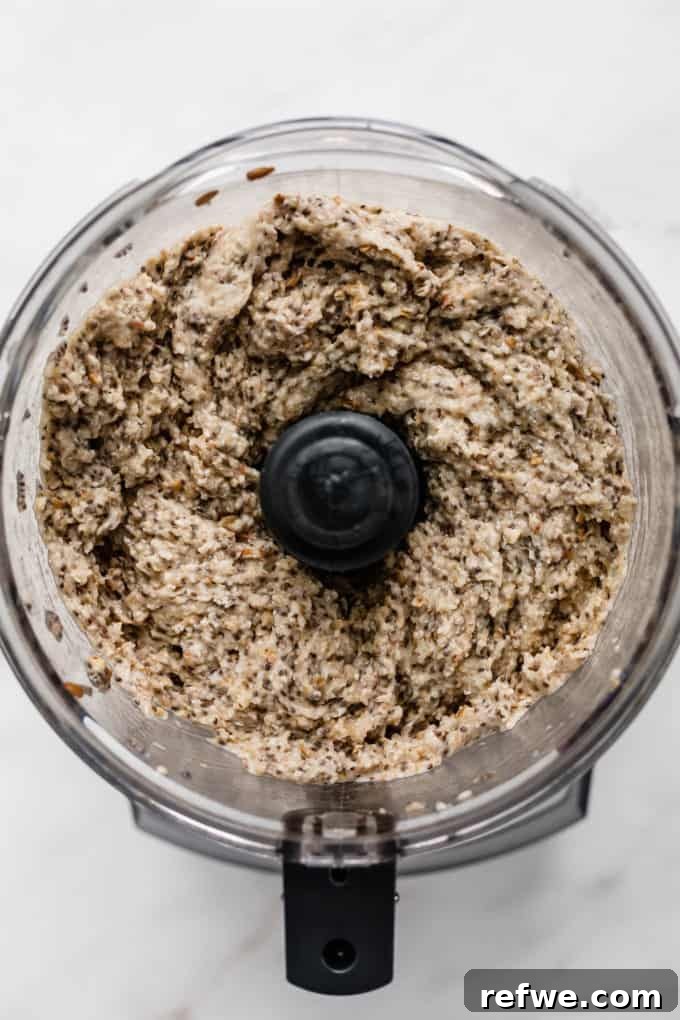
Process all the ingredients together for **1 to 2 minutes**, or until the mixture is thoroughly combined and forms a relatively smooth, thick batter. The goal is to break down the buckwheat groats sufficiently while integrating all components evenly. The resulting consistency should be spreadable, not liquidy.
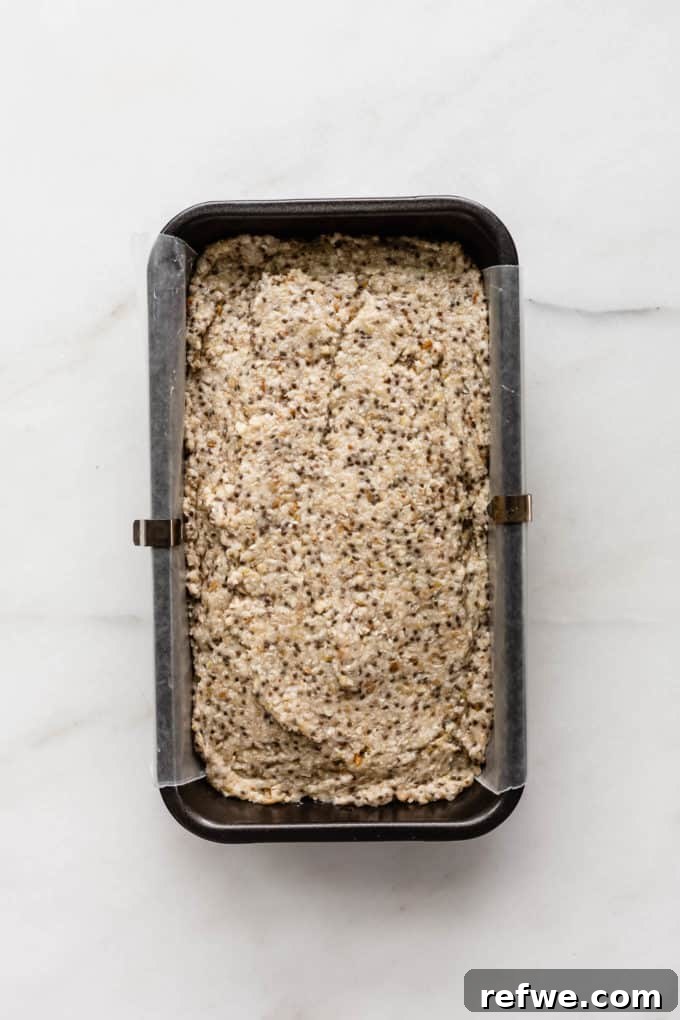
Once your batter is perfectly blended, line an 8×4 inch loaf pan with parchment paper. This step is crucial for easy removal of the baked bread and ensures a clean finish. Carefully spread the bread dough evenly into the prepared pan, smoothing the top with a spatula. This ensures even baking and a beautiful presentation.
Now, it’s time for the oven. Bake the loaf for approximately **1 hour and 10 minutes**. The bread should appear firm to the touch and golden brown on top. Remember that oven temperatures can vary, so keep an eye on your loaf, especially towards the end of the baking time.
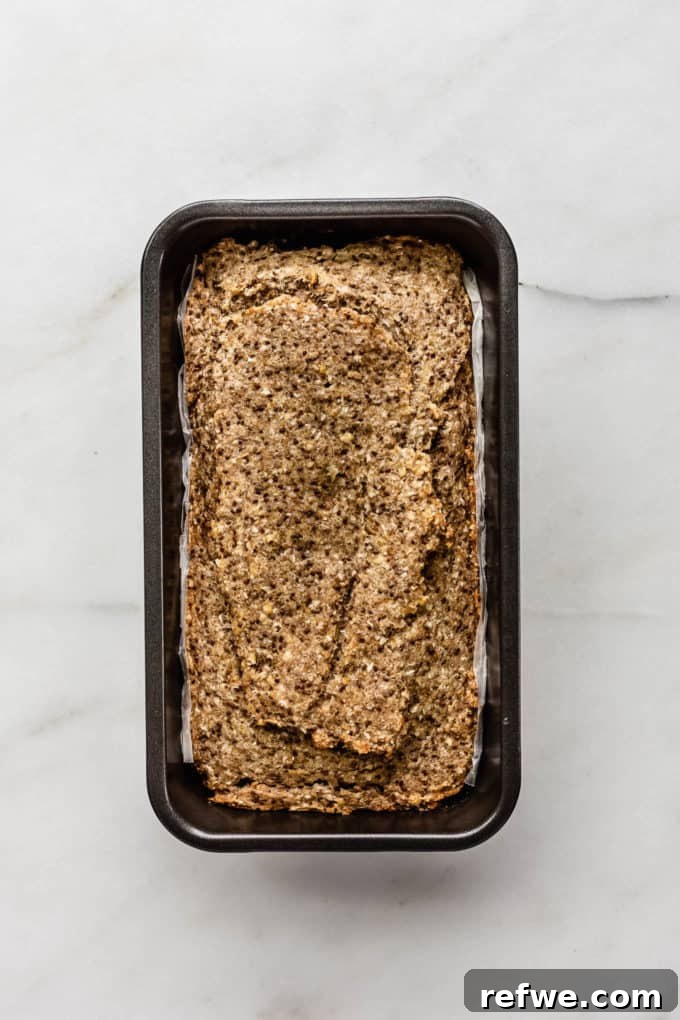
Once baked, remove the loaf pan from the oven. The most challenging part is yet to come: **patience!** Allow the bread to cool completely on the countertop in the pan before attempting to remove it or slice. This cooling period is essential as it allows the bread to set properly, preventing it from crumbling and ensuring a perfect slice every time. Resist the urge to cut into it too soon!
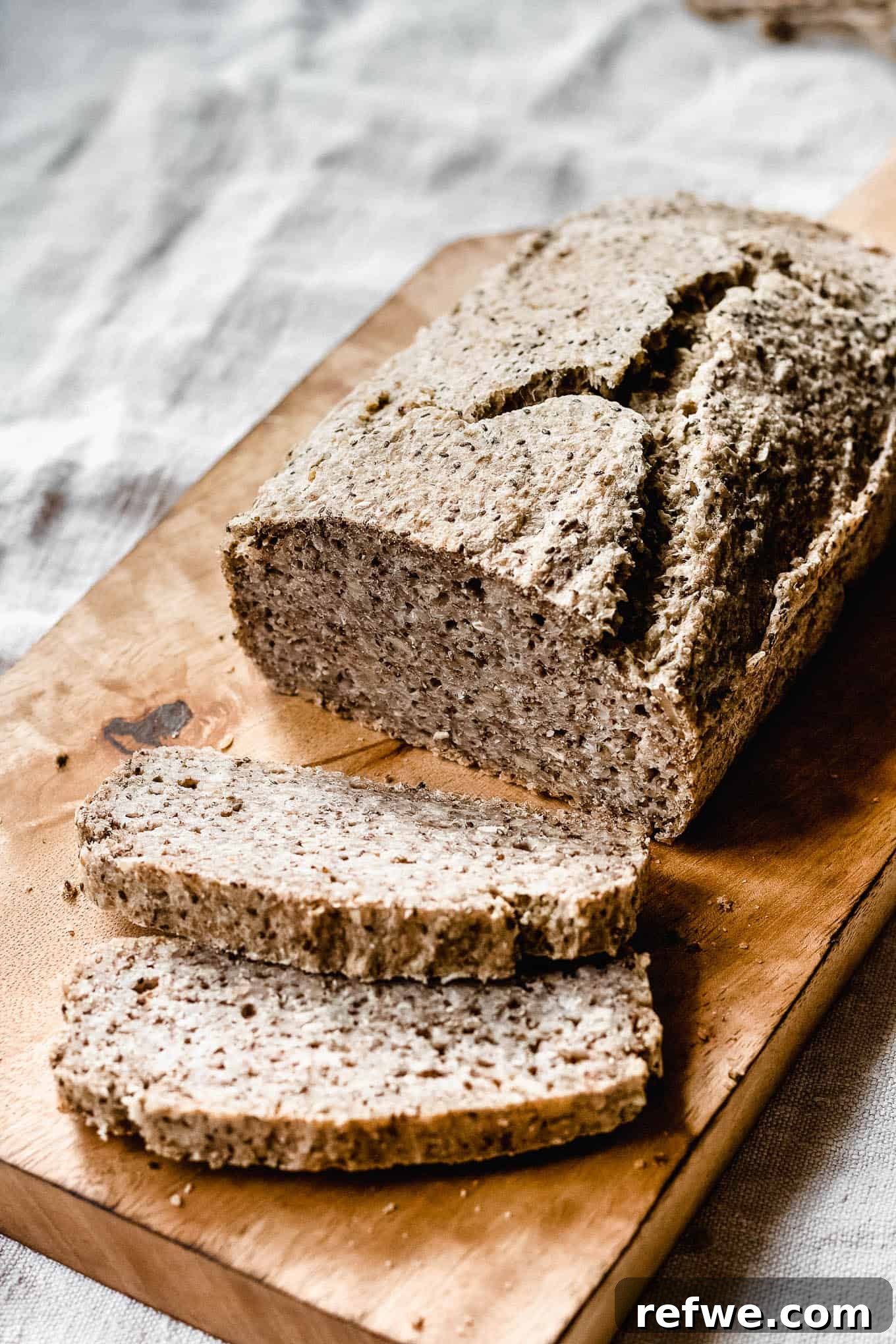
Customizing Your Loaf: Buckwheat Chia Seed Bread Variations & Substitutions
One of the joys of baking this buckwheat chia bread is its adaptability. Feel free to experiment with these variations and substitutions to tailor the loaf to your taste preferences or dietary needs:
- **Buckwheat Flour Substitution:** If you don’t have buckwheat groats on hand, don’t worry! Many readers have successfully substituted buckwheat flour. For the best results, use approximately **1 cup + 2 tablespoons of buckwheat flour** in place of the groats. This slight adjustment in quantity accounts for the difference in density and moisture absorption between groats and flour.
- **Oat-Based Alternative:** For those who prefer oats or want to experiment with a different whole grain, you can substitute the buckwheat groats with **rolled oats** in this recipe. This will result in a slightly different texture and flavor profile but will still yield a delicious and healthy loaf.
- **Nut and Seed Power-Up:** The recipe calls for sunflower seeds, but feel free to get creative! Incorporate any type of **nuts or seeds** you like, either in place of or in addition to the sunflower seeds. Pumpkin seeds, chopped walnuts, pecans, almonds, or even a mix of seeds like sesame or poppy seeds would add wonderful flavor and crunch. Adjust quantities to your liking, generally keeping the total volume similar.
- **Sugar-Free Version:** For a loaf with no added sugars, simply **omit the maple syrup**. The natural sweetness of the buckwheat and other ingredients will still provide a pleasant taste, especially when paired with flavorful toppings.
- **Fat-Free Modification:** To reduce the fat content, you can substitute the olive oil with an equal amount of **unsweetened apple sauce**. This will keep the bread moist while significantly cutting down on fat. Note that the texture might be slightly different.
- **Herb and Spice Infusion:** For a savory bread, consider adding dried herbs like rosemary, thyme, or oregano, or a pinch of garlic powder. For a touch of sweetness and warmth, cinnamon, nutmeg, or allspice can be lovely additions, especially if you plan to enjoy the bread with fruit.
- **Dried Fruit Inclusion:** If you enjoy a hint of sweetness and chewiness, fold in a small amount of chopped dried fruits like cranberries, raisins, or apricots after blending the main ingredients.
Expert Tips for Making the Perfect Buckwheat Chia Bread
Achieving a consistently perfect loaf of this unique bread is simple when you follow a few key guidelines:
- **The Importance of Soaking Buckwheat Groats:** This step is absolutely critical for the success of your bread. **Do not forget to soak the buckwheat groats** for 1 to 2 hours before you begin the baking process. Soaking softens the groats considerably, making them easier to blend into a smooth batter and ensuring a more tender crumb in the final bread. After soaking, be sure to drain the groats thoroughly and rinse them under cold water. You might notice a slightly slimy texture on the groats after soaking; this is entirely normal and expected, a sign that the mucilage is releasing, which helps with binding.
- **Whisking Your Chia Gel Properly:** When preparing the chia seeds and water mixture to form the gel, it’s essential to **whisk them together very well** initially. A thorough whisking ensures that the chia seeds are evenly dispersed in the water and can absorb liquid uniformly. If you don’t whisk adequately, the seeds can clump together, leading to uneven gelling and potentially dry pockets in your bread. Aim for a consistent, lump-free gel.
- **Understanding Your Oven and Testing for Doneness:** Every oven has its own quirks and temperature variations, which can affect baking times. While the recipe suggests 1 hour and 10 minutes, **you may need to bake your bread slightly longer or shorter** depending on your specific appliance. To accurately test for doneness, simply insert a toothpick or a thin skewer into the center of the loaf. If the toothpick comes out clean, without any wet batter clinging to it, your bread is perfectly cooked through. If it comes out with wet crumbs, continue baking for another 5-10 minutes and retest.
Buckwheat Bread Frequently Asked Questions
Here are answers to some common questions that arise when baking this unique buckwheat chia bread:
- I only have buckwheat flour, can I use that?
Yes, absolutely! Buckwheat flour can be successfully used in this recipe as a substitute for buckwheat groats. When making this substitution, you will need to adjust the quantity slightly. Use approximately **1 cup + 2 tablespoons of buckwheat flour** to achieve a similar consistency and outcome as with the groats. - Why didn’t my bread rise as much as I expected?
It’s important to set expectations for this type of bread. This buckwheat bread, being a gluten-free and yeast-free loaf, **will not rise as dramatically or become as airy as a typical bread made with conventional yeast and wheat flour**. It is naturally a denser bread, known for its hearty and substantial texture. That being said, it should still show a little rise. If your bread barely rose, ensure you are using **fresh baking powder**. Baking powder loses its potency over time, and stale baking powder can significantly hinder any lift in the bread. You can also experiment with adding an additional **1/2 teaspoon of baking soda** alongside the baking powder to give it a little extra boost. - My bread turned out a bit wet inside, what can I do?
It is inherent to this style of gluten-free bread that it will be **naturally a little moist inside**, which contributes to its wonderful texture. However, if you find it too wet for your preference, a simple solution is to **slice it up and toast it** before serving. Toasting not only helps to dry out the interior slightly but also enhances the nutty flavors and creates a delightful crispy exterior. You can also try baking it for an additional 5-10 minutes in your next batch, keeping an eye on it with the toothpick test.
Storage and Longevity: Keeping Your Gluten-Free Buckwheat Bread Fresh
Proper storage is key to maintaining the freshness and quality of your homemade Buckwheat Chia Bread. This bread has a good shelf life and can be enjoyed for several days:
To store this delightful loaf, place it in an airtight container or wrap it securely in plastic wrap and **keep it in the fridge for up to a week**. Storing it in the refrigerator helps to maintain its freshness and prevents it from spoiling quickly, which can happen with homemade breads that lack preservatives.
For the absolute best taste and texture after refrigeration, we highly recommend **toasting individual slices before eating**. Toasting will revive the bread, bringing out its nutty flavors and providing a pleasant crispy exterior.
This bread also **freezes exceptionally well**, making it perfect for meal prep or for extending its life even further. For optimal convenience and freshness, we suggest **slicing up the bread before freezing**. This way, you can easily grab individual slices as needed, pop them directly into a toaster, and enjoy fresh, warm bread whenever the craving strikes, without having to thaw the entire loaf.
Delicious Ways to Savor Your Buckwheat Chia Bread
The versatility of Buckwheat Chia Bread is truly one of its best features. Its hearty texture and subtle nutty flavor make it a perfect canvas for both sweet and savory toppings, allowing for endless culinary creativity. Here are some fantastic ways to enjoy your freshly baked loaf:
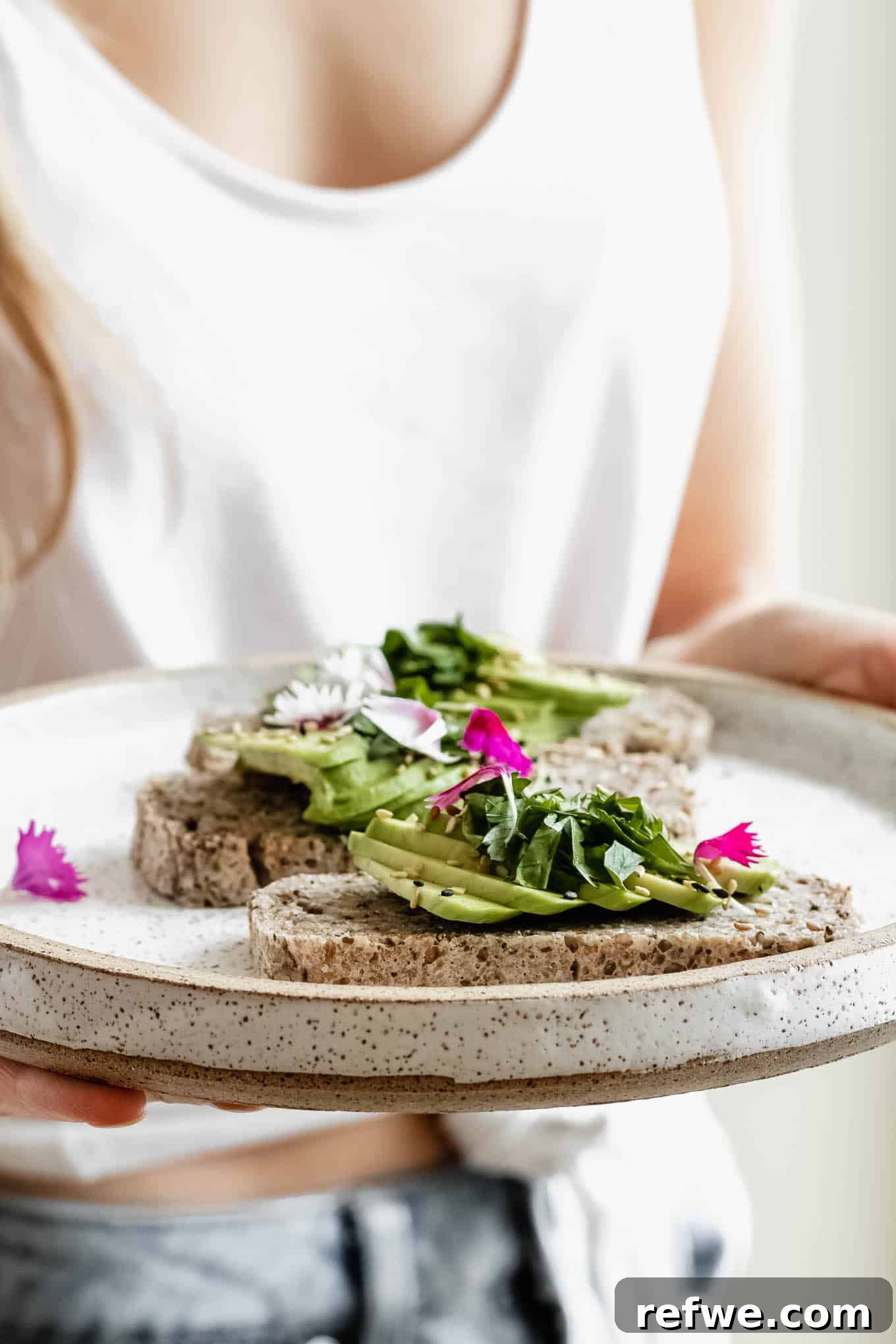
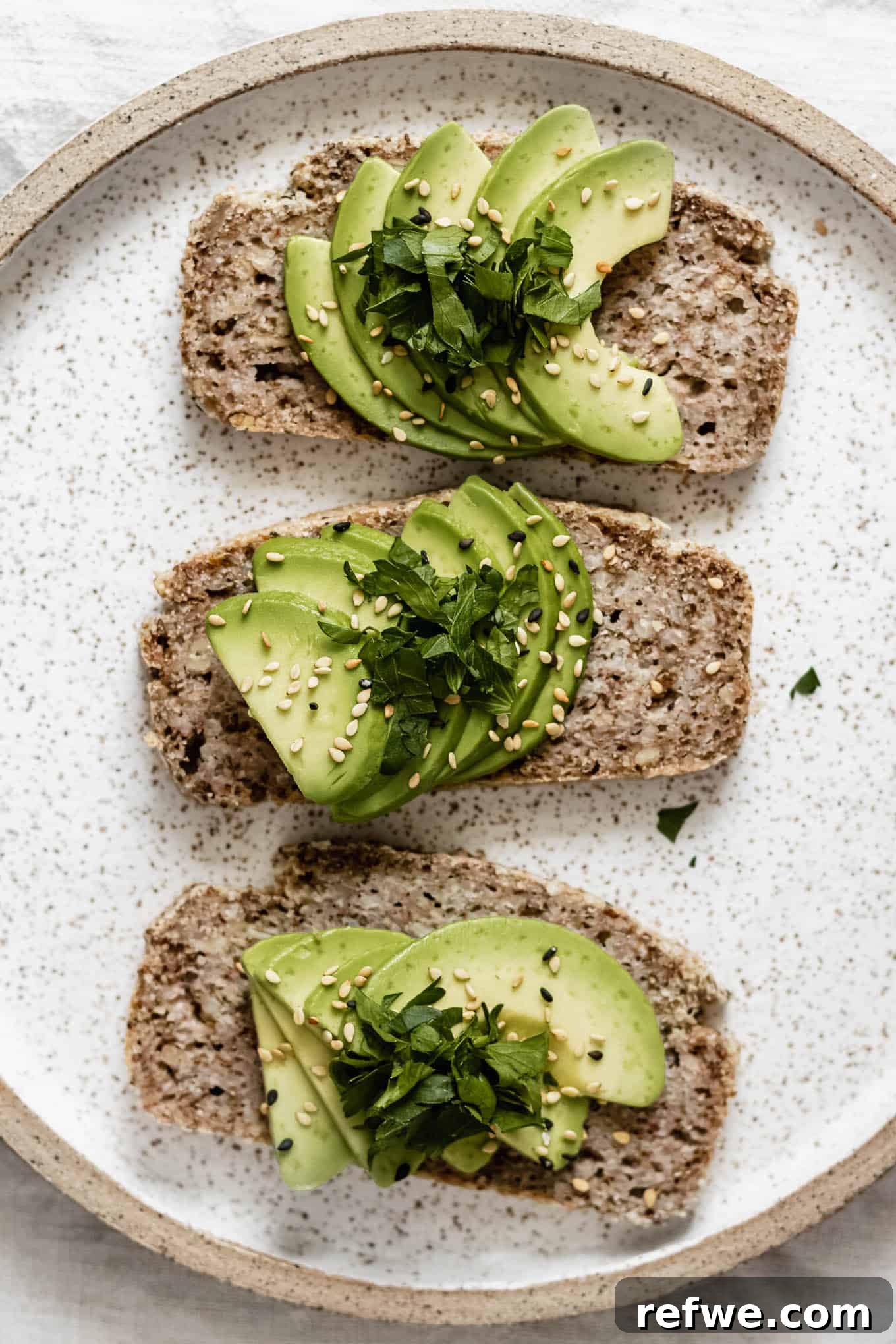
- **Classic Avocado Toast:** Top with perfectly sliced or creamy smashed avocado, a sprinkle of flaky sea salt, and a dash of red pepper flakes for a vibrant and satisfying breakfast or snack.
- **Nut Butter Delights:** Spread generously with your favorite almond butter and finish with a pinch of sea salt for a simple yet deeply flavorful treat.
- **Peanut Butter & Banana Bliss:** Combine creamy peanut butter with thinly sliced bananas for a classic, energy-boosting combination that’s both delicious and nutritious.
- **Savory Hummus Spread:** A thick layer of hummus makes for a quick and healthy lunch, perhaps garnished with a few cucumber slices or cherry tomatoes.
- **Mediterranean Freshness:** Dice ripe tomatoes, mix with fresh herbs like basil or parsley, a drizzle of olive oil, and a splash of balsamic glaze for a light and refreshing topping.
- **Cream Cheese Indulgence:** Enjoy with a spread of your preferred cream cheese (whether regular dairy or a delicious vegan alternative) for a rich and comforting option.
- **Sweet Jams & Fruit Spreads:** For a touch of sweetness, slather with your favorite berry jam, fruit preserves, or a homemade chia jam.
- **Open-Faced Sandwiches:** Use slices as the base for small, open-faced sandwiches featuring ingredients like thinly sliced vegetables, plant-based deli slices, or a scoop of chickpea salad.
- **Soup Companion:** Serve alongside your favorite hearty soups or stews for a filling and comforting meal.
Explore More Wholesome Bread Recipes:
If you’ve fallen in love with the idea of homemade, healthy breads, be sure to check out these other delightful recipes from our collection:
- Decadent Vegan Banana Bread
- Irresistible Chocolate Chip Zucchini Bread
- Comforting Healthy Chocolate Pumpkin Bread
If you have tried this amazing **buckwheat & chia bread** recipe or any other delicious creation from our blog, we would love to hear from you! Please share your thoughts and experiences by leaving a comment and a rating below. Your feedback helps us grow and inspires others to try these wholesome recipes. And don’t forget to follow along on Pinterest, Instagram, and Facebook for even more culinary inspiration and deliciousness!
Print Recipe
Chia Seed Buckwheat Bread
- Author: Jessica Hoffman
Prep Time: 15 minutes
Cook Time: 1 hour and 15 minutes
Total Time: 1.5 hours
Yield: 10-12 slices
Category: Breakfast
Method: Baking
Cuisine: American
Diet: Gluten Free
Description
This Buckwheat Chia bread is incredibly easy to make, requires no kneading, is entirely yeast-free, and tastes absolutely delicious! Enjoy it perfectly toasted with your favorite wholesome toppings, such as creamy almond butter or fresh avocado. This recipe is inspired by The Healthy Chef.
Ingredients
- 1/4 cup chia seeds
- 1 cup water
- 1 and 3/4 cup buckwheat groats, soaked in water for 2 hours, then drained & rinsed.
- 2 tbsp flax seeds
- 1/4 cup sunflower seeds
- 1/4 cup olive oil
- 1 tbsp maple syrup
- 2 tsp baking powder
- 1/2 tsp salt
Instructions
- Whisk the chia seeds and water together in a bowl until well combined. Set aside and let the mixture “gel” for 20 minutes, forming a thick, binding chia egg.
- Preheat your oven to 325 F (160 C). Line an 8×4 inch loaf pan with parchment paper, allowing some overhang on the sides for easy removal.
- Into a food processor, add the prepared chia gel, soaked and rinsed buckwheat groats, flax seeds, sunflower seeds, olive oil, maple syrup, baking powder, and salt.
- Blend for 1-2 minutes, or until all ingredients are thoroughly combined and the mixture forms a thick, spreadable batter. Scrape down the sides of the food processor as needed.
- Spoon the batter evenly into your prepared loaf pan, smoothing the top with a spatula to ensure an even bake.
- Bake for 1 hour and 15 minutes, or until the bread is firm to the touch and a rich golden brown on the surface.
- Remove the loaf from the oven and let it cool in the pan for at least 15 minutes. Then, carefully lift the bread out using the parchment paper overhang and transfer it to a wire rack to cool completely before slicing and serving.
Equipment
Food Processor
Buy Now →
Whisk
Buy Now →
Glass Mixing Bowls
Buy Now →
Notes
Don’t forget to soak the buckwheat groats. This critical step will help soften them up, making them easier to blend and contributing to a better texture in the final bread. Soak them for 1-2 hours before baking and ensure you give them a thorough rinse after soaking. The groats might feel a bit slimy; this is completely normal and is a sign they are properly hydrated.
Whisk the chia seeds and water mixture together very well before letting it sit to gel. This ensures that the chia seeds are evenly dispersed and hydrate uniformly; otherwise, you may end up with undesirable clumps of chia seeds in your gel and, consequently, your bread.
Baking times can vary depending on the calibration of your oven. You may find that you need to bake the bread slightly longer or shorter than the specified time. To accurately test if the bread is fully cooked, insert a toothpick into its center. If the toothpick comes out clean, your bread is ready. If it has wet crumbs, continue baking for another 5-10 minutes and retest.
Please remember that this bread is naturally designed to be denser than a regular wheat loaf of bread. Its hearty texture is a characteristic of gluten-free, whole-grain loaves and contributes to its satisfying chewiness.
For optimal freshness and taste, store this bread in the fridge. Toasting slices before eating is highly recommended, as it revives the texture and enhances the nutty flavors.
Nutrition
- Serving Size: 1 slice
- Calories: 95
- Sugar: 0.6g
- Fat: 4g
- Saturated Fat: 0g
- Carbohydrates: 13g
- Fiber: 3g
- Protein: 2g