
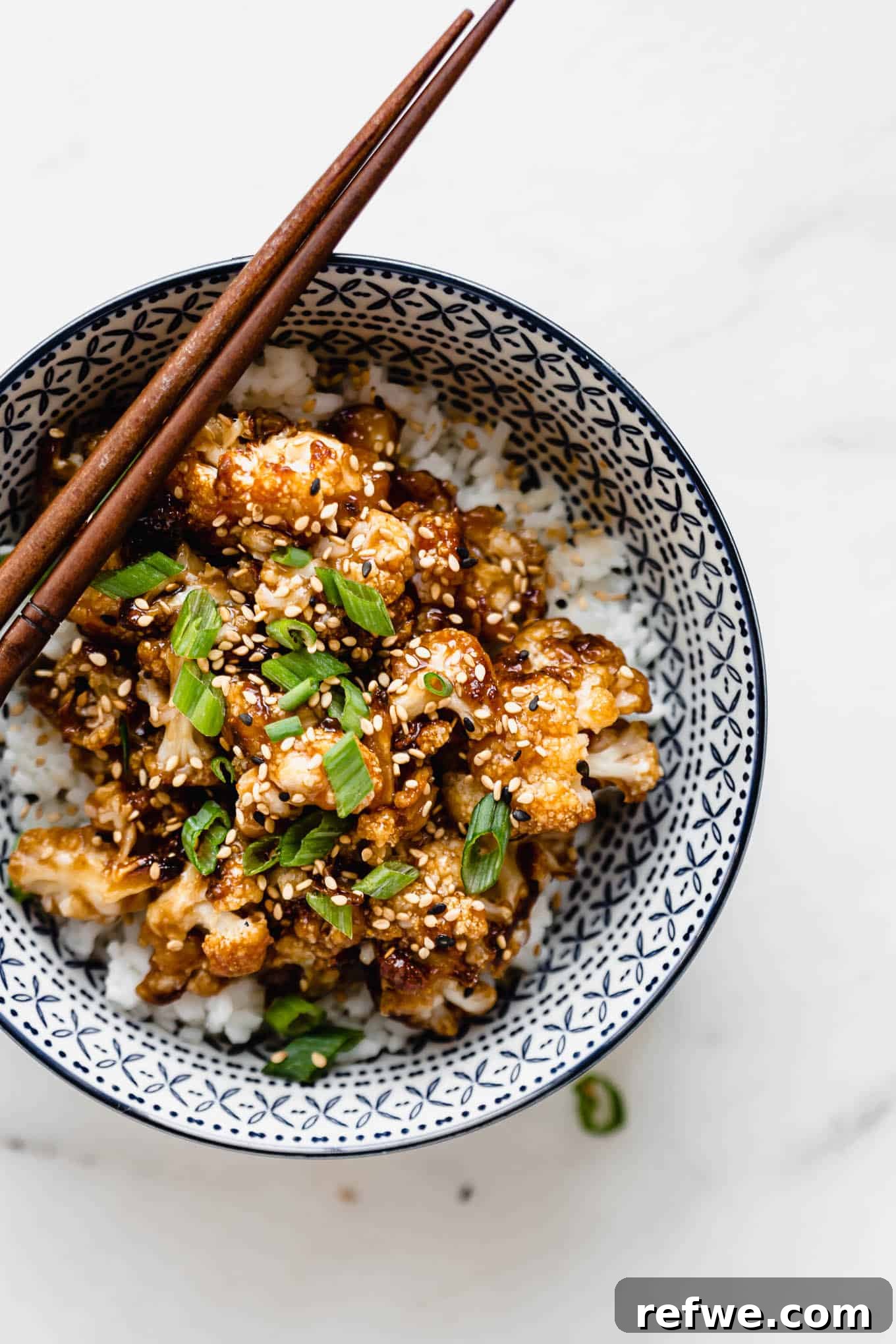
Experience a truly exceptional plant-based dish with this easy-to-make Kung Pao Cauliflower. Featuring perfectly roasted cauliflower florets generously coated in a dynamic sweet, sour, and savory sauce, this recipe is designed to impress. It’s incredibly versatile, serving beautifully as either a satisfying main course or a vibrant side dish, and is naturally vegetarian and vegan!
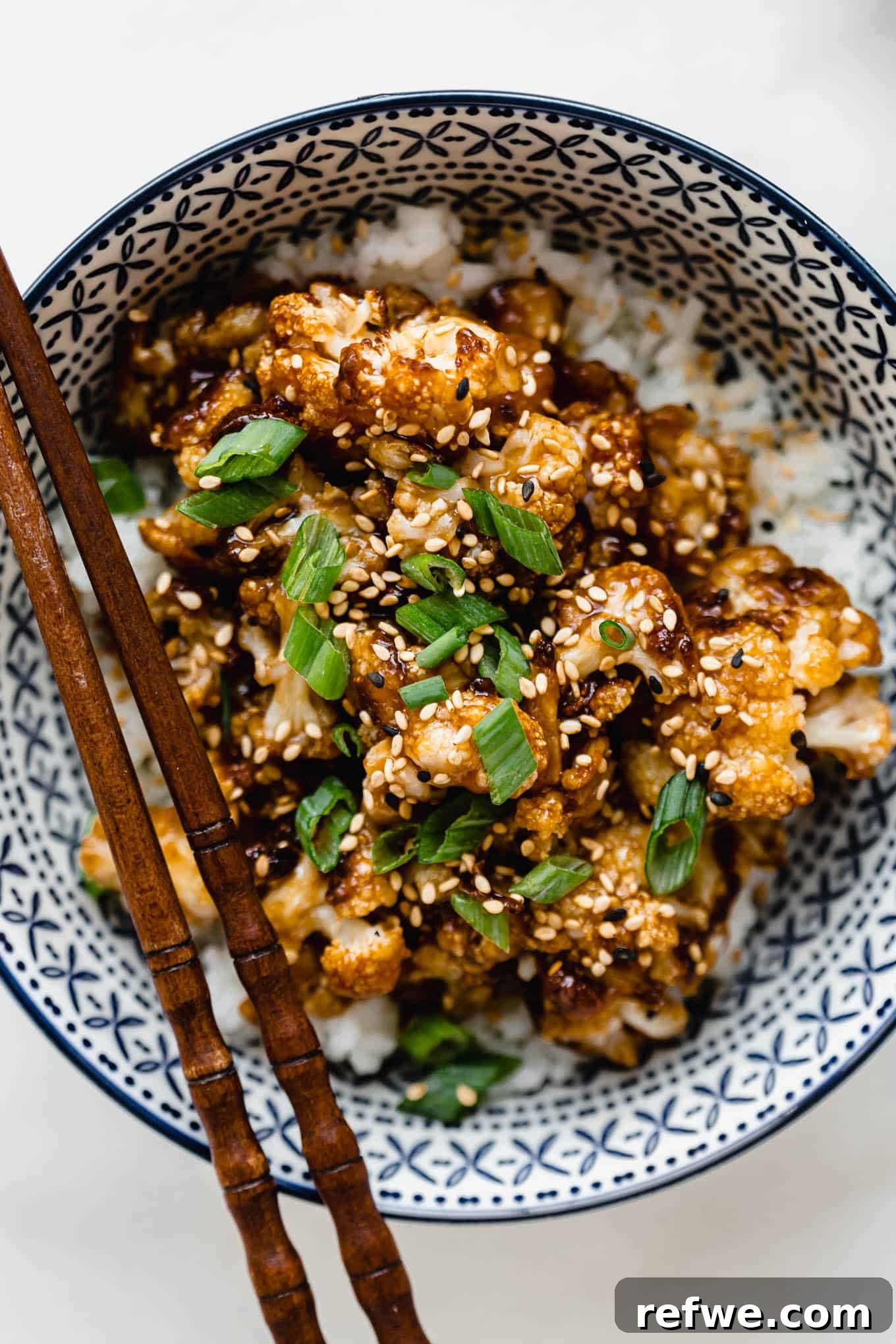
Discover the Ultimate Vegan Kung Pao Cauliflower: A Flavor-Packed Plant-Based Recipe
Are you searching for a delicious, healthy, and exciting way to incorporate more vegetables into your diet? Look no further than this incredible Kung Pao Cauliflower recipe. This dish takes the beloved flavors of traditional Kung Pao and transforms them into a vibrant, plant-based culinary masterpiece. It’s a fantastic alternative to classic meat-based stir-fries, offering a satisfying texture and an explosion of taste that will delight your palate.
While similar in spirit to a Kung Pao Tofu, this recipe stands on its own with a unique sauce blend and preparation method specifically tailored to bring out the best in cauliflower. It’s more than just a substitute; it’s a celebration of cauliflower’s versatility, proving that plant-based meals can be just as, if not more, flavorful and exciting.
A Delectable Kung Pao Cauliflower Stir-Fry: The Secret to Irresistible Texture and Flavor
The magic behind this Kung Pao Cauliflower lies in its distinct preparation method. Unlike many stir-fries that simply toss raw vegetables directly into a pan, our recipe begins by roasting the cauliflower florets in the oven first. This crucial step is a game-changer for several reasons. Roasting at a high temperature caramelizes the cauliflower, drawing out its natural sweetness and creating a wonderfully tender-crisp texture that can withstand the subsequent stir-frying process without becoming soggy. This initial roasting infuses the cauliflower with a deep, earthy flavor that is unparalleled.
After achieving that perfect roasted tenderness, the cauliflower is then transferred to a hot pan for a quick stir-fry with our rich Kung Pao sauce. This two-step approach ensures that each floret is perfectly cooked and beautifully coated, allowing the sauce to thicken and cling, creating that irresistible sticky glaze that is a hallmark of truly great Kung Pao dishes. While you could technically just toss the roasted cauliflower with the sauce in a bowl, the quick sizzle in the pan elevates the entire dish, ensuring every piece of cauliflower is enveloped in savory goodness.
Unveiling the Iconic Flavors of Kung Pao: A Symphony for Your Senses
Kung Pao is renowned for its complex and captivating flavor profile, a masterful balance of sweet, sour, savory, and a hint of spice. It’s a taste sensation that keeps you coming back for more. The distinct sour and tangy notes in the sauce primarily come from Chinese black vinegar, a staple in authentic Chinese cuisine. This special vinegar adds a depth and brightness that is hard to replicate. If Chinese black vinegar isn’t readily available, a good quality balsamic vinegar can be used as a substitute, offering a similar tang and rich undertone to the sauce. While the flavor will be slightly different, it will still yield a delicious result.
Another signature ingredient that sets Kung Pao apart is the Sichuan peppercorn. These unique peppercorns are not like your everyday black peppercorns. They possess a subtle citrusy aroma and, most notably, a distinctive cooling and slightly numbing sensation on the tongue—often described as “mala.” This effect is very mild and pleasant, adding an exciting dimension rather than overpowering your taste buds. It’s a subtle tingle that enhances the overall experience of the dish. If you can’t source Sichuan peppercorns, regular black peppercorns will still contribute a welcome warmth, and your Kung Pao Cauliflower will undoubtedly remain incredibly tasty!
Why This Kung Pao Cauliflower Will Be Your New Favorite
There are countless reasons to fall in love with this Kung Pao Cauliflower recipe. First and foremost, it’s incredibly delicious! The combination of tender-crisp roasted cauliflower and the vibrant, balanced Kung Pao sauce creates a dish that’s bursting with flavor. Beyond taste, its versatility is a major plus. Whether you’re looking for a hearty main course to serve alongside rice or noodles, or a flavorful side dish to complement an Asian-inspired meal, this cauliflower fits the bill perfectly.
For those prioritizing healthy eating, this recipe is a dream. Cauliflower is packed with essential nutrients, fiber, and antioxidants, making it an excellent choice for a wholesome meal. As a vegan and vegetarian dish, it’s accessible to a wide range of dietary preferences, ensuring that everyone at your table can enjoy its delightful flavors. It’s also surprisingly easy to prepare, making it a fantastic option for busy weeknights or when you need a quick yet impressive meal.
Step-by-Step Guide: Crafting Your Perfect Kung Pao Cauliflower
Making this incredible Kung Pao Cauliflower is a straightforward process that yields impressive results. Follow these steps to create a dish that’s bursting with flavor and perfect texture:
1. Preparing and Roasting the Cauliflower: The Foundation of Flavor
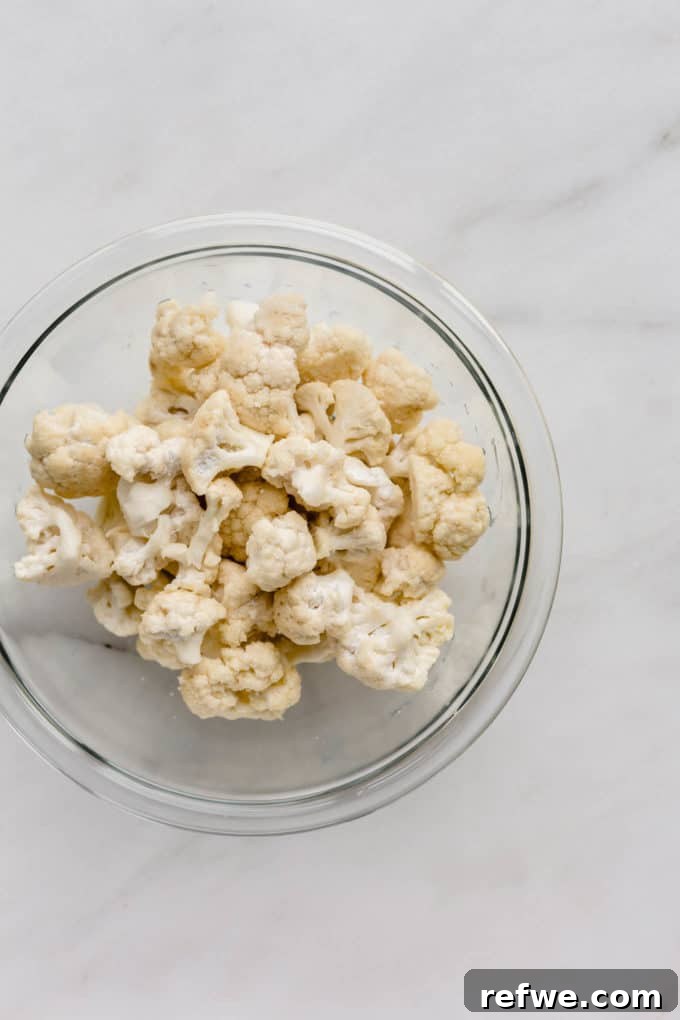
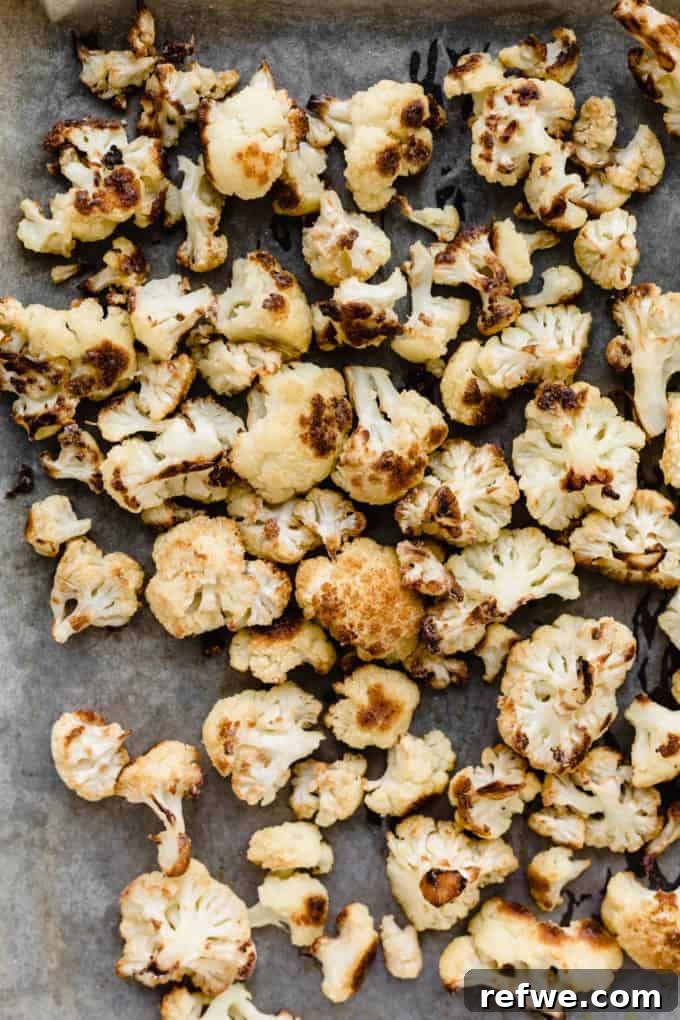
Begin by preheating your oven to 425 degrees F (218 degrees C). Line a large baking sheet with parchment paper for easy cleanup. Cut your medium head of cauliflower into evenly sized florets. Uniformity is key here, as it ensures all pieces cook at the same rate, preventing some from being overcooked while others remain raw. In a large bowl, toss the cauliflower florets with olive oil and corn starch until they are well coated. The corn starch is crucial for creating that desirable crispy exterior during roasting. Spread the coated florets in a single layer on the prepared baking sheet, ensuring they have enough space to roast without steaming. Roast for 25-30 minutes, flipping them halfway through to ensure even browning and crispiness. Look for tender florets with slightly browned edges.
2. Crafting the Signature Kung Pao Sauce
While your cauliflower is roasting, prepare the star of the show: the Kung Pao sauce. In a small bowl, whisk together the soy sauce (ensure it’s gluten-free if needed), Chinese black vinegar (or balsamic), hoisin sauce (also gluten-free if required), coconut sugar (or brown sugar for sweetness), sambal Olek (or sriracha for heat), finely chopped garlic clove, and Sichuan peppercorns (or regular black peppercorns). Mix until all ingredients are thoroughly combined and the sugar has dissolved. This balance of sweet, sour, savory, and spicy is what gives Kung Pao its iconic taste.
3. Bringing It All Together: The Stir-Fry Finish
Once the cauliflower is roasted to perfection, transfer it from the baking sheet. Heat a large skillet or wok over medium-high heat. Pour the prepared Kung Pao sauce into the hot skillet and let it simmer for about 1 minute, or until it gently bubbles and begins to thicken slightly. This brief cooking time allows the flavors to meld and the sauce to achieve a beautiful, sticky consistency. Immediately add the roasted cauliflower to the skillet. Toss vigorously to ensure every floret is evenly coated with the glossy, flavorful sauce. Continue to cook for another 1-2 minutes, allowing the sauce to truly adhere to the cauliflower and warm through.
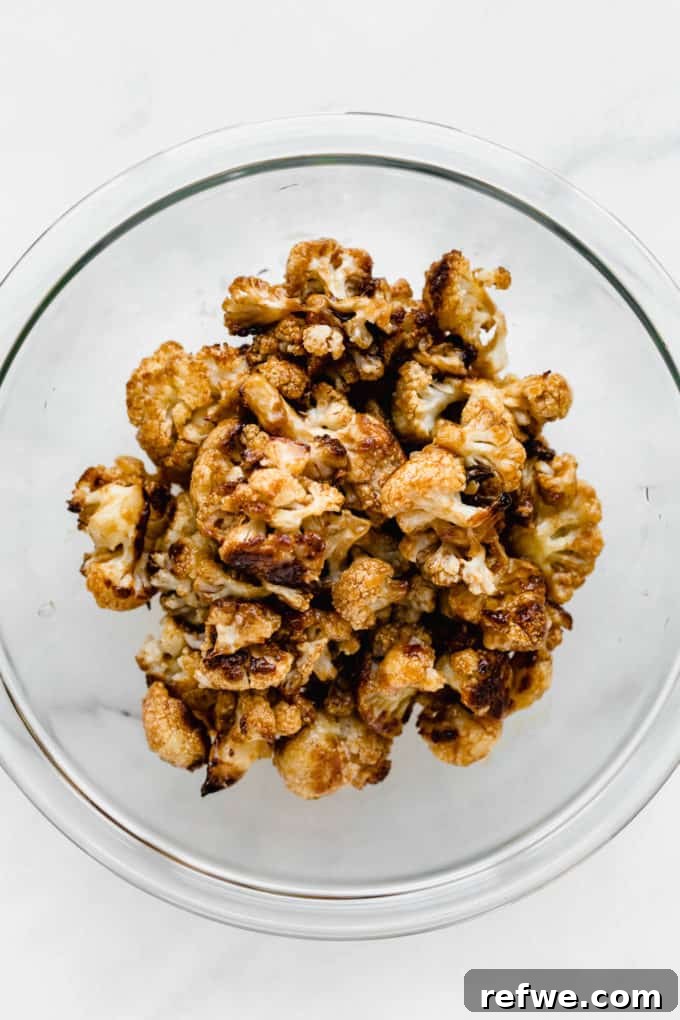
4. Garnish and Serve
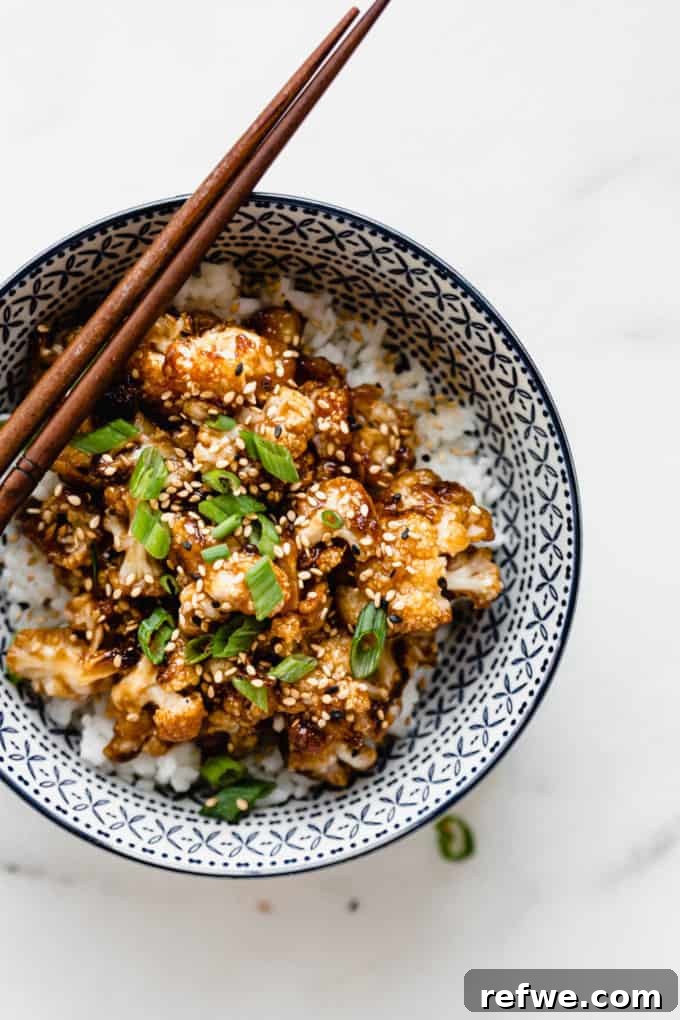
Once coated and fragrant, your Kung Pao Cauliflower is ready to be served! Transfer it to a serving platter or individual bowls. Finish it off with generous toppings of freshly sliced green onions for a burst of freshness, sesame seeds for a nutty crunch, and/or crushed peanuts for added texture and richness. This dish is incredibly satisfying on its own as a light meal or appetizer, but it truly shines when served over a bed of fluffy steamed rice, quinoa, or noodles to soak up all that delicious sauce.
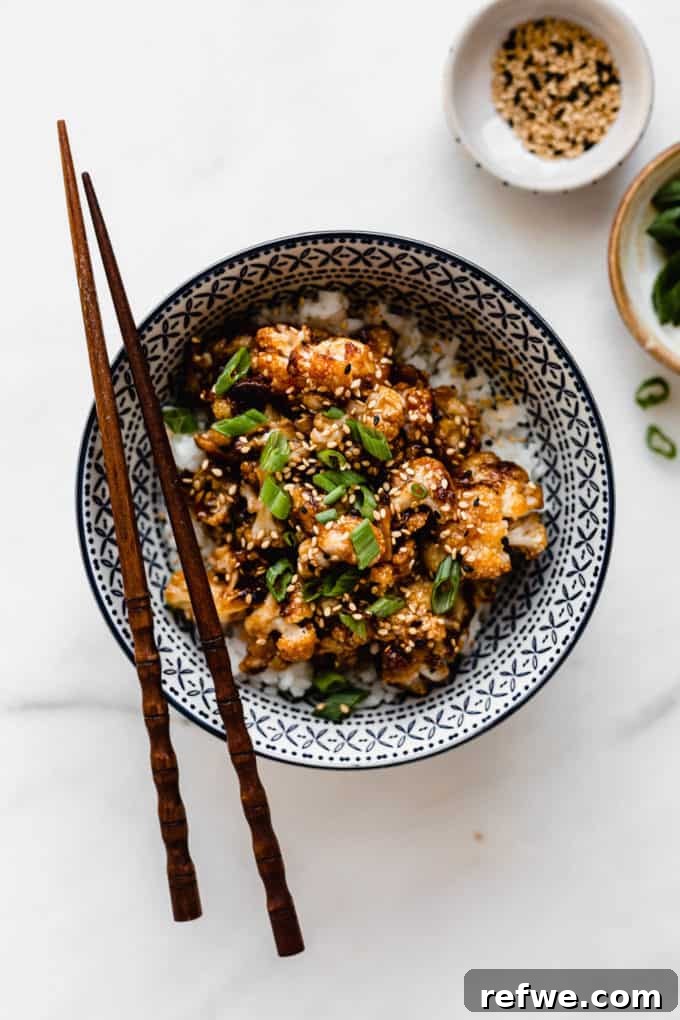
Customizing Your Kung Pao Cauliflower: Tips for Perfection and Creative Variations
This Kung Pao Cauliflower recipe is wonderfully flexible, allowing for various customizations to suit your taste and dietary needs. Here are some tips and variations to help you make it perfectly every time:
Achieving the Perfect Roast:
- Even Florets are Key: Always aim to cut your cauliflower into florets of roughly the same size. This ensures that every piece cooks evenly in the oven, preventing some from being undercooked or burnt.
- Don’t Crowd the Pan: When roasting, spread the cauliflower in a single layer on the baking sheet. If your sheet is too crowded, the cauliflower will steam instead of roast, resulting in a soggy texture. Use two baking sheets if necessary.
Sauce Adjustments and Scaling:
- Double the Sauce: If you’re working with a very large head of cauliflower, or simply prefer a more generously sauced dish, feel free to double the Kung Pao sauce ingredients. You can always add more as needed.
- Spice Level: Adjust the amount of sambal Olek or sriracha to your preference. For extra heat, add a pinch of dried chili flakes with the Sichuan peppercorns during the stir-fry. For a milder version, reduce the chili paste or omit it entirely.
- Sweetness: If you prefer a sweeter sauce, you can add a touch more coconut sugar or brown sugar to taste.
Textural Variations: Cauliflower “Nuggets”
For an even crispier, more substantial texture, you can transform your cauliflower florets into delightful “nuggets” before roasting. To do this, prepare a simple batter:
- Combine 1 cup of all-purpose flour (or a gluten-free flour blend if needed) with 1 cup of unsweetened almond milk in a shallow bowl. Whisk until smooth.
- Dip each cauliflower floret into the batter, allowing any excess to drip off.
- For an extra layer of crunch, optionally roll the battered florets in panko breadcrumbs.
- Then, roast the coated cauliflower at 425 degrees F (218 degrees C) for 25-35 minutes, flipping them halfway through, until golden brown and crispy. Proceed with the stir-frying steps as usual.
Adding More Veggies or Protein:
- Extra Vegetables: Feel free to add other quick-cooking vegetables to your stir-fry during the last few minutes of cooking with the sauce, such as bell peppers, snap peas, carrots, or broccoli florets.
- Protein Boost: For a more filling meal, you can add cubed pan-fried tofu, tempeh, or even cooked chickpeas to the stir-fry along with the cauliflower.
Storage and Reheating:
- Storing Leftovers: Any leftover Kung Pao Cauliflower can be stored in an airtight container in the refrigerator for up to 2 days.
- Reheating: For best results, reheat leftovers in the oven at 400 degrees F (200 degrees C) for 10-15 minutes, or until warmed through and the edges regain some crispness. Reheating in a skillet on the stovetop over medium heat can also work, ensuring the cauliflower is heated evenly.
More Irresistible Plant-Based Cauliflower Recipes to Explore
If you’ve loved this Kung Pao Cauliflower, you’ll be thrilled to discover the incredible versatility of this humble vegetable. Cauliflower is a superstar in the plant-based world, capable of transforming into a myriad of delicious dishes. Here are a few more cauliflower-centric recipes from our kitchen that we think you’ll adore:
- Bang Bang Cauliflower: A sweet and spicy crowd-pleaser with a creamy sauce.
- Thai Peanut Cauliflower Wings: Crispy cauliflower coated in a rich, nutty Thai-inspired sauce.
- Spicy Buffalo Cauliflower Bites: Your favorite game-day classic, reinvented with a fiery kick.
We absolutely love hearing from you! If you tried this Kung Pao Cauliflower recipe or any other delightful creation from our blog, please don’t hesitate to share your experience by leaving a comment and rating below. Your feedback helps us grow and inspires others to get cooking! For a continuous stream of delicious, healthy, and easy plant-based recipes, be sure to follow us on Pinterest, Instagram, and Facebook. Join our community and never miss out on the latest culinary adventures!
Print Recipe
Kung Pao Cauliflower
- Author: Jessica Hoffman
Prep Time: 10 minutes
Cook Time: 35 minutes
Total Time: 45 minutes
Yield: 4 servings
Category: Side, Main Course
Method: Bake, Stir-fry
Cuisine: Chinese, Asian
Diet: Vegan, Vegetarian, Plant-Based
Description
This Kung Pao Cauliflower is an explosion of flavor, offering a perfect blend of sweet, sour, and savory with a delightful kick. Enjoy it as a satisfying main dish, a flavorful side, or served over a bed of fluffy rice or noodles for a complete meal!
Ingredients
For the Roasted Cauliflower
- 1 medium head cauliflower, cut into florets
- 2 tbsp olive oil
- 1 tbsp corn starch or tapioca starch
For the Kung Pao Sauce
- 2 tbsp soy sauce (use tamari for gluten-free)
- 1 tbsp Chinese black vinegar (balsamic vinegar can be substituted)
- 1 tbsp hoisin sauce (ensure it’s gluten-free if necessary)
- 1 tsp coconut sugar (or brown sugar)
- 1 tsp sambal Olek (or sriracha for spice)
- 1 garlic clove, finely chopped
- 1 tsp Sichuan peppercorns (regular black peppercorns can be substituted)
Optional Garnishes & Serving
- Sliced green onions
- Sesame seeds or crushed peanuts
- (Optional) Steamed rice, quinoa, or noodles to serve
Instructions
- Preheat your oven to 425 degrees F (218 C) and line a large baking sheet with parchment paper.
- In a large bowl, toss the cauliflower florets with the olive oil and corn starch until evenly coated. Spread the florets in a single layer on the prepared baking sheet. Bake for 25-30 minutes, flipping them halfway through, until tender and lightly browned.
- While the cauliflower roasts, prepare the Kung Pao sauce: whisk together all sauce ingredients in a small bowl until well combined.
- Heat a large skillet or wok over medium-high heat. Pour the prepared sauce into the skillet and let it simmer for about 1 minute, or until it gently bubbles and begins to thicken.
- Add the roasted cauliflower to the skillet. Toss continuously for 1-2 minutes until all the cauliflower florets are evenly and thoroughly coated with the sticky sauce.
- Serve immediately, garnished with sliced green onions, sesame seeds, or crushed peanuts. This dish is excellent on its own or served over rice, quinoa, or noodles.
Notes
For even cooking, ensure all cauliflower florets are cut to approximately the same size.
If preparing a large batch with a big head of cauliflower, consider doubling the sauce to ensure ample coating, or save half the cauliflower for another recipe.
Store any leftovers in an airtight container in the refrigerator for up to 2 days. Reheat in the oven at 400 degrees F (200 C) for best results, until warmed through.
Feel free to adjust the spice level by adding more or less sambal Olek/sriracha.
Nutrition
- Serving Size: 1/4 of recipe
- Calories: 130
- Sugar: 6g
- Fat: 6g
- Carbohydrates: 10g
- Fiber: 2g
- Protein: 2g